What are Aggregated Charging Loads and their Impact?

Time:2026-03-13 Author:Liam
0%

In recent years, the concept of Aggregated Charging Loads has gained traction, especially with the rise of electric vehicles. Industry expert Dr. Lisa Thompson states, "Understanding Aggregated Charging Loads is crucial for future energy planning." This perspective highlights the importance of evaluating how multiple electric vehicles charging simultaneously can affect the grid.

As more consumers shift to electric vehicles, the demand on energy resources grows. Aggregated Charging Loads represent the cumulative effect of various charging stations and their connection to the power supply. This aggregation can strain existing infrastructure, leading to potential blackouts or overloads if not managed correctly. However, it offers opportunities for smart grid technology and load balancing.

Challenges persist in forecasting these loads accurately. Overestimations could lead to unnecessary infrastructure investments, while underestimations risk grid stability. The relationship between Aggregated Charging Loads and energy demand is complex, requiring careful analysis and strategic planning. Finding a balance is essential, yet it remains an ongoing struggle within the industry.
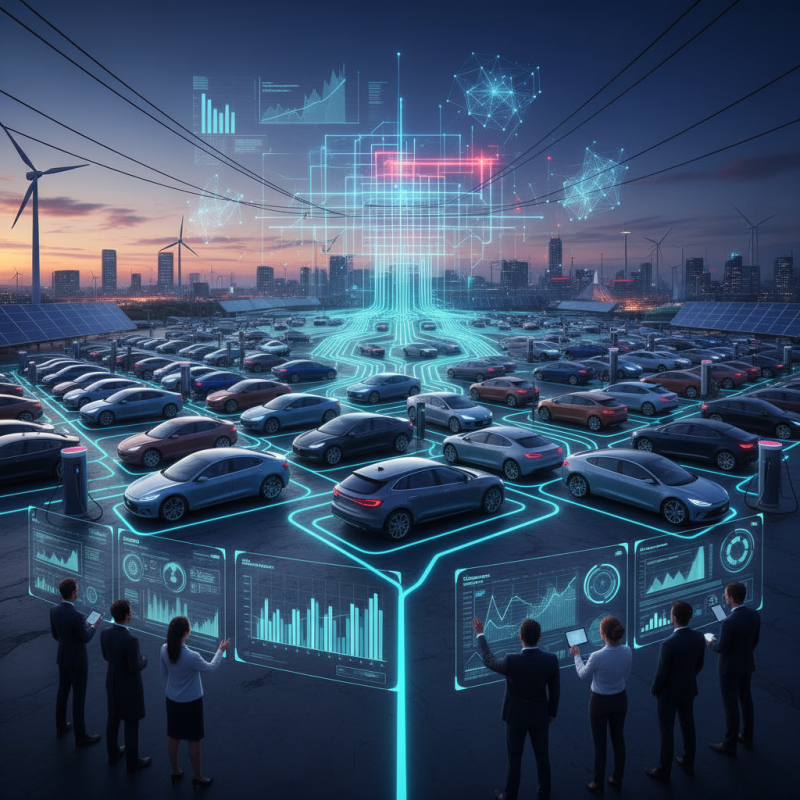
What are Aggregated Charging Loads and their Impact?

Definition of Aggregated Charging Loads

Aggregated charging loads refer to the collective demand for electricity created by multiple electric vehicles (EVs) charging simultaneously. In recent years, the rise of EV adoption has made this concept increasingly important. These loads can fluctuate based on time of day and charging infrastructure availability.

As more EVs hit the roads, understanding these loads helps ensure the stability of the power grid. However, managing aggregated charging loads poses challenges. High demand during peak hours can strain utility resources. This can lead to higher electricity costs or even power outages.

Tip: Consider charging your vehicle during off-peak hours to reduce costs. Planning when to charge can ease the overall demand on the grid.

Additionally, inaccurate forecasting of aggregated loads can result in over or under-preparation by utilities. The variability in EV charging behavior complicates matters. The technology behind smart charging solutions is evolving, yet these systems require continuous improvements.

Tip: Stay updated on smart charging technologies. They can help optimize your charging habits and reduce environmental impact.

It’s crucial to reflect on how we address aggregated loads. Continuous dialogue between consumers, utility companies, and policymakers will shape a more sustainable future.

Factors Contributing to Aggregated Charging Loads

Aggregated charging loads refer to the collective power demand from multiple electric vehicles (EVs) during charging periods. Several factors contribute to these loads, significantly impacting the electrical grid. One of the key elements is the charging habits of users. Many EV owners tend to charge their vehicles during peak hours. This behavior leads to surges in demand that can strain grid resources.

Another factor is the type of charging stations in use. Level 2 chargers, while more common, still draw considerable power. Fast chargers, however, can demand even more, exacerbating the situation. Moreover, the geographical distribution of charging stations plays a role. Urban areas with high EV penetration can quickly see increased aggregated loads, especially if multiple users charge simultaneously.

The time of day can also influence charging patterns. Many users prefer night-time charging due to lower electricity rates. This creates a concentrated load during specific hours, often leading to unbalanced grid conditions. Understanding these influences is critical for grid management. Strategies must be considered to mitigate such surges in demand. Addressing these challenges requires careful planning and coordination.

Impact of Aggregated Charging Loads on Grid Stability

Aggregated charging loads represent the combined demand of electric vehicle (EV) chargers in a specific area. This growing trend affects the electrical grid's stability significantly. Data from the International Energy Agency suggests that the number of electric vehicles is expected to reach 145 million by 2030. Such a rise means the charging demands may peak at certain times. If not managed, these peaks can overwhelm local grids.

Tips: Implement smart charging systems. These systems help distribute loads evenly across different times of day. They can ease the pressure on the grid during peak usage hours, effectively balancing demand.

Challenges arise without proper load management. When too many vehicles charge simultaneously, voltage fluctuations might occur. This instability can lead to outages or equipment damage. Research from the Electric Power Research Institute indicates that smart charging can reduce peak demand by up to 30%. This reduction can greatly support grid operations.

Tips: Monitor charging patterns closely. Understanding when and where charging occurs allows better load forecasting. Local utilities can prepare for higher demands, ensuring reliability in supply.

Strategies for Managing Aggregated Charging Loads

Aggregated charging loads refer to the combined power demand from multiple electric vehicles during charging. As the popularity of electric vehicles grows, managing these loads becomes essential. High aggregated loads can strain electricity grids, leading to instability. Balancing this demand is crucial for maintaining a reliable power supply.

One effective strategy for managing these loads is implementing smart charging. This technique allows for scheduling the charging times based on grid demand. Vehicles can charge during off-peak hours, reducing overload. For instance, charging at night or during non-peak hours can significantly ease stress on the grid.

Moreover, using energy storage systems can help. These systems store energy during low demand periods and release it during peak times. It would create a buffer, ensuring that electric vehicle charging does not disrupt overall energy consumption. However, there is room for improvement. Not all charging stations are equipped with this technology. The learning curve for implementing smart systems can also be steep. As we advance, finding solutions that address these shortcomings will be vital.

Future Trends in Aggregated Charging Loads and Energy Distribution

The rise of electric vehicles (EVs) is changing how we consume energy. Aggregated charging loads represent the total demand for energy from multiple EVs charging simultaneously. This growing trend influences energy distribution significantly. With more EVs on the road, charging during peak times can create stress on the grid. The infrastructure needs to adapt to avoid overloading systems.

Future trends indicate a need for smarter energy management. As we shift towards renewable energy sources, balancing charging loads becomes crucial. Implementing time-of-use rates can encourage users to charge during off-peak hours. This strategy could help reduce stress on the grid and maximize renewable energy utilization.

Moreover, challenges remain in predicting charging behaviors. User habits vary greatly, and this variability can complicate load forecasting. There’s a risk of relying on outdated models that fail to capture real-time needs. Addressing these issues requires innovative solutions. Collaboration among stakeholders is essential to optimize charging strategies and enhance grid stability.

FAQS

: What are aggregated charging loads?

: Aggregated charging loads are the total electricity demand from multiple electric vehicles charging at the same time.

Why are aggregated charging loads important?

Understanding aggregated loads helps maintain the stability of the power grid, especially as EVs become more common.

When should I charge my electric vehicle?

Charging during off-peak hours can reduce electricity costs and ease strain on the power grid.

What are some strategies for managing charging loads?

Smart charging allows scheduling based on grid demand, helping to balance energy use effectively.

How do energy storage systems contribute to load management?

Energy storage systems store power during low demand and release it during peak times, preventing overload.

What challenges are there in managing aggregated charging loads?

Inaccurate forecasting and variability in user charging behaviors make load management complicated.

How does renewable energy influence charging load management?

A shift towards renewable sources requires smarter management of charging loads to maximize utilization.

What are time-of-use rates?

Time-of-use rates charge different prices based on when energy is used, encouraging off-peak charging.

What improvements are needed for smart charging technology?

Continuous advancements are necessary as not all charging stations support smart systems yet.

Why is collaboration among stakeholders important?

Together, stakeholders can develop innovative solutions to optimize charging strategies and enhance grid stability.

Conclusion

Aggregated Charging Loads refer to the collective demand from electric vehicles during charging, which can significantly influence grid stability. Various factors contribute to these loads, including the number of electric vehicles, charging patterns, and peak usage times. An increased concentration of charging activities can lead to potential strain on the electrical grid, necessitating effective management strategies to ensure stability.

Managing Aggregated Charging Loads involves implementing demand response programs, improving infrastructure, and leveraging smart grid technologies to balance supply and demand. Looking ahead, trends suggest a growing integration of renewable energy sources and advancements in energy distribution that will further shape how Aggregated Charging Loads are managed. Understanding these dynamics is crucial for optimizing grid performance and supporting the transition to electric mobility.

Liam

Liam

Liam is a dedicated marketing professional with a profound expertise in the industry, where he excels at highlighting the unique advantages of our core products. With a keen understanding of market trends and consumer needs, Liam frequently updates our company’s professional blog, providing......