As electric vehicles (EVs) rise in popularity, businesses face new opportunities. Installing EV charging stations is more than an eco-friendly choice; it can reshape brand perception. So, how do businesses benefit from EV charging stations?
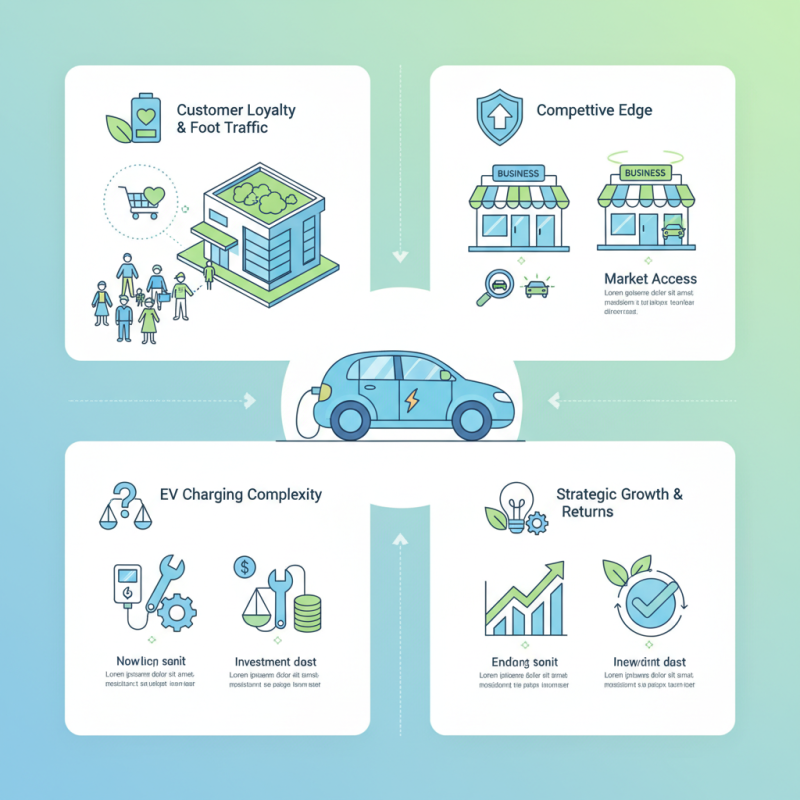
By providing charging facilities, companies attract environmentally conscious customers. This initiative can improve customer loyalty and drive foot traffic. Additionally, having charging stations can enhance a business’s competitive edge. Companies can tap into the growing market of EV users who seek convenient charging options.
However, the installation process can be complex and requires investment. Businesses must evaluate their location and charging technology. A well-placed charging station adds value, but poorly managed installations may lead to frustration. Balancing costs with potential gains requires careful thought. Ultimately, embracing EV charging stations could yield significant returns if approached wisely.
Businesses can gain significant advantages by installing EV charging stations. As electric vehicles (EVs) become more popular, offering charging options attracts customers. Longer stays at businesses mean increased sales. Drivers often choose locations based on charging availability. So having a charging station can influence their decision-making process.
Moreover, installing these stations reflects a commitment to sustainability. This may enhance a business’s reputation. Many consumers prefer to support eco-friendly companies. They appreciate businesses that contribute to greener practices. However, some businesses worry about the initial cost. The setup can be expensive, and this creates uncertainty. Yet, the potential for increased foot traffic can outweigh these concerns.
Lastly, companies should be mindful of their charging stations' efficiency. If charging times are too long, customers may leave unhappy. Regular maintenance is essential for optimal performance. Businesses must stay aware of their customers’ evolving needs and adapt accordingly. Balancing these factors can lead to positive outcomes. It requires ongoing attention and care, but the benefits can be substantial.
This bar chart illustrates the various benefits that businesses can gain from installing EV charging stations. The data reflects percentages representing how significantly each benefit impacts business operations, with increased foot traffic and brand image improvement being among the most notable advantages.
Businesses can significantly enhance customer attraction and retention by installing EV charging stations. These stations serve as a magnet for electric vehicle owners. Imagine a customer pulling into a coffee shop, seeing a charging station, and deciding to stay while their car charges. This can lead to increased foot traffic and more sales.
An important tip for businesses is to ensure that charging stations are easy to find. Clear signage helps guide customers directly to these stations. Additionally, offering complimentary charging for a limited time may boost customer satisfaction. However, it’s essential to assess whether this is a cost-effective strategy for your business.
Another aspect to consider is the placement of stations. Install them near popular customer areas, like cafes or retail stores. This encourages patrons to linger longer. Despite the potential benefits, some businesses face challenges with maintenance and operational costs. Regularly evaluate your charging infrastructure to ensure efficiency. This proactive approach can help in maximizing the advantages of having EV charging stations.
| Benefit Dimension | Description | Impact Type | Potential Increase (%) |
|---|---|---|---|
| Customer Attraction | Attracts EV owners to visit the business regularly. | Revenue Growth | 15% |
| Competitive Advantage | Positioning the business as eco-friendly and tech-savvy. | Brand Perception | 20% |
| Customer Retention | Encourages repeat visits from loyal customers. | Loyalty Growth | 25% |
| Increased Dwell Time | Customers spend more time on-site while charging. | Sales Opportunities | 30% |
| Government Incentives | Potential tax credits and subsidies for installation. | Cost Savings | Unknown (Varies) |
Businesses can significantly enhance their revenue streams by installing
electric vehicle (EV) charging stations. These services attract a new customer base. EV owners actively seek
charging points, which means more foot traffic for businesses.
Installing chargers can lead to increased sales, especially in retail and hospitality sectors.
Moreover, charging stations can create a unique marketing angle. Companies can promote their commitment to
sustainability. This commitment resonates with
environmentally conscious consumers. They are often willing to pay a premium for products or services from
eco-friendly businesses. However, some companies may face challenges.
They must balance installation costs against potential revenue. An initial investment may deter some. It requires careful consideration of
location and demand before proceeding.
Despite potential hiccups, the long-term benefits are clear.
Businesses can create partnership opportunities with local energy providers. These collaborations can enhance
service offerings and attract more customers. Additionally, there's a chance to provide community value.
Charging stations can become community hubs for EV users, fostering loyalty and brand recognition.
The transition may not be seamless, but the overall impact can be rewarding.
Businesses are increasingly recognizing the importance of
electric vehicle (EV) infrastructure.
Installing EV charging stations promotes
sustainability and enhances corporate responsibility.
It demonstrates a commitment to reducing carbon footprints.
According to a report by the International Energy Agency, the number of EVs on the road is expected to reach
145 million by 2030. This surge in EV popularity creates a demand for charging stations.
Moreover, companies installing these stations attract eco-conscious consumers.
A survey by Deloitte indicated that
71% of consumers would prefer to shop at businesses that support green initiatives.
These stations can also serve as a marketing tool, enhancing brand loyalty.
Yet, some businesses hesitate, uncertain about the return on investment.
The initial installation costs can be a barrier.
However, many find that the long-term benefits outweigh these concerns.
Increased foot traffic often leads to higher sales.
Businesses should weigh their options carefully.
They need to consider the local market and customer preferences.
There’s no one-size-fits-all solution. In this evolving landscape,
companies must adapt their strategies to harness the potential of EV infrastructure effectively.
As electric vehicles (EVs) gain popularity, businesses can position themselves strategically within this evolving market. Installing EV charging stations attracts eco-conscious customers. These stations become essential amenities, enhancing customer experience while boosting foot traffic. A diverse clientele is good for sales.
Tip: Consider partnering with local governments or energy providers to reduce installation costs. Many incentives are available to encourage businesses to invest in green technology.
Incorporating charging stations showcases a business's commitment to sustainability. This alignment with environmental values can build brand loyalty. However, businesses must evaluate their parking capacity and location carefully. A poorly placed station might detract from the user experience.
Tip: Conduct market research to identify peak EV usage times in your area. This data helps optimize station placement. Understanding customer demands is crucial for maximizing benefits.
: EV charging stations attract electric vehicle owners, increasing foot traffic and boosting sales in businesses.
Easy identification of charging stations through clear signage is vital for customer access and satisfaction.
Placing stations near popular areas, like cafes or retail stores, encourages customers to stay longer.
Evaluate whether complimentary charging is cost-effective, balancing customer satisfaction with business expenses.
Installing EV charging stations shows commitment to sustainability, appealing to eco-conscious consumers.
High initial installation costs can be a barrier, leading to uncertainty about return on investment.
Collaborating with local governments or energy providers can provide incentives to reduce costs for charging stations.
Market research to identify peak EV usage times aids in positioning stations effectively and meeting customer demands.
Installing EV charging stations can significantly benefit businesses in multiple ways. Firstly, businesses can enhance customer attraction and retention by providing convenient charging solutions, making their locations more appealing to electric vehicle (EV) owners. This not only draws in new customers but also fosters loyalty among existing ones. Additionally, offering EV charging services creates new revenue streams, allowing businesses to charge users for access to the stations and potentially attract additional foot traffic.
Moreover, by installing EV infrastructure, companies can promote sustainability and demonstrate their commitment to corporate responsibility. This positions them favorably in the emerging electric vehicle market, aligning them with current trends and consumer preferences. In summary, understanding how do businesses benefit from EV charging stations reveals a multifaceted opportunity to improve customer relations, enhance revenue, and contribute positively to the environment.

Orange Energy