The electrification of transportation is rapidly transforming urban landscapes. As electric vehicles (EVs) grow in popularity, understanding what makes a good location for EV charging stations is essential. According to a recent report by the International Energy Agency, there were over 1.3 million public charging points worldwide in 2021. However, access to these stations varies significantly based on geography and urban planning.
Key factors influence effective charging station locations. Proximity to high-traffic areas, such as shopping centers and highways, is crucial. A study by the U.S. Department of Energy suggests that stations near amenities increase usage rates. Additionally, safety and ease of access play vital roles. Well-lit, secure locations encourage user confidence in charging their vehicles.
Yet, challenges persist. Some locations may lack adequate electrical infrastructure. Others may face zoning restrictions that limit development. It is crucial to weigh these factors carefully. Addressing them will be vital for improving the overall EV charging experience. As the market evolves, continual assessment will ensure that locations meet user needs effectively.
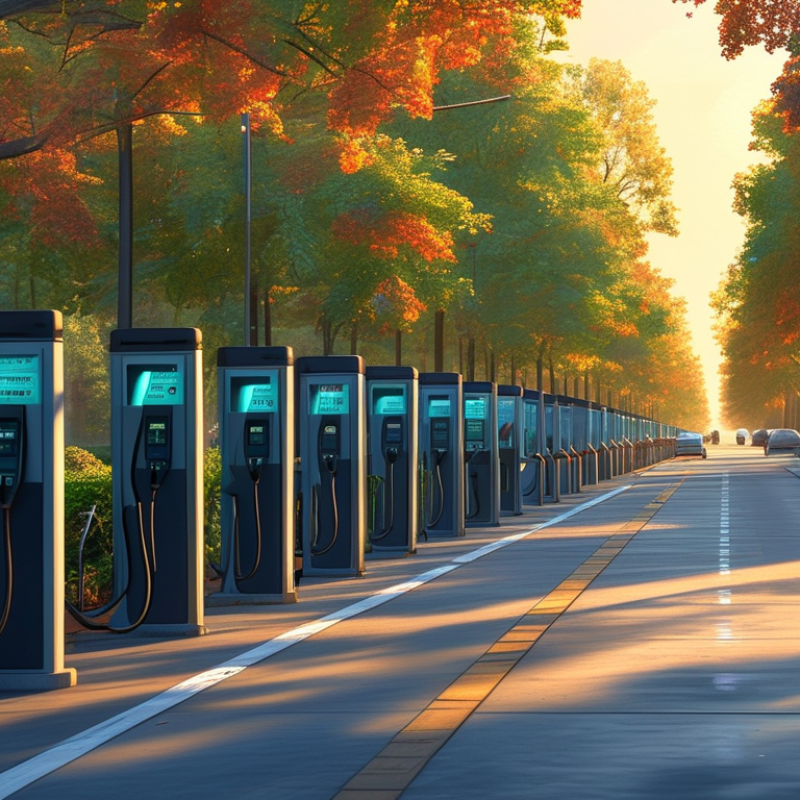
When it comes to EV charging station accessibility, certain urban areas stand out. These locations not only have a high concentration of charging points but also provide essential amenities nearby. Cities like San Francisco, Seattle, and New York lead the way. They offer a combination of fast-charging stations and user-friendly applications that help drivers find available spots easily.
Accessibility matters tremendously for EV owners. In rush-hour traffic, finding a charging station can become a frustrating quest. Well-planned urban areas contain chargers in close proximity to grocery stores, parks, and restaurants. This allows drivers to make the most of their wait time. However, it’s essential to reflect on the inadequacies of some neighborhoods, where chargers are scarce or malfunctions go unchecked.
The growth of EV adoption must reflect in infrastructure development too. While many cities are improving, gaps remain in less populated areas. Drivers need to advocate for better services and city planners must prioritize these locations. Balancing accessibility with sustainable energy solutions is crucial for the future of urban mobility.
Rural areas are experiencing an EV infrastructure boom. This trend could lead to significant environmental benefits and economic growth. The adoption of electric vehicles has risen sharply, with over 3 million EVs on the road in the United States as of 2022, according to the Electric Vehicle Association. Despite this, many rural regions lag behind in charging infrastructure, which could hinder adoption.
Research indicates that expanding EV charging stations in rural locales can tap into available resources. Places like community centers and local businesses have potential for installation. In fact, the U.S. Department of Energy suggests that every EV charging station can generate local economic activity. However, establishing these stations requires careful planning. The distance between chargers remains a challenge. Reports highlight that 80% of EV charging occurs at home, leaving gaps in rural coverage.
Community involvement is crucial in this development. Engaging local leaders fosters trust and ensures stations meet residents' needs. Education about EV benefits is also vital. Without widespread knowledge, rural areas may remain hesitant to fully embrace this technology. Understanding the unique needs of these locations is essential, yet it poses the challenge of balancing resources with community expectations.
Long-distance electric vehicle (EV) travel requires careful planning. Strategic highway stops are essential for a smooth journey. A 2021 report indicates that EV drivers often prioritize charging station accessibility on major routes. The average distance between charging stations is around 50 miles, but this varies significantly by region. For instance, rural areas may lack sufficient infrastructure. Thus, recognizing optimal charging locations can enhance travel experiences.
Many EV drivers express concerns about charging times. On average, a fast charger can add about 200 miles of range in just 30 minutes. Yet, some stations may have long wait times, especially during peak travel seasons. Reports suggest that 60% of EV users want stations with amenities nearby. Such facilities can make stops less tedious and more enjoyable. Access to restaurants, restrooms, and shopping can transform a routine recharge into a welcome break.
A survey revealed that nearly 70% of users feel anxious about finding charging stations during long trips. This anxiety is fueled by inconsistent charging networks across states. Some travelers face challenges tracking available stations, leading to unplanned detours. Understanding regional variations in charging availability is crucial. Properly addressing these needs can greatly improve the EV travel experience.
Finding reliable locations for EV charging is essential for electric vehicle owners. Reports indicate that over 50% of EV users prefer charging stations located near retail spots. This trend reflects an increasing demand for charging infrastructure in convenience-filled areas. Popular retail locations such as supermarkets, shopping malls, and cafes often serve as ideal charging points. They allow drivers to multitask while their vehicles charge, merging errands with battery replenishment.
Recent studies show that integrating EV charging stations within retail settings can boost foot traffic by up to 15%. Retailers leverage this opportunity to attract more customers. Consumers appreciate the ability to shop while their car charges, but there’s a gap in consistent station availability. Not all retail locations maintain reliable charging options. This inconsistency can lead to frustration and hesitation in EV adoption.
The design of charging stations matters significantly. Clear signage and user-friendly interfaces enhance the experience for consumers at retail locations. Yet, many charging stations still lack proper maintenance or functional features. Users often find the process complicated or slow. Addressing these shortcomings is crucial for improving user satisfaction and fostering a more robust EV charging network.
The placement of electric vehicle (EV) charging stations significantly influences their usage and accessibility. It is crucial to consider location factors such as proximity to major highways and popular destinations. A report by the International Energy Agency highlights that charging stations near shopping centers or restaurants see up to 30% more utilization compared to those in less accessible areas. This statistic emphasizes the importance of strategic placement.
Other key factors include visibility and safety. Charging stations should be well-lit and situated in safe environments. Research indicates that charging stations in secure locations encourage more users to charge their vehicles. Furthermore, user experience matters. Convenient payment options and fast charging capabilities can enhance the appeal of a station. Data shows that over 60% of EV owners prefer stations that offer fast charging, making speed a vital consideration.
Lastly, public and private partnerships can play a critical role. Collaboration with municipalities can ensure adequate infrastructure support. However, there are challenges in maintaining these stations, as they often require regular updates and repairs. Companies must assess these ongoing needs to ensure reliability. Deliberating on these factors is necessary to create an efficient network of EV charging stations.
: Strategic highway stops are essential for a smooth journey.
The average distance is around 50 miles, but it varies by region.
Nearly 70% feel anxious about finding charging stations on their route.
Many users want amenities like restaurants and restrooms nearby.
Stations near shopping centers see up to 30% more utilization.
Location, visibility, safety, and user experience matter greatly.
Over 60% prefer stations that offer fast charging options.
They require regular updates and repairs to ensure reliability.
Collaboration can ensure adequate infrastructure support for EV charging.
Understanding regional variations in charging availability is crucial for reducing anxieties.
The article "10 Best Locations for EV Charging Stations: What Matters Most?" explores various factors that contribute to the effectiveness of electric vehicle (EV) charging infrastructure. It highlights top urban areas known for their accessibility to charging stations, as well as rural regions that are seeing a significant rise in EV infrastructure. Additionally, strategic highway stops are emphasized for their importance in supporting long-distance travel, while popular retail locations that provide EV charging facilities cater to the growing consumer demand.
A key question addressed is "what makes a good location for EV charging stations?" Essential factors include visibility, ease of access, proximity to amenities, and the volume of traffic in the area. These elements ensure that charging stations are not only convenient for drivers but also promote wider EV adoption by enhancing the overall charging experience.
Orange Energy