The quest for sustainable energy solutions is more pressing than ever. One promising approach is through the use of Vehicle To Grid Solutions. These innovations allow electric vehicles (EVs) to interact with the electricity grid. It enables EVs to send excess energy back to the grid when demand peaks.
Adopting these solutions can lead to numerous benefits. They can stabilize the grid and reduce reliance on fossil fuels. However, the implementation poses challenges. Not all vehicles are compatible for this technology. Consumers may hesitate to invest without clear incentives.
Moving towards a greener future requires collaboration. Stakeholders must work together to refine these Vehicle To Grid Solutions. The path forward is complex and full of uncertainties. Yet, it offers a glimpse into a sustainable energy landscape where vehicles play a vital role.
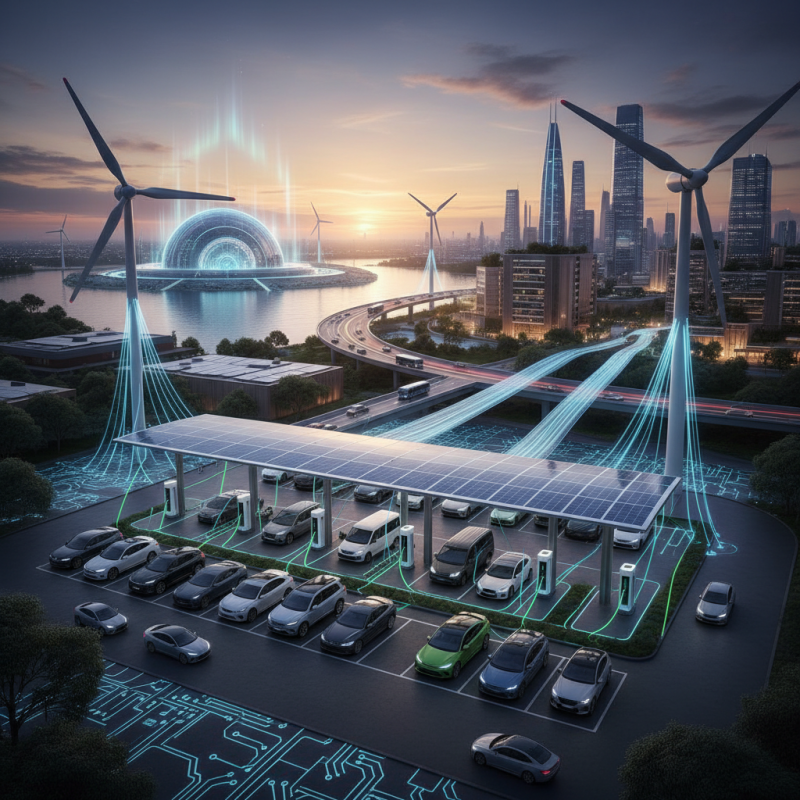
Vehicle-to-grid (V2G) technology is a growing trend in sustainable energy solutions. This technology allows electric vehicles (EVs) to connect to the power grid and provide energy back. Some vehicles can store excess energy generated from renewable sources. They do this while parked, effectively acting as energy reservoirs.
Innovations in V2G focus on bidirectional charging systems. These systems enable EVs to not only draw power but also send it back. This dual capability enhances grid stability and supports renewable energy integration. Real-time energy management systems also drive efficiency in this technology. Users can see their energy contribution and receive rewards.
Tip: Always check your local regulations. Some areas have specific rules regarding V2G systems.
Another aspect to consider is the challenge of infrastructure. Not all locations have the necessary charging stations or grid compatibility. Upgrading the electrical grid is also expensive and complex.
Tip: Evaluate community programs that support V2G. These initiatives can sometimes help with setup costs or provide incentives.
V2G is promising yet imperfect. The technology needs wider acceptance and better infrastructure. User participation is crucial. Addressing these issues could enhance the overall effectiveness of V2G solutions.
Vehicle-to-grid (V2G) systems are game-changers for sustainable energy management. These systems enable electric vehicles (EVs) to communicate with the power grid. When needed, EV batteries can feed electricity back to the grid. This process not only stabilizes energy supply but helps integrate renewable sources effectively.
According to a report by the International Energy Agency (IEA), V2G could provide up to 12% of the total grid storage needed by 2030. This storage capability can help balance energy demand and supply fluctuations. For instance, during peak hours, charging EVs can shift demand to off-peak times. Many EV owners also benefit financially. They can earn money by selling excess energy back to the grid. Yet, participation in such programs requires careful management of energy use.
Challenges remain in implementing V2G solutions. Not all vehicles are compatible, leading to limitations. Moreover, the technology can be complicated for everyday users. Further, not everyone is aware of the financial incentives available, leading to hesitation. As V2G technology evolves, assessing its long-term impact on energy grids will be crucial. Doing so can help fully unlock its potential for sustainable energy management.
| Feature | Description | Benefits |
|---|---|---|
| Energy Storage | Vehicles can store energy from renewable sources. | Reduces grid strain and provides backup energy. |
| Grid Stabilization | Supports the grid by supplying power when needed. | Improves grid reliability and efficiency. |
| Cost Savings | Owners can sell back excess energy to the grid. | Lower energy bills and potential earnings. |
| Environmental Impact | Reduces reliance on fossil fuels by integrating renewables. | Decreases carbon footprint and promotes sustainable energy. |
| Demand Response | Vehicles can adjust charging based on grid demand. | Promotes energy efficiency and reduces peak load. |
The vehicle-to-grid (V2G) technology is gaining momentum in the renewable energy market. This innovation allows electric vehicles (EVs) to store energy and return it to the grid. According to a recent report by the International Energy Agency (IEA), global EV sales are projected to reach 145 million by 2030. This growth directly supports the expansion of V2G systems.
Despite the promising numbers, challenges remain. Infrastructure upgrades are required to support V2G integration. Many utilities are hesitant about adapting to this new model. A report from Navigant Research highlights that only 20% of utilities are ready for V2G implementation.
Consumer awareness is another hurdle. People often lack knowledge about V2G benefits. Hence, education is essential. A survey revealed that 58% of potential EV buyers are unaware of vehicle-to-grid technology. Addressing these issues could unlock V2G's full potential, driving a more sustainable energy future.
Vehicle-to-Grid (V2G) solutions have gained traction globally. Many cities are testing their potential. In Denmark, a pilot project showed cars feeding electricity back to the grid. It helped reduce peak demand. However, challenges emerged. Not all vehicles were compatible. This limited participation and its overall impact.
In Australia, another case demonstrates success. Community members used electric vehicles to support their homes and local energy needs. When fully charged, cars provided power during outages. Yet, some users were hesitant. Concerns about battery life lingered. Maintenance and costs were also discussed. The results did show promise for a sustainable future.
Germany is exploring V2G in urban areas. Trials revealed that optimizing energy storage through cars can balance grid loads. Nevertheless, data on long-term benefits is still required. Users need better education on its impacts. Overall, while strides are evident, the journey includes hurdles that demand attention.
This bar chart illustrates the energy contribution from selected vehicle-to-grid (V2G) case studies. Each case study showcases successful implementation contributing varying amounts of renewable energy to the grid, highlighting the potential of V2G solutions in promoting sustainable energy.
The integration of Vehicle-to-Grid (V2G) systems faces several future challenges. One primary issue is the lack of standardized protocols for communication. Different charging systems lead to technical incompatibilities. This fragmentation can delay widespread adoption of V2G technologies. Research indicates that proper infrastructure investment is essential. Without it, efficient energy distribution remains limited.
Another challenge involves consumer confidence. Many potential users are skeptical about battery life and longevity. Studies suggest that consistent battery usage for energy return may reduce lifespan by up to 30%. This raises concerns for owners. They weigh potential earnings against vehicle maintenance costs. A solution could be education on the benefits of V2G technology. Increased awareness may build trust in the system.
On the opportunity front, V2G can help balance energy supply and demand. With renewable energy sources growing, excess energy storage becomes crucial. Reports estimate that V2G systems could stabilize grid operations by 15% during peak loads. This creates a win-win scenario, benefiting both the grid and vehicle owners. However, addressing concerns and investing in robust training programs will be vital as the industry evolves.
: V2G technology allows electric vehicles to connect to the power grid and supply energy back.
EVs can store excess energy from renewable sources while parked and release it when needed.
V2G systems stabilize energy supply and enhance renewable energy integration, benefiting both the grid and users.
Yes, not all vehicles are compatible, and infrastructure can be costly and complex to upgrade.
Yes, users can sell excess energy back to the grid and earn rewards for their contributions.
User participation enhances system effectiveness and drives wider acceptance of V2G technology.
Always check local regulations as they vary by region and can impact system implementation.
Community programs may assist with setup costs and provide incentives for V2G participation.
The technology can be complicated, leading to hesitation among potential users.
Addressing infrastructure challenges and increasing awareness of financial incentives is crucial for broader adoption.
The article "Best Vehicle To Grid Solutions for Sustainable Energy" explores the emerging technologies and innovations in Vehicle to Grid (V2G) systems, emphasizing their role in enhancing sustainable energy management. By allowing electric vehicles to discharge power back to the grid, these solutions not only support renewable energy integration but also provide economic benefits to both drivers and utility providers.
A market analysis reveals a growing adoption of V2G technologies, driven by the increasing demand for sustainable energy systems. The article includes case studies showcasing successful V2G implementations around the globe, highlighting their potential to transform energy systems. Furthermore, it discusses the future challenges and opportunities that lie ahead in the integration of V2G solutions, suggesting that collaboration among stakeholders will be essential for overcoming barriers and maximizing the benefits of these innovative systems.
Orange Energy