7 Best Ways Charging Networks Communicate With Vehicles?

Time:2026-09-19 Author:Ethan
0%

Understanding how do charging networks communicate with vehicles is essential for reliable electric mobility. A charging session may look simple, but several digital conversations happen behind the cable. The vehicle, charger, network operator, payment platform, and utility may exchange data within seconds.

Claas Bracklo, Executive Director of the Charging Interface Initiative, has emphasized, “Interoperability is the key to the success of electric mobility.” This principle shapes modern charging systems. Protocols such as ISO 15118 help vehicles identify themselves, negotiate charging power, and support secure Plug & Charge functions. OCPP connects charging stations with backend platforms, while OCPI can link roaming services and charging operators. These standards create a shared technical language. Not always perfectly.

A practical example is visible at a highway station. The driver plugs in, the charger checks vehicle status, and the network authorizes energy delivery. Behind the screen, encrypted messages carry authentication, power limits, pricing data, and fault alerts. If communication fails, the charger may reduce power or stop safely. That pause can frustrate drivers, even when the hardware is working.

This article examines seven major ways charging networks communicate with vehicles. It explores physical signaling, cloud protocols, identity verification, smart charging, payment communication, and diagnostic data. It also considers real-world weaknesses, including poor connectivity, inconsistent software, and delayed updates. Standards help, but they do not remove every problem. Reliable charging still depends on careful testing, transparent data practices, and cooperation across the entire ecosystem.
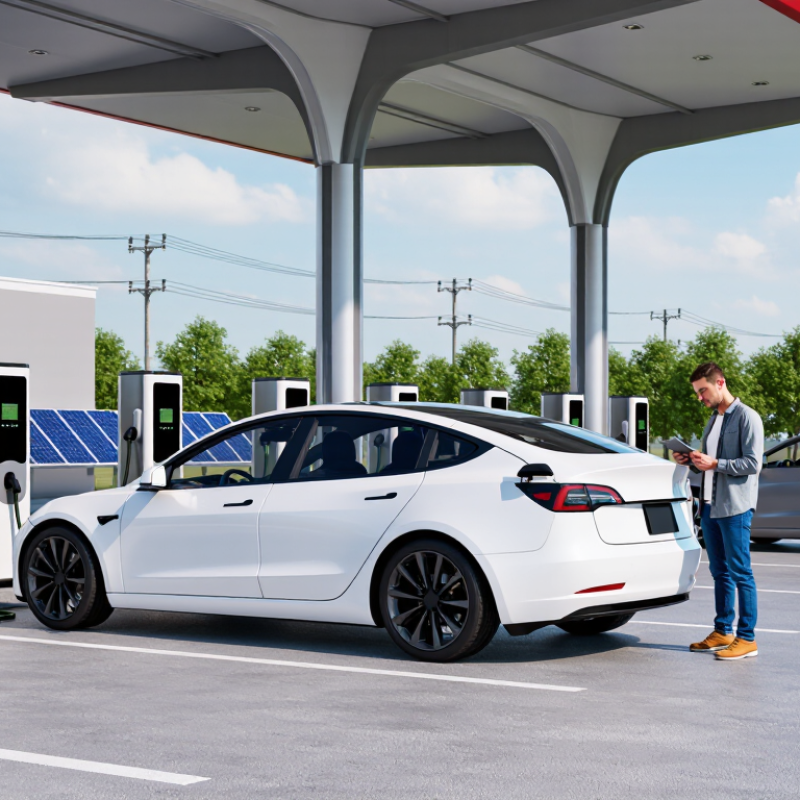
7 Best Ways Charging Networks Communicate With Vehicles?

How Charging Networks Identify and Authenticate Electric Vehicles

7 Best Ways Charging Networks Communicate With Vehicles

How Charging Networks Identify and Authenticate Electric Vehicles

A charging network begins with a quiet digital handshake. The vehicle and charger exchange status through control-pilot signals. This confirms cable connection, charging readiness, and allowable current. The charger then reports its identity, connector status, and meter readings to a central platform.

According to the International Energy Agency’s Global EV Outlook 2024, nearly four million public charging points existed worldwide by the end of 2023. That scale makes accurate identification essential.

Authentication can use a mobile application, payment card, RFID token, or digital certificate. ISO 15118 enables certificate-based “Plug and Charge” authentication, allowing the vehicle to prove its contract without manual entry. The network checks certificate validity, contract status, and charging permissions before energy flows.

Secure backend protocols then carry session data, fault messages, and pricing information. Small details matter. A wrong vehicle identifier can create billing disputes.

Communication is not perfectly seamless. Older chargers may identify the user, but not the vehicle itself. Roaming systems can also delay authorization between separate networks.

The IEA notes that public charging expansion must improve reliability, accessibility, and interoperability, not only connector numbers.

Operators should protect credentials, isolate control systems, and record every authorization event.

Convenience is useful. Trust is harder.

How Vehicles and Networks Exchange Charging Status Information

7 Best Ways Charging Networks Communicate With Vehicles?

Charging networks exchange charging status through physical signals and digital messages. The vehicle first reports whether the connector is inserted and locked. A basic handshake then confirms that both sides are ready. Identity data follows, allowing the network to verify the vehicle and charging session. This process must be quick, because drivers notice even short delays.

The vehicle shares its battery voltage, current, charging speed, and estimated state of charge. It can also send temperature readings and remaining charging time. The network uses these details to adjust power safely. When conditions change, the vehicle may request less energy. The station can respond within seconds. Clear status codes also report cable faults, insulation concerns, or interrupted connections. Small details matter.

Charging completion is another important exchange. The vehicle signals that its target level has been reached, while the network records energy delivered and session duration. In practical testing, readings do not always match perfectly. A displayed percentage may lag behind the battery’s real condition. Signal loss can create similar confusion. For this reason, reliable systems repeat critical messages, check timestamps, and preserve event records. Human review still helps when data appears inconsistent. A quiet dashboard is not always proof of a healthy session.

How Charging Systems Negotiate Power, Voltage, and Current Limits

A charging cable does more than carry electricity. It carries a conversation between the vehicle and the charging system. That conversation can use a control pilot signal, proximity detection, and digital messages defined by charging standards. The system checks whether the connector is seated, the vehicle is ready, and the circuit can safely energize. Small signals matter. Without them, a high-power connection would be a dangerous guess.

The practical exchanges cover connector detection, readiness, voltage, current, thermal limits, ramping, and fault status. Voltage limits are negotiated before current rises. The vehicle reports its acceptable voltage window, while the charger confirms its available output. Current is then shaped around battery temperature, state of charge, cable rating, and grid capacity. Digital communication can request a precise current target, such as 180 amperes, instead of applying full power. Power is adjusted continuously. When cell temperature climbs, the vehicle can reduce its request within seconds. The charger should follow smoothly, preventing sudden electrical stress.

Reliable systems also exchange status, fault codes, and restart conditions. A broken pilot signal, insulation concern, or cooling problem can trigger controlled reduction or shutdown. Field testing often shows that negotiation is not perfectly stable. Weather, cable position, software timing, and measurement tolerance can alter the result. Designers should log voltage, current, timestamps, and termination reasons, rather than trusting one dashboard value. One practical weakness remains. Different interpretations of limits can cause repeated pauses, even when hardware appears healthy. That gap deserves testing under heat, cold, low voltage, and nearly full batteries.

How Networks Manage Payments, Charging Sessions, and Remote Commands

Charging networks communicate with vehicles through a steady digital exchange. The vehicle sends its identification, battery status, and charging needs. The network confirms connector availability and current pricing. Then, both sides authorize the session. This handshake usually takes seconds. Small delays still matter.

Payments depend on secure account credentials, payment tokens, or pre-approved access. The network records energy delivered, session duration, and the final cost. During charging, vehicles and network servers exchange status updates. A driver may start, pause, or stop charging through a remote command. The network checks authorization before acting. It also reports faults, unplugging, and unexpected interruptions. A useful system leaves a clear record.

Tips: Keep payment details current and enable session notifications. Check the displayed price before charging begins. If a remote command fails, inspect the vehicle connection first. Network communication is not flawless. Weak signals, software mismatches, or a damaged cable can interrupt a normal session. I have found that retrying immediately is not always wise. Waiting briefly and checking the physical connection often prevents confusion. Operators should also test emergency controls, billing accuracy, and data protection regularly. Clear messages build trust, even when a session ends imperfectly.

7 Best Ways Charging Networks Communicate With Vehicles? – How Networks Manage Payments, Charging Sessions, and Remote Commands

No. Communication Method Typical Communication Path Main Data Exchanged Payment and Session Management Remote Commands and Controls
1 Power Line Communication
ISO 15118 family
Vehicle ↔ charging equipment through the charging cable Vehicle identification, battery state, requested voltage and current, charging limits, schedules, tariff information, and charging status Supports certificate-based authorization in compatible deployments, allowing a session to start without a separate payment card interaction. The charging network records energy, time, meter values, and session events. Negotiates charging power, pauses, resumes, and scheduled charging according to vehicle and grid limits.
2 Control Pilot Signaling
IEC 61851
Charging equipment ↔ vehicle through a low-voltage control circuit Connection state, cable presence, charging readiness, available current, and basic safety conditions Usually does not authenticate the customer or process payment by itself. The network uses separate user credentials or backend records while the control circuit confirms that energy delivery is safe. Permits or prevents energy delivery and communicates the maximum current that the charging equipment may provide.
3 Controller Area Network
CAN-based DC charging communication
Vehicle battery-management system ↔ off-board DC charging equipment Battery voltage, battery current, maximum permitted current, temperature-related limits, state of charge, fault codes, and stop conditions Payment is normally handled outside the CAN link by the charging station and its backend. The network associates the authenticated session with the vehicle's charging measurements. The charger adjusts output in response to battery requests and immediately stops or reduces power when safety limits or faults are reported.
4 Cellular IP Connectivity Charging equipment ↔ charging-network backend over a mobile data connection Station availability, connector status, meter readings, diagnostic data, transaction records, and session start or stop events Enables card, account, wallet, or roaming authorization through the backend. The backend calculates fees using measured energy, time, idle periods, taxes, and configured tariffs. Supports remote start, stop, reset, connector reservation, tariff updates, configuration changes, and firmware-management workflows. The command reaches the vehicle through the charging equipment.
5 Ethernet or Wi-Fi Backhaul Charging equipment ↔ local network ↔ charging-network backend The same operational messages as cellular connectivity, including heartbeat signals, authorization responses, meter data, alarms, and software status Provides the IP connection needed to validate accounts, exchange payment results, synchronize session records, and send receipts or billing information. Allows backend commands such as starting or ending a session, changing power limits, applying load-management rules, and requesting diagnostics.
6 RFID or NFC User Identification User token ↔ reader built into the charging equipment ↔ backend Token identifier, authorization result, account status, connector identity, and session permissions Identifies the customer or fleet account before energy delivery. The backend links the token to a payment method, spending rule, price plan, or prepaid balance. Normally authorizes or ends a session rather than directly controlling the vehicle. The charging equipment then communicates the approved action through its vehicle interface.
7 QR Code, Web, or Mobile-App Commands Customer device ↔ secure web service ↔ charging-network backend ↔ charging equipment ↔ vehicle Station identifier, connector number, user authorization, payment confirmation, session status, energy totals, and notifications Enables guest checkout, account billing, digital receipts, price display, refunds, and session history. The backend verifies the payment before authorizing energy delivery. Users can request session start or stop, monitor charging progress, receive completion alerts, and sometimes set charging targets or schedules. Commands are executed only when the station and vehicle report compatible conditions.

Note: Payment authorization is generally handled by the charging network backend, while vehicle-facing interfaces primarily negotiate power, exchange battery status, and enforce safety limits.

How Communication Ensures Safety, Software Updates, and Fault Recovery

Charging networks communicate with vehicles through several coordinated channels. A digital handshake confirms vehicle identity, connector status, and charging permission. Live data then reports voltage, current, temperature, and battery limits. These signals help the system adjust power before conditions become unsafe. Small changes matter.

Safety communication can stop charging within milliseconds when insulation weakens, temperatures rise, or the connector shifts. The vehicle and charger continuously compare expected and actual electrical behavior. Network servers may also record session data for maintenance and verified fault analysis. This creates a useful evidence trail, although data quality is not always perfect. Wireless links can fail, and sensors can occasionally provide misleading readings.

Software updates use authenticated communication to deliver improved charging rules, security patches, or compatibility fixes. A reliable system checks the update package, preserves the current software, and supports recovery if installation stops. Diagnostics can identify whether a fault belongs to the vehicle, cable, charger, or network. Clear error messages reduce unnecessary service visits. Still, communication alone cannot repair damaged hardware.

Tips: Keep connectors clean and fully seated. Check the vehicle’s charging message before leaving. If charging stops repeatedly, record the time, temperature, and displayed fault code. This practical evidence helps technicians find patterns faster. Networks should also test recovery procedures regularly, not only during failures.

7 Best Ways Charging Networks Communicate With Vehicles

How communication supports safety, software updates, and fault recovery

The chart shows whether each communication method has a defined role in safety signaling, firmware or software management, and fault or diagnostic recovery. A value of 1 means the function is explicitly supported by the relevant standard or communication layer; 0 means it is outside the method’s primary scope. Control Pilot and PLC handle real-time charging coordination, ISO 15118 adds structured vehicle-to-charger services, while OCPP and secure web protocols support remote monitoring, updates, and recovery workflows.

FAQS

How does a charging network identify an electric vehicle?

The vehicle and charger exchange control signals after the cable is connected. These signals confirm connection, charging readiness, and allowable current. The charger also sends connector details and meter readings. Small details matter.

What methods can authenticate a charging session?

Authentication may use an application, payment card, RFID token, or digital certificate. Certificate-based authentication lets the vehicle prove its contract automatically. The network checks certificate validity, account status, and charging permission. Manual entry is not always needed.

What information does the network record during charging?

It records energy delivered, session duration, pricing, and connector status. It may also store battery limits, fault messages, and unexpected interruptions. For example, a session might show 18 kilowatt-hours delivered over 42 minutes. Records can still contain errors.

How are payments approved before electricity flows?

The network checks payment credentials, access permissions, and current pricing. It then authorizes the session before delivering energy. Drivers should confirm the displayed price first. Check carefully.

Can a driver control charging remotely?

Some systems allow authorized users to start, pause, or stop charging remotely. The network verifies permission before sending each command. A weak signal or software mismatch may delay the action. Retrying immediately is not always wise.

How does communication help prevent unsafe charging?

The vehicle and charger exchange voltage, current, temperature, and battery-limit data. Charging can stop when insulation weakens, temperatures rise, or the connector shifts. These reactions may happen within milliseconds. Communication is not magic.

How are charging software updates delivered safely?

Authenticated communication delivers charging rules, security patches, or compatibility improvements. The system should verify the update package before installation. It should preserve working software and support recovery after an interruption. Failures still happen.

What should drivers do when charging stops repeatedly?

Check that the connector is clean, fully inserted, and not visibly damaged. Record the time, temperature, and displayed fault code. This evidence helps separate vehicle, cable, charger, and network problems. A damaged component needs inspection.

Conclusion

Charging networks communicate with vehicles through a series of coordinated digital exchanges that support reliable and intelligent charging. First, the network identifies and authenticates the electric vehicle using secure data, confirming access rights before a session begins. The vehicle then reports information such as battery condition, charging progress, energy levels, and estimated completion time. In response, the network can adjust charging instructions according to real-time conditions.

Understanding how do charging networks communicate with vehicles also requires examining power negotiation. The vehicle and charging system agree on suitable voltage, current, and power limits to improve efficiency and protect the battery. Networks may also manage payments, authorize or stop charging sessions, and send remote commands. Communication further strengthens safety by detecting faults, responding to abnormal conditions, supporting software updates, and recovering from interrupted connections. Together, these functions create a flexible communication process that helps charging remain secure, efficient, and convenient.

Ethan

Ethan

Ethan is a seasoned marketing professional with a deep expertise in our company's innovative product line. With a passion for sharing knowledge and insights, he takes the lead in regularly updating our corporate blog, where he explores industry trends, product features, and effective marketing......