The adoption of electric vehicles (EVs) hinges significantly on the accessibility of charging. According to Dr. Emily Johnson, an authority in sustainable transport, "Without convenient charging, EV adoption will stall." This statement underlines a critical barrier faced by potential EV users. Many consumers hesitate to switch due to concerns about finding charging stations.
Why is charging accessibility important for EV adoption? As more people consider EVs, they face two main worries: where to charge and how long it takes. A lack of charging infrastructure deters many from making the investment. Cities must prioritize expanding charging networks to alleviate these fears. EV owners need to feel confident that they can recharge as easily as they refuel a gasoline vehicle.
While new technologies emerge, accessibility remains a challenge. Infrastructure often lags behind demand, leading to frustration among users. This gap must be addressed urgently. Each charging station built is a step towards a more sustainable future, but it must be paired with strategic planning. Hence, reflecting on current efforts is essential.
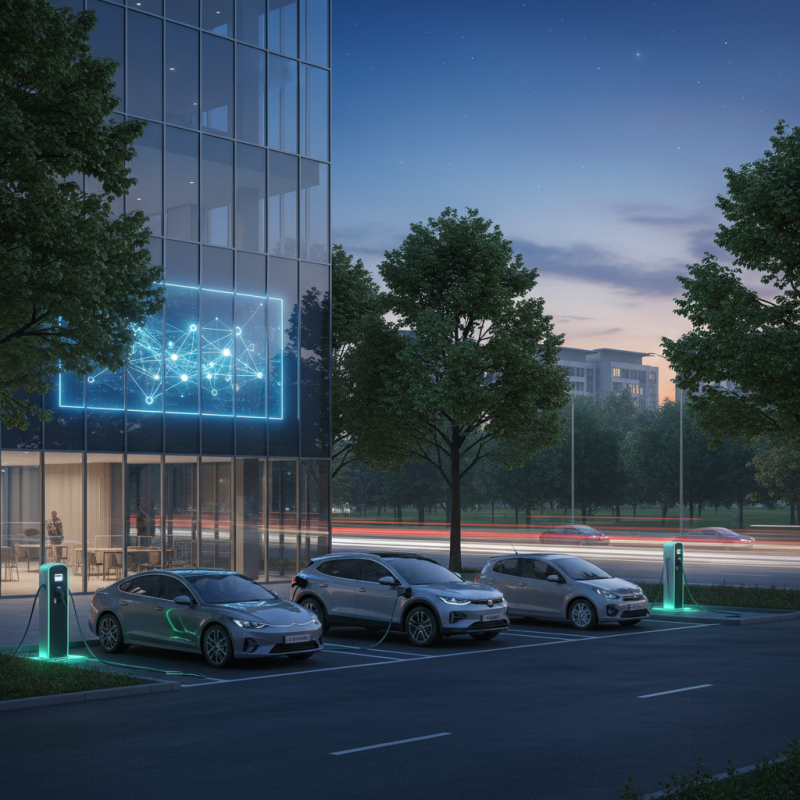
The importance of charging accessibility in electric vehicle adoption cannot be overstated. A study by the International Energy Agency revealed that one of the biggest barriers to EV adoption is inadequate charging infrastructure. In fact, 70% of potential EV buyers cite concerns over charging availability as a primary deterrent. This concern makes it crucial to enhance the accessibility of charging stations.
Many urban areas lack enough charging points, creating significant inconvenience for users. A report from the Electric Power Research Institute points out that about 90% of charging occurs at home, yet only a fraction of households have the capability to install a charger. Public charging stations must be within easy reach to cater to drivers who may not have charging options at home. That is essential for increasing consumer trust in EV technology.
Tips: Consider using charging apps to locate nearby stations. Make sure to check availability before your trips. Advocate for local governments to invest in more accessible charging solutions. Addressing these challenges directly impacts consumer confidence and ultimately drives EV adoption rates higher.
The current landscape of EV charging infrastructure presents both challenges and opportunities. In 2023, it was reported that over 1.3 million public charging ports are available in the U.S. However, the distribution is uneven, with urban areas dominating the availability. Rural regions suffer from a lack of access, limiting EV adoption.
57% of potential EV buyers cite charging convenience as a major concern. This highlights the urgent need to expand charging networks for broader acceptance.
To enhance charging accessibility, investing in fast-charging stations is crucial. According to the International Energy Agency, expanding the number of fast chargers could significantly reduce range anxiety. For instance, a strategically placed fast charger every 50 miles could ease concerns for long-distance travelers. Public-private partnerships can drive investment in less served areas, creating a more inclusive infrastructure.
Tips: Advocates should push for incentives that encourage charging station installation. Awareness campaigns can educate consumers about existing charging options. Moreover, local governments can play a key role in facilitating site approvals. Understanding local needs and demographics will lead to a more effective charging infrastructure. As charging facilities evolve, addressing infrastructure gaps remains essential for driving EV adoption.
Consumer perception of charging accessibility plays a crucial role in electric vehicle (EV) adoption. A lack of charging stations can deter potential buyers. Many consumers worry about range anxiety—the fear of running out of power with no station in sight. This apprehension often stems from inadequate infrastructure in certain areas. It is essential to understand that charging locations significantly influence purchasing decisions.
Tips: First, consider the availability of public charging stations in your area. Research whether they are conveniently located. It helps to have easy access to charging options. Additionally, apps that map out nearby stations can ease concerns about running out of charge.
The speed of charging also matters. Consumers prefer rapid charging solutions that minimize charging time. Long waits can discourage people from switching to EVs. This sentiment highlights the need for investment in faster charging technologies. Even with advancements, many consumers may still feel uncertain about the reliability of these stations.
Tips: Look for reviews of local charging stations. User experiences can provide insights into the reliability of these facilities. An informed choice can lead to greater confidence in EV ownership.
Charging accessibility plays a critical role in the broader adoption of electric vehicles (EVs). For many potential users, the convenience of charging determines their willingness to switch to EVs. If charging stations are scarce or located far from their daily routes, interest in electric vehicles diminishes.
Enhancing charging infrastructure is necessary to support growing interest. Cities can prioritize the installation of charging stations in high-traffic areas. Public parking lots and shopping centers may serve as feasible locations. Additionally, expanding charging options in residential areas will help alleviate range anxiety. Different types of chargers should be available, catering to various user needs.
While these strategies can improve accessibility, challenges remain. Not all regions have equal resources for developing infrastructure. Cost can be a barrier for some local governments. Community engagement is essential to understand the needs of residents. Continuous feedback on existing charging stations helps address shortcomings. Building a robust network requires collaboration between stakeholders. This approach fosters trust and encourages broader EV adoption in the long run.
| Dimension | Current Status | Challenges | Strategies for Improvement |
|---|---|---|---|
| Public Charging Stations | 15,000 Stations | Limited Locations | Expand Network to Underserved Areas |
| Home Charging Infrastructure | 50% of EV Owners | High Installation Costs | Provide Incentives for Home Installations |
| Charging Speed | Average 22 kW | Slow Charging Times | Invest in Fast-Charging Technology |
| User Experience | 50% Satisfaction Rate | Complex Payment Systems | Simplify Payment Processes |
| Energy Availability | Variable by Region | Grid Congestion | Enhance Grid Infrastructure |
Charging infrastructure is essential for the success of electric vehicle (EV) adoption. Government policies play a vital role in making charging stations widely available. When local governments invest in charging infrastructure, it leads to increased consumer confidence. This can significantly drive EV sales. Policies that offer incentives for infrastructure development can bridge the accessibility gap.
Smart policies can include tax credits for charging station installations. Simplified permitting processes can accelerate deployment. Local governments should focus on areas that lack accessibility. This improves convenience for users and supports EV market growth. Useful public charging networks are necessary for those who cannot charge at home.
Tips: Evaluate your local charging options. Find out what incentives your government offers for installing charging stations. Advocate for better infrastructure in your community to help boost EV usage. Addressing charging accessibility will ensure that more people are ready to adopt EVs.
This chart illustrates the correlation between the availability of EV charging stations and electric vehicle adoption rates in various regions. As charging accessibility increases, the adoption rates of electric vehicles also tend to rise, highlighting the importance of government policies in promoting EV charging infrastructure.
: Charging accessibility is crucial for EV adoption. Many potential buyers worry about charging availability.
About 70% of potential EV buyers cite charging availability as a main concern.
Approximately 90% of charging happens at home. Yet, many households can't install chargers.
Public charging stations must be easily accessible for users without home charging options.
Expanding the number of fast-charging stations along routes can ease range anxiety effectively.
Local governments should invest in charging networks and simplify approval processes for installations.
Public-private partnerships can invest in underserved areas, creating broader accessibility for EV users.
Using charging apps can help locate nearby stations. Always check availability before starting your trip.
Smart government policies can incentivize charging infrastructure, improving consumer confidence and boosting sales.
Individuals can evaluate local options and push for infrastructure improvements in their communities.
The article "Why Charging Accessibility is Key to EV Adoption Success" highlights the critical role that charging accessibility plays in the widespread acceptance of electric vehicles (EVs). It emphasizes that inadequate charging infrastructure can deter potential consumers, making it essential to understand the current landscape of EV charging options. Factors influencing consumer perception include the availability, convenience, and reliability of charging stations, which directly impact their decision to transition to electric mobility.
To foster broader EV adoption, the article suggests various strategies to enhance charging accessibility. These include expanding charging networks, integrating charging solutions into urban planning, and leveraging technology to improve user experiences. Additionally, government policies play a pivotal role in promoting effective and equitable EV charging solutions, ultimately addressing the question: why is charging accessibility important for EV adoption? Only by ensuring that charging infrastructure is robust and accessible can we encourage more consumers to embrace electric vehicles.

Orange Energy