As cities increasingly prioritize sustainability, the role of charging stations becomes pivotal. Understanding how do charging stations support sustainable transportation is essential. According to a report from the International Energy Agency, the number of electric vehicles (EVs) on the roads surpassed 10 million in 2020, demonstrating a growing shift towards cleaner transport solutions. This growth depends heavily on the accessibility of charging infrastructure.
Expert David Hsu, an authority in sustainable transport, emphasizes, "Without adequate charging stations, drivers may hesitate to switch to electric vehicles." This sentiment highlights the need for comprehensive charging networks. The expansion of charging stations provides convenience and encourages EV adoption. It also complements urban planning by reducing range anxiety for potential electric vehicle users.
While developments in charging infrastructure are promising, challenges remain. Many cities still face insufficient charging points. This lack can deter consumers from embracing EV technology fully. Continuous investment and planning are necessary to create an equitable and reliable charging environment. Realizing the full potential of electric vehicles hinges on addressing these issues and understanding how do charging stations support sustainable transportation.
The Role of Charging Stations in Promoting Electric Vehicle Adoption
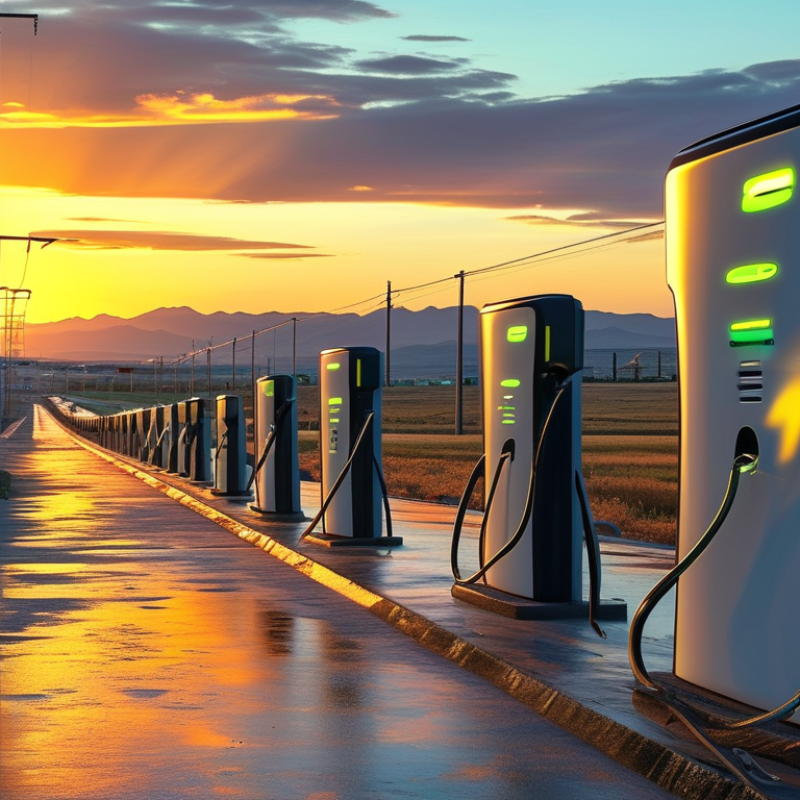
Charging stations play a vital role in promoting electric vehicle (EV) adoption. These stations provide the necessary infrastructure to support a growing number of EVs. By increasing access to charging points, they alleviate range anxiety among potential users. A robust network of charging stations builds consumer confidence in electric vehicles.
Despite the benefits, challenges remain. Many areas lack sufficient charging infrastructure, making it hard for users to transition. Urban centers typically feature more stations than rural locations. This imbalance can discourage EV adoption in less populated regions. Furthermore, charging times can be longer than filling a traditional fuel tank, which requires users to adjust their habits.
Moreover, the sustainability of charging stations hinges on the energy source. If they rely on fossil fuels, the environmental benefits diminish. Public awareness of these issues is crucial. Engaging communities about the importance of renewable energy for charging stations fosters more informed decisions. This engagement can also drive local investments in cleaner energy solutions.
Types of Charging Stations and Their Impact on Accessibility
The rise of electric vehicles (EVs) brings a need for diverse charging stations.
Fast charging stations can provide up to 80% battery capacity in about 30 minutes.
This rapid recharge transforms how users incorporate EVs into their daily lives.
Accessibility is key for widespread adoption.
Public charging stations increase access in urban and rural areas.
According to a report by the International Energy Agency, the number of public charging points doubled in 2020 alone.
However, challenges remain. Many regions still suffer from limited infrastructure.
Rural areas, in particular, often lack sufficient charging options, leading to range anxiety among potential EV users.
Education on charging options is crucial.
Many consumers remain unaware of the types of charging stations available.
Level 1, Level 2, and DC fast chargers serve different needs.
Misunderstanding these can hinder EV growth.
Moreover, installation costs can deter potential investors.
It affects how quickly we can establish a robust network.
As we develop more strategies, addressing accessibility and education will remain vital.
Integration of Charging Infrastructure with Renewable Energy Sources
The integration of charging infrastructure with renewable energy sources plays a crucial role in promoting sustainable transportation solutions. As cities invest in electric vehicle (EV) charging stations, renewable sources like solar and wind come into play. These sources can power charging stations, reducing reliance on fossil fuels. Imagine a network of solar panels feeding energy directly to a nearby charging hub, allowing for a truly green energy loop.
However, this transition is not without challenges. Many charging stations still rely on conventional energy grids. This dependency limits their potential to fully embrace sustainability. It raises questions about the availability and storage of renewable energy. Infrastructure must adapt quickly to meet fluctuating energy demands. Energy policies also need to improve, ensuring better integration of renewables into the grid.
Planning for charging infrastructure also poses difficulties. Urban spaces are crowded, making installations complex. Local governments face pressure to balance space and energy needs. Public awareness of EV benefits can influence successful integration of renewables. Education on sustainable practices is essential for community buy-in. Overall, this journey towards a greener transportation future requires thoughtful collaboration and unwavering commitment.
Economic Benefits of Expanding Charging Station Networks
The expansion of charging station networks offers significant economic advantages. More charging stations create greater accessibility for electric vehicle (EV) users. This accessibility can lead to increased EV adoption, which benefits both consumers and the economy. Local businesses near charging stations can attract more customers who need to charge their vehicles. This boost can stimulate economic activity in those areas.
Moreover, a robust network of charging stations encourages investment in green technologies. As more charging infrastructure is built, jobs are created in construction, maintenance, and technology sectors. This growth can have a cascading effect on the local economy. However, the challenge lies in the initial costs of setting up this infrastructure. Some regions may struggle to fund these projects, which can lead to uneven access and economic disparities.
Improving charging station networks also involves planning and collaboration among various stakeholders. Governments, businesses, and community organizations must work together to design effective solutions. This collaboration can lead to innovative solutions, but it also requires a willingness to adapt. Stakeholders must remain open to feedback and new ideas to ensure the network meets evolving demand effectively.
How Do Charging Stations Enhance Sustainable Transportation Solutions? - Economic Benefits of Expanding Charging Station Networks
| Dimension |
Data |
| Number of Charging Stations |
50,000 |
| Annual Revenue (Estimated) |
$1.5 Billion |
| Jobs Created (Estimate) |
20,000 |
| CO2 Emissions Reduced (tons/year) |
1.2 Million |
| Average Charging Time |
30 Minutes |
| User Satisfaction Rate |
85% |
| Cost Savings to Consumers (Average/year) |
$400 |
Challenges and Solutions in Developing Charging Station Infrastructure
Developing charging station infrastructure presents significant challenges. A primary issue is the need for adequate space. Urban areas often lack available land. This situation complicates the installation of charging points. Another concern involves costs. Building and maintaining charging stations can be expensive. Funding sources are not always clear, which hinders growth.
Moreover, user accessibility remains a hurdle. Stations must be conveniently located for users. If charging points are too far apart, it discourages electric vehicle adoption. The varying types of chargers contribute to confusion. Standardization could simplify the experience for drivers. Additionally, the integration of charging stations with existing power grids is complex. Issues with grid capacity and renewable energy sources need addressing.
Improving public awareness is vital. Many potential users remain uninformed about charging options. Educational campaigns could promote understanding. Local governments and communities must work together to tackle these obstacles. Collaboration can lead to innovative solutions. Researching infrastructure development can reveal best practices. Addressing these challenges is crucial for sustainable transportation.
Conclusion
Charging stations play a crucial role in enhancing sustainable transportation solutions by promoting the adoption of electric vehicles (EVs). By providing convenient access to charging facilities, different types of charging stations improve accessibility for various users, encouraging more individuals to transition to eco-friendly transportation options. Furthermore, the integration of charging infrastructure with renewable energy sources supports the reduction of carbon emissions, aligning electric mobility with environmental sustainability.
The expansion of charging station networks also brings significant economic benefits, creating jobs and driving growth in the renewable energy sector. However, developing this infrastructure presents challenges, including funding and logistical concerns. Addressing these issues through innovative solutions is essential to maximize how charging stations support sustainable transportation. Ultimately, a well-developed charging network is vital for the future of clean transportation, facilitating a shift towards greener commuting practices.

 Orange Energy