How Do Charging Stations Work with Renewable Energy in 2026?

Time:2026-05-31 Author:Amelia
0%

In 2026, the integration of renewable energy into charging stations is more critical than ever. How do charging stations integrate with renewable energy? This question reflects our transition towards sustainable practices. As electric vehicle usage rises, charging infrastructure must adapt.

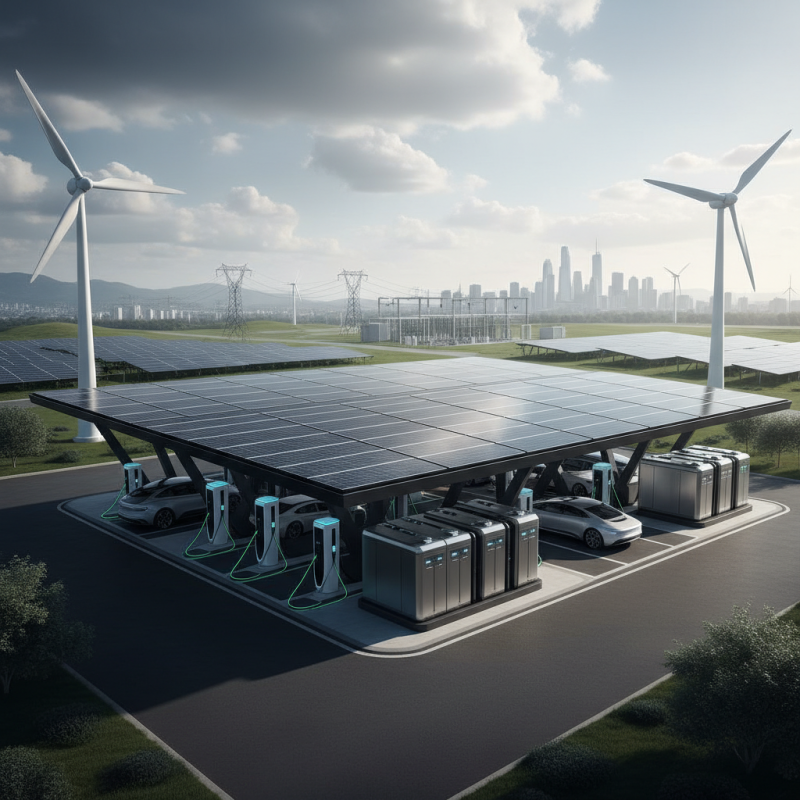
Solar panels are commonly seen on many stations. These panels help generate clean energy. Wind turbines are another option, capturing natural energy flows. However, the reliance on weather can be a challenge. A sunny day provides ample energy, yet cloudy conditions reduce efficiency. Storage systems, like batteries, come into play. They store excess energy for later use, ensuring a continuous power supply.

The grid also plays an essential role. Many stations connect to local grids that source renewable energy. This creates a shared platform for clean electricity. However, this system can falter during peak demand times. Adapting to these fluctuations is vital. Issues arise when energy supply does not match consumption needs. Understanding these dynamics is crucial as we strive for a cleaner future.
How Do Charging Stations Work with Renewable Energy in 2026?

Overview of Renewable Energy Integration in Charging Stations

Charging stations are increasingly integrating renewable energy sources to meet growing demand. In 2026, solar and wind power dominate this trend. According to the International Energy Agency, over 50% of new charging stations are expected to utilize renewable energy by 2026. This shift not only reduces greenhouse gas emissions but also stabilizes energy costs.

The integration process is complex. Many stations feature solar panels that generate electricity on-site. Local energy grids support these installations, providing backup energy when sunlight is insufficient. In addition, battery storage systems are often used. They store excess energy for use during peak demand times. Reports indicate that stations with energy storage can enhance efficiency by up to 30%.

Despite progress, challenges remain. Variability in renewable energy supply can cause inconsistent charging availability. Some stations struggle with energy management systems that balance real-time demand and available renewables. As the technology matures, continuous improvements will be necessary. The ultimate goal is a seamless link between electric vehicle infrastructure and renewable energy systems. Users will demand reliability alongside sustainability in their charging experiences.

Key Technologies Enabling Renewable Energy in EV Charging

Charging stations are evolving rapidly, especially with the integration of renewable energy sources. In 2026, major advances in solar power and wind energy technology will play crucial roles. These technologies allow charging stations to harness natural energy more efficiently. Solar panels can significantly reduce reliance on the grid. Meanwhile, wind farms contribute additional energy that can be stored.


Smart charging technology is another key player. This system optimizes when and how electric vehicles (EVs) charge. It helps balance energy demand and supply. For instance, charging during peak sunlight or wind hours increases sustainability. Moreover, energy storage systems like batteries help manage energy flow. They ensure a steady supply even when renewable sources fluctuate.


However, challenges remain. Infrastructure must catch up with technology. Not all areas will have equal access to renewable energy. Additionally, logistical issues arise in energy distribution. These hurdles require ongoing innovation and collaboration. The future of EV charging relies on reliable renewable energy and smart technologies working together.

Benefits of Using Renewable Energy for Electric Vehicle Charging

As electric vehicle (EV) adoption rises, the synergy between charging stations and renewable energy becomes increasingly significant. Harnessing energies such as solar and wind, these systems can dramatically reduce emissions. By relying on clean sources, communities can minimize their carbon footprint while supporting sustainable development.

Using renewable energy for EV charging presents numerous benefits. It offers cost savings in the long term, even though initial setup costs may be higher. Solar panels, for instance, can generate energy during peak sunlight hours, potentially powering multiple EVs during the day. This optimization of energy use leads to higher efficiency and lower dependence on fossil fuels.

When setting up a charging station, consider integrating renewable energy sources. Evaluate local energy resources like wind or solar power. Investing in energy storage systems is also advisable. These systems ensure that energy generated during peak times can be utilized when demand is high. Performance monitoring is essential; making adjustments as necessary will enhance overall system effectiveness. Remember, while moving toward greener solutions, it’s crucial to remain aware of the challenges and imperfections in these technologies.

Challenges and Solutions in Implementing Green Charging Stations

In 2026, green charging stations face numerous challenges. The integration of renewable energy sources into charging infrastructure is complex. Many stations struggle with fluctuating energy availability. For instance, solar energy depends on weather conditions. Wind energy can be inconsistent as well. This variability complicates energy sourcing and storage.

Battery storage solutions have emerged as a potential remedy. They can help balance energy supply and demand. However, the initial costs of these battery systems can be prohibitive. Many operators question the return on investment. Effective management of these resources is crucial. It requires advanced forecasting and grid management technologies.

Moreover, local regulations can hinder the development of green charging stations. Areas may lack the necessary infrastructure for renewable energy integration. It can lead to delays and increased costs for operators. Addressing these regulatory challenges requires collaboration between public and private sectors. Innovation in technology and policy will be necessary to create a more efficient, reliable network of green charging stations.

Charging Stations with Renewable Energy in 2026

This chart illustrates the percentage of energy sources utilized in green charging stations by 2026. The data represents five different renewable energy sources used to power charging stations, highlighting the shift towards sustainable energy solutions.

Future Trends and Innovations in Renewable Energy for Charging Stations

The future of charging stations in 2026 is set to be transformed by innovative renewable energy solutions. Solar panels will be integrated directly into charging stations. This allows energy collection during daylight hours, supporting sustainable electric vehicle (EV) charging. Wind energy could also play a role, with small wind turbines providing clean power.

Energy storage systems are vital. They will help manage the intermittent nature of renewable sources. Battery technologies are continuously evolving to store energy more efficiently. Despite progress, challenges persist. The infrastructure for widespread adoption must be addressed. Significant investment is needed to redesign grids.

Moreover, smart technology will connect charging stations to the grid. This facilitates real-time energy management. Users could see energy prices fluctuate based on demand. These innovations promise a cleaner future but also raise questions about equity. Access to charging stations must remain fair. Balancing technology and accessibility is essential for a sustainable energy transition.

FAQS

: What renewable energy sources are most commonly used in charging stations?

: Solar and wind power dominate the renewable energy landscape in charging stations.

How much of the new charging stations will use renewable energy by 2026?

Over 50% of new charging stations are expected to utilize renewable energy by 2026.

What role do energy storage systems play in charging stations?

Energy storage systems, like batteries, store excess energy for peak demand, improving efficiency by up to 30%.

What are the challenges faced by charging stations integrating renewable energy?

Inconsistent charging availability and energy management systems are significant challenges for many stations.

How does smart charging technology benefit electric vehicle users?

Smart charging optimizes when EVs charge, ensuring balance between demand and renewable supply.

Why is infrastructure important for the integration of renewable energy in charging stations?

Infrastructure must evolve to support technology; not all areas have equal access to renewable resources.

What is the ultimate goal of integrating renewable energy in charging stations?

The goal is a seamless connection between electric vehicle infrastructure and renewable energy systems.

How do solar panels affect energy reliance for charging stations?

Solar panels significantly reduce reliance on the traditional energy grid for charging stations.

What is a potential downside to renewable energy integration in EV charging?

Variability in renewable energy supply may lead to inconsistent charging experiences for users.

What can enhance the efficiency of charging stations using renewable energy?

Stations that incorporate energy storage systems can enhance their efficiency significantly.

Conclusion

In 2026, the integration of renewable energy in charging stations has become a pivotal aspect of sustainable electric vehicle (EV) infrastructure. To understand how do charging stations integrate with renewable energy, it is essential to explore key technologies such as solar panels, wind turbines, and energy storage solutions that enable this synergy. These innovations not only facilitate cleaner charging options but also enhance grid stability and reduce reliance on fossil fuels.

The benefits of utilizing renewable energy for EV charging are numerous, including reduced greenhouse gas emissions and improved energy independence. However, challenges such as initial investment costs and energy management require innovative solutions. As the industry evolves, future trends are likely to focus on advancements in smart grid technology and further integration of diverse renewable sources, paving the way for more efficient and eco-friendly charging stations.

Amelia

Amelia

Amelia is a seasoned marketing professional with a wealth of expertise in our company’s core offerings. With an unwavering passion for driving growth and innovation, she plays a pivotal role in shaping our marketing strategies and enhancing brand visibility. A key aspect of her responsibilities......