The landscape of electric vehicle (EV) charging in China is rapidly evolving. As of 2022, there were over 2.5 million public charging stations in the country. This growth highlights the need for efficient communication between vehicles and charging networks. The central question remains: how do charging networks communicate with vehicles? Understanding this is vital for optimizing charging processes.
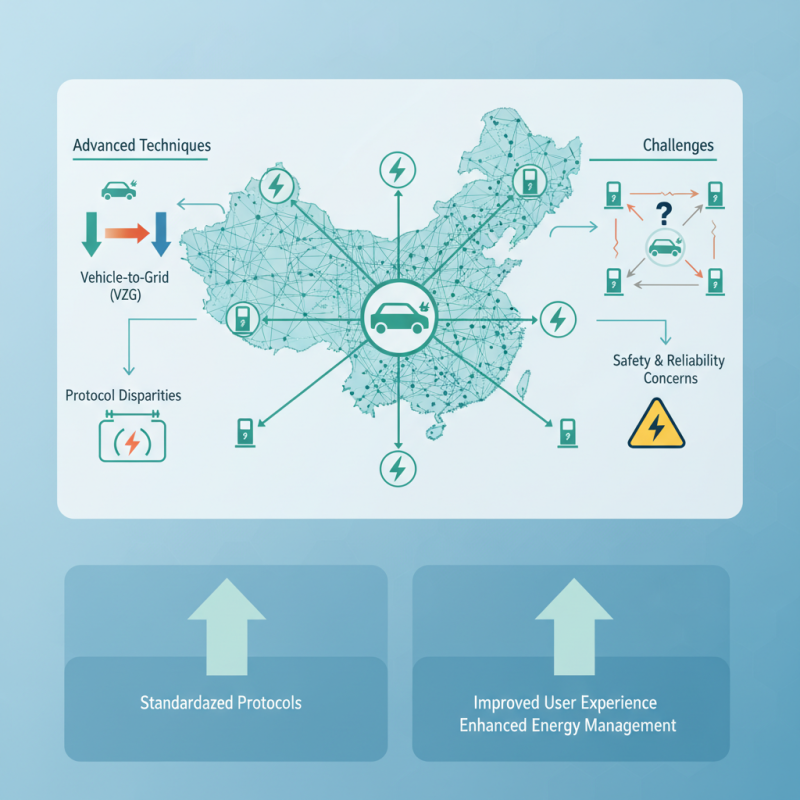
Advanced techniques such as Vehicle-to-Grid (V2G) technology are gaining traction. This tech allows bidirectional flow of energy and data. However, challenges persist. Not all vehicles support V2G. Disparities in communication protocols among different manufacturers complicate the integration. As a result, not every charging network can effectively interact with all EVs.
Moreover, safety and reliability are critical. A report by the International Energy Agency states that miscommunication can lead to inefficient charging and potential hazards. The evolving environment underscores the need for standardized communication protocols. Addressing these issues will enhance user experience, improve energy management, and ultimately support the broader adaptation of EVs in urban areas.
China's electric vehicle (EV) charging network continues to expand rapidly, reflecting the nation's commitment to sustainable transport. As of 2023, there are over 1.6 million charging points across China, according to the China Electric Vehicle Charging Infrastructure Promotion Alliance. This number highlights the robust infrastructure supporting the growing EV market, which saw a 75% increase in sales last year alone.
The communication between charging networks and vehicles plays a crucial role. Most charging stations utilize the industry-standard communication protocol, ensuring interoperability. This allows vehicles to communicate with charging points efficiently. However, inconsistencies in software and user interfaces can create challenges. Drivers often report issues with navigation and payment processes, impacting user experience.
Moreover, the accessibility of charging stations is uneven. While urban areas are well-served, remote regions lag behind. Approximately 30% of new charging installations target urban centers. Rural areas still lack adequate infrastructure. As a result, many EV users express concerns about range anxiety. Addressing these gaps is vital for promoting widespread EV adoption and enhancing user confidence.
Effective communication between vehicles and charging stations is essential for the growth of electric vehicle networks in China. The technology behind this interaction hinges on advanced protocols like ISO 15118 and OCPP. These standards enable secure and efficient data exchange, enhancing user experience. According to the China Electric Vehicle Charging Infrastructure Promotion Alliance, there are over 1.5 million charging stations in China, showcasing the vast landscape of connected platforms.
The industry relies on real-time data to streamline operations and improve service. For instance, Vehicle-to-Grid (V2G) technology allows an electric vehicle to communicate charging needs, automatically adjusting to grid demands. In 2022, studies indicated that approximately 60% of charging stations were capable of V2G interactions, yet many remained underutilized. This indicates a potential gap in awareness and user engagement.
Security remains a critical concern. Effective encryption methods must be in place to protect sensitive data during communication. Inadequate security can lead to vulnerabilities within the charging network. The need for more resilient infrastructure is evident, especially as electric vehicle adoption accelerates. Continuous updates and responsive infrastructures are vital to keep pace with technological advancements.
In the rapidly evolving landscape of electric vehicle charging, effective communication protocols are paramount. These protocols ensure that charging stations and vehicles can exchange essential information. This exchange includes parameters such as battery status, required power levels, and charging duration. A robust communication framework enhances the user experience and promotes efficient energy use.
Various standards guide this interaction. For instance, the ISO 15118 standard facilitates bi-directional communication between EVs and charging stations. This allows vehicles to not only receive power but also return electricity to the grid. However, integrating multiple standards can lead to compatibility issues. These challenges underline the need for continuous improvement in protocol development.
Current systems do have their shortcomings. Not all charging stations support the latest communication technologies. Some may rely on outdated protocols, limiting their functionality. As the industry matures, addressing these gaps becomes crucial. Future developments should focus on enhancing interoperability and boosting the overall reliability of the charging network. This continual evolution is vital for meeting growing energy demands.
| Communication Protocol | Standard Version | Data Transfer Rate (Mbps) | Supported Features |
|---|---|---|---|
| OCPP (Open Charge Point Protocol) | 2.0.1 | Up to 10 | Remote Firmware Management, Smart Charging |
| ISO 15118 | 1.0 | Up to 100 | Plug & Charge, Vehicle-to-Grid Communication |
| GB/T 27930 | 2015 | Up to 10 | Charging Station Interoperability, Remote Control |
| TELEMATICS | N/A | Varies | Real-time Data Monitoring, Analytics |
The efficiency of charging stations largely hinges on the use of real-time data. Vehicles equipped with connected technology can communicate vital information regarding their energy needs. This data allows charging networks to adjust to fluctuating demand. According to a recent report, stations utilizing real-time insights can improve their operational efficiency by up to 30%.
Real-time data enables a more dynamic charging infrastructure. Stations can prioritize high-demand vehicles, reducing wait times. However, implementation is not without challenges. Many networks face issues like data privacy concerns and integration difficulties. A study found that 40% of users hesitate to share information due to these worries.
Moreover, while the technology exists, lagging infrastructure can hinder overall performance. Many charging points are still not capable of handling rapid data exchange. As a result, performance lags behind potential improvement. A focus on integrating advanced technologies is essential. Miscommunication between vehicles and stations can lead to inefficiencies. Continuous evaluation is crucial to refining these systems.
The interaction between vehicles and charging networks is evolving rapidly. In the near future, communication will become more sophisticated. Vehicles will send data about their battery status and required charging time to the network. This real-time information will help locate the nearest available charging station urgently.
Smart charging systems will also adapt to the user's habits. For instance, if someone usually charges at night, the network will prioritize low rates during that time. However, this raises concerns about privacy and data security. Collecting user data always requires ethical considerations.
As technology advances, so will the complexity of interactions. Charging stations may need upgrades to handle increased data flow. Not all stations may adapt effectively, leading to reliability issues. The key will be a balance between innovation and practicality, ensuring the system meets the diverse needs of drivers while maintaining efficiency.
: Communication protocols ensure vehicles and charging stations exchange essential information for a better charging experience.
China has over 1.5 million charging stations, highlighting a large network of connected platforms.
V2G technology allows electric vehicles to communicate their charging needs and adjust to grid demands automatically.
Security protects sensitive data during communication. Inadequate security can create vulnerabilities in the network.
Not all stations support the latest technologies, which limits functionality and may lead to user frustration.
Continuous updates and improvements in protocols can enhance interoperability and reliability in charging networks.
Many users are unaware of V2G capabilities, leading to underutilization of available resources at charging stations.
Outdated protocols may hinder charging efficiency, affecting the overall user experience during vehicle charging.
Encryption methods protect data integrity during communication, making it harder for unauthorized access or data breaches.
Future efforts should enhance interoperability and reliability to meet the growing energy demands of electric vehicles.
China's electric vehicle (EV) charging network has rapidly evolved, creating a sophisticated landscape where efficiency and communication are paramount. A critical aspect of this network is understanding "how do charging networks communicate with vehicles." This interaction is facilitated by advanced technologies that leverage various protocols and standards designed to ensure seamless communication between EVs and charging stations.
Real-time data exchange plays a pivotal role in optimizing charging station efficiency, allowing for better energy management and user experience. As the EV market continues to grow, future trends indicate a move towards more integrated communication systems that will enhance vehicle charging interactions, ultimately leading to smarter and more efficient charging solutions across China.

Orange Energy