As electric vehicles (EVs) gain popularity, cities face challenges in establishing effective public charging networks. Understanding how do cities plan public EV charging networks is crucial for promoting sustainable transportation. With the right strategies, urban planners can create accessible and efficient solutions for all residents.
Many urban areas are still in the early stages of development regarding EV infrastructure. Limited resources and lack of data can impede progress. However, successful cities rely on collaboration between public and private sectors. By pooling knowledge and resources, they can build a robust network of charging stations.
Real-world examples show that community engagement plays a vital role. Residents need to voice their needs and preferences. Feedback can guide placements of charging stations, ensuring convenience. Cities must reflect on their approaches and adapt to the evolving landscape of EV adoption. This ongoing dialogue can help inform better practices in the future.
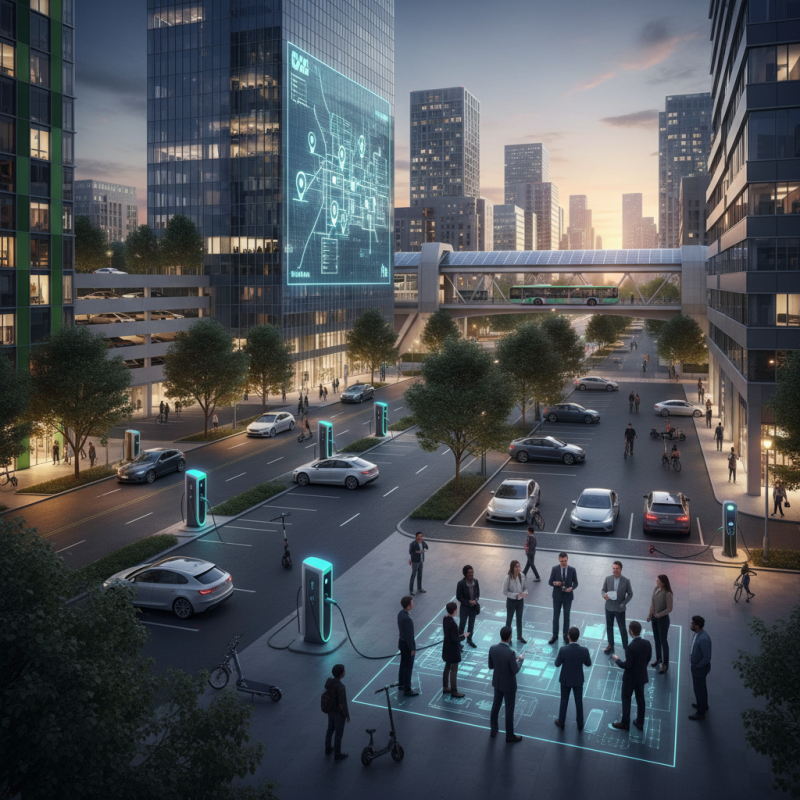
Best Practices for Urban EV Charging Infrastructure Development
Cities are facing a growing need to develop effective public EV charging networks. As urban areas expand, so does the demand for sustainable transport options. According to a report from the International Energy Agency, global electric vehicle sales surged almost 40% in 2021. This spike indicates the urgent requirement for accessible charging infrastructure.
To build robust EV charging networks, cities should prioritize location. Placing chargers near high-traffic areas can increase usage rates. A survey showed that 70% of EV users prefer chargers within a five-minute walk of their destination. This accessibility is vital for enhancing user experience and encouraging EV adoption.
Tip: Assess existing infrastructure when planning. Understanding where residents travel can inform strategic charger placement.
Furthermore, engaging with local communities is essential. Public input can reveal the specific needs of each neighborhood. This grassroots involvement fosters trust and ensures that charging solutions are effective. The potential growth of EVs relies on user confidence in accessibility.
Tip: Incorporate feedback mechanisms in planning to adapt to changing community needs.
Cities must also consider
renewable energy sources for charging stations. Investing in solar or wind-powered stations can make networks greener, appealing to environmentally conscious users. It’s crucial to reflect on current limitations. Not all areas have the same resources, which can affect implementation. By recognizing these challenges, cities can create more equitable charging networks.
Understanding the Role of Stakeholders in EV Charging Network Planning
Cities face unique challenges when planning public EV charging networks. Stakeholders play a crucial role in this process. Local governments, utilities, and residents must collaborate to create efficient systems. Understanding their perspectives helps address various needs. Local authorities prioritize infrastructure, while utility companies focus on energy supply and reliability.
Engagement with residents can reveal valuable insights. Surveys and community forums allow people to voice their concerns. However, disagreements can arise over charging locations and accessibility. Some residents may worry about congestion or loss of parking spaces. Addressing these issues requires careful consideration and compromise.
It’s essential to create a balanced approach. This may involve pilot projects to test different strategies. Stakeholders must regularly revisit their plans based on community feedback. Continuous dialogue ensures that the evolving needs of all parties are met. Ultimately, fostering relationships between stakeholders strengthens the backbone of effective EV charging networks.
Analyzing Geographic and Demographic Factors in Charging Station Placement
The placement of public EV charging stations hinges on geographic and demographic factors. Urban planners face unique challenges. High-density areas require more charging options. Understanding where drivers live and work is crucial. Sensors and surveys can provide valuable insights.
Geographic diversity plays a role in planning. Coastal cities may prioritize different locations compared to inland regions. Traffic patterns should be analyzed to determine optimal charging station placements. Accessibility must be a priority. Some neighborhoods lack adequate infrastructure. It can lead to disparities in EV adoption. There’s a need for equitable solutions.
Demographics influence charging station needs. Areas with higher income levels may adopt EVs faster. However, many low-income neighborhoods can be overlooked. Underestimating these areas can lead to charging deserts. Planners must engage local communities for effective strategies. They need to address concerns and gather feedback. Ultimately, cities must adapt and rethink their approaches in this rapidly evolving landscape.
How Do Cities Effectively Plan Public EV Charging Networks? - Analyzing Geographic and Demographic Factors in Charging Station Placement
| City |
Population |
Area (sq mi) |
Number of Charging Stations |
Percentage of EVs |
Distance to Nearest Station (miles) |
| City A |
1,000,000 |
60 |
150 |
5% |
1.2 |
| City B |
500,000 |
40 |
75 |
3% |
0.8 |
| City C |
750,000 |
55 |
100 |
4% |
0.6 |
| City D |
300,000 |
25 |
40 |
2% |
1.5 |
| City E |
200,000 |
30 |
20 |
1.5% |
2.0 |
Leveraging Data Analytics for Effective EV Charging Network Design
Effective electric vehicle (EV) charging networks require careful planning. Cities must leverage data analytics to design these networks. Analyzing traffic patterns, population density, and historical charging data can reveal where to place chargers. This data-driven approach ensures that charging stations meet the needs of drivers.
However, relying solely on data may not be enough. Urban planners must also consider local communities. Engaging with residents can provide insights that data alone cannot. Sometimes, data fails to capture the unique needs of different neighborhoods. Planners should balance analytics with community feedback for a holistic strategy.
Moreover, ongoing evaluation of charging networks is essential. Data from initial deployments can guide future expansions.
If certain charging locations are underutilized, it might indicate poor placement or inadequate promotion. Reflecting on these outcomes can lead to adjustments for better service. It’s a continuous learning process that helps cities enhance their EV infrastructure over time.
Evaluating the Impact of Policy and Incentives on Charging Infrastructure Growth
Cities are rapidly shifting toward electric vehicles (EVs). This transition demands robust public charging networks. Evaluating policies and incentives plays a crucial role in that growth. Effective planning supports a strong infrastructure. Unfortunately, many cities struggle with the initial implementation.
Governments can introduce tax incentives for businesses that install charging stations. Offering subsidies for low-income households can also encourage EV adoption. However, the effectiveness of these programs often varies. Some areas see limited interest or participation. This leads to questions about community engagement in planning.
Moreover, local governments must consider geographical factors. Charging stations need to be strategically placed near high-traffic areas or public transport hubs. Yet, bureaucracy can slow down this critical process. Delays in permitting often stall infrastructure development. Effective collaboration among stakeholders is essential, but it can be challenging. Addressing these issues requires a balance between ambition and practicality.
Conclusion
Cities face the challenge of effectively planning public EV charging networks to support the growing demand for electric vehicles. To achieve this, cities can adopt best practices in urban EV charging infrastructure development, which include ensuring accessibility and convenience for users. Understanding the role of various stakeholders, such as government agencies, utility providers, and private companies, is crucial for collaborative planning and implementation.
Additionally, analyzing geographic and demographic factors is essential for strategic charging station placement, ensuring that stations meet the needs of diverse communities. Leveraging data analytics can enhance the design and efficiency of EV charging networks, helping cities make informed decisions. Finally, evaluating the impact of policies and incentives can drive the growth of charging infrastructure, creating a supportive environment for EV adoption. Overall, cities can effectively plan public EV charging networks by considering these interconnected factors.

 Orange Energy