What is the Difference Between Public and Commercial EV Charging?

Time:2026-07-26 Author:Charlotte
0%

In recent years, the demand for electric vehicles (EVs) has surged. As this industry grows, understanding the charging infrastructure becomes crucial. Many drivers wonder: what is the difference between public and commercial EV charging?

Public EV charging stations are typically found in convenient locations, such as shopping centers and parks. These stations aim to serve all EV users, promoting accessibility. However, the availability can vary widely. Some public chargers may remain in high demand, leading to long wait times.

On the other hand, commercial EV charging is often tailored for specific businesses. These chargers may be found at workplaces or fleet facilities. Commercial charging can offer advantages, such as faster charging speeds or dedicated spots for employees. Nonetheless, not all businesses invest in charging solutions, leaving gaps in necessary infrastructure. Both public and commercial options have benefits and limitations that warrant exploration. Understanding these differences helps consumers make informed decisions.
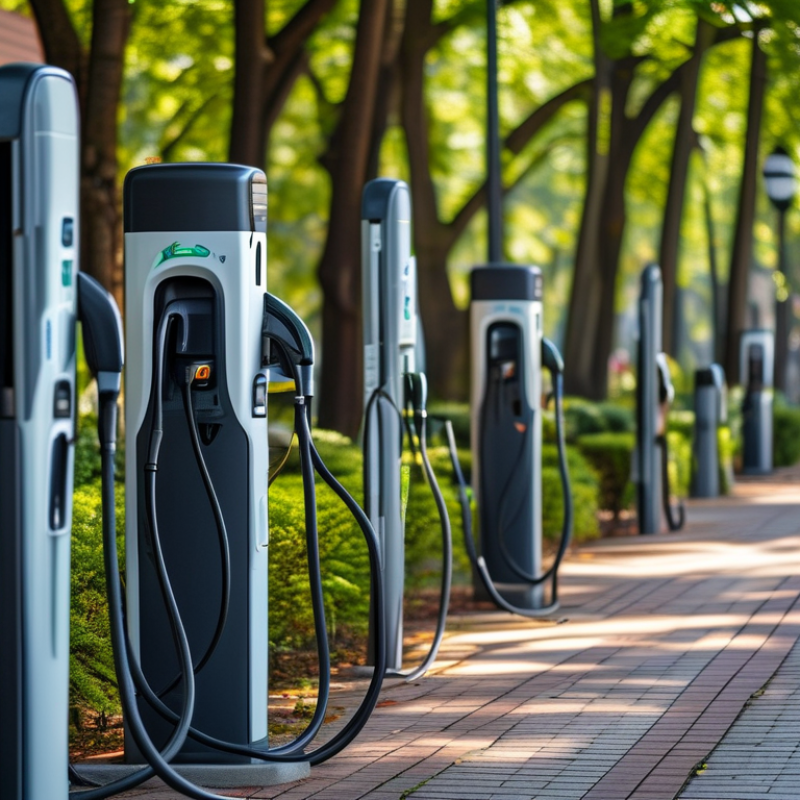
What is the Difference Between Public and Commercial EV Charging?

Definition of Public EV Charging

Public EV charging refers to electric vehicle charging stations that are accessible to all EV users. These stations can be found in various locations, such as shopping centers, public parking lots, and highways. Their convenience plays a vital role in encouraging electric vehicle adoption. Public charging infrastructure supports long-distance travel and daily commutes. It is essential for urban planning and sustainability efforts.

When using public EV chargers, here are some tips to keep in mind. Always check the charger’s compatibility with your vehicle. Some chargers offer fast charging, while others may take longer. Be patient if the charger is busy. It is important to follow the posted rules at charging stations. Improper use can lead to fines or block access for others.

Understanding the nuances of public charging is crucial. A few users might find it challenging to locate stations that meet their needs. Always plan ahead. Usage patterns can fluctuate, and chargers may not always be available when you arrive. Keep local charging apps handy. They can help you navigate and monitor station availability.

Definition of Commercial EV Charging

Commercial EV charging is designed for businesses to serve electric vehicle owners. It is different from public charging, primarily focused on access and usage. Businesses, such as shopping centers or hotels, often install these chargers to attract customers and enhance their experience. They usually charge for electricity, creating a revenue stream.

These chargers can be found in various locations, including parking lots and fleet depots. They cater to both individual consumers and commercial fleets. The infrastructure may include high-speed chargers for quick charging sessions. Users often expect reliability, and businesses must ensure well-maintained equipment.

The implementation of commercial EV charging is not without challenges. Some companies struggle with the initial investment costs. Others face logistical issues, like power supply constraints and space limitations. These aspects require careful planning and consideration. Establishing charging stations can be a tough journey, yet its necessity grows with the rising number of electric vehicles.

Key Features of Public EV Charging

Public EV charging stations serve a critical role in the transition to electric mobility. According to the International Energy Agency (IEA), global public charging points exceeded 1.3 million in 2021, reflecting significant growth. These charging stations are strategically placed in urban areas, along highways, and in parking lots to support EV users. The convenience they offer enhances the EV driving experience, allowing for longer journeys without the anxiety of running out of charge.

Key features of public EV charging include varying charge speeds. Level 2 chargers typically provide around 6.6 kW, making them suitable for overnight charging. Fast chargers, on the other hand, can deliver up to 350 kW. This wide range facilitates rapid top-ups during short breaks. Additionally, many public stations offer payment flexibility, including smartphone apps and contactless payment options. A large percentage of users appreciate these services, indicating that convenience drives usage.

Despite the advances, challenges remain. Accessibility can be inconsistent, with some regions lacking sufficient charging infrastructure. Furthermore, the reliability of charging stations is sometimes questioned, leading to frustration among drivers. According to a recent survey, 18% of EV users reported difficulties in finding working chargers during their travels. As charging networks expand, addressing these issues could improve user experience and foster greater adoption of electric vehicles.

Key Features of Commercial EV Charging

Commercial EV charging offers several distinctive features compared to public charging. One key aspect is accessibility. Commercial charging stations are often located at businesses, providing convenient options for employees and customers. This accessibility encourages the adoption of electric vehicles and supports a growing green initiative in urban areas.

Another important feature is reliability. Commercial EV chargers are typically maintained by businesses invested in providing quality services. This ensures that charging stations are operational and up-to-date. Users can expect a consistent experience, unlike some public stations that might be unreliable or poorly maintained.

Furthermore, the speed of charging plays a critical role. Commercial chargers often utilize advanced technology, enabling faster charge times. This is especially beneficial for businesses offering charging as an amenity. However, there can be limitations, such as restricted access during peak hours. It’s essential for users to plan their charging needs accordingly. Overall, understanding these features can help both businesses and EV owners make informed decisions about charging infrastructure.

What is the Difference Between Public and Commercial EV Charging? - Key Features of Commercial EV Charging

Feature Public EV Charging Commercial EV Charging
Accessibility Open to all EV drivers Reserved for employees or customers
Payment Options Credit card, mobile apps Company accounts, subscriptions
Charging Speed Varies (Level 2 to DCFC) Typically faster, often DCFC
Location Public parking areas, highways Businesses, fleets, and workspaces
Usage Monitoring Public access data only Detailed usage tracking for optimization
Installation Cost Lower as it’s often government funded Higher due to equipment and infrastructure

Comparative Advantages of Each Charging Type

When considering EV charging options, it’s vital to understand public and commercial charging. Public charging stations are typically found in publicly accessible areas like parking lots or along highways. They cater to all EV users, offering convenience for those on the go. These stations often have higher power outputs, allowing for quicker charging times.

In contrast, commercial charging networks are usually installed in dedicated spaces like retail stores or corporate locations. These are designed with business models in mind. They may offer membership benefits and rewards to encourage customer loyalty. Additionally, businesses can use these stations to attract EV drivers, potentially increasing foot traffic and sales.

Tips: Consider using charging apps to locate nearby charging stations. This can save time on your journey. Always check the station's availability before heading out. Not all stations function the same, and some may require a membership. This inconsistency can be frustrating.

When utilizing either type of charger, the charging speed might vary significantly. Some public stations may experience congestion during peak hours, leading to longer wait times. Understanding these differences can help in choosing the right charging solution for your needs.

FAQS

: What is commercial EV charging?

: Commercial EV charging is designed for businesses to provide services for electric vehicle owners.

Where can commercial EV chargers be found?

They are typically located in parking lots, hotels, and fleet depots.

What are the benefits for businesses installing EV chargers?

Businesses can attract customers and create a new revenue stream by charging for electricity.

What challenges do companies face when implementing EV charging?

Initial investment costs, power supply issues, and space limitations pose challenges for businesses.

What features are common in public EV charging stations?

Public chargers offer varying speeds, payment options, and are often strategically placed for convenience.

How fast do different types of public chargers operate?

Level 2 chargers offer about 6.6 kW, while fast chargers can deliver up to 350 kW.

Why do some EV users experience frustration with charging stations?

Users often encounter reliability issues and struggle to find working chargers during their travels.

What is a common user concern regarding EV charging?

Accessibility is inconsistent, with some areas lacking sufficient charging infrastructure.

How does payment flexibility impact charging station usage?

Many users appreciate diverse payment methods, enhancing convenience and encouraging usage.

Is the expansion of charging networks enough to address user frustrations?

While networks are growing, improving reliability and accessibility is essential for user satisfaction.

Conclusion

Public and commercial EV charging serve distinct purposes within the electric vehicle ecosystem. Public EV charging typically refers to charging stations that are accessible to anyone, often located in public areas such as parking lots, streets, or shopping centers. These stations are designed to provide convenience for everyday users, emphasizing ease of access and availability to support the broader adoption of electric vehicles.

On the other hand, commercial EV charging focuses on serving businesses and fleet operations, offering specialized solutions for companies that require reliable charging infrastructure for their vehicles. Key features of commercial charging include faster charging times, power management systems, and often, the ability to support multiple vehicles simultaneously. In understanding "what is the difference between public and commercial EV charging," it's clear that while public charging aims to enhance accessibility for individual drivers, commercial charging prioritizes efficiency and scalability for businesses, highlighting the different needs within the EV charging landscape.

Charlotte

Charlotte

Charlotte is a seasoned marketing professional with a deep understanding of the company's portfolio and a passion for elevating its presence in the market. With a keen eye for detail and a commitment to excellence, she ensures that our professional blog is regularly updated with insightful articles......