In recent years, the trend of combining electric vehicle (EV) chargers with advertising displays has gained substantial traction. Understanding "why are EV chargers being combined with advertising displays" reveals a nexus between sustainability and business innovation. This approach benefits both EV users and brands seeking new advertising avenues.
The integration serves multiple purposes. It maximizes the use of urban space, transforming charging stations into potential revenue generators. Advertisers gain access to a growing, environmentally-conscious audience. However, it's essential to acknowledge the challenges. Critics argue that distractions may pose risks for drivers. Additionally, the technology requires careful consideration of user privacy and data security. Balancing commercial interests with consumer safety is crucial.
As cities evolve, the landscape of public charging needs to adapt. Striking a balance between functionality and aesthetics can enhance user experiences. Thus, as we explore this topic, we uncover the complexities of merging advertising with EV infrastructure. The implications are far-reaching and deserve thoughtful discussion.
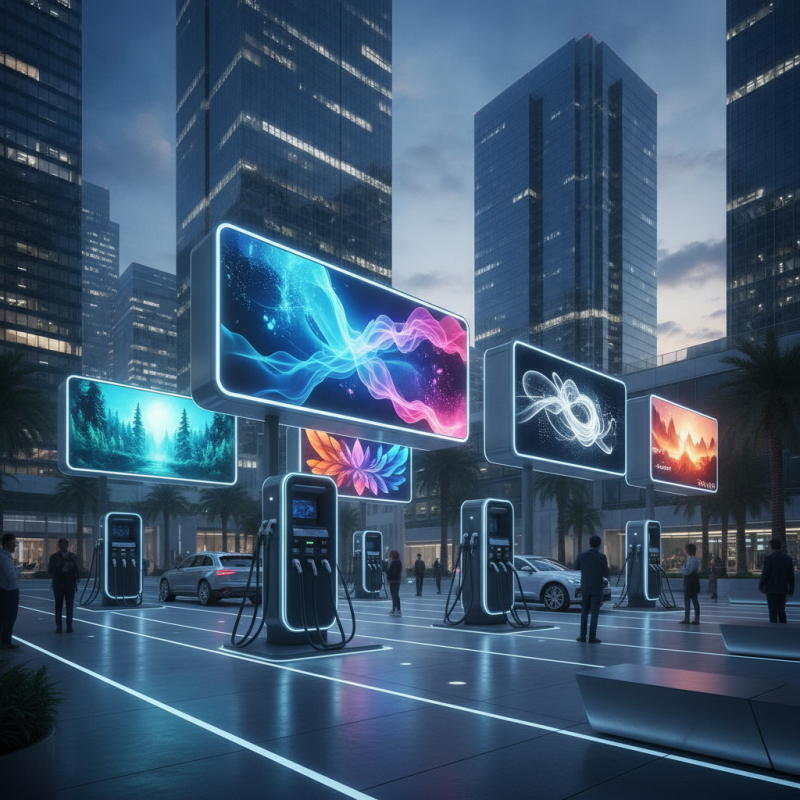
Benefits of Combining EV Chargers with Advertising Displays
The integration of EV chargers with advertising displays offers numerous advantages. This setup serves a dual purpose, providing essential charging for electric vehicles while generating revenue through strategic advertisements. As more drivers switch to electric vehicles, the demand for charging infrastructure rises. By combining these chargers with advertising, we can utilize high-traffic areas effectively.
These displays can promote local businesses, upcoming events, or public service announcements. The visibility is high, and many people spend time near charging stations. It creates a dynamic advertising platform that can adjust content based on the audience. However, not every advertisement resonates with every passerby. There’s a fine line between informative content and overwhelming noise. Striking the balance is crucial for effectiveness.
The tech isn’t flawless. Some advertisers may not understand their audience well, leading to ineffective campaigns. On the other hand, environmental concerns can accompany this model. Are we prioritizing commercial interests over the need for sustainable energy solutions? These are valid points worth exploring as this trend evolves.
Technological Integration: How EV Chargers Support Digital Advertising
The integration of EV chargers with advertising displays represents a fascinating convergence of technology and marketing. These dual-purpose stations provide electric vehicle owners not just with a place to charge their cars, but also exposure to targeted advertisements. This synergy cultivates a unique environment where drivers engage with brands while they wait.
Digital advertising on EV chargers allows businesses to reach eco-conscious consumers. Advertisers can tailor content based on location and time, enhancing relevance. For example, a charger in a busy shopping district might display promotions for nearby stores. However, there are challenges. The effectiveness of advertising may vary by the demographics of the charging station's users. Not every location will attract the same audience.
As people increasingly rely on EV infrastructure, the potential for these displays grows. Yet, companies face questions about viewer engagement and ad placement. How long do drivers actually look at ads while charging? Insights into user behavior will guide future advertising strategies. This dynamic field requires continual adaptation to both technology and consumer preferences.
Target Audience: Reaching Electric Vehicle Drivers Through Advertising
As electric vehicle (EV) adoption continues to rise, targeting EV drivers through advertising becomes increasingly important. The combination of EV chargers and advertising displays presents a unique opportunity. Advertisements can reach a captive audience during charging periods. Drivers often spend time at charging stations, leading to potential engagement with brands.
To effectively reach EV drivers, advertisers must understand their lifestyle. This audience is often eco-conscious and tech-savvy. Utilizing eye-catching visuals and messaging that resonates with these values can enhance campaign effectiveness. Advertisements should focus on sustainability and innovation to align with EV drivers’ interests. Brands must also consider the design of the displays. They should be easy to read and placed strategically near charging areas.
While this approach offers advantages, there are challenges. Not all drivers may appreciate advertising during charge time. Balancing promotional content with user experience is critical. Advertisers need to gather feedback to refine their strategies continuously. Understanding what resonates with this audience will enhance the impact of advertising efforts. Thus, ongoing research and adjustments will ensure that the endeavor remains relevant and effective.
Design Considerations for Effective Advertising on Charging Stations
Designing effective advertising on EV charging stations requires creativity and strategic thinking. Visual appeal is essential. High-resolution images can grab attention quickly. However, they should not overwhelm viewers. Balance is key. If the display is too busy, messages get lost.
Clear and concise text enhances understanding. Short, impactful phrases resonate better than lengthy descriptions.
Location plays a critical role. Advertisements should be positioned at eye level for maximum visibility. If the screen is too high or low, it may be overlooked. Lighting conditions also matter. Daytime visibility is crucial, needing bright and contrasting colors. In contrast, nighttime displays should use softer tones but remain legible.
Additionally, digital content should be dynamic. Rotate messages regularly to keep the content fresh. Yet, too frequent updates can confuse viewers. Some designs end up cluttered and ineffective, which can detract from both the charging experience and the message. Striking the right balance while maintaining clarity is an ongoing challenge. Testing different designs can lead to valuable insights on what works best. Continuously evolving designs is vital in this fast-paced environment.
Future Trends in EV Chargers and Advertising Collaboration
The collaboration between electric vehicle (EV) chargers and advertising displays is gaining traction. According to a report from Grand View Research, the global advertising market for digital billboards is expected to grow by 12% annually. As the EV market expands, this merging of infrastructure and marketing offers unique opportunities.
One key trend is locations. Charging stations are often placed in high-traffic areas. This facilitates advertisements targeting specific demographics. Reports indicate that consumers between 18 and 34 are more receptive to targeted ads. Thus, strategic placement of EV chargers can maximize viewer engagement.
Tips for effective integration include clear messaging and high-quality visuals. Advertisements should promote local businesses or green initiatives. This aligns with the values of EV drivers. Display screens must be well-maintained to avoid glitches or downtime. An ill-timed ad can frustrate potential customers.
Moreover, advertisers should consider data analytics. Understanding user behavior at charging stations is vital. Are users spending longer at charging points? Tailor ads to improve relevance. However, balancing commercial interests and user experience remains a challenge. Brands must refine their strategies continuously.
Conclusion
The integration of EV chargers with advertising displays offers numerous advantages, such as generating additional revenue streams for charging station owners while providing targeted advertising opportunities to reach electric vehicle drivers. This combination taps into a growing market, highlighting why are EV chargers being combined with advertising displays – to maximize the utility of public spaces and enhance the user experience.
Technological advancements facilitate this collaboration, allowing seamless digital advertising on charging stations. By carefully considering design elements, advertisers can create captivating content that resonates with EV drivers. Looking ahead, future trends suggest a closer partnership between EV charging infrastructure and advertising, leveraging data analytics and user engagement to refine campaigns and enrich the overall charging experience.

 Orange Energy