Why is EV Charging Infrastructure Growing Ahead of 2026 Canton Fair?

Time:2026-03-27 Author:Sophia
0%

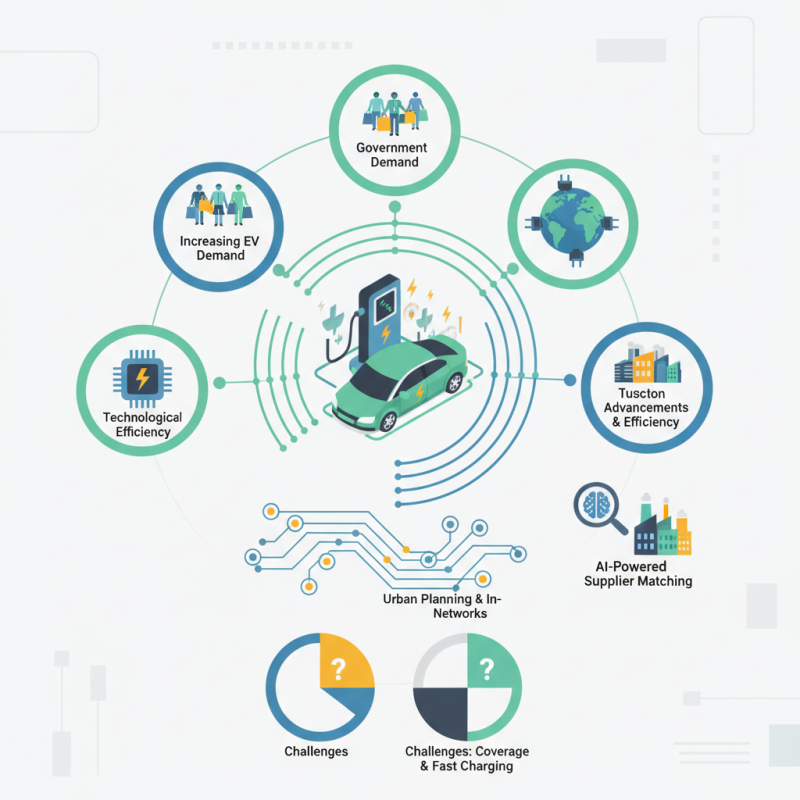
As the 2026 Canton Fair approaches, the question arises: why is EV charging infrastructure growing rapidly? The increasing demand for electric vehicles (EVs) drives this transformation. Consumers are seeking sustainable alternatives to traditional transportation. Governments are also stepping up efforts to support this shift.

Major investments are being made in charging stations worldwide. Companies are recognizing the potential in this emerging market. Advances in technology enhance charging efficiency and accessibility. Electric vehicle adoption is not just a trend; it's becoming essential for urban planning. Interconnected charging networks enable smooth travel, reinforcing infrastructure support.

Furthermore, the Canton Fair's introduction of AI features plays a vital role in effective supplier matching. This brings more suppliers into the EV market. However, challenges persist, such as ensuring adequate coverage and facilitating fast charging. Reflecting on these intricacies can inform future developments in infrastructure growth.
Why is EV Charging Infrastructure Growing Ahead of 2026 Canton Fair?

The Rise of Electric Vehicle Charging Infrastructure in Recent Years

The rise of electric vehicle (EV) charging infrastructure has been notable in recent years. In 2022, global EV sales surpassed 10 million units, with charging stations increasing at a rapid pace. Reports indicate over 1.8 million public charging points worldwide. This growth is outpacing previous estimates, reflecting a shift in consumer demand and government policies favoring EV adoption.

However, challenges remain. Data shows that around 80% of charging still occurs at home. Public charging infrastructure needs to keep up. Accessibility is crucial, yet many regions lack sufficient charging stations. For instance, studies reveal that urban areas show higher deployment than rural regions, leading to disparities in EV adoption rates. It's a complex issue that warrants solutions for equitable access.

As we look toward the 2026 Canton Fair, the emphasis on charging infrastructure is undeniable. The gap between demand and supply is evident. To fully support the accelerating EV market, investments in charging technology and expansion of networks are essential. Stakeholders must address these gaps to create a sustainable future for electric mobility.

Key Factors Driving Growth in EV Charging Stations Ahead of 2026

The rise of electric vehicle (EV) charging infrastructure is gaining momentum as we approach the 2026 Canton Fair. Several key factors contribute to this growth. A significant push from government policies supports the transition to electric mobility. Incentives and subsidies are making EVs more accessible to consumers. Local authorities are keen to expand charging networks, often partnering with private entities.

Another driving force is the increasing public awareness of environmental issues. More people understand the need to reduce carbon footprints. This change in mindset encourages consumers to opt for electric vehicles. The growing concern about air quality in urban areas adds urgency to installing charging stations. In many cities, we see new charging points popping up like mushrooms after rain.

However, challenges remain. The technology for fast charging is still evolving. Reliability and compatibility issues can frustrate users. There is also concern about the sourcing of materials for batteries. As infrastructure expands, we must reflect on these complications. Addressing these problems will be crucial as we gear up for the future of transportation.

EV Charging Infrastructure Growth Data Ahead of 2026 Canton Fair

Region Number of Charging Stations (2023) Projected Growth Rate (%) Key Driving Factor
North America 50,000 20% Government Incentives
Europe 120,000 15% Increased EV Adoption
Asia-Pacific 80,000 25% Infrastructure Investment
Latin America 10,000 30% Growing Environmental Awareness

Impact of Government Policies on EV Charging Infrastructure Expansion

The growth of EV charging infrastructure is closely tied to government policies. Many countries are investing significantly in this area. Subsidies and grants encourage businesses to develop charging networks. Local governments offer incentives to EV drivers, making adoption easier. These policies aim to reduce carbon emissions and promote sustainable energy.

Despite these initiatives, challenges remain. Some regions still lack adequate charging stations. Access to these facilities can be inconsistent, creating barriers for users. The speed of implementation varies widely. Policymakers must address these gaps to ensure equitable access. Sustainable growth relies on collaboration between governments and private entities.

Additionally, public awareness is crucial. Many consumers remain uninformed about the benefits of transitioning to EVs. Education campaigns can play a pivotal role in changing perceptions. Building trust in new technologies is essential for future expansion. Overall, while government actions are a driving force, ongoing efforts are needed to build a robust infrastructure.

Technological Innovations Supporting the Development of Charging Solutions

The rapid growth of EV charging infrastructure is evident, especially as we approach the 2026 Canton Fair. Technological innovations play a crucial role in this expansion. One notable trend is the development of fast-charging solutions. According to a recent report, the global fast-charging market is projected to reach over $30 billion by 2025. This significant growth highlights an urgent need for improved technology.

Smart charging solutions are another significant advancement. They optimize energy distribution and reduce overall grid strain. Studies indicate that integrating smart technology can improve charging efficiency by up to 40%. However, not all regions are ready for this transition. Some areas still lack adequate electrical infrastructure to support these advancements.

Battery technology is advancing as well. New materials and designs are increasing charging speeds and lifespan. Yet, there remains a challenge in balancing this with sustainability. The extraction of raw materials can lead to environmental concerns. Industry leaders must address these issues while driving innovation to meet the growing demand for EVs and charging solutions.

Market Trends and Consumer Demands Influencing EV Charging Networks

The growth of electric vehicle (EV) charging infrastructure is shaping the market ahead of the 2026 Canton Fair. Increasing consumer demand drives this expansion. A recent report noted that EV adoption is expected to surge. By 2025, global EV sales could reach 30 million units. This creates a pressing need for more charging stations.

Consumer expectations are changing fast. A survey found that 70% of potential EV buyers prioritize charging availability. Fast-charging options are especially favored. More than 50% of respondents indicated a preference for chargers located in public spaces, like shopping centers and residential areas. This trend indicates the importance of strategic placement of charging stations.

Yet, challenges remain. Infrastructure development requires significant investment. Some areas still lack sufficient power supply. Reports suggest that inadequate charging networks may hinder EV adoption. Addressing these issues is vital for realizing the full potential of the EV market. Additional studies show that local governments play a role. Their policies can either encourage or slow down infrastructure improvements.

Growth of EV Charging Infrastructure Ahead of 2026 Canton Fair

The chart above illustrates the projected growth of EV charging stations from 2022 to 2026. As consumer demand for electric vehicles increases and the infrastructure expands to meet market trends, the number of charging stations is anticipated to reach 130,000 by 2026.

FAQS

: What has contributed to the growth of EV charging infrastructure?

: Government policies and incentives driven by environmental awareness have boosted EV adoption. Partnerships with private entities also help expand networks.

How many public charging points are there worldwide?

There are over 1.8 million public charging points globally, a significant increase reflecting rising consumer demand.

Where does most EV charging occur?

About 80% of EV charging happens at home, as public infrastructure struggles to keep pace with demand.

What disparities exist in EV charging access?

Urban areas have more charging stations compared to rural regions, impacting EV adoption rates unevenly.

What do consumers prioritize when buying an EV?

A survey shows that 70% of potential buyers place high importance on the availability of charging stations.

What issues do EV charging networks face?

Challenges include evolving fast-charging technology, reliability concerns, and sourcing materials for batteries.

How urgent is the need for more charging stations?

With EV sales expected to reach 30 million by 2025, the demand for charging stations is pressing and critical.

Why is strategic placement of chargers important?

Over 50% of respondents prefer chargers in public places, emphasizing the need for convenience in their locations.

What role do local governments play in charging network development?

Local policies can either promote or inhibit infrastructure improvements, affecting overall EV adoption.

What is the significance of the 2026 Canton Fair for EV charging?

The emphasis on charging infrastructure at the fair highlights the urgent need for investment and expansion to support the EV market.

Conclusion

The rapid growth of EV charging infrastructure can be attributed to several key factors that are driving the expansion of charging stations ahead of the 2026 Canton Fair. One significant aspect is the increasing demand for electric vehicles, coupled with supportive government policies that incentivize the development of charging solutions. Additionally, technological innovations are emerging to enhance the efficiency and accessibility of charging networks, making it easier for consumers to transition to electric vehicles.

Furthermore, market trends show a growing commitment to sustainability and clean energy, pushing both consumers and businesses to prioritize EV infrastructure. This collective momentum explains why is EV charging infrastructure growing rapidly, as stakeholders recognize the importance of creating a robust network to support the future of electric mobility.

Sophia

Sophia

Sophia is a dedicated marketing professional with an exceptional depth of knowledge about her company's products and services. With a keen understanding of market trends and customer needs, she crafts insightful blog posts that not only inform but also engage readers, enriching the company’s online......