What Factors Influence EV Charging Infrastructure Planning?

Time:2026-05-07 Author:Amelia
0%

As the demand for electric vehicles (EVs) grows, so does the need for robust charging infrastructure. Understanding what factors affect EV charging infrastructure planning is crucial for cities and developers alike. Expert Jane Smith, a leading figure in sustainable transportation, states, "The success of EV deployment hinges on strategically planned charging stations." This highlights the importance of informed planning in developing a comprehensive infrastructure network.

Multiple factors influence the effectiveness and accessibility of EV charging stations. Geographic considerations play a significant role. Urban areas may require different strategies compared to rural locations. Additionally, community needs and existing electric grid capacity must be assessed. Companies should also consider user convenience. Charging stations must be easy to find and access.

Yet, it's not just about location and convenience. Economic implications also come into play. Investing in charging infrastructure can be daunting for many stakeholders. This aspect often leads to hesitation and delays. Hence, addressing financial barriers is essential. Overall, navigating the complexities of what factors affect EV charging infrastructure planning requires persistent effort and collaboration among various sectors.
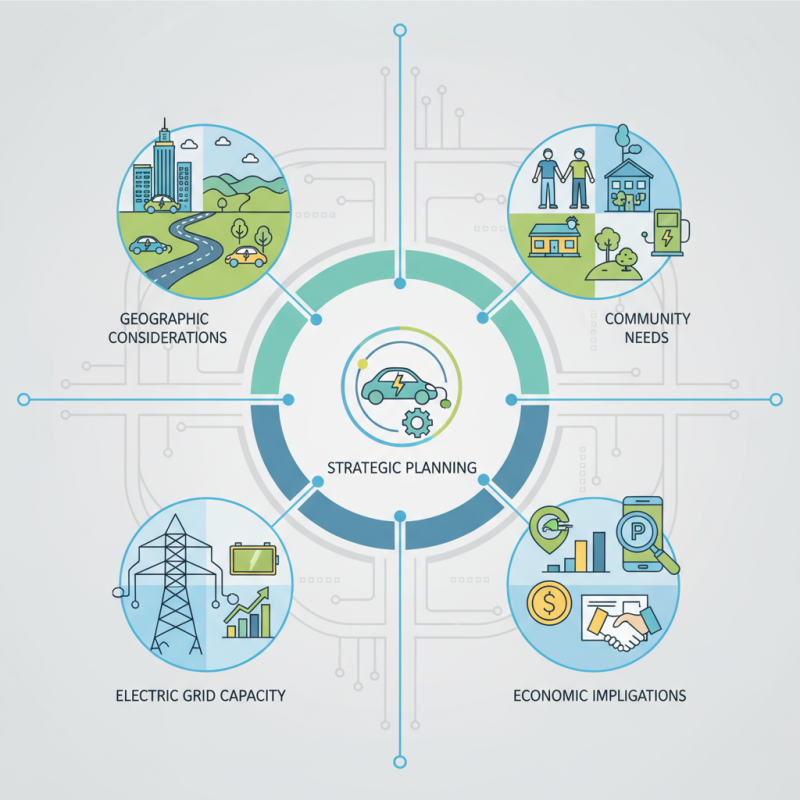
What Factors Influence EV Charging Infrastructure Planning?

Factors Affecting Demand for EV Charging Infrastructure

The demand for electric vehicle (EV) charging infrastructure depends on various factors. One critical aspect is the growth rate of EV adoption. As more individuals choose electric cars, the pressure for sufficient charging stations increases. Urban areas may need more rapid installations than rural regions. Nevertheless, some communities struggle to keep up. This discrepancy raises questions about accessibility and equity.

Another factor is government policy. Incentives and regulations can significantly influence infrastructure development. Areas with strong governmental support often see quicker growth in charging networks. Conversely, regions lacking such policies may lag behind. This inconsistency can lead to frustration among drivers trying to find charging options. Additionally, existing electricity grids must accommodate increased demand, which can be a challenge for some regions.

Public awareness plays a role too. Many potential EV users are unaware of available charging options. Education on benefits and locations is essential. However, initiatives to raise awareness are often insufficient. This gap can hinder adoption rates, leading to less investment in charging infrastructure. Ultimately, addressing these factors is vital for a balanced and sustainable EV ecosystem.

Role of Government Policies in Charging Infrastructure Development

Government policies play a crucial role in the development of electric vehicle (EV) charging infrastructure. Incentives such as tax breaks and grants help stimulate investments in charging stations. Local governments often collaborate with private companies to expand access to charging networks. This partnership can accelerate the growth of infrastructure, but it may also lead to uneven distribution. Not all regions benefit equally, leaving some areas underserved.

Regulations also shape the landscape of EV charging. Zoning laws can dictate where charging stations can be installed. These regulations often prioritize urban areas over rural ones, creating gaps in accessibility. Additionally, the lack of standardization across different regions can complicate infrastructure planning. Authorities must find a balance between fostering innovation and ensuring equity in access. The ongoing discussions around these policies reveal the complexities involved.

In some cases, government initiatives may fall short of their goals. For example, delays in permitting processes can stall projects. This can discourage potential investors and slow down progress. Policymakers need to remain flexible and responsive to emerging challenges. Constant evaluation of existing regulations is essential. This proactive approach can help create a more robust and equitable EV charging infrastructure.

Technological Advances in Charging Solutions and Their Impact

The evolution of electric vehicle (EV) charging infrastructure significantly hinges on technological advancements. Innovative charging solutions have emerged, reshaping the user experience. Fast chargers now allow for quick top-ups, reducing the time spent waiting at the station. This rapid charging technology is crucial in areas with high vehicle turnover. With advancements, the expectation for convenience is higher. Users desire faster and more accessible options.

Wireless charging is another intriguing development. This technology offers seamless charging experiences without plugging in. However, challenges remain. The infrastructure for widespread wireless systems is not yet fully developed. Potential users may find this approach less reliable until proven effective. Additionally, the cost of implementation poses another barrier.

Integration of smart technology is also reshaping infrastructure planning. Data analytics plays a role in predicting charging demand. This helps in strategically placing chargers in urban settings. However, data privacy and management present ethical concerns. Balancing innovation with user privacy remains an area for reflection and improvement. These advancements shape the landscape of EV charging but require careful consideration of their broader implications.

Geographic and Demographic Considerations in Site Selection

In the evolving landscape of electric vehicle (EV) charging infrastructure, geographic and demographic factors play crucial roles in site selection. A recent report from the International Energy Agency highlighted that urban areas with high population density are prime candidates for charging stations. The average urban dweller is likely to have greater access to EVs, creating an increased demand for charging facilities. Understanding local demographics helps in predicting where stations will be most utilized.

Regional factors also influence planning decisions. For instance, areas with limited public transportation often see increased EV adoption, as vehicles serve as a primary means of transport. A study by the National Renewable Energy Laboratory found that regions with higher household incomes are more inclined toward EV ownership. However, this can lead to imbalances in charging infrastructure availability, leaving lower-income areas underserved.

Furthermore, topography and climate impact decision-making. Hilly regions may require more power for charging, while areas experiencing extreme temperatures might affect battery performance and charging times. Data from the U.S. Department of Energy shows that charging locations must account for these variabilities. Yet, there remains a challenge: ensuring equitable access to charging for all demographics while considering these geographical distortions.

Economic Feasibility and Funding Sources for Charging Stations

Planning for electric vehicle (EV) charging infrastructure involves various economic considerations. Funding sources play a critical role in this process. Public funds can support initial investments, but they often come with strict guidelines. Many local governments seek grants to reduce costs. However, these grants may require matching funds, complicating the budgeting process. Private investments can provide additional funding, but they demand a clear return on investment.

Charging station locations must cater to consumer demand. An area with high traffic may attract more funding. Yet, assessing the economic feasibility of these sites is not straightforward. Land lease costs and installation expenses vary significantly. Some regions may lack the financial incentive for private investors, leading to limited charging options.

Innovative funding models are emerging as well. Crowdfunding initiatives allow communities to fund local charging stations. Additionally, partnerships with businesses can help share costs effectively. These solutions highlight the need for flexibility in funding strategies. While there is potential, many projects still face funding hurdles. This raises questions about long-term sustainability and commitment from stakeholders.

FAQS

: What factors influence the demand for EV charging infrastructure?

: Key factors include EV adoption rates, government policies, and public awareness. All play vital roles.

How does EV adoption affect charging station needs?

Increased EV use raises the need for more charging stations. Urban areas often see higher demand.

What role does government policy play in charging infrastructure growth?

Strong government support leads to quicker growth of charging networks. Areas without support may struggle.

Why is public awareness important for EV charging?

Many potential users don't know about available charging options. Education can encourage more adoption.

What challenges do electricity grids face with increased EV demand?

Some regions may find it difficult to support the increased electricity demand from more charging stations.

How have technological advancements impacted charging solutions?

Innovations like fast chargers improve user experience by reducing wait times at stations. Convenience is key.

What is wireless charging, and what are its challenges?

Wireless charging offers a plug-free experience. However, its reliability and infrastructure are still developing.

How does smart technology contribute to charging infrastructure?

Data analytics helps forecast charging demand. However, ethical concerns about data privacy need careful consideration.

What are the concerns about charging infrastructure equity?

Some communities struggle to provide adequate charging options. This raises issues of accessibility and fairness.

How can improving awareness affect infrastructure investment?

Increased public understanding can lead to higher EV adoption, thus prompting more investment in charging stations.

Conclusion

The planning of EV charging infrastructure is influenced by several critical factors. Key among these are the demand dynamics for charging stations, which are shaped by the increasing adoption of electric vehicles and the need for convenient access to charging points. Government policies play a vital role, as supportive regulations and incentives can propel the development of charging networks. Technological advancements in charging solutions also significantly impact infrastructure planning, offering faster and more efficient charging methods.

Additionally, geographic and demographic considerations are crucial in site selection, ensuring that charging stations are placed in areas with high user potential. Economic feasibility, including funding sources and cost analysis, determines the viability of deploying charging stations in various locations. Understanding what factors affect EV charging infrastructure planning is essential for creating a robust network that meets the needs of electric vehicle users.

Amelia

Amelia

Amelia is a seasoned marketing professional with a wealth of expertise in our company’s core offerings. With an unwavering passion for driving growth and innovation, she plays a pivotal role in shaping our marketing strategies and enhancing brand visibility. A key aspect of her responsibilities......