Top 10 Factors Influencing EV Charging Infrastructure Planning?

Time:2026-08-15 Author:Liam
0%

As electric vehicles (EVs) gain popularity, the question arises: what factors affect EV charging infrastructure planning? Experts emphasize the importance of various elements in shaping effective charging networks. Dr. Emily Thompson, a leading researcher in sustainable transport, once stated, "The success of EV adoption heavily relies on strategic charging infrastructure planning."

Several key factors influence this planning process. Location is critical. Urban areas require dense networks of chargers due to high vehicle usage. Conversely, rural areas may need less frequent stations but must ensure long-range travel. Another vital element is stakeholder collaboration. Engaging local governments, utilities, and private companies fosters shared investment and knowledge.

Moreover, consumer behavior plays a significant role. Understanding how and when EV owners charge their vehicles informs the placement of charging stations. Current infrastructure often falls short, with gaps in accessibility and availability. This inconsistency highlights the need for continuous improvement and adaptation.

The challenge lies in balancing these factors while ensuring equitable access for all EV users. As the industry evolves, refining our approach to infrastructure planning remains essential. Each decision impacts not just current EV owners but the broader goal of sustainable transportation.
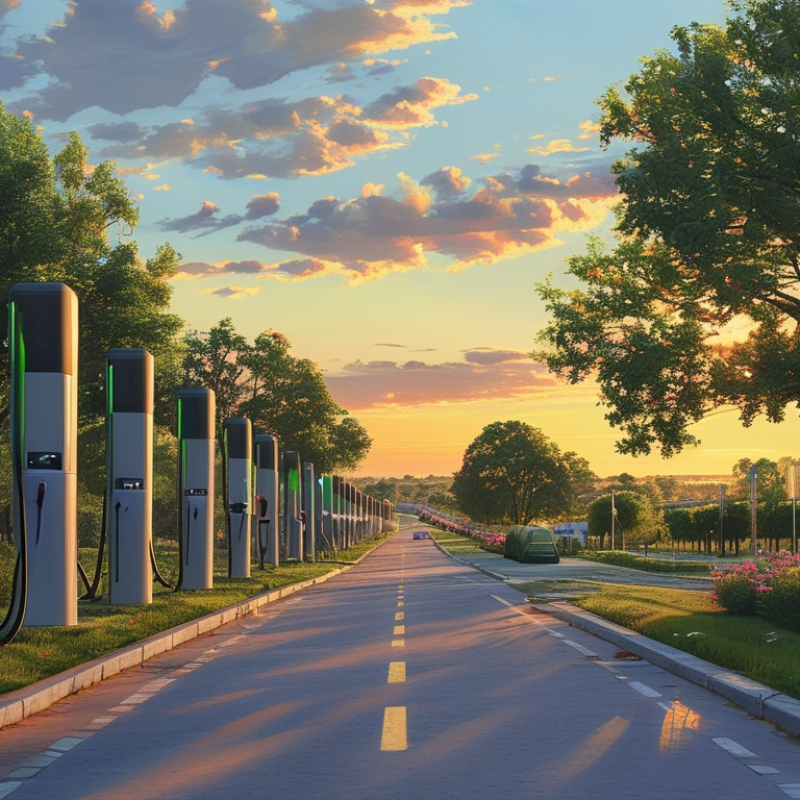
Top 10 Factors Influencing EV Charging Infrastructure Planning?

Overview of Electric Vehicle Charging Infrastructure Development Trends

The development of electric vehicle (EV) charging infrastructure is rapidly evolving. Various trends are shaping how these networks are being planned and implemented. For instance, urbanization is a significant factor. As cities expand, the demand for accessible charging stations increases. Planners must consider traffic patterns to ensure convenient access to EV chargers.

Another trend is the integration of renewable energy sources into the charging stations. Solar panels and wind energy can power these facilities, reducing carbon footprints. However, challenges remain. The dependence on weather conditions can lead to inconsistent energy supplies. This requires careful planning and investment in energy storage solutions.

User experience is also paramount. Charging speed and station availability significantly impact EV adoption. Slow-charging stations may frustrate users, discouraging EV ownership. Some areas still lack sufficient infrastructure. Addressing these shortcomings requires collaboration among stakeholders and thoughtful long-term strategies. As these trends continue to develop, the future of EV charging infrastructure will depend on adaptability and innovation.

Top 10 Factors Influencing EV Charging Infrastructure Planning

Analysis of Current EV Adoption Rates and Their Impact on Charging Needs

Electric vehicles (EVs) are rapidly gaining acceptance, with sales skyrocketing to nearly 10 million globally in 2022. This surge puts pressure on charging infrastructure. Analysts predict that to support 100 million EVs by 2030, the world needs over 2.5 million public charging points. Current adoption rates reveal that many regions lack sufficient charging stations. This discrepancy raises concerns about accessibility and convenience for potential EV owners.

Data shows that urban areas typically have better charging infrastructure than rural regions. For instance, in major cities, there is an average of 13 charging points available per 100,000 residents. In contrast, rural areas may have only one or two. Accessibility remains a critical issue. Without strategic planning, some communities will remain underserved, which can deter people from switching to electric vehicles.

Charging needs are affected by various factors, including vehicle range, charging speed, and consumer behavior. A study indicated that over 70% of EV owners prefer charging at home, leading to an increased need for residential charging solutions. Yet, only 40% of households can accommodate this. Addressing discrepancies in charger availability and stability is essential for further EV adoption. Insights from industry reports suggest that a collaborative effort involving stakeholders is crucial for advancing infrastructure planning.

Key Factors in Site Selection for EV Charging Stations: Accessibility and Demand

Accessibility and demand are crucial when planning EV charging infrastructure. Locations should be easy to reach. High traffic areas are ideal. These spots can attract more users. Think about urban environments, shopping centers, and highway rest stops. Access to power supply is also essential. Without it, site selection becomes futile.

Understanding local demand helps in making informed choices. Study the demographics of the area. Consider factors like population density and average income levels. Community interest in electric vehicles influences usage rates. Areas with existing EV owners may need more stations than others. But assumptions can lead to oversights. Not all areas with high incomes favor EV adoption.

Site selection requires a multifaceted approach. Balancing accessibility and demand isn’t straightforward. Data analysis plays a role, but real-world preferences often tell a different story. User feedback can be invaluable. Engaging with potential users helps identify needs. This feedback can guide future planning. It is essential to remain adaptable. Embrace changes to improve service and meet demand effectively.

Top 10 Factors Influencing EV Charging Infrastructure Planning

Factor Description Importance (1-10) Potential Impact (%)
Accessibility Proximity to major roads and urban areas. 9 30%
Demand Current and projected electric vehicle usage in the area. 10 25%
Utility Infrastructure Capacity of local grid to support charging stations. 8 20%
Permitting and Regulations Ease of obtaining necessary permits and following regulations. 7 15%
Funding and Incentives Availability of grants and tax incentives for installation. 8 10%
Technological Compatibility Compatibility of chargers with various EV models. 9 5%
Parking Availability Sufficient parking space near charging points. 6 10%
Safety and Security Safety measures in place for users at the site. 7 8%
Community Support Support from local community and businesses. 8 7%
Environmental Impact Impact on local environment and ecosystem. 7 5%

The Role of Government Policies and Incentives in Charging Infrastructure Growth

Government policies and incentives play a critical role in the growth of electric vehicle (EV) charging infrastructure. According to a 2022 report by the International Energy Agency, countries with robust government support have seen a 50% faster growth rate in charging stations compared to those without. Policies like tax rebates, grants, and subsidies encourage private and public investment, making infrastructure deployment more viable.

However, disparities exist in the effectiveness of these policies. Some regions struggle due to inconsistent funding or lack of clear guidelines. For instance, a study from the National Renewable Energy Laboratory highlighted that localized incentives often lead to varied results, causing uneven infrastructure development. This creates challenges for EV owners and potential buyers, hindering overall EV adoption.

**Tip:** Engage with local authorities to understand available incentives. Assess the specific policies in your region to maximize benefits. Creating awareness can enhance community participation and attract more investment.

Regarding the planning of EV charging stations, strategic alignment with urban development plans is essential. Inadequate infrastructure impacts user experience. Ideally, charging stations should be integrated into areas with high foot traffic. A dedicated approach considers both accessibility and convenience for users.

**Tip:** Collaborate with urban planners. Their insights can help identify ideal locations for charging infrastructure. Effective placement can significantly enhance station usage and support EV growth.

Emerging Technologies Influencing EV Charging Efficiency and Accessibility

The landscape of electric vehicle (EV) charging infrastructure is rapidly evolving. Emerging technologies play a vital role in enhancing charging efficiency and accessibility. According to recent industry reports, an estimated 20% increase in charging speed has been achieved through advanced software algorithms. These technologies optimize power distribution, which significantly reduces waiting times for users.

Rapid charging stations utilizing innovations like high-power charging (HPC) can deliver up to 350 kilowatts. This dramatically decreases charging time compared to conventional stations. Furthermore, smart grid technology supports peak load management. It adjusts charging rates based on energy demand. This ensures a balance between user needs and grid stability.

**Tip:** Incorporating renewable energy sources into charging stations can further enhance sustainability. Consider installing solar panels alongside charging units for a greener option.

While many advancements exist, several challenges remain. For instance, compatibility issues between various EV models and chargers often frustrate users. Moreover, urban areas can struggle with real estate limitations for new charging sites. Addressing these concerns requires collaboration among stakeholders. Creating user-friendly interfaces for charging stations will also enhance accessibility.

**Tip:** User education programs can help improve awareness about charging options and technologies. This empowers EV drivers to make informed choices.

FAQS

: What factors are driving the demand for EV charging stations?

: Urbanization is a key factor. As cities grow, more charging stations are needed for access.

How does renewable energy influence charging stations?

Solar and wind energy can power stations, reducing carbon footprints. Weather can sometimes disrupt this.

Why is user experience important for EV charging?

Charging speed and station availability affect EV adoption. Slow chargers can frustrate potential users.

What is the current state of EV charging infrastructure in urban vs. rural areas?

Urban areas generally have more charging points. Rural regions often lack sufficient infrastructure.

How many public charging points are needed to support future EV growth?

Over 2.5 million public charging points are required to support 100 million EVs by 2030.

What percentage of EV owners prefer home charging?

Over 70% of EV owners prefer to charge at home. However, only 40% of homes can do this.

What challenges do communities face regarding EV charger access?

Some areas remain underserved. Without strategic planning, potential EV owners may be deterred.

Why is collaboration important for EV infrastructure development?

A collaborative effort among stakeholders is crucial. This ensures better infrastructure planning and support.

What mistakes have been made in charging infrastructure planning?

Inconsistent availability in rural areas shows planning flaws. Accessibility has not been prioritized equally.

How can investing in energy storage help EV charging?

Energy storage can stabilize power supply, especially when renewable sources are unreliable. This is necessary for consistency.

Conclusion

As electric vehicle (EV) adoption continues to rise, understanding what factors affect EV charging infrastructure planning becomes crucial for effective development. This article explores the current trends in EV charging infrastructure development, highlighting the significant impact of adoption rates on charging needs. Key factors influencing the site selection for EV charging stations include accessibility and demand, ensuring that locations are strategically chosen to maximize usage.

Additionally, government policies and incentives play a vital role in fostering the growth of charging infrastructure by providing support for installations and promoting usage. Emerging technologies also significantly enhance charging efficiency and accessibility, shaping the future landscape of EV infrastructure. Overall, a comprehensive understanding of these factors is essential for successful EV infrastructure planning and to meet the evolving needs of electric vehicle users.

Liam

Liam

Liam is a dedicated marketing professional with a profound expertise in the industry, where he excels at highlighting the unique advantages of our core products. With a keen understanding of market trends and consumer needs, Liam frequently updates our company’s professional blog, providing......