As electric vehicles (EVs) gain popularity, the importance of locating charging stations effectively becomes evident. A study by the International Energy Agency states that global EV sales reached 10 million in 2022, signifying a growing demand for accessible charging options. But what makes a good location for EV charging stations? The answer involves examining several key factors that influence user convenience and efficiency.
Data indicates that urban locations with high traffic volumes are ideal for charging stations. High visibility and easy accessibility play crucial roles. Additionally, proximity to amenities such as shopping centers or restaurants can enhance the user experience and encourage longer charging times. However, simply placing a charging station in a busy area does not guarantee success. Factors such as local infrastructure, power availability, and community needs must also be taken into account.
Investors and city planners often overlook subtle details. For instance, charging stations located near public transport hubs can attract more users. Conversely, stations placed away from popular routes may struggle to attract drivers. Ultimately, understanding the dynamics of location helps to shape a reliable and user-friendly EV charging network. Adjusting strategies based on real-world conditions is essential for creating a successful framework.
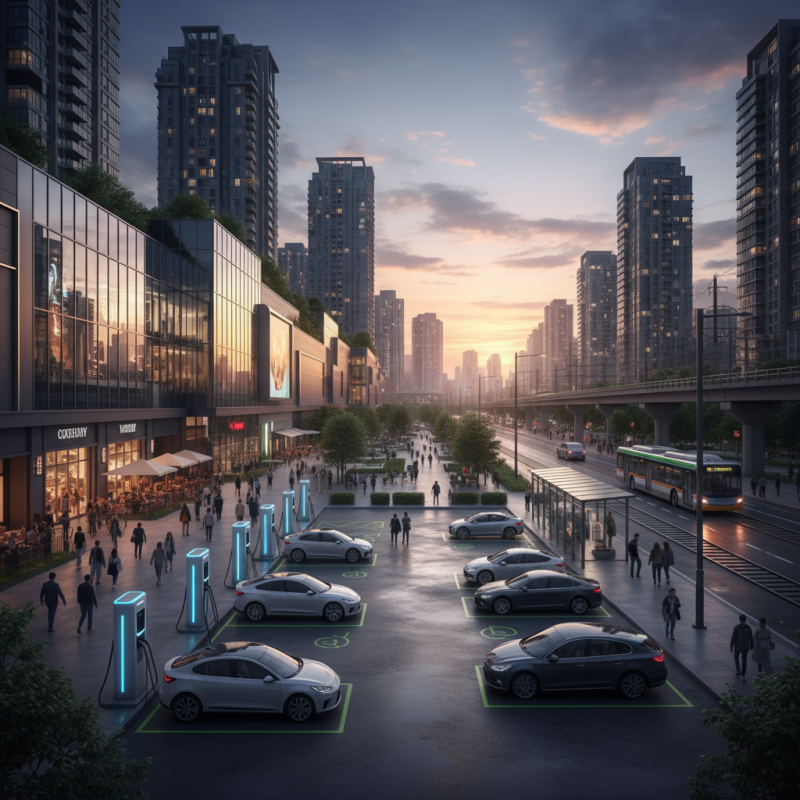
Accessibility to major roads and highways is crucial for the success of EV charging stations. When a charging station is located near high-traffic areas, it benefits both EV owners and operators. Drivers often seek quick and convenient stops. Easy access reduces wait times and improves overall user experience. A location near interstates or major thoroughfares ensures that EV drivers can recharge without significant detours.
Moreover, high visibility from busy roads can attract more customers. Signage and lighting are important. They need to be clear and prominent to catch a driver’s eye. A station that is hard to find or difficult to reach can frustrate users. It’s also valuable to consider the presence of local amenities nearby. Cafés or shopping outlets can turn a quick charge into a pleasant break.
However, not all locations are created equal. Some might experience seasonal traffic fluctuations that affect usage. Assessing these patterns can be challenging. A station in a less traveled area might struggle. Thus, conducting thorough location analysis is essential. Data-driven decisions can help identify optimal spots while minimizing risks.
When selecting a location for EV charging stations, proximity to high-traffic areas significantly influences usage. According to a report by the International Energy Agency, placing charging stations near major intersections or popular shopping centers can increase usage rates by up to 40%. People are more likely to charge their vehicles when they can do other activities simultaneously, such as shopping or dining.
Accessibility is another crucial factor. Locations that are easy to reach often see higher adoption rates. A study from the U.S. Department of Energy found that stations located within a mile of urban centers are utilized more frequently. This is due to the convenience factor; drivers can quickly stop and charge their vehicles without detouring. However, the challenge lies in balancing high-demand areas with available space for installation.
Despite the push for charging stations, not all high-traffic areas are suitable. Poor planning can lead to traffic congestion, causing frustration among users. Additionally, over-saturating one area may limit charging opportunities elsewhere. Addressing these issues requires careful consideration and analysis of traffic patterns and user behavior. This reflects the need for strategic decision-making in the expanding EV infrastructure landscape.
The availability of sufficient parking space for electric vehicles (EVs) is crucial for the success of charging stations. Drivers need easy access to charging points, and this depends on the surrounding infrastructure. A location that features ample parking dedicated to EVs can enhance the user experience. It reduces anxiety about finding a spot to charge, encouraging more people to adopt EVs.
However, not all available parking spaces are suitable. It's important to consider the layout and accessibility of these locations. For instance, a parking lot that is too cramped or poorly designed can create frustration for drivers. Additionally, a lack of clear signage can lead to confusion about where to park and charge. Realistically, not every potential site will meet all requirements, revealing gaps that need addressing.
In many urban areas, space is a commodity. As demand for EV charging grows, cities must rethink their parking policies. It could lead to mixed-use developments that better accommodate EV drivers. In this evolving landscape, continuous feedback from users is necessary. This helps identify challenges that need solutions, ensuring that the expansion of EV charging stations prioritizes both convenience and accessibility.
The integration of renewable energy sources is pivotal for the future of electric vehicle (EV) charging stations. According to the International Energy Agency (IEA), around 30% of electricity generation will come from renewable sources by 2030. This shift can significantly reduce the carbon footprint of EVs. However, the adoption rate varies by region. For effective EV charging, locations must harness solar, wind, and other renewables.
The National Renewable Energy Laboratory (NREL) indicates that combining EV infrastructure with solar energy can lower operational costs by up to 50%. This benefit underscores the importance of site selection. Charging stations with dedicated solar panels can generate clean energy on-site, mitigating grid load during peak hours. In many urban settings, land availability poses a challenge to integrating such setups. Upfront costs can also hinder the transition to renewable energy sources.
Moreover, the reliability of renewable energy depends on location. Areas with consistent sunlight or wind can facilitate efficient energy generation. Other locations might struggle with intermittent supply. Local policy incentives could further influence renewable integration for charging stations. Realizing the full potential of this synergy requires ongoing evaluation and adaptation. The evolving landscape of both EV technology and renewable energy calls for thoughtful, informed decisions.
When it comes to placing EV charging stations, safety and security are critical. A well-lit area with clear visibility can significantly enhance safety. Vulnerable locations may deter users. Security measures, like surveillance cameras or on-site personnel, can provide peace of mind for users. This is especially important during evening hours or in less populated areas.
Another aspect to consider is the integration of technology. Charging stations should have features like emergency buttons and robust communication systems. Users should feel they can quickly seek assistance if needed. Regular maintenance and prompt response to any reported issues also contribute to a secure environment. Frequent inspections can help ensure that the charging infrastructure is in good condition.
However, it’s important to reflect on the human element. Community participation in planning can lead to better safety outcomes. Engaging local residents often uncovers previously overlooked safety concerns. Gathering insights can improve designs and enhance security measures effectively. Balancing technology and community input can create safer charging experiences.
| Factor | Description | Importance (1-10) |
|---|---|---|
| Accessibility | Easy access for vehicles without obstructing traffic flow. | 9 |
| Safety | Well-lit areas with surveillance to ensure user safety. | 10 |
| Proximity to Amenities | Close to restaurants, shops, or restrooms for waiting times. | 8 |
| Charging Speed | Availability of fast chargers to minimize downtime. | 9 |
| Network Reliability | Stable and reliable charging network to ensure availability. | 8 |
| Cost of Charging | Competitive pricing to attract users. | 7 |
| Environmental Impact | Locations that promote renewable energy sources. | 7 |
| Surrounding Area | Zones with minimal pollution and noise. | 6 |
| Public Awareness | Locations with good promotion and visibility for EV charging. | 6 |
| Future-Proofing | Planning for increasing EV adoption and infrastructure evolution. | 8 |
: Ample parking space boosts user experience and reduces the anxiety of finding charging spots.
Layout, accessibility, and clear signage are vital for a suitable parking space.
Cities could consider mixed-use developments to better accommodate EV drivers' needs.
Integrating renewables can reduce the carbon footprint and lower operational costs significantly.
Charging stations with solar panels can generate clean energy, benefiting operations and reducing peak load.
Well-lit areas, surveillance cameras, and emergency buttons enhance user safety at charging locations.
Robust communication systems and regular maintenance help ensure a secure charging environment.
Engaging local residents can reveal safety concerns that enhance overall security measures.
Intermittent supply may hinder reliable energy generation, affecting integration efforts.
No, community input is essential to balance technological solutions with human insights.
Determining what makes a good location for EV charging stations is crucial for enhancing electric vehicle infrastructure. Key factors include accessibility to major roads and highways, ensuring that drivers can easily reach charging points without detours. Proximity to high-traffic areas and popular destinations encourages more users to charge their vehicles while they shop or engage in leisure activities.
In addition, having sufficient parking space is essential, as it allows multiple vehicles to be charged simultaneously. The integration of renewable energy sources can also promote sustainable practices and reduce the carbon footprint associated with charging. Finally, safety and security measures are vital to provide peace of mind for users, making them more likely to utilize these stations. Together, these factors contribute to effective location planning for EV charging stations, ultimately fostering a more robust electric vehicle ecosystem.

Orange Energy