How do fleet operators handle EV charging needs in 2026?

Time:2026-09-04 Author:Sophia
0%

As the adoption of electric vehicles (EVs) accelerates, fleet operators must evolve to address new challenges. By 2026, it is estimated that over 26 million EVs will be on the road in the U.S. alone. This shift demands a robust strategy for charging infrastructure. The question arises: how do fleet operators manage EV charging needs effectively?

Data from industry reports highlights the increasing demand for charging stations. In 2026, the global market for EV charging infrastructure is projected to reach $75 billion. Fleet operators are exploring various technologies and partnerships to streamline their charging processes. They are assessing the best locations for charging stations, optimizing schedules, and integrating smart technologies to monitor energy usage.

However, there are hurdles. Not all regions have adequate charging infrastructure, which can lead to downtime. This is a critical area needing attention. Operators must find a balance between charging speed and vehicle availability. Adapting to these changes requires continuous learning and strategic planning. Understanding these dynamics is vital for successful fleet management in the era of electric mobility.
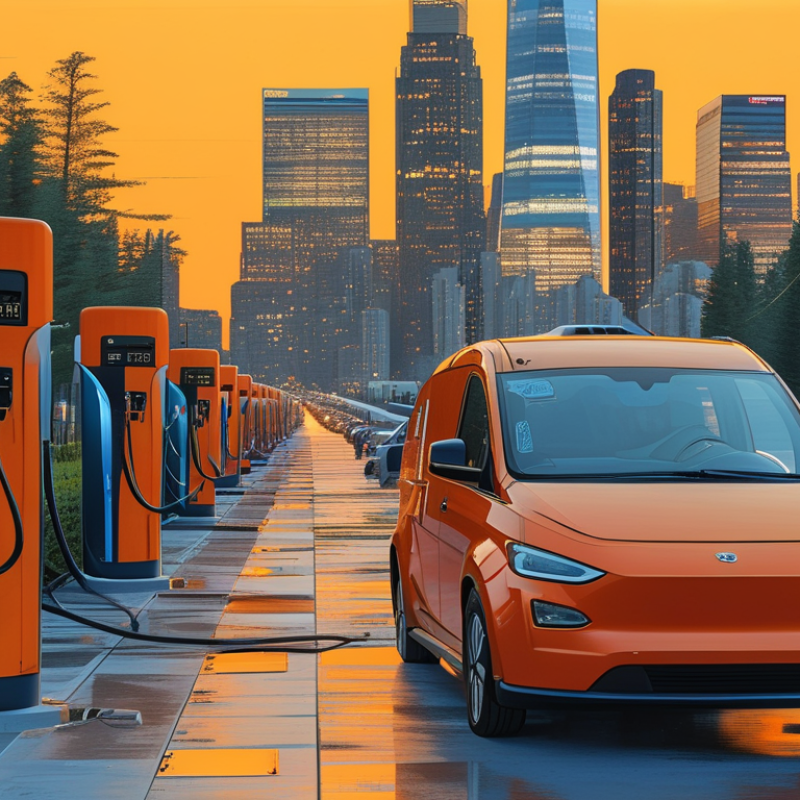
How do fleet operators handle EV charging needs in 2026?

Fleet Electrification Trends and Goals in 2026

In 2026, fleet operators face numerous challenges as they electrify their vehicles. The shift towards electric vehicles (EVs) is significant, driven by regulatory pressures and sustainability goals. However, establishing a robust charging infrastructure remains a pressing issue. Many fleet operators are exploring innovative solutions to manage charging needs effectively. As they implement EVs, understanding the unique operational requirements becomes essential.

Creating a strategic charging plan is crucial. Fleet operators should analyze operational patterns to determine the best times for charging. Off-peak hours can provide cost-saving opportunities. Additionally, investing in smart charging technologies can help optimize energy usage. These advancements can balance demand and supply efficiently.

Integrating renewable energy sources into charging stations is another trend. Many fleets are looking at solar panels to power their operations. This approach not only reduces costs but also aligns with sustainability goals. However, these implementations require considerable investment and careful planning. Operators must review potential returns on investment and energy savings.

Operational flexibility will be key in managing the transition. Each fleet’s needs are unique. Regular evaluations of charging habits and vehicle performance will help operators stay on track. Embracing these changes can lead to long-term benefits. Rethinking the approach to electrification will ensure a smoother path forward.

Charging Infrastructure Development for Fleet Operators

In 2026, fleet operators face a critical need for robust charging infrastructure. According to a recent industry report, over 50% of fleet managers expect to deploy electric vehicles (EVs) significantly. However, only 30% feel equipped with adequate charging solutions. This gap indicates an urgent need for development.

The most pressing challenge is the uneven distribution of charging stations. Major urban centers often have sufficient infrastructure, yet rural areas lag behind. A study by a leading energy consultancy noted that fleets operating in less populated regions may struggle. As more companies shift to electric, a comprehensive network will be necessary.

Additionally, the adoption of smart charging technology could ease some concerns. These systems allow for better load management and scheduling, which can optimize charging times. Nevertheless, issues arise around installation costs and grid reliability. If these are not addressed, fleet operators may remain hesitant to transition fully to EVs. The future depends on collaborative efforts to enhance infrastructure for all operators.

How do fleet operators handle EV charging needs in 2026? - Charging Infrastructure Development for Fleet Operators

Fleet Type Number of Vehicles Charging Stations Required Charging Technology Average Charging Time (hrs) Location Type
Delivery Vans 150 30 Level 2 4 Depot
Buses 50 20 DC Fast Charging 2 Transit Station
Taxis 75 15 Level 2 6 Public Parking
Light Trucks 100 25 DC Fast Charging 3 Depot

Strategies for Fleet Operators to Optimize Charging Efficiency

In 2026, fleet operators are increasingly focused on optimizing EV charging efficiency to meet growing demands. A recent report from the International Energy Agency highlights that electric vehicle sales are expected to surpass 40% of total vehicle sales by 2026. This shift necessitates an urgent need for strategic planning around charging infrastructure.

Fleet operators are adopting smarter charging solutions. Time-of-use pricing strategies allow fleets to charge during off-peak hours, reducing energy costs significantly. According to Navigant Research, utilizing smart charging can save fleets up to 30% on energy bills. Geographic information systems (GIS) are also becoming essential tools. They help in optimizing routes and identifying charging stations along these routes for maximum efficiency.

Keeping up with technology is crucial. Real-time data analytics can inform operators about battery levels and charging times. This capability aids in avoiding downtime, ensuring that vehicles are always ready for use.

Incorporating renewable energy sources can further enhance sustainability. Many fleets are beginning to invest in onsite solar charging stations. This reduces reliance on the grid and can be more cost-effective long-term.

Prioritizing employee training on charging best practices can also lead to improved efficiency. Engaging staff in understanding the significance of optimal charging schedules will create more effective team dynamics. Adapting and evolving strategies continuously will be key in navigating the needs of 2026 and beyond.

Integration of Renewable Energy Sources in EV Charging

As fleet operators navigate the rise of electric vehicles (EVs) in 2026, integrating renewable energy sources into their charging strategies becomes crucial. Solar panels on fleet depots offer a promising solution. They convert sunlight into electricity, reducing reliance on the grid. Wind turbines can complement this setup, especially in regions with strong wind patterns.

Challenges do arise. The variability of renewable energy can lead to charging inefficiencies. Fleet managers must optimize charging schedules to align with energy production peaks. Using smart software can help forecast energy availability and consumption patterns. Battery storage systems also play a significant role, storing excess energy for use during low production periods.

Moreover, collaboration with local energy providers can enhance energy sourcing. However, the initial investment in infrastructure can be daunting. This raises questions about cost-effectiveness in the long run. Continuous assessment and adaptation are vital for success. Fleet operators need to remain agile, embracing both technology and renewable energy trends as they evolve.

EV Charging Needs of Fleet Operators in 2026

This chart illustrates the distribution of energy sources utilized for EV charging by fleet operators in 2026. The majority of energy is expected to come from renewable sources, highlighting the shift towards sustainability in fleet management.

Smart Charging Technologies and Their Impact on Fleet Operations

As fleet operators navigate the complexities of electric vehicle (EV) charging in 2026, smart charging technologies emerge as crucial resources. These systems optimize the charging process, coordinating with energy demand and supply. By analyzing real-time data, fleets can prioritize charging during off-peak hours. This not only reduces costs but also alleviates stress on the grid. Many operators report improvements in efficiency, yet they still face challenges in implementing widespread smart charging solutions.

Integration of smart charging technologies presents a dual edge. On one hand, it leads to better energy management and lower operational costs. On the other hand, these systems can be complex to incorporate into existing infrastructures. Fleet managers must consider training staff and upgrading equipment. Data privacy and cybersecurity also remain pressing issues as fleets rely more on connected technologies. The balance between innovation and reliability is delicate, highlighting areas for further reflection and improvement.

As the demand for sustainable transportation grows, the role of smart chargers will become increasingly vital. Fleets need to continuously assess their strategies to adapt to changing technologies and market conditions. The potential for optimization is vast, yet understanding the pitfalls is equally important. Fostering a culture of learning and adaptability will serve fleets well in this rapidly evolving ecosystem.

FAQS

: What challenges do fleet operators face with electrifying their vehicles?

: Fleet operators face hurdles like establishing robust charging infrastructure and managing operational requirements for electric vehicles.

Why is a charging plan important for fleet operators?

A strategic charging plan helps determine optimal charging times, allowing cost savings during off-peak hours.

How can fleet operators optimize energy usage?

Investing in smart charging technologies can balance energy demand and supply efficiently, enhancing energy management.

What renewable energy sources are being integrated into fleet charging?

Many fleet operators are exploring solar panels and wind turbines to reduce reliance on conventional energy grids.

What challenges arise from using renewable energy for charging?

Renewable energy can be variable, leading to potential charging inefficiencies that require careful scheduling.

How can fleet managers ensure efficient energy use with renewables?

Managers can use smart software to forecast energy availability and adjust charging schedules accordingly.

Why might investing in renewable energy infrastructure be daunting?

The initial costs for renewable energy sources and battery storage systems can be significant for fleet operators.

What role do battery storage systems play in EV charging?

Battery storage systems help store excess energy, making it available during low production periods, enhancing reliability.

How can collaboration influence a fleet's energy sourcing?

Partnering with local energy providers can improve energy sourcing and reduce costs in the long term.

Why is flexibility important for fleet operators during the transition to EVs?

Regular evaluations of charging habits and vehicle performance are essential for adapting strategies and ensuring success.

Conclusion

In 2026, fleet operators are increasingly faced with the challenge of managing EV charging needs as the electrification of transport continues to grow. To effectively handle these needs, fleet operators are adopting various strategies, including the development of robust charging infrastructure that meets operational demands. Operators are also focusing on optimizing charging efficiency through smart technologies that enable dynamic load management and charging scheduling, significantly enhancing fleet productivity.

Furthermore, the integration of renewable energy sources into charging stations is becoming a priority, allowing fleet operators to reduce operational costs and environmental impact. As they navigate these changes, understanding how do fleet operators manage EV charging needs becomes crucial for sustainable fleet management. This holistic approach ensures that fleet operators not only meet their charging requirements but also contribute to a greener future through innovative solutions.

Sophia

Sophia

Sophia is a dedicated marketing professional with an exceptional depth of knowledge about her company's products and services. With a keen understanding of market trends and customer needs, she crafts insightful blog posts that not only inform but also engage readers, enriching the company’s online......