Effective management of electric vehicle (EV) charging needs is key for fleet operators. With the rise of EVs, operators face unique challenges. They must consider charging locations, time, and energy costs. Understanding how do fleet operators manage ev charging needs is vital for optimizing operations.
Many fleet operators adopt smart charging solutions. These solutions prioritize efficiency and cost savings. Yet, not all fleets have the resources or knowledge to implement these systems fully. Balancing fleet requirements with available technology is complex. Experience shows that some operators lack significant infrastructure and struggle with charging schedules.
Moreover, monitoring energy consumption can be an ongoing challenge. Operators must analyze data to make informed decisions. Some may underutilize their data analytics capabilities, impacting productivity. Ultimately, effective charging management will involve continuous learning and adaptation as technology advances.
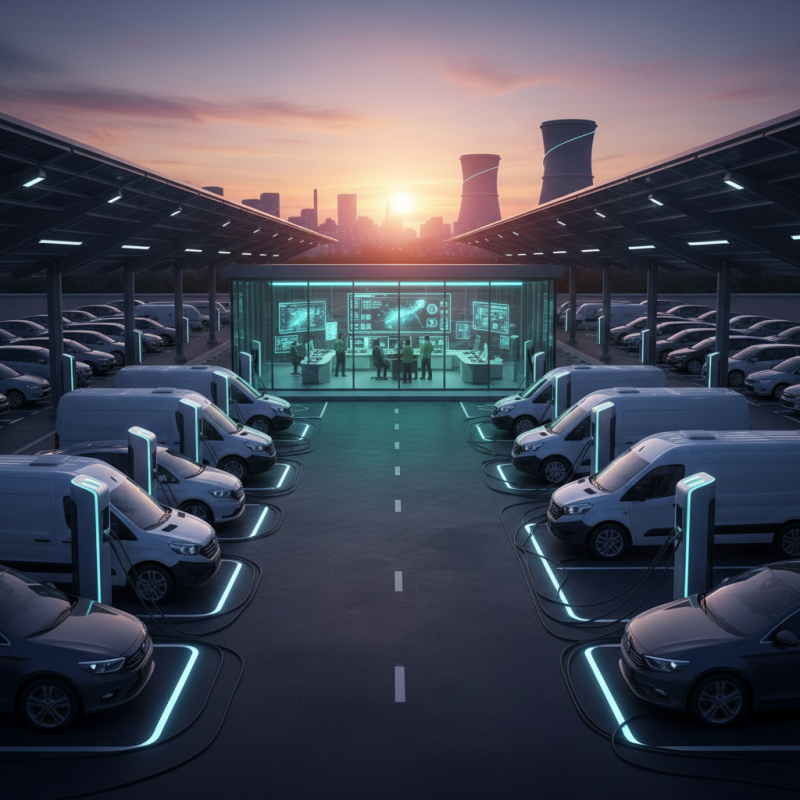
Effective management of electric vehicle (EV) charging is crucial for fleet operators. A recent report by the International Energy Agency (IEA) highlights that by 2025, electric vans and trucks could represent up to 30% of the market share in commercial vehicles. This growth necessitates a structured approach to managing charging demands. Fleet operators need to analyze their charging patterns. For instance, scheduling charging during off-peak hours can significantly reduce costs.
Moreover, energy management systems can optimize charging times. According to data from the U.S. Department of Energy, optimizing charging can lead to a reduction in energy costs by up to 25%. However, many fleets struggle to monitor their energy usage accurately. Inconsistent data collection can lead to wasted resources and inflated costs. Balancing charging loads is also a challenge, as overloading circuits can cause equipment failures.
Understanding local energy policies is equally essential for fleet managers. Regulations could impact charging station installations and energy tariffs. Some fleets have reported regulatory barriers that slowed their transition to electric. As the market evolves, effective communication with utility providers is vital. Fleet operators must be prepared to adapt to changing technologies and policies.
| Charging Method | Cost ($/kWh) | Charging Speed (kW) | Optimal Usage Time | Availability (%) |
|---|---|---|---|---|
| Slow Charging | 0.10 | 3.7 | Night | 95 |
| Fast Charging | 0.30 | 50 | Day | 80 |
| Rapid Charging | 0.50 | 150 | Peak Hours | 70 |
| Ultra-Rapid Charging | 0.70 | 350 | Limited | 60 |
Effective fleet management requires strategic planning for EV charging operations.
Fleet operators should evaluate their charging infrastructure regularly.
This includes assessing the number of charging points and their locations.
Identifying high-demand areas can optimize charging schedules and reduce downtime.
Adopting smart charging technologies can also be beneficial.
These systems allow for real-time data analysis and demand-response capabilities.
Fleet managers can adjust charging times based on energy costs and vehicle availability.
However, integrating these technologies also presents challenges.
Operators must ensure staff are trained to use them effectively.
Understanding energy consumption patterns is crucial.
Monitoring each vehicle's charging habits provides insights into efficiency.
Operators need to be mindful of peak charging times to avoid grid overload.
Flexibility is key in adapting to unexpected issues, like equipment failures.
Continuous evaluation and adaptation pave the way for more resilient operations.
Effective management of electric vehicle (EV) charging requires leveraging technology for monitoring and control. Many fleet operators find that smart management systems can optimize charging schedules based on usage patterns. These tools can analyze historical data to predict when vehicles will require charging. By synchronizing charging times with peak energy rates, operators can significantly cut costs.
One practical tip is to implement real-time tracking systems. This allows for immediate insights into the charging status of each vehicle. Operators can promptly address any issues that arise, ensuring minimal downtime. Additionally, utilizing mobile applications for fleet managers enhances oversight. Managers can receive alerts on charging performance and energy consumption directly to their devices.
However, not all charging solutions are seamless. Some fleet operators have encountered compatibility issues with different EV models. Regular software updates can mitigate these issues, but the learning curve can be steep. Ensuring that all team members understand the system is crucial. Training sessions can help bridge any knowledge gaps and foster effective communication among staff. Adopting a proactive approach can lead to more reliable and efficient fleet operations.
This chart illustrates the charging efficiency percentages for different charging locations utilized by fleet operators. Data shows the effectiveness of charging management at each location, highlighting the importance of technology in optimizing EV charging processes.
As electric vehicles (EVs) gain traction, fleet operators face specific infrastructure challenges. A report from the International Energy Agency indicates that the number of public charging points must triple to meet future demand. This emphasizes the need for strategic planning in charging infrastructure. Properly assessing the right locations for charging stations is crucial to minimize downtime for vehicles. Operators must analyze fleet routes, peak usage times, and local energy laws to make informed decisions.
Furthermore, integrating smart charging solutions can optimize energy usage and reduce costs. According to a study by the Institute of Transportation Engineers, smart charging could save fleets up to 30% on electricity costs. However, the reality is that not every fleet can implement these solutions immediately. Many face budget constraints or lack access to reliable grid infrastructure. Operators may need to reevaluate their charging strategies continuously. This iterative approach will allow them to adapt to changing technologies and regulatory landscapes effectively.
Effective management of EV charging is crucial for fleet operators. Scheduling and managing charging times can significantly reduce costs and improve efficiency. To achieve optimal results, fleet managers must analyze vehicle usage patterns. This helps identify peak demand periods for charging. Understanding daily route logistics can lead to smarter charging schedules.
Timing is essential. Charging during off-peak hours can save on electricity rates and reduce strain on the grid. Engaging with local energy providers allows fleet operators to develop tailored charging strategies. Implementing software solutions can automate charging schedules. This minimizes downtime and maximizes vehicle availability for operations.
Challenges exist. Some fleets may struggle with insufficient charging infrastructure. Others face variability in vehicle charging needs. Regular assessment and adjustments are necessary. Fleet operators should communicate with drivers about charging expectations. Encouraging eco-friendly practices can foster a culture of sustainability. A continuous improvement mindset is vital in this evolving landscape.
: Technology helps optimize charging schedules and predict vehicle needs based on historical data.
They provide immediate insights into charging status, allowing operators to resolve issues quickly.
Training ensures all team members understand the system, bridging knowledge gaps and improving communication.
Many struggle with insufficient public charging points and compatibility issues among different EV models.
Charging during off-peak hours and integrating smart solutions can significantly lower electricity expenses.
They must evaluate fleet routes, peak usage times, and local regulations to make informed decisions.
By analyzing vehicle usage patterns and engaging with local energy providers for tailored strategies.
A continuous improvement mindset allows fleets to adapt to changing technologies and regulations.
Budget constraints and access to grid infrastructure often hinder immediate implementation.
Clear communication fosters understanding of charging expectations and encourages eco-friendly practices.
Effective management of EV charging needs is crucial for fleet operators aiming to maximize efficiency and minimize costs. To address how do fleet operators manage EV charging needs, it is important to understand the significance of integrating robust charging management strategies into fleet operations. Key strategies include optimizing charging schedules, leveraging advanced technology for monitoring and control, and assessing infrastructure requirements to ensure that charging solutions are both efficient and scalable.
Utilizing technology enhances oversight and facilitates real-time management of charging sessions, allowing fleet operators to make data-driven decisions. Additionally, implementing best practices for scheduling charging times can help minimize downtime and enhance vehicle availability. By focusing on these strategies, fleet operators can ensure effective management of EV charging, ultimately leading to a more sustainable and cost-effective fleet operation.

Orange Energy