How Do Governments Support EV Charging Deployment Globally?

Time:2026-06-19 Author:Oliver
0%

As the world shifts towards sustainable energy, electric vehicles (EVs) have become crucial. However, a robust charging infrastructure is essential. Experts often ponder, "how do governments support EV charging deployment?" Dr. Emily Chen, a prominent researcher in sustainable transportation, highlights this issue: "Targeted government policies can significantly accelerate EV infrastructure growth."

Globally, governments adopt various strategies to facilitate charging station deployment. Financial incentives, such as grants and tax credits, help reduce initial costs for businesses. Additionally, streamlined permitting processes make it easier for companies to set up charging stations. However, challenges remain. Some regions lack the necessary funding or political will to fully support deployment efforts.

Public-private partnerships play a key role in addressing these gaps. Collaborative approaches can enhance charging network expansion. Yet, inconsistencies in commitment levels across different countries can hinder progress. Overall, understanding how governments support EV charging deployment requires ongoing evaluation and adjustments. A unified strategy could ensure the success of this vital infrastructure in the transition to a sustainable future.
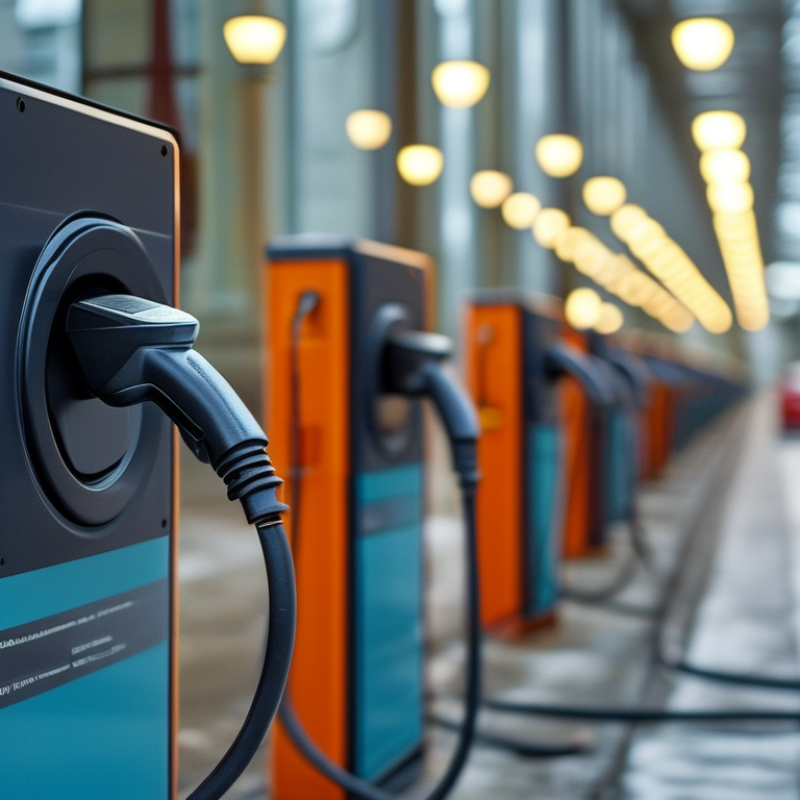
How Do Governments Support EV Charging Deployment Globally?

Global Overview of Government Actions Supporting EV Charging Infrastructure

Governments worldwide play a crucial role in advancing electric vehicle (EV) charging infrastructure. Data from the International Energy Agency shows that global EV sales reached 6.6 million units in 2021, reflecting a growth rate of 108% compared to the previous year. This surge has spurred significant investments in charging infrastructure. For instance, the European Union has dedicated over €2 billion to support charging stations by 2025.

Many countries implement various incentives to entice private investments. In the United States, over 29,000 charging outlets exist thanks to federal and state partnerships. However, less than 30% of these are fast chargers, indicating a gap in infrastructure adequacy. Meanwhile, Asian countries like China have installed more than 1.2 million public charging points, yet rural areas still face challenges. Issues such as charging speed and accessibility remain obstacles for wider EV adoption.

Supportive policies also include grants and subsidies for installation. Nonetheless, not all regions enjoy the same level of commitment. Some states lag in creating comprehensive charging networks, demonstrating a need for cohesive action. Despite these challenges, the global commitment to enhancing EV charging infrastructure remains resolute, reflecting a shift towards sustainable transportation solutions.

How Do Governments Support EV Charging Deployment Globally? - Global Overview of Government Actions Supporting EV Charging Infrastructure

Country/Region Government Policy Funding Amount (USD) Charging Stations Supported Key Initiative
Norway Direct subsidies for charging points 10,000,000 1,500 Nationwide Infrastructure Expansion
Germany Tax incentives for EV charging points 20,000,000 3,000 Federal Charging Network Initiative
United States Grant programs for local governments 50,000,000 7,500 Build America Initiative
China Subsidies for municipal charging infrastructure 30,000,000 5,000 National EV Infrastructure Plan
France Public funding for charging station projects 15,000,000 2,000 Electric Mobility Aid

Financial Incentives and Subsidies for EV Charging Stations

Governments around the world are recognizing the importance of electric vehicle (EV) charging infrastructure. Financial incentives and subsidies play a significant role in accelerating the deployment of EV charging stations. Different countries adopt various strategies to encourage investments in this sector. These incentives often include grants, tax credits, and rebates for both consumers and businesses.

Tips: Research local policies. Some regions may offer unique benefits that can optimize your costs.

In many cases, governments also partner with private companies. These partnerships can enhance the development and accessibility of charging stations. While incentives are broadly effective, challenges persist. Issues like uneven funding distribution can lead to underdeveloped areas receiving less support. This inequity requires continuous assessment and adjustment.

Tips: Stay informed. Periodic updates on funding can reveal new opportunities.

It's crucial to create a balanced approach to EV charging deployment. Some policies may focus solely on urban centers, neglecting rural areas. This can create gaps in availability and deter potential EV users. Understanding these nuances is essential for effective policy-making.

Government Financial Incentives for EV Charging Stations Worldwide

Regulatory Frameworks and Policies Promoting EV Charger Installation

Governments worldwide are keen on promoting electric vehicle (EV) adoption. Key to this is creating supportive regulatory frameworks and policies that encourage EV charging station installations. Many countries have developed incentives like grants or rebates to reduce initial costs. These financial measures are crucial for easing barriers faced by potential investors.

Aside from financial incentives, regulations play a vital role. Some regions have mandated a specific number of chargers per parking space in new developments. This ensures accessibility and convenience for EV users. Standardizing charger types is another critical area. Establishing uniformity helps streamline usage and increases consumer confidence.

**Tip:** Local businesses can engage with municipalities to understand specific requirements in their area.

However, challenges remain. Old infrastructure can complicate new installations. Bureaucratic hurdles often slow progress. Finding the right balance between safety standards and innovation is essential. Continuous stakeholder engagement is needed to address these ongoing issues.

**Tip:** Consider community feedback when implementing charging stations. This can enhance usage rates and address local needs effectively.

Public-Private Partnerships in EV Charging Deployment

Public-private partnerships (PPPs) play a crucial role in deploying electric vehicle (EV) charging infrastructure. Governments worldwide leverage these collaborations to enhance the charging network. According to the International Energy Agency, there were over 2.1 million public chargers globally in 2020, with an anticipated growth rate of about 25% annually. This promising trend is partly fueled by effective PPP models that attract private investment and expertise.

Collaboration between governments and businesses can enhance operational efficiency. These partnerships often pool resources, expertise, and technology. For instance, local authorities may provide land and regulatory support, while private companies bring in capital and advanced charging solutions. However, the challenge remains in ensuring these partnerships are equitable. Disparities in investment can create gaps in coverage. The risk of prioritizing urban over rural areas is a concern.

Tips: Evaluate potential partners carefully. Ensure that all stakeholders have aligned interests. Establish clear metrics for success, including accessibility and user satisfaction. Regular assessments of these collaborations can help pinpoint areas for improvement. By focusing on sustainable development, PPPs can pave the way for a more robust EV charging infrastructure that truly meets the public's needs.

International Case Studies of Effective Government Support for EV Charging

Governments around the world are recognizing the urgency of expanding electric vehicle (EV) charging infrastructure. In Norway, for instance, nearly 54% of all new car sales in 2021 were electric vehicles, driven largely by sustained government support. These initiatives include generous subsidies for EV purchases and the establishment of widespread public charging networks. As a result, Norway boasts one of the highest densities of charging stations globally, with over 2,000 locations available.

In the United Kingdom, the government launched the "Road to Zero" strategy aimed at reducing emissions. Reports suggest that the UK plans to invest £1.3 billion to create a robust charging network by 2025. This funding is crucial, considering studies indicate that enhancing charging accessibility can increase EV adoption rates significantly. However, challenges remain. Many rural areas still lack sufficient charging stations, causing potential buyers to hesitate.

Moreover, in the United States, federal policies have led to grants for EV infrastructure development. Yet, a 2022 report highlighted that charging locations are unevenly distributed, primarily in urban regions. It raises questions about the inclusiveness of these initiatives. A widespread network is essential for fostering long-term consumer confidence in EVs, but gaps persist, indicating the need for reflection and improvement in policy implementation.

FAQS

: What financial incentives are available for EV charging stations?

: Governments offer grants, tax credits, and rebates to encourage charging station development.

How do public-private partnerships affect EV charging stations?

These partnerships enhance development and make charging stations more accessible.

What challenge exists in funding EV infrastructure?

Uneven funding can leave underdeveloped areas with fewer resources.

Why is understanding local policies important?

Different regions may have unique incentives that can optimize costs effectively.

How can regulations support EV charging installations?

Some areas mandate charger numbers per parking space, improving accessibility.

What issue can arise from outdated infrastructure?

Old systems can complicate the installation of new charging stations.

How does community feedback benefit EV charging projects?

It helps address local needs and can increase usage rates.

What gap still persists in EV charging accessibility?

Many rural areas lack sufficient charging stations, deterring potential EV users.

Why is standardizing charger types important?

Uniformity streamlines usage and boosts consumer confidence in EVs.

What reflection is needed regarding charging network distribution?

The uneven distribution in urban centers raises concerns about inclusivity and access.

Conclusion

Governments worldwide play a crucial role in supporting EV charging deployment through various strategies and initiatives. This includes a comprehensive global overview of actions taken to enhance EV charging infrastructure, such as financial incentives and subsidies that encourage the installation of charging stations. Additionally, regulatory frameworks and policies are established to streamline the process for deploying EV chargers, ensuring that they meet necessary standards and are widely accessible.

Public-private partnerships also significantly contribute to the expansion of EV charging networks, allowing for shared resources and expertise. International case studies illustrate effective government support for EV charging, showcasing successful models that can be replicated in different regions. Overall, these efforts highlight how governments support EV charging deployment, fostering a sustainable future for electric mobility and addressing the challenges of climate change.

Oliver

Oliver

Oliver is a seasoned marketing professional with a wealth of expertise in driving brand awareness and engagement. With a deep understanding of our company's product offerings, he consistently delivers high-quality content that enriches our professional blog. His insights not only shed light on......