As electric vehicle adoption accelerates, charging stations are becoming more than places to refill a battery. They are evolving into retail, energy, and digital service platforms. The central question is: how can charging stations create new revenue streams without damaging customer trust?
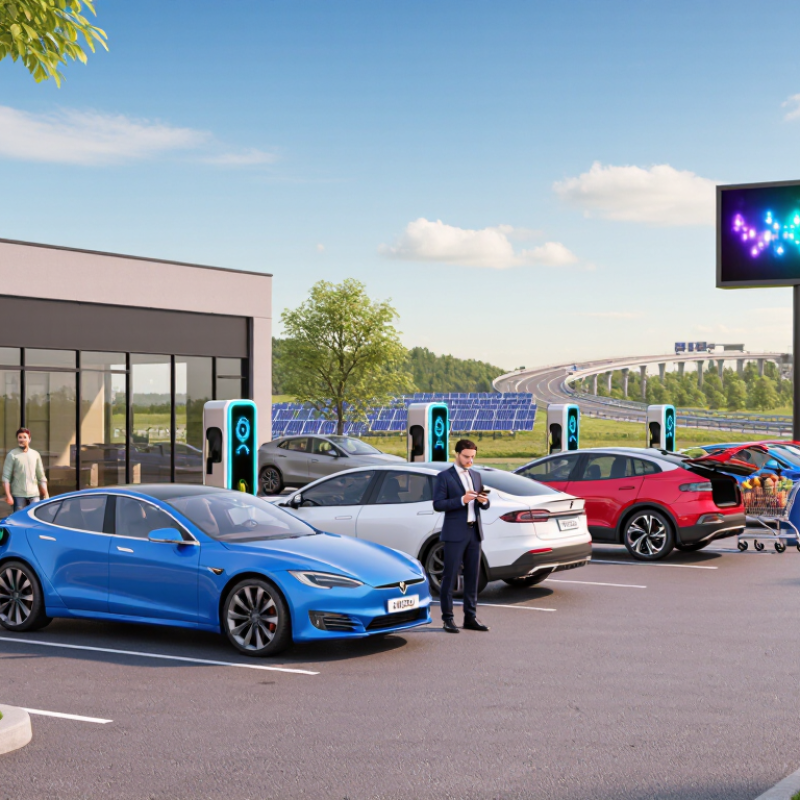
Pasquale Romano, former ChargePoint chief executive, once described charging as “the new fueling.” His observation remains useful, but it needs a broader commercial interpretation. Operators can combine charging fees with memberships, fleet contracts, workplace charging, parking partnerships, and carefully selected advertising. A station beside a supermarket may earn from charging, longer customer visits, and retailer-funded promotions. A highway site can add premium pricing, food services, battery storage, and solar generation.
The strongest models begin with operational evidence. Measure charger utilization by hour, average dwell time, repeat visits, and payment conversion. Then test one revenue idea at a time. Small pilots matter. A monthly membership may increase loyalty, yet it can reduce occasional-user income. Dynamic pricing can improve utilization, but confusing rates may frustrate drivers. Advertising can generate cash, though excessive screens could weaken the customer experience.
Reliable uptime remains the foundation. No partnership can repair a broken charger at 7 a.m. Operators also need transparent pricing, secure payments, accessible design, and compliance with local requirements. Energy sales, grid services, and anonymized data products may become important later. Still, assumptions should be challenged. More revenue does not always mean better economics. The profitable station of 2026 will likely balance convenience, reliability, and several modest income sources rather than depend on one ambitious idea.
What Charging Stations Are and Why Their Revenue Potential Is Growing
Charging Stations and Their Growing Revenue Potential
Charging stations are electrical sites that supply energy to electric vehicles. They may serve workplaces, apartment buildings, retail areas, highways, or fleet depots. Their income can come from charging fees, parking, subscriptions, advertising, and nearby retail activity.
The market is expanding quickly.
The International Energy Agency reported more than four million public charging points worldwide at the end of 2023. Public charging capacity also grew by over 40% that year. The U.S. Department of Energy’s Alternative Fuels Data Center recorded more than 200,000 public charging ports in the United States during 2024.
These figures show rising infrastructure demand, not guaranteed profits.
Utilization matters most.
A station with steady evening traffic can earn from every occupied bay. A poorly located site may remain idle for hours.
That hurts.
What operators should study
Operators should study traffic patterns, local parking behavior, electricity tariffs, and maintenance records before investing. Faster chargers can increase turnover, but they often require expensive grid upgrades. Software can support dynamic pricing and remote fault detection. Extra services may improve site economics, yet they can distract from basic reliability. Customers notice a broken connector immediately.
Room for new revenue models
The IEA’s Global EV Outlook 2024 indicates that public charging capacity must expand substantially this decade. That creates room for new revenue models. Still, projections can be optimistic. Real-world demand, connection delays, and unexpected repairs deserve careful testing.
How Public Charging Fees Create Direct Income
2026 Best Ways Charging Stations Create New Revenue
Public charging fees can create direct income when pricing matches real driver behavior. The International Energy Agency reported nearly four million public charging points worldwide at the end of 2023. More than 600,000 were added that year, according to its Global EV Outlook 2024. This growth creates a wider payment base, but chargers do not earn automatically. A station near offices may perform well during weekdays. A highway location may depend on weekends, holidays, and weather. Operators can charge by energy, time, or session, depending on local rules and customer expectations.
A practical revenue model combines transparent rates with reliable uptime. For example, a station selling 500 kWh daily at $0.35 per kWh generates $175 in gross daily charging revenue. That figure excludes electricity, maintenance, payment processing, rent, and demand charges. The U.S. Department of Energy highlights uptime and charging availability as important infrastructure performance measures. A broken connector can erase income quickly. I would not assume premium pricing always works. Drivers may accept higher fees for speed, lighting, restrooms, and predictable access. They may reject unexplained fees.
Tips: Track revenue per connector, not only total sales. Test prices by hour and location. Display the final cost before charging begins. Review idle fees carefully; they may improve turnover, but poor communication can damage trust. Keep a reserve for repairs. Small operating mistakes become expensive at scale.
2026 Best Ways Charging Stations Create New Revenue? - How Public Charging Fees Create Direct Income
| Revenue Stream |
Charging Fee Structure |
Planning Rate |
Example Usage |
Illustrative Daily Gross Income |
How It Creates Direct Income |
| Energy-Based Charging |
Charge customers for electricity delivered |
$0.25–$0.70/kWh |
300 kWh/day at $0.40/kWh |
$120 |
Creates a direct transaction each time a vehicle receives energy. |
| Time-Based Charging |
Charge according to connection or charging time |
$0.10–$0.40/minute |
180 billable minutes/day at $0.20 |
$36 |
Monetizes occupied charging capacity, especially where electricity-based billing is restricted. |
| Session Fee |
Fixed fee added to each charging session |
$0.50–$2.00/session |
60 sessions/day at $1.00 |
$60 |
Adds predictable revenue regardless of the amount of energy dispensed. |
| Idle or Overstay Fee |
Fee applied after charging is complete or a grace period ends |
$0.10–$0.40/minute |
300 chargeable minutes/day at $0.20 |
$60 |
Generates income from space occupation and encourages faster charger turnover. |
| Parking-Linked Charging |
Separate parking charge combined with charging access |
$1–$5/hour |
40 paid hours/day at $2.00 |
$80 |
Adds parking income at retail, workplace, airport, hotel, and municipal locations. |
| Peak-Time Pricing |
Higher energy or time rates during high-demand periods |
15%–40% premium |
100 kWh during peak hours at $0.50/kWh |
$50 |
Improves revenue per kWh while reflecting higher grid demand or operating costs. |
| Subscription Plans |
Recurring monthly fee for discounted rates or access benefits |
$5–$30/member/month |
100 members at $15/month |
$50 |
Provides recurring revenue and can increase customer retention and charging frequency. |
| Fleet Charging Accounts |
Contracted billing for commercial vehicles and managed fleets |
$0.30–$0.60/kWh |
500 kWh/day at $0.35/kWh |
$175 |
Converts predictable commercial demand into contracted, repeat charging revenue. |
| Reservation Fee |
Fee for reserving a charger or time slot in advance |
$0.50–$3.00/reservation |
20 reservations/day at $1.00 |
$20 |
Monetizes convenience and helps reduce uncertainty for drivers at busy sites. |
| Energy-Management Premium |
Premium service for scheduled, optimized, or renewable-energy charging |
$0.02–$0.10/kWh |
300 kWh/day at $0.05/kWh |
$15 |
Creates an additional charge for flexible scheduling, renewable-energy matching, or managed charging. |
| Illustrative Total Across Separate Revenue Examples |
$666/day |
Examples are not additive unless the same site supports all listed services. |
Note: Planning rates reflect commonly used public-charging fee structures and indicative ranges. Actual prices depend on local electricity costs, taxes, regulations, parking rules, charger power, demand, and operating expenses. Illustrative income figures are calculated as rate multiplied by example usage and represent gross revenue before electricity, network, maintenance, rent, payment-processing, and tax costs.
How Retail Partnerships Turn Charging Time Into Customer Spending
2026 Best Ways Charging Stations Create New Revenue
Charging time can become useful retail time when stations sit near relevant, convenient services. A grocery store, café, pharmacy, or fitness center can offer a clear reason to stay nearby. Drivers may browse shelves while their vehicles gain range. They may also buy breakfast, collect a prescription, or use a restroom.
Successful partnerships begin with shared customer data, not guesswork. Operators should compare charging duration with average shopping time, basket value, and repeat visits. A simple pilot can test digital coupons, reserved parking, or receipts that unlock nearby discounts. Retailers should track redemption rates and added spending carefully. More visits do not always mean more profit.
The experience must feel helpful, not manipulative. Signs should show walking distance, estimated charging time, and available services. Staff need basic training for payment questions and accessibility concerns. Keep it simple. Customers dislike confusing offers. Revenue can also come from lease payments, promotional placements, and service bundles. However, results vary by location, weather, traffic, and local habits. The model is not flawless. Some drivers still prefer to wait in their vehicles. Operators should respect that choice and improve gradually through feedback. Small details count. A clean path to the store, reliable chargers, and honest pricing can influence whether charging becomes a routine shopping opportunity.
How Advertising, Data, and Memberships Add New Revenue Streams
Charging stations can earn more than session fees in 2026. Advertising, useful data, and memberships can turn a parking stop into a longer customer relationship.
Digital screens can display nearby cafés, grocery offers, or local service promotions while drivers wait. Relevance matters more than volume. A crowded screen may annoy drivers and reduce trust. Stations should measure viewing time, redemption rates, and customer feedback. Advertising income is rarely guaranteed. Weather, traffic, and location can change results quickly.
Charging data can reveal demand patterns, peak hours, and common waiting times. Operators can use these insights to improve staffing, pricing, and site planning. However, data collection must remain transparent and limited. Drivers should understand what information is gathered and why. Anonymous or aggregated reporting is often safer and easier to manage. Weak data practices can damage credibility faster than they create revenue.
Tips: Create membership plans with clear benefits, such as priority support, monthly discounts, or reserved charging windows. Keep the pricing simple. Test one feature at a time. A basic plan may outperform a complicated loyalty system. Review cancellations, unused benefits, and support requests each month. Some assumptions will be wrong. That is normal, but ignoring the evidence is expensive. Consistent testing, honest communication, and careful privacy controls help build revenue that drivers can trust.
2026 Best Ways Charging Stations Create New Revenue
How advertising, data, and memberships can monetize a rapidly expanding charging network
The global public charging base grew from approximately 1.8 million points in 2021 to more than 5 million in 2024. This expanding physical network creates additional opportunities beyond electricity sales: location-based advertising, anonymized utilization insights, and recurring memberships that improve customer retention and revenue predictability.
Source: International Energy Agency, Global EV Outlook 2025. Values are rounded estimates reported for global public charging points.
How to Build a Profitable Charging Station Business in 2026
How to Build a Profitable Charging Station Business in 2026
A profitable charging station begins with utilization, not equipment volume. The International Energy Agency’s Global EV Outlook 2024 reported more than four million public charging points worldwide by the end of 2023. Over 1.3 million were added that year. Demand is growing, but empty chargers still lose money.
Choose locations near apartments, workplaces, supermarkets, and transport corridors. Study traffic patterns by hour, parking duration, grid capacity, and nearby competition. A station serving delivery fleets may earn steadier revenue than one beside a quiet highway. Charge users by energy, time, parking, or subscription, where local rules allow. Offer fleet contracts for predictable income.
Additional revenue can come from retail leases, secure parking, advertising space, and flexible grid services. The U.S. Department of Energy notes that managed charging can reduce peak-demand pressure. That may lower operating costs, but savings depend on tariffs and utility agreements. Verify the numbers locally.
My early business models were too optimistic. They assumed rapid charger use every hour. Real sites often need months to build awareness. Include maintenance, payment processing, insurance, land rent, and replacement costs. Keep cash reserves. A broken connector on a busy Friday can damage trust quickly. Profitability is possible, but only when pricing, reliability, and location work together.
FAQS
Charging stations are electrical sites that supply energy to electric vehicles. They can serve offices, apartments, shops, highways, or fleet depots. Their income may include charging fees, parking, subscriptions, advertising, and nearby retail spending.
More drivers need convenient access to electricity. More than four million public charging points existed worldwide at the end of 2023. Public charging capacity also grew by over 40% that year. Growth shows demand, not guaranteed profit.
Utilization matters most. A station near offices may fill during weekday evenings. A weak location may sit empty for hours. Operators should study traffic, parking habits, electricity prices, and repair records.
Operators can charge by energy, time, or charging session. For example, selling 500 kilowatt-hours daily at $0.35 generates $175 in gross revenue. This excludes electricity, rent, maintenance, processing fees, and demand charges. Gross revenue is not profit.
Faster chargers may serve more vehicles each day. They can improve turnover at busy locations. However, grid upgrades may cost heavily. Faster is not always better.
Track revenue for each connector, not only total sales. Test prices by hour and location. Show the final price before charging begins. Keep money aside for unexpected repairs. Idle fees may improve turnover, but unclear explanations can reduce trust.
Drivers may shop while their vehicles charge. Useful partners can include cafés, grocery stores, pharmacies, and fitness centers. Clear signs should show walking distance and estimated charging time. Some drivers still prefer waiting inside their vehicles.
Operators should compare charging time, shopping duration, basket value, and repeat visits. A small pilot can test coupons or reserved parking. Track discount redemptions and additional spending carefully. More visitors do not always mean more profit.
Reliable chargers, honest pricing, lighting, restrooms, and clean walking paths matter. Staff should understand payment and accessibility questions. A broken connector can erase revenue quickly. The model is imperfect, so feedback should guide gradual improvements.
Conclusion
Charging stations are becoming more than places to recharge electric vehicles; they are emerging as flexible commercial assets with multiple income opportunities. As electric vehicle adoption grows, operators can earn direct revenue through transparent charging fees, time-based pricing, subscription plans, and premium services. The location, reliability, charging speed, and customer experience all influence profitability, making thoughtful site selection and efficient operations essential.
The key question is: how can charging stations create new revenue streams beyond charging fees? Retail partnerships can encourage drivers to shop, dine, or use nearby services while their vehicles charge. Stations can also generate income through carefully managed advertising, anonymized usage insights, loyalty programs, and memberships that offer added convenience. In 2026, a profitable charging station business will likely combine dependable infrastructure with digital tools, customer-focused services, and partnerships that create value for drivers, property owners, and local businesses.

 Orange Energy