As electric vehicles (EVs) gain popularity, their charging infrastructure's impact on commercial real estate becomes significant. Understanding how does EV charging affect commercial real estate value is crucial for investors and property owners. EV charging stations attract tenants and customers, enhancing property appeal.
Installations like fast-charging stations can influence location desirability. Properties with convenient access to EV chargers often see increased foot traffic. However, challenges exist. Installing chargers can be costly, and infrastructure may require significant upgrades. Not all properties have the space, leading developers to reassess their designs and strategies.
Businesses must navigate these complexities. A property with EV charging may draw eco-conscious tenants. Still, it is essential to weigh the costs against perceived value. The evolving landscape of EVs presents both opportunities and risks in commercial real estate investment.
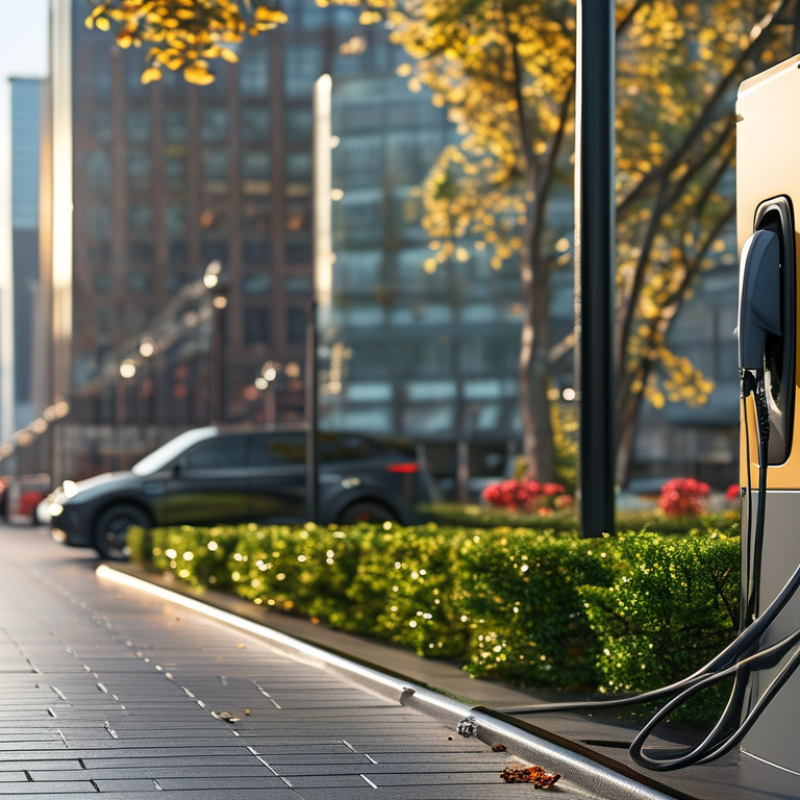
The demand for electric vehicle (EV) charging infrastructure is growing rapidly. Many businesses recognize that offering charging stations can attract customers. This is especially true in urban areas, where EV ownership is on the rise. However, integrating charging infrastructure into commercial real estate is not without challenges.
One critical aspect is the installation cost. Setting up chargers may involve significant expenses and require utility upgrades. Property owners must evaluate the potential increase in foot traffic against these costs. The reality is that not every location will yield an immediate return on investment. Thoughtful planning is essential to ensure financial viability.
Tip: Research local EV adoption rates in your area. This information can help you gauge the potential demand for charging stations.
Another important factor is regulatory compliance. Different regions have varying requirements for EV chargers. These regulations can affect installation and operation. Staying informed about local laws is vital to avoid costly mistakes.
Tip: Consult with experts in EV infrastructure. Their insights can guide you through the complexities of installation and regulations.
Finally, customer convenience plays a crucial role. Positioning chargers in easily accessible areas greatly enhances usage. However, it may not always guarantee usage. Monitoring customer habits can provide better insights for future enhancements.
The relationship between EV charging and property values is increasingly significant. As electric vehicles gain popularity, the need for accessible charging stations rises. Property owners must consider how adding EV chargers can enhance overall value. Studies show that properties with charging facilities often experience higher occupancy rates and can attract a broader tenant base.
Tips: Evaluate local demand for electric vehicle charging. Understanding community preferences can guide your investment decisions.
Moreover, integrating EV charging stations can differentiate properties in a competitive market. Features such as solar-powered chargers might attract environmentally conscious tenants. However, the costs associated with installation and maintenance need careful consideration. It’s essential to weigh potential returns against upfront investments.
Tips: Analyze neighboring properties with EV chargers. This can provide insight into how such features affect rental yields.
Market research suggests that buyers increasingly look for green amenities. Property values may escalate as cities push for sustainable infrastructure. However, knowing the long-term impacts on investment is crucial. Each market can respond differently based on local policies and consumer behaviors.
The integration of electric vehicle (EV) charging stations into commercial real estate is becoming increasingly significant. Demand for EV charging infrastructure is on the rise. According to a 2021 report from the International Energy Agency (IEA), global EV stock could reach 145 million by 2030. This shift can radically influence property values. Properties equipped with EV charging can attract tech-savvy tenants and environmentally conscious businesses.
Several factors contribute to this dynamic. Location is crucial. Properties in urban centers or near major transportation routes tend to see a higher impact. A study by JLL indicated that properties near EV stations can experience a value increase of up to 20%. Further, accessibility plays a role; ease of use can enhance customer satisfaction and retention.
However, not all are convinced. Initial costs for installing charging stations can be daunting. Property owners must also consider ongoing maintenance. Despite these challenges, the potential benefits appear significant. As sustainability gains traction, those who adapt may find themselves better positioned in a changing marketplace. It's important to weigh the advantages against the complexities involved in implementing such infrastructure.
The rise of electric vehicles (EVs) is reshaping commercial real estate. Evolving consumer preferences demand more charging facilities, impacting property values in notable ways. A recent report by the International Council on Shopping Centers reveals that properties with EV charging stations can see a value increase of up to 20%. For commercial spaces, this is no small change.
Analyzing local markets is essential. A study in California showed that office buildings with charging infrastructure experienced lower vacancies. Tenants prefer spaces that offer convenient charging options. This trend reflects a growing expectation for sustainability in businesses. Charging stations are turning into competitive advantages.
Data also indicates some challenges. While some developers invest in EV infrastructure, return on investment is not always guaranteed. Several properties struggled to attract tenants despite installation. Landlords must balance costs and benefits carefully. Ultimately, being proactive in the EV market is crucial for maximizing property potential.
The emergence of electric vehicles (EVs) is reshaping the landscape of commercial real estate. As more consumers embrace EVs, the demand for charging infrastructure is steadily rising. This trend means that commercial properties with EV charging stations can often attract more tenants and customers. Property owners are recognizing that adding charging stations is not just an upgrade; it's a necessity for staying competitive.
Investors are beginning to see the value in properties equipped with EV charging. Data suggests that these properties often have higher occupancy rates. However, the upfront costs of installation and maintenance can be a concern. Property developers must weigh the initial investment against potential rental income. Not all locations will benefit equally from EV charging, so market research is essential.
While the future of EV charging looks promising, challenges remain. Not all commercial spaces are ideal for installation. Some buildings may face zoning restrictions or space limitations. Furthermore, technology is rapidly evolving, leaving property owners to navigate potential obsolescence as newer, faster charging solutions emerge. Balancing these factors will be crucial for making informed investment decisions.
| Property Type | EV Charging Availability | Impact on Valuation (%) | Investment Attraction (Scale 1-10) | Future Trend Prediction (Years) |
|---|---|---|---|---|
| Office Buildings | Available | 15% | 8 | 3 |
| Retail Spaces | Partially Available | 10% | 7 | 5 |
| Industrial Warehouses | Limited | 5% | 5 | 8 |
| Mixed-Use Developments | Fully Available | 20% | 9 | 4 |
| Hotels | Available | 12% | 6 | 6 |
: The rise in electric vehicle ownership is significantly increasing the demand for EV charging stations.
Installation costs and potential utility upgrades can be substantial, requiring careful financial assessment.
Owners should research local EV adoption rates to estimate potential demand.
Different regions have various requirements, and compliance helps avoid costly mistakes during installation.
Accessible charger locations can increase usage and enhance customer satisfaction, but it doesn't always guarantee high traffic.
Properties with charging stations may see value increases, particularly in urban areas or near major transport routes.
Experts can help navigate installation complexities and ensure compliance with local regulations.
Initial costs and ongoing maintenance can be daunting, leading to caution in investment decisions.
Buildings with EV charging typically experience lower vacancy rates as tenants prefer convenient options.
No, some properties may struggle to attract tenants post-installation, indicating mixed results.
The article "How Does EV Charging Impact Commercial Real Estate Value?" explores the increasing demand for electric vehicle (EV) charging infrastructure and its significance to property values. It delves into the integral relationship between EV charging stations and commercial real estate valuations, highlighting how the presence of charging facilities can elevate market appeal and attract tenants. Factors influencing this impact include location, accessibility, and the type of commercial property involved.
Additionally, the article presents several case studies demonstrating the positive effects of EV charging facilities on local markets, illustrating a trend where properties equipped with such amenities tend to outperform their counterparts. As sustainable practices and electric vehicle adoption continue to rise, understanding how does EV charging affect commercial real estate value will be crucial for investors and developers aiming to stay competitive in a transforming market. Future trends indicate that the integration of EV infrastructure will play a pivotal role in shaping investment strategies within the commercial real estate sector.
Orange Energy