Installing electric vehicle chargers can look simple on a site plan. In practice, the work often begins with questions about power capacity, parking layouts, permits, and daily business operations. A charger may need more electrical capacity than an older building can provide. The nearest suitable panel might also sit across a busy warehouse or office area.
So, what challenges do businesses face when installing ev chargers? The answer depends on property conditions, vehicle demand, budget, and local requirements. Businesses may encounter expensive utility upgrades, limited parking space, long equipment lead times, and unclear ownership responsibilities. Weather exposure can affect outdoor hardware. Poor cable placement can create trip hazards or frustrate drivers. These details matter.
A reliable installation starts with a proper site assessment. Qualified electricians should review the service panel, available load, grounding, conduit routes, and future expansion plans. Experienced contractors can also compare charger speeds, software platforms, maintenance needs, and payment systems. A fast charger is not always the best choice. It may increase installation costs without matching employee or customer demand.
There is no universal solution. A small retail site may need two dependable Level 2 chargers, while a fleet facility may require load management and scheduled charging. Some early estimates are too optimistic. That is worth admitting. Electrical drawings can change after walls are opened or utility feedback arrives. Careful planning, transparent quotes, documented inspections, and realistic timelines help businesses reduce surprises and build a safer charging experience.
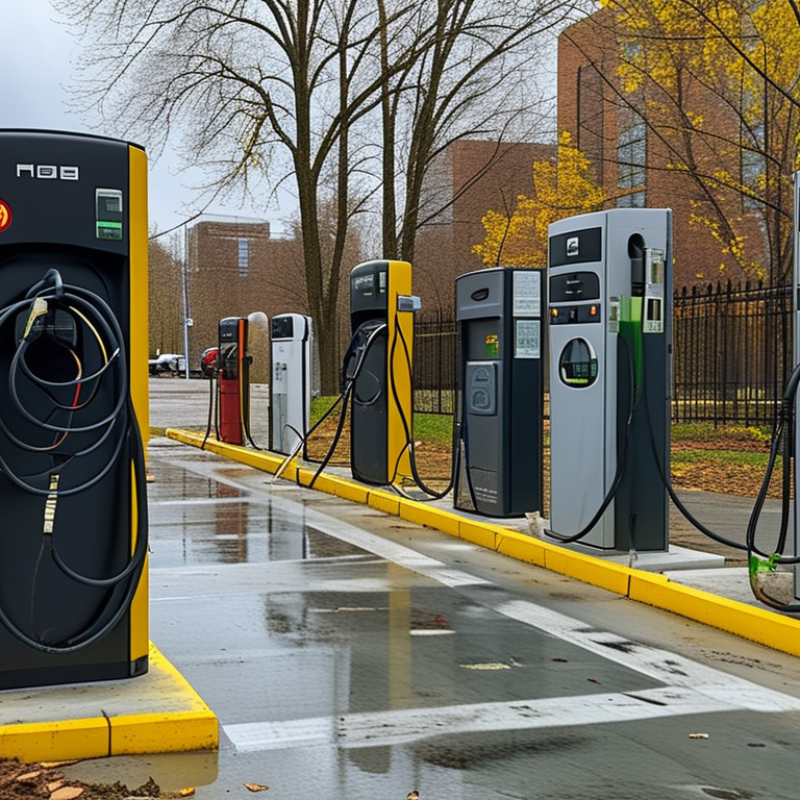
Understanding the Main Challenges of Installing EV Chargers
How to Overcome Challenges Installing EV Chargers?
Installing an EV charger is rarely just a matter of fixing a unit to a wall. The main challenge is electrical capacity. An older property may not support the charger's required load without an upgrade. A qualified electrician should inspect the panel, grounding, cable size, and protective devices before installation. Local permits and inspection rules may also apply. Skipping this step can create delays or unsafe conditions. It happens more often than people expect.
Physical access creates another challenge. Long cable routes can increase cost and reduce charging efficiency. Outdoor installations need weather protection, proper drainage, and equipment suited to changing temperatures. Shared parking areas may require clear markings and careful cable placement. Accessibility matters too. A technically correct charger can still be inconvenient if users cannot reach the connector easily. My own planning would not treat appearance as proof of quality.
Tips: Photograph the installation area first. Measure the cable route. Check the panel’s spare capacity. Ask for a written load assessment. Confirm permit requirements before ordering equipment. Leave space for future charging needs, but avoid oversizing without evidence. Test the charger under real conditions, including connection stability and safe cable handling. Record the inspection results. Small details often reveal larger problems.
Assessing Your Home or Property for Charger Installation
Assessing a property before installing an EV charger prevents expensive surprises. The IEA Global EV Outlook 2024 reported nearly 14 million electric car sales in 2023. Charging demand is growing quickly.
Start with the parking space. Is it private, accessible, and close to the electrical panel? Measure the cable route, not just the straight-line distance. A long outdoor run may require trenching, conduit, drainage protection, and weather-resistant equipment. Check the panel’s age, available breaker space, and service capacity. A visual inspection is not enough. A qualified electrician should perform a load calculation before recommending a circuit. The U.S. Department of Energy notes that Level 2 charging commonly uses 240-volt service and can add roughly 25 miles of range per hour. Actual results vary with vehicle efficiency and charger settings.
Think beyond one vehicle. The IEA expects electric car ownership to keep expanding, so today’s spare capacity may disappear later. In shared housing, confirm ownership of parking spaces, cable pathways, and electrical rooms. Utility approval or local permits may also apply. NFPA guidance emphasizes proper overcurrent protection, grounding, and installation practices for charging equipment. Do not place a socket where water collects, even temporarily. I once underestimated a short cable route; the final path crossed a walkway and needed extra protection. That mistake was avoidable. A written site plan, photographs, and an electrician’s capacity assessment create stronger evidence than a quick estimate.
How to Overcome Challenges Installing EV Chargers?
Assessing Your Home or Property for Charger Installation
Higher charging power requires greater circuit capacity. Before installation, check the electrical panel rating, available breaker space, cable routing, grounding, and local electrical requirements. Values shown are calculated from common charging voltages and continuous current limits; actual site suitability must be confirmed by a qualified electrician.
Choosing the Right EV Charger and Electrical Capacity
Installing an EV charger often begins with a capacity question, not a hardware question.
The International Energy Agency reported more than four million public charging points worldwide in 2023. That growth increases pressure on residential electrical systems. A home panel may already serve ovens, heat pumps, and water heaters. Adding a 7.2-kilowatt Level 2 charger can expose hidden limits. The charger rating is not the only concern. Cable length, voltage stability, and charging schedules also affect performance.
The U.S. Department of Energy’s Alternative Fuels Data Center lists Level 1 charging near 1.4 kilowatts and Level 2 charging up to 19.2 kilowatts. Higher output is not automatically better. A qualified electrician should complete a documented load calculation before installation. They should inspect the panel, feeder, grounding, protective devices, and available space. In older properties, upgrading the service may cost more than the charger. That reality is easy to underestimate. I have also seen planning focus too heavily on maximum speed, while daily driving needs much less energy.
Tips:
Match charger output to your overnight mileage. Leave spare capacity for future appliances. Consider scheduled charging during quieter hours. Ask for measured voltage and load readings, not guesses. Avoid relying on a simple panel-space check. A full panel can sometimes support charging, while an apparently spacious panel may not. Review the installation with a licensed professional and retain the test records. The numbers may still change after real-world use.
Following the Permits, Wiring, and Installation Process
Installing an EV charger is rarely just a wall-mounting task. The IEA’s Global EV Outlook 2024 reports more than four million public charging points worldwide by the end of 2023. That growth increases pressure on local electrical systems. Before buying equipment, confirm the charger’s voltage, amperage, and continuous load with a licensed electrician. Submit the permit application to the local authority. Requirements may include a site plan, load calculation, equipment specifications, and inspection fees. Rules vary by location.
Wiring deserves careful attention. A typical Level 2 charger uses a dedicated 208 or 240-volt circuit. The National Electrical Code, NFPA 70, requires specific protection for many EV charging installations, including ground-fault protection. The electrician should check panel capacity, conductor size, conduit routing, grounding, and weather exposure. Long cable runs can increase voltage drop and cost. I have seen projects delayed because the panel looked adequate, but its service rating was overlooked. That mistake is avoidable, yet common.
Tips:
Photograph the panel and proposed cable route before requesting a quote. Ask who obtains the permit and schedules the inspection. Keep the charger accessible, protected from vehicle impact, and close enough to reduce cable length. Do not hide wiring behind finished walls before approval. The U.S. Department of Energy’s Alternative Fuels Data Center also recommends verifying local installation requirements and qualified electrical work. A rushed installation may function today, but future repairs can become unnecessarily difficult.
Testing the Charger and Solving Common Installation Problems
Installing an EV charger can look simple until testing reveals hidden problems. A qualified electrician should verify the circuit, grounding, cable size, and breaker rating before energizing the unit. After installation, check the supply voltage with a reliable meter. Then connect the charger and observe its indicator lights, cooling fan, and startup sequence. A successful power-up is not enough.
Common faults often have ordinary causes. A loose terminal may create heat, intermittent charging, or a burning smell. An undersized circuit can trip the breaker when charging reaches full load. Poor grounding may trigger a fault message before power reaches the vehicle. Test with the intended vehicle, because charger and vehicle communication can fail even when the display looks normal. Stop immediately if the cable, plug, or enclosure becomes unusually warm. Do not reset a repeatedly tripping breaker without finding the cause.
Tips: Keep the manual nearby. Record voltage readings before and during charging. Inspect terminals again after the first few charging sessions. Check that outdoor seals remain tight after rain. I would not skip this follow-up; early checks can expose mistakes that initial testing misses. If charging remains unstable, isolate the circuit and ask a licensed professional to inspect the wiring, protection devices, and communication signals.
Conclusion
Installing an EV charger can be straightforward when the project is planned carefully, but several challenges may arise. Property owners must evaluate available space, parking access, wall or ground conditions, cable routes, and the existing electrical system. A suitable charger should match the vehicle’s requirements, charging habits, and the property’s electrical capacity. If the supply is limited, an electrical upgrade or load-management solution may be necessary. It is also important to understand what challenges do businesses face when installing ev chargers, including higher power demands, multiple charging points, limited parking layouts, and the need to coordinate installation with daily operations.
The installation process should include proper permits, safe wiring, appropriate protection devices, and work completed by a qualified professional. After installation, the charger should be tested for power delivery, communication, safety functions, and reliable connection. Common problems such as tripped circuits, slow charging, overheating, or connection failures can often be addressed by checking the electrical load, cable condition, settings, and ventilation. Careful preparation and thorough testing help create a dependable and safe charging experience.

 Orange Energy