How Smart EV Charging Boosts Energy Efficiency for All Users?

Time:2026-05-22 Author:Sophia
0%

The rise of electric vehicles (EVs) has led to increased energy demands and challenges in energy distribution. Smart EV charging is emerging as a key solution. By utilizing advanced technologies, smart charging can enhance energy efficiency across the electric grid. According to the International Energy Agency (IEA), smart charging could reduce peak demand by 10-15%. This staggering figure underscores the importance of integrating intelligent systems into EV infrastructure.

Experts in the field, such as Dr. Emily Carter, a leading authority on sustainable energy, highlight the benefits of smart charging. She states, "Smart EV charging not only optimizes energy use but also supports the overall stability of the grid." This perspective illustrates that understanding how does smart EV charging improve energy efficiency is vital for future developments. However, implementation can be complex. Key factors, such as varying user needs and infrastructure readiness, require careful consideration.

Despite the advantages, there are obstacles to widespread adoption. Compatibility issues and user apprehensions must be addressed to realize the full potential of smart EV charging. By navigating these challenges, we can harness smarter solutions that benefit both individuals and the environment.
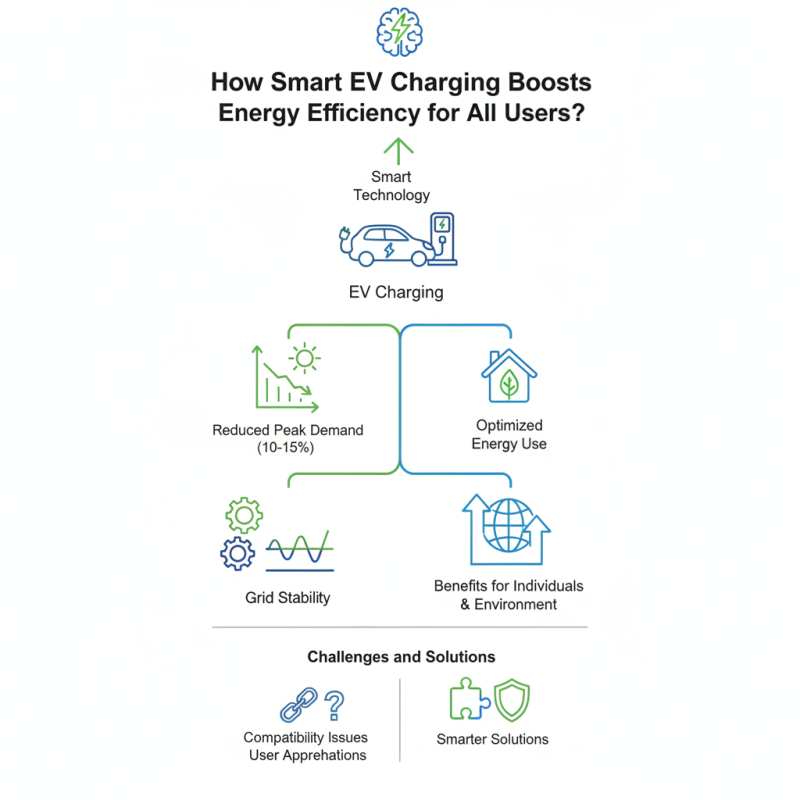
How Smart EV Charging Boosts Energy Efficiency for All Users?

The Concept of Smart EV Charging and Its Importance

Smart EV charging represents a transformative approach to energy management. This concept allows electric vehicles to connect and communicate with the grid intelligently. The importance of smart charging lies in its potential to optimize energy use, reduce costs, and minimize emissions. According to a recent report by the International Energy Agency, smart EV charging can increase grid efficiency by up to 20%. This is especially crucial as more electric vehicles enter the market.

Data from the U.S. Department of Energy indicates that, during peak hours, approximately 75% of energy from fossil fuels is used for electricity generation. Smart charging helps alleviate this issue by shifting EV charging to off-peak times. This shift results in a more stable grid and lower energy bills for users, who can take advantage of lower rates. However, the technology is still in its infancy. Hundreds of millions of dollars are needed for infrastructure upgrades to fully realize these benefits.

While the benefits are clear, there are challenges. User adoption is still hesitating, with a study showing that only about 30% of EV owners use smart charging systems. Many still have concerns about reliability and ease of use. Addressing these issues is essential to encourage broader acceptance and effective implementation of smart EV charging solutions.

How Smart EV Charging Works: A Technical Overview

Smart EV charging leverages advanced technologies to enhance energy efficiency. By optimizing charging times, it benefits both users and the grid. Charging during off-peak hours helps reduce costs and minimizes strain on the energy system. This is crucial for balancing the increasing demand for electricity, especially with the rise of electric vehicles (EVs).

The technical foundation of smart EV charging includes features like grid communication and user preferences. Smart chargers interact with the power grid. They adjust according to real-time energy demand and supply. For instance, if more renewable energy is available, the charging can adapt instantly. Users can also program their preferences, ensuring a flexible and tailored charging experience.

However, the technology isn’t flawless. Users sometimes face compatibility issues. Not all charging stations support the latest smart features. Furthermore, privacy concerns arise as data is shared between chargers and utility companies. These challenges highlight the need for ongoing improvements in smart charging systems. Balancing convenience, efficiency, and security remains a critical focus.

The Environmental Benefits of Efficient EV Charging

Electric vehicles (EVs) are becoming a staple in transportation. Efficient EV charging systems play a crucial role in minimizing energy waste. When charging is smartly managed, it adapts to user behavior and grid demand. This dynamic approach not only enhances efficiency but also reduces peak energy usage.

The environmental benefits are significant. By distributing charging over less busy times, we decrease the strain on power plants. This helps lower emissions. A well-timed charge can align with renewable energy availability, such as wind or solar power. As a result, we actively support the transition to a greener grid.

Tips for maximizing EV charging efficiency: Charge during off-peak hours to utilize cleaner energy. Use home energy management systems to automate your charging patterns. Additionally, consider integrating solar panels for a more eco-friendly power source. Reflecting on our habits may inspire improvement. Are we doing enough to reduce our carbon footprint?

User-Centric Features of Smart Charging Technology

Smart charging technology is transforming the electric vehicle (EV) experience. User-centric features are at the core of this innovation. These features prioritize the driver’s needs, enhancing efficiency and convenience. EV owners can easily schedule charging times to match off-peak energy rates. This not only reduces costs but also minimizes strain on the grid.

Real-time monitoring is another key aspect. Users can track their energy consumption and charging progress through a mobile app. This transparency fosters a sense of control. Some users, however, may feel overwhelmed by too much data. Simplifying this information could enhance their experience.

Moreover, smart charging systems can learn user habits. They adapt to individual preferences over time. This personalization is valuable, yet it can raise concerns about data privacy. Users must be selective about the information they share. Balancing user empowerment with privacy remains a critical challenge in smart EV charging technology.

Future Trends in Smart EV Charging and Energy Management

The landscape of smart EV charging is evolving rapidly. By 2030, it's projected that over 145 million electric vehicles will be on the roads globally. This shift requires innovative charging solutions to optimize energy use. Smart charging technologies can balance energy demand, reducing strain on the grid during peak hours. Utilizing real-time data, these systems adjust charging speeds and schedules.

Integration with renewable energy sources is also a key trend. During the day, solar and wind power can be harnessed to charge vehicles. This not only reduces costs for users but also promotes sustainability. A report by the International Energy Agency notes that smart charging can decrease grid overload. However, challenges remain. Infrastructure investment is crucial to support widespread implementation.

Relying solely on technology has its pitfalls. User behavior can complicate load management, leading to inefficiencies. Educating users on optimal charging practices is vital for future success. Real-world applications can improve with feedback and data analysis. The future of smart EV charging will depend on collaboration between stakeholders and constant adaptation to user needs.

FAQS

: What is smart EV charging?

: Smart EV charging optimizes energy use and reduces costs by adjusting charging times based on demand.

How does smart charging benefit users?

It allows charging during off-peak hours, lowering costs and minimizing energy system strain.

What technology is behind smart EV charging?

Smart chargers communicate with the grid and adapt to real-time energy supply and demand.

Can users set their own preferences for EV charging?

Yes, users can program preferences for a flexible and personalized charging experience.

What challenges do users face with smart charging?

Compatibility issues can occur, as not all stations support advanced smart features.

Are there privacy concerns with smart EV charging?

Yes, data sharing between chargers and utility companies raises privacy issues for users.

What are the environmental benefits of efficient EV charging?

It reduces energy waste and emissions by distributing charging to off-peak times, aligning with renewables.

How can users maximize charging efficiency?

Charge during off-peak hours and use home energy management systems to automate patterns.

Why is it important to reflect on our charging habits?

Reflecting can inspire better habits and improve efforts to reduce our carbon footprint.

Is the technology behind smart EV charging perfect?

No, ongoing improvements are necessary to balance convenience, efficiency, and security.

Conclusion

Smart EV charging is an innovative solution that enhances energy efficiency by optimizing the charging process for electric vehicles. It operates through advanced technology that allows real-time communication between the vehicle, the charging infrastructure, and the power grid. This dynamic interaction ensures that users are charged during off-peak hours, effectively balancing demand and reducing strain on the electrical grid. By managing energy supply intelligently, smart EV charging reduces waste and lowers overall energy consumption, demonstrating how smart EV charging improves energy efficiency for all users.

In addition to its technical advantages, smart charging technology also offers user-centric features that prioritize convenience and accessibility. These include real-time monitoring of energy usage, cost-saving options, and integration with renewable energy sources. As we look to the future, trends indicate a growing emphasis on smart EV charging solutions that will not only enhance individual user experience but also contribute to broader environmental benefits and energy management strategies.

Sophia

Sophia

Sophia is a dedicated marketing professional with an exceptional depth of knowledge about her company's products and services. With a keen understanding of market trends and customer needs, she crafts insightful blog posts that not only inform but also engage readers, enriching the company’s online......