As electric vehicles (EVs) gain popularity, understanding how does destination EV charging work becomes essential. According to a report by the International Energy Agency, global electric car stock reached 10 million units in 2020, a number that continues to rise rapidly. By 2030, experts predict that over 230 million EVs could be on the road, emphasizing the need for adequate charging infrastructure.
Destination charging offers a solution. These chargers are typically located at hotels, malls, and restaurants, allowing EV owners to recharge while they go about their activities. This model ensures drivers can conveniently charge without interrupting their day. However, it also highlights a challenge: the need for more public charging stations to meet growing demand.
Moreover, while destination chargers are convenient, they may not always provide sufficient power for longer journeys. Current charging speeds vary, leading to longer wait times than desired in some scenarios. Understanding these aspects can help users maximize their charging experience, making it crucial to stay informed. The landscape of EV charging is evolving, and awareness of key elements will empower consumers.
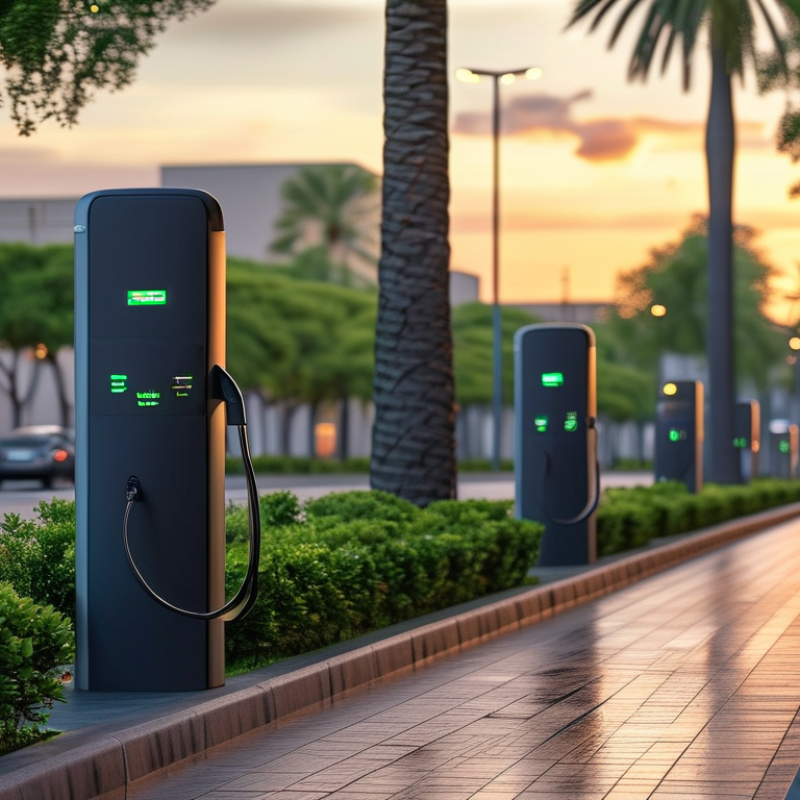
Destination EV charging refers to the infrastructure that supports electric vehicles at various locations. This includes hotels, shopping centers, and restaurants. The goal is to allow EV drivers to charge their vehicles while they engage in other activities. This model enhances convenience and encourages electric vehicle adoption.
Understanding how this infrastructure works is crucial. Charging stations can vary in speed. Some provide fast charging, while others are more suitable for overnight use. The placement of these chargers plays a significant role. Ideally, charging stations should be located near amenities that attract EV drivers. Think about it: no one wants to stand around while their car charges.
Despite advancements, challenges remain. Not all locations are equipped with sufficient electrical capacity. Additionally, the compatibility between different EV models and charging standards can create confusion for users. These issues highlight the need for continued improvements in the infrastructure. There is always room for better planning and development to make charging more user-friendly.
Destination EV charging stations play a crucial role in supporting electric vehicle usage. Understanding their key components can help maximize their effectiveness.
One essential aspect is the charging level. Level 2 chargers are common at destinations. They provide a good balance of speed and compatibility. Fast chargers, while beneficial, may require additional infrastructure and investment. Evaluate site requirements carefully.
Consider the location. Proximity to amenities encourages longer stays. Parks, shopping centers, or restaurants can enhance user experience. Look into user accessibility, ensuring participants can plug in without hassle.
Tips: Assess your charging network regularly. This helps identify issues before they escalate. Collaborate with local businesses for bundled services, improving value for both parties. Always stay updated on industry standards. This ensures your station remains competitive and user-friendly.
Charging speed is a crucial factor in the electric vehicle (EV) experience. Level 2 charging is commonly used for home charging. It typically delivers around 10 to 60 miles of range per hour. This method utilizes a 240-volt outlet, making it convenient for overnight charging. Many EV owners rely on this for daily commutes. However, it can be slow when you need a quick top-up.
DC fast charging provides a different experience. It uses higher voltage, exceeding 400 volts. With this, you can recharge an EV to 80% in about 30 minutes. This is beneficial for road trips and longer journeys. However, not all locations offer DC fast charging. This can lead to range anxiety for some users. Additionally, the infrastructure for fast charging may not be as widespread as Level 2 options.
While both charging types have their benefits, they also come with challenges. Level 2 charging can be insufficient for long trips, while DC fast chargers can be scarce. Understanding these differences helps users plan better. It also raises questions about the future of EV infrastructure. More efficient and accessible charging options may be necessary as EV adoption grows.
| Charging Option | Charging Speed (Miles/hour) | Typical Use Case | Installation Cost | Availability |
|---|---|---|---|---|
| Level 2 Charging | 10-60 miles/hour | Home Charging and Public Stations | $500 - $2,000 | Widely Available |
| DC Fast Charging | 60-250 miles/hour | Roadside Charging and High Traffic Areas | $10,000 - $50,000 | Increasing But Limited |
| Home Charging (Level 1) | 2-5 miles/hour | Residential Use | $200 - $1,000 | Very Accessible |
| Tesla Supercharger | Up to 200 miles in 15 minutes | Long-Distance Travel | Varies by site | Extensive Network |
| Level 3 Charging (Ultra Fast) | 200-350 miles/hour | Highway Stations | $50,000 - $100,000 | Emerging Technology |
Destination EV charging has a significant economic impact on local businesses. When electric vehicle owners stop to recharge, they often spend time and money in nearby establishments. Cafes, shops, and restaurants benefit from this new clientele. This boosts sales and supports local economies. Many businesses are beginning to recognize the value of adding chargers on-site.
However, not all communities are prepared for this change. Some areas lack infrastructure, making it difficult for EV drivers to find charging stations. This can lead to frustration for customers and missed opportunities for businesses. Local governments and business owners need to cooperate in planning and development. Workshops can help stakeholders understand the benefits and challenges.
Additionally, the investment in charging stations requires careful consideration. Installation costs can be high, and some businesses may hesitate. They need to weigh the potential increase in foot traffic against initial expenses. It's crucial for businesses to analyze their local market and consumer behavior. They should ask: Is this the right time to invest? How will it affect my business? Understanding these dynamics can lead to successful integration of EV charging.
The landscape of electric vehicle (EV) charging is changing rapidly. According to recent industry reports, global EV sales grew by over 40% in the past year. Consumers are increasingly looking for reliable charging solutions that fit their lifestyle. Adoption rates are highest in urban areas, where charging infrastructure is often more developed. Rural regions still face barriers, particularly related to charging availability.
Consumer preferences indicate a strong desire for convenience. A study showed that 75% of EV owners prefer charging at home due to ease and accessibility. However, over one-third of consumers express concerns about the availability of charging stations while traveling. This gap reveals a significant opportunity for destination EV charging. Destination charging can alleviate range anxiety. Many consumers seek fast charging options, ideally located near amenities.
Despite the enthusiasm around EV adoption, challenges exist. Not all charging stations are user-friendly. Over 20% of EV owners reported issues with charging reliability. This inconsistency can deter potential buyers. Continuous improvement in charging technology and infrastructure is essential for fostering consumer confidence. The sector must address these concerns to meet the growing demand effectively.
: Charging level is crucial. Level 2 chargers balance speed and compatibility well.
Proximity to amenities, like parks or restaurants, encourages longer user stays.
Collaborating with local businesses for bundled services enhances value for all parties.
Rural regions often struggle with charging availability, limiting adoption rates.
Around 75% prefer home charging for its convenience and accessibility.
Over one-third worry about the availability of charging stations on their routes.
Over 20% of EV owners face reliability issues, which can discourage potential buyers.
Not all charging stations provide user-friendly experiences, creating barriers.
It is essential for addressing consumer concerns and meeting growing demand.
Regular assessments help identify and resolve issues before they escalate.
Destination EV charging refers to the infrastructure that allows electric vehicles (EVs) to charge at locations like hotels, restaurants, and shopping centers. Understanding how does destination EV charging work involves exploring its key components, such as charging stations equipped with either Level 2 or DC fast charging options. These stations provide varying charging speeds that can cater to different consumer needs and preferences.
The economic impact of destination charging is significant as it draws EV drivers to local businesses, potentially increasing foot traffic and sales. As consumer trends show a growing adoption of EVs and a preference for convenient charging solutions, businesses are increasingly investing in charging infrastructure to enhance their attractiveness and sustainability. Overall, destination EV charging plays a crucial role in the broader shift toward electric mobility, benefiting both consumers and local economies.

Orange Energy