How to Understand the Importance of Destination Charging for EVs?

Time:2026-07-16 Author:Isabella
0%

In recent years, the rise of electric vehicles (EVs) has transformed the automotive landscape. As more drivers embrace this eco-friendly alternative, understanding the infrastructure needed to support them becomes crucial. One key aspect many overlook is destination charging. Why is destination charging important for electric vehicles? This question merits serious attention.

Destination charging refers to the charging stations located at places where drivers spend significant time, such as shopping centers or hotels. This convenience ensures drivers can recharge while engaging in their daily activities. It alleviates range anxiety, a common concern among potential EV buyers. Additionally, it encourages longer trips and exploration, enabling a broader acceptance of electric vehicles.

Moreover, investing in destination charging infrastructure boosts local economies. Businesses that offer charging stations attract EV drivers, creating new traffic. However, the current charging network still needs improvement. Some urban areas lack sufficient charging sites, which can frustrate EV owners. Addressing these gaps is essential for building a robust EV ecosystem. Thus, the importance of destination charging cannot be understated. It plays a pivotal role in supporting the growing demand for electric vehicles.
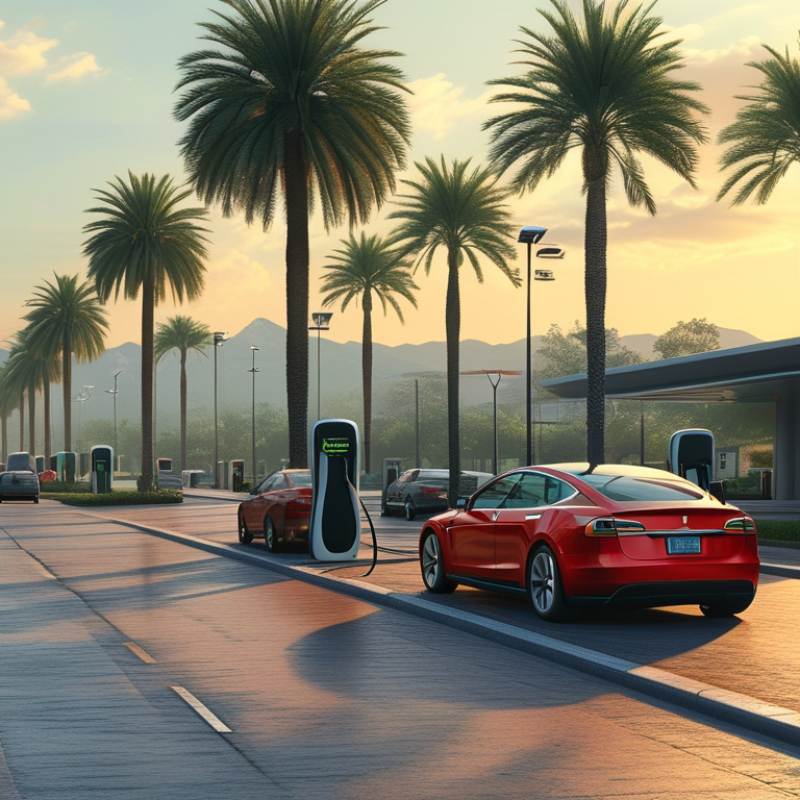
How to Understand the Importance of Destination Charging for EVs?

Understanding Destination Charging: An Overview of Its Significance

Destination charging plays a vital role in the adoption of electric vehicles (EVs). It provides charging points where EV users frequently stop, like hotels and restaurants. This adds convenience and reduces range anxiety for drivers. When ample charging opportunities are available, it encourages more people to switch to electric cars. Many users prefer to charge while they dine or stay overnight, making this approach efficient.

The significance of destination charging is multifaceted. It enables longer trips and promotes tourism in areas with charging stations. This also fosters local business growth as EV drivers are likely to spend money at these locations. However, not every destination is equipped with necessary charging infrastructure. This gap can hinder potential EV users from embracing this technology fully. Addressing these needs through planning and partnerships can improve the charging network outcome.

Understanding destination charging is crucial for urban planners and business owners. They must recognize how essential it is for fostering EV adoption. It requires ongoing investments and a collective effort from various stakeholders. Each community needs to assess its unique demands for charging infrastructure. Ensuring reliability and accessibility will support the transition towards more sustainable transportation options.

The Role of Destination Charging in Supporting Electric Vehicle Adoption

Destination charging plays a crucial role in supporting electric vehicle (EV) adoption. It provides convenient charging options for EV owners while they engage in activities. When people can charge at restaurants, shopping centers, or hotels, it eases range anxiety. This reassurance promotes wider acceptance of EVs among potential buyers.

However, the infrastructure for destination charging isn't uniformly distributed. Some regions lack sufficient access, creating barriers for users. This discrepancy can slow down the transition to electric cars. Community efforts to expand destination charging networks are vital. Local governments and businesses should collaborate to address these gaps and build reliable facilities.

Additionally, educating consumers about the benefits encourages EV adoption. Many still question how long it takes to charge. Informative campaigns can demystify the process. Sharing data about charging speeds and convenience helps clarify misconceptions. As the EV market grows, ensuring robust destination charging solutions is essential for fostering a sustainable future.

Key Benefits of Destination Charging for EV Owners and Businesses

Destination charging is increasingly vital for electric vehicle (EV) owners and businesses. It provides the convenience to charge vehicles while engaging in leisure or work activities. Consider how a driver can top up their car’s battery while enjoying a meal or shopping. This not only saves time but enhances the overall experience.

For EV owners, having access to charging stations at popular destinations boosts confidence in going electric. This infrastructure reduces range anxiety. The more places available to charge, the more appealing EV ownership becomes.

Tips for businesses: Installing charging stations can attract more customers. Many people choose destinations based on charging availability. Consider partnering with local EV networks to promote these amenities. Offering special parking or incentives can set your establishment apart from competitors. Think about how these strategies can reflect your commitment to sustainability and customer service.

Infrastructure Needs for Effective Destination Charging Solutions

Destination charging for electric vehicles (EVs) is crucial in supporting the growing adoption of sustainable transportation. However, effective infrastructure is key. Installing charging stations in strategic locations, such as shopping centers, hotels, and public parks, can make EV usage more practical and convenient. These installations should consider user accessibility and power availability to meet the demand. Inadequate infrastructure can lead to frustration, deterring potential users from choosing EVs.

An optimal charging solution requires collaboration among stakeholders. City planners, businesses, and utility providers must align their efforts. They need to address concerns about station placement and grid capabilities. Many cities suffer from insufficient charging options. This gap highlights an ongoing challenge in creating a robust EV ecosystem. Without adequate charging stations, even the most advanced EV models may struggle to gain traction among consumers.

Moreover, user experience is essential. Charging stations should be easy to use, with clear signage and operational instructions. New users may feel intimidated by complex charging processes. Creating a seamless experience encourages more drivers to transition to electric. With ongoing improvements and considerations, a successful destination charging network can emerge. This network will enable broader acceptance of electric vehicles, promoting a greener future.

Future Trends in Destination Charging and Its Impact on EV Growth

The trend of destination charging is shaping the future of electric vehicles (EVs) significantly. As reported by the International Energy Agency, charging at destinations accounts for nearly 30% of total EV charging opportunities. This trend indicates a growing recognition of the need for reliable charging infrastructure at locations where drivers spend time.

Destination charging locations, such as hotels, shopping centers, and workplaces, provide essential convenience for EV users. These sites not only support short-term charging needs but also encourage longer stays. The Electric Power Research Institute estimates that every Level 2 charger installed can support around 13 vehicles per day, attracting more customers. However, the expansion of this infrastructure faces challenges. Local authorities and businesses must invest significantly to keep pace with demand.

Future trends suggest an increase in fast chargers at key destinations. This shift could enhance the user experience, making EVs more appealing. Research indicates that 70% of potential EV buyers express a preference for more accessible charging options. Yet, there are still concerns about the network reliability and overall coverage, leading to ongoing discussions in the industry. Stakeholders must collaborate to address these gaps to foster a seamless charging ecosystem essential for widespread EV adoption. Your feedback amidst this expansion will help bridge the divide.

Importance of Destination Charging for EVs

This bar chart illustrates the projected increase in the number of destination charging stations for electric vehicles (EVs) from 2020 to 2024. As the infrastructure for destination charging improves, it is expected to contribute significantly to the growth of EV adoption.

FAQS

: What is destination charging?

: Destination charging refers to charging electric vehicles (EVs) at places like restaurants, hotels, and shopping centers.

Why is destination charging important for EV owners?

It reduces range anxiety, allowing EV owners to charge while engaging in activities.

How can businesses benefit from installing charging stations?

Installing charging stations can attract customers. Many prefer locations with charging options.

What barriers exist for destination charging?

Some regions lack charging infrastructure, which can hinder EV adoption.

How can the community improve destination charging access?

Local governments and businesses should collaborate to expand charging networks in underserved areas.

What should charging stations consider for user experience?

Charging stations must be easy to access with clear signs and simple instructions.

How can education promote EV adoption?

Informative campaigns about charging speeds and processes can help clarify misconceptions about EV charging.

What is required for effective charging infrastructure?

Collaboration among city planners, businesses, and utility providers is essential for optimal station placement.

How does destination charging enhance customer experience?

Charging while enjoying leisure activities saves time and improves the overall experience.

What challenges does inadequate charging infrastructure present?

It may deter potential users from choosing EVs, even if the vehicles are advanced.

Conclusion

Destination charging is crucial for the widespread adoption of electric vehicles (EVs) as it addresses the need for charging infrastructure at key locations such as hotels, shopping centers, and workplaces. Understanding why destination charging is important for electric vehicles involves recognizing its role in alleviating range anxiety, providing convenience for EV owners, and encouraging more businesses to support EV infrastructure.

The key benefits of destination charging include increased accessibility to charging points, enhanced user experience, and potential economic opportunities for businesses that install these chargers. As the demand for EVs continues to grow, the infrastructure needs to evolve to support efficient, effective charging solutions. Future trends indicate a significant expansion in destination charging networks, which will further facilitate EV adoption and contribute to a sustainable transportation ecosystem.

Isabella

Isabella

Isabella is a dedicated marketing professional with a sharp focus on driving brand growth and engagement through strategic content creation. With an extensive background in digital marketing, she combines her passion for storytelling with her keen understanding of industry trends to deliver......