In 2026, electric vehicles are easier to find, but convenient charging is not guaranteed. A driver with a home garage may plug in overnight and start each morning with a full battery. Someone in an apartment may instead plan around public chargers, parking rules, and occasional queues. That difference shapes daily life.
So, why is charging accessibility important for ev adoption? Because buying an EV is not only a decision about range or price. It is also a decision about whether charging fits ordinary routines. A reliable charger near home, work, or a familiar grocery store can make ownership feel practical. A broken unit or a long detour can make the same vehicle feel less dependable. Small details matter.
Access also needs to work for more than one kind of driver. Rural residents may travel farther between stations, while apartment dwellers may have no private place to charge. Drivers with disabilities can face equipment or parking layouts that make a nominally available charger difficult to use. These gaps do not mean every area needs identical infrastructure. They do mean planners and charging providers should look beyond charger counts and consider uptime, location, affordability, and usability.
There is no single fix. More stations help, but maintenance and clear pricing matter too. Public data can show where coverage is thin, though maps do not always reveal whether a charger works at the moment someone arrives. That is an imperfect measure, and worth remembering. Adoption grows when charging feels predictable—not merely present.
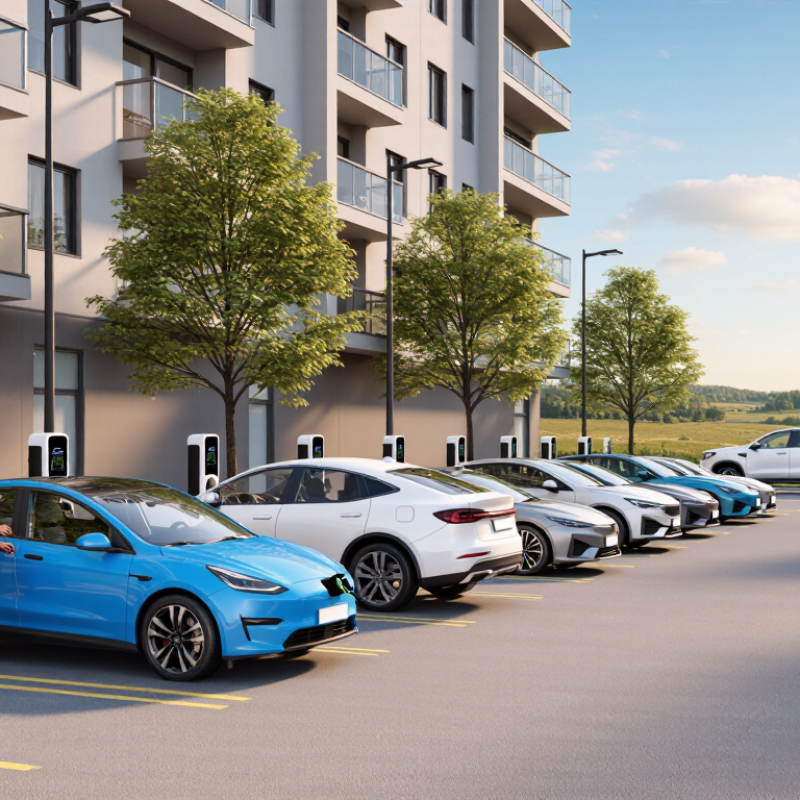
In 2026, EV charging access means more than finding a plug on a map. It means reaching a working charger when needed, knowing its speed and price, and having a practical backup. For apartment residents, access may depend on overnight charging near home. For drivers without off-street parking, a charger several blocks away can still be inconvenient. Small details matter: clear signs, reliable payment, lighting, and enough space to connect safely.
The International Energy Agency reported more than 4 million public charging points worldwide in 2023, a 40% increase from the previous year. Yet total numbers do not show whether chargers are available where people live or travel. The IEA also projects that public charging capacity must grow substantially this decade to support wider EV use. That points to a simple distinction: infrastructure growth is not the same as dependable access. A busy site with broken units may look adequate in a report, but feel very different during a rainy evening commute.
Access also includes charging at work, along highways, and in communities with limited home-charging options. The U.S. National Renewable Energy Laboratory has emphasized the importance of planning charging networks around travel patterns and local needs. Those needs are uneven, and forecasts cannot capture every real-world delay. Honestly, even good coverage can leave gaps. In 2026, useful access will be measured by whether drivers can charge reliably in their actual routines, not just by how many connectors appear on a map.
Why Is EV Charging Access Key to Adoption in 2026?
How Public and Home Charging Networks Are Expanding
More drivers may consider an electric vehicle when charging fits ordinary routines. Home charging is growing through shared parking areas, apartment garages, and workplace lots. A wall-mounted charger can refill a car overnight, but renters may not control where equipment is installed. Shared systems help, though billing and access rules can still feel confusing.
Public charging networks are expanding along highways and in town centers. New sites near grocery stores, libraries, and parking garages make charging part of an existing trip. Faster chargers can help on longer journeys, while slower units suit places where cars stay parked for hours. The details matter: a station hidden behind a locked gate is not truly convenient.
Reliability may be as important as coverage. Drivers need clear directions, working connectors, and accurate information about availability. A map can show a nearby charger, yet it cannot guarantee that the unit works when needed. That gap is easy to underestimate. Charging access is improving, but uneven access remains a real concern, especially for people without private parking. A more useful network will connect homes, workplaces, and public destinations without asking drivers to plan every stop around a charger.
For many drivers, buying an electric vehicle is not just a question of range. It is also a question of where the next charge will happen. A charger near home can turn overnight charging into a simple routine. At a public station, clear signs, working equipment, and a short wait can make a longer trip feel manageable. Small details matter. A driver comparing vehicles may care less about a headline range figure than a dependable place to plug in after work.
Charging convenience also shapes confidence before purchase. Apartment residents may need access to shared chargers, while rural drivers may look for reliable options along familiar routes. Real-world availability can vary by location and time, so published maps do not tell the whole story. I have sometimes assumed a nearby charger would be easy to use, only to find that access or parking instructions were unclear. That gap deserves attention. Buyers benefit from checking chargers they would actually use, rather than relying on distance alone.
Tips: Test your likely routes and check charging hours, payment steps, and backup options. Ask about home installation before committing. Notice how long a typical stop takes. Convenience is personal, and a plan that works for one driver may not fit another.
For drivers with a garage, charging can fit quietly into daily life. They plug in overnight and leave with a full battery. Renters may not have that option. A shared parking lot can lack outlets, while a nearby public charger may be occupied or out of service. Small barriers add up.
This changes how people judge an electric vehicle. A household without reliable home charging must plan around charger locations, opening hours, and time spent waiting. Shift workers and caregivers may have less freedom to rearrange a trip. Rural residents can face longer gaps between charging sites, while apartment dwellers may depend on building owners to install equipment. Access is not only about the number of chargers; location, price, uptime, and safe, practical access matter too.
There is no single fix. Local planners can map gaps with residents, and property managers can explore shared charging where parking is already available. Public sites should be dependable and placed near everyday destinations, not only major roads. Still, new hardware takes time, and installation costs can be difficult to share fairly. It is easy to assume that more chargers mean equal access. They do not, by themselves. Reliable options near home and work make adoption feel possible for more people.
In 2026, charging access depends on more than the number of plugs. Public agencies can map gaps using housing density, traffic patterns, and access to off-street parking. Funding rules should reward chargers in apartment districts and small towns, not only busy commercial corridors. A unit beside a grocery store may serve people who cannot charge at home. Clear permits and predictable grid-connection timelines also help projects move from plans to working equipment.
Technology can make existing sites more useful. Reliable payment options, live availability data, and clear pricing reduce uncertainty before a driver arrives. Smart charging can shift some electricity use away from peak hours, while battery storage may help sites with limited grid capacity. Access must include people with disabilities: reachable screens, usable cable handles, and step-free routes matter at the curb. The details count.
These improvements need practical maintenance plans. A charger that appears on a map but fails during a rainy evening is not real access. Public reporting can track uptime, repair times, and whether chargers are distributed fairly. Still, targets can reward installation counts over dependable service. That is a weakness worth confronting. Local feedback, especially from renters and drivers in underserved areas, can reveal barriers that a dashboard misses.
It means finding a working charger, understanding its speed and price, and having a practical backup. A plug on a map is not enough.
A large network may still miss people’s homes and regular routes. A busy site with broken units offers little help on a rainy commute.
Shared parking may have no outlets. Nearby public chargers can be occupied, out of service, or several blocks away.
Drivers may need to plan around charger locations, opening hours, and waiting time. Shift workers and caregivers may have less flexibility.
Reliable equipment, clear signs, workable payment, good lighting, and enough space to connect safely all matter.
Charging sites can be farther apart. A route that looks covered on a map may still leave long gaps.
They can map needs with residents and consider everyday travel patterns. Forecasts help, but they cannot capture every delay.
They can explore shared charging in existing parking areas. Costs and installation time can be difficult to manage fairly.
No. Location, price, uptime, and practical access matter too. More hardware alone may leave the same neighborhoods behind.
In 2026, EV charging access means more than having a charger nearby: drivers need reliable, convenient options at home, at work, and along common routes. Public networks are expanding, while home charging solutions are becoming more practical for many households. Together, these options can make daily travel easier and reduce concerns about whether a vehicle can be charged when needed.
Charging convenience can strongly influence purchase decisions, particularly for people without a private driveway or dependable access to a public charger. Uneven coverage may make EV ownership less practical for rural communities, renters, and residents of multi-unit housing. This helps explain why is charging accessibility important for ev adoption: dependable access can make electric vehicles a realistic choice for more people. Thoughtful infrastructure planning, supportive policies, and technologies such as clearer charger availability information can help close access gaps and build confidence in everyday EV use.

Orange Energy