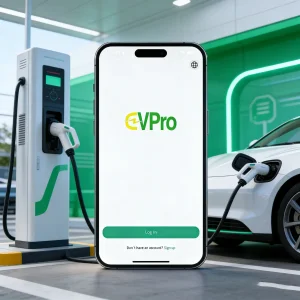
Explore our initial portfolio showcasing smart hardware integrations, fast-charging modules, and global eco-infrastructure deployments engineered for public utilities, municipal spaces, and vehicle fleets.
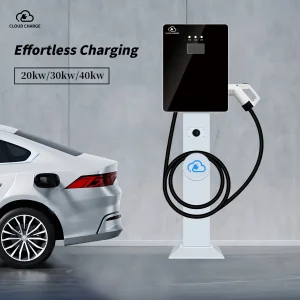
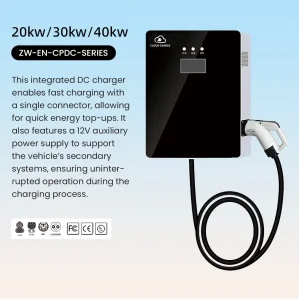
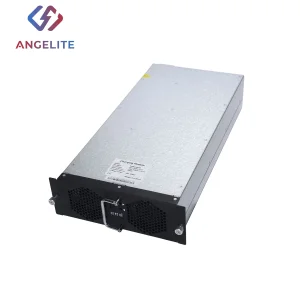
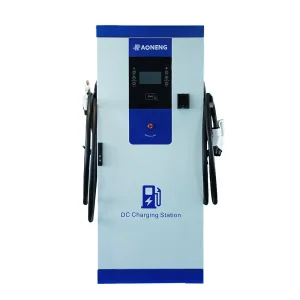
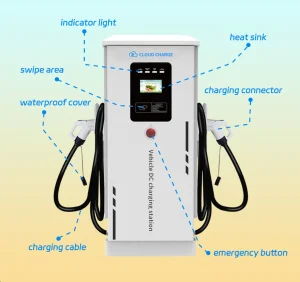
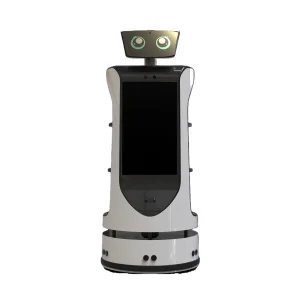
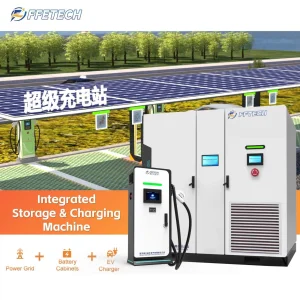
Unlocking efficiency, scalability, and network grid compliance. How modern Charge Point Operators (CPOs) and B2B developers leverage APP-controlled systems to drive ROI.
Global procurement directives strictly mandate adherence to open communication standards. Utilizing OCPP 1.6J and OCPP 2.0.1 allows operators to switch backend software providers seamlessly without abandoning expensive physical charging hardware, ensuring future-proof network infrastructure.
For high-density projects (like retail malls, office buildings, and bus depots), power grid limitations are a bottleneck. APP-controlled systems monitor local grid capacity in real-time, utilizing phase-balancing algorithms to distribute power safely and optimize Time-of-Use (TOU) tariffs.
Modern mobile APP chargers require user authentication, payment processing, and remote telemetry. Tier-1 manufacturers implement TLS 1.3 encryption, secure boot mechanisms, and data localization to protect enterprise and driver privacy under European GDPR and American CCPA regulations.
A world-class innovator delivering advanced EV charging hardware and intelligent network solutions for global B2B operations.
Shenzhen Orange Energy Co., Ltd. is a forward-thinking technology company specializing in electric vehicle charging infrastructure and smart energy solutions. Based in Shenzhen, the company focuses on the development, manufacturing, and deployment of advanced EV charging systems for global markets.
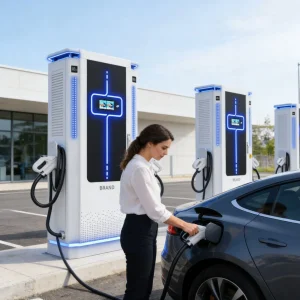
Orange Energy provides a comprehensive portfolio of charging solutions, including workplace EV charging, public charging infrastructure, residential charging solutions, and fleet charging systems. The company also develops fast-charging stations, urban charging networks, and highway charging stations to support the growing adoption of electric mobility.
In addition, Orange Energy delivers specialized applications such as retail parking charging, hotel destination charging, shopping mall and office building charging solutions, and multi-unit residential charging systems. Its innovative offerings also include advertising display charging stations, digital screen chargers, interactive charging displays, solar-powered EV charging systems, and networked charging management platforms.
With a strong focus on smart technology, reliability, and sustainability, Shenzhen Orange Energy Co., Ltd. aims to help cities, businesses, and communities build efficient EV charging ecosystems worldwide.
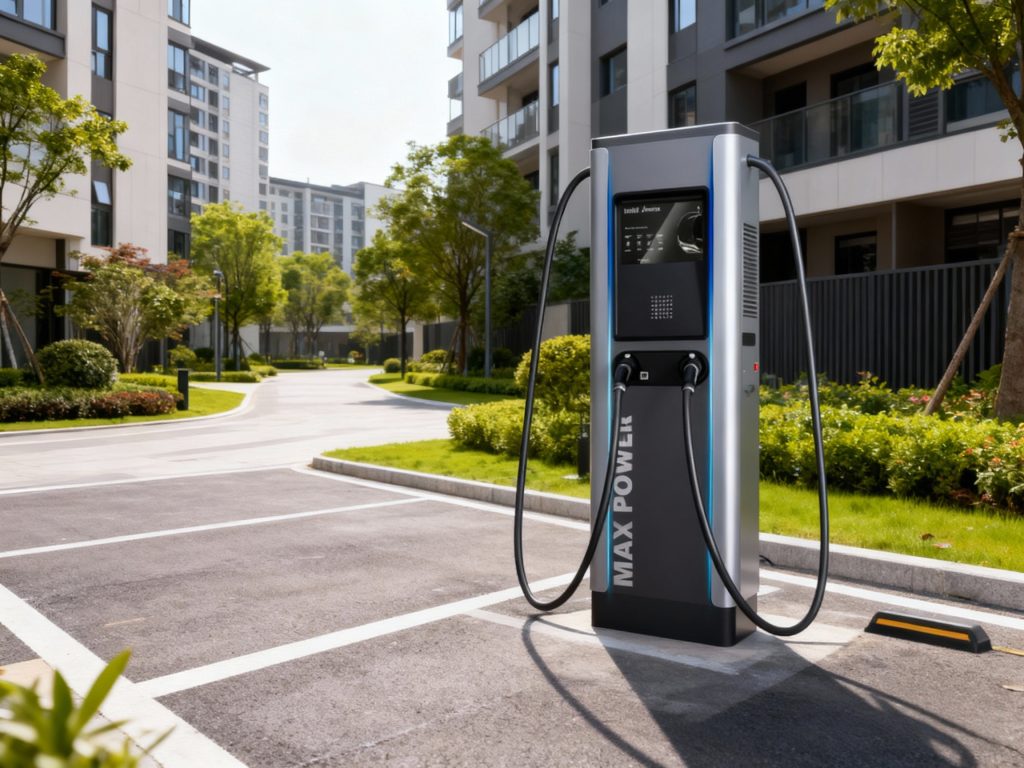
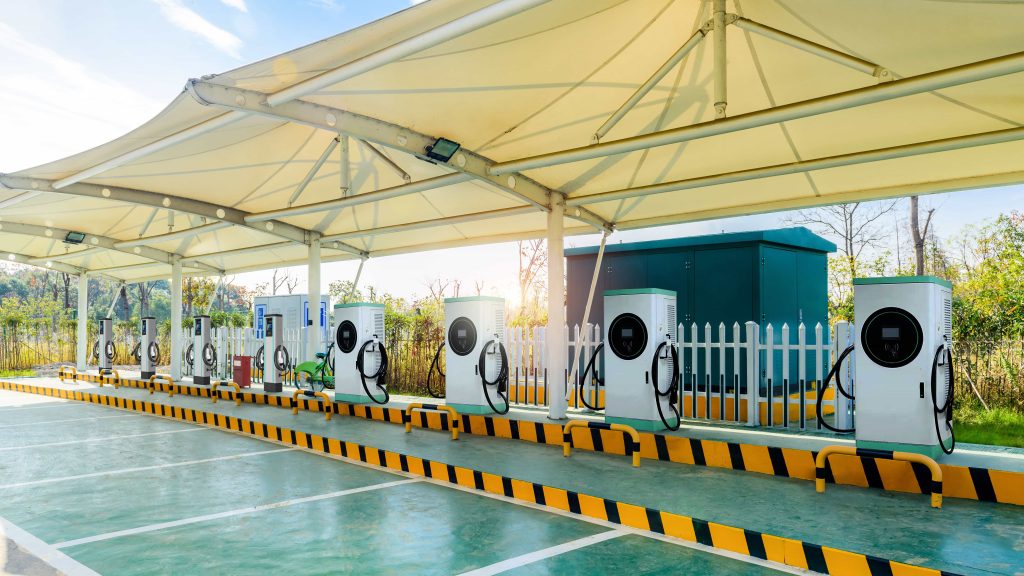
A comprehensive analysis of standardized power configurations, interfaces, and safety ratings required for import-export compliance across key global regions.
| Region | Common Connectors | Power Output Options | Communication Protocol | Required Compliance & Safety Certificates |
|---|---|---|---|---|
| North America | CCS1, NACS (SAE J3400), Type 1 | 7.4kW - 22kW (AC) | 20kW - 400kW (DC) | OCPP 1.6J / 2.0.1, ISO 15118 | UL 2594, UL 2202, FCC Part 15, Energy Star |
| Europe & UK | CCS2, Type 2 | 11kW - 22kW (AC) | 30kW - 400kW (DC) | OCPP 1.6J / 2.0.1, ISO 15118 | CE (EN 61851), UKCA, TUV Rheinland, MID Metering |
| Asia Pacific | GB/T, CCS2, Type 2 | 7.4kW - 44kW (AC) | 30kW - 360kW (DC) | OCPP 1.6J / 2.0.1, Proprietary APIs | CE, KC, PSE, CQC |
| Global Fleets | CCS1, CCS2, NACS, ChAdeMO | 40kW - 480kW (Liquid-cooled DC) | OCPP 2.0.1, V2G (ISO 15118-20) | UL, CE, FCC, IP55, IK10 Impact Rated |
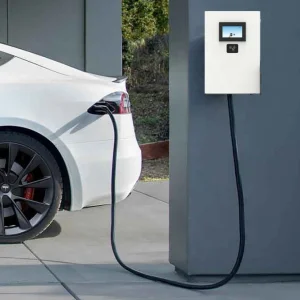
By integrating local electricity pricing APIs, APP-controlled EV chargers schedule peak charging during negative or low-rate hours. Users receive real-time notifications on Android or iOS applications, allowing full configuration of charging thresholds and customized delays.
The next phase of the energy transition relies on bi-directional power exchange. Future-proof chargers support the ISO 15118-20 protocol, enabling the EV battery to act as energy storage, feeding power back to the building micro-grid or national utility systems when requested via the remote dashboard.
Ensuring frictionless integration with local power utilities, international logistics, and localized cloud platforms.
To reduce latency and comply with strict national data protection laws (e.g., GDPR in EU, LGPD in Brazil), APP integrations are hosted locally using region-locked AWS, Google Cloud, or Microsoft Azure servers.
Experienced exporters offer white-labeled iOS and Android apps, custom UI/UX design, localized payment gateway APIs (Stripe, Adyen, Apple Pay, PayPal), and localized currency support.
Connecting high-capacity DC chargers requires coordination with local electricity distribution network operators (DNOs). Exporters provide dynamic load management blueprints and system design documents to satisfy utility operators.
Clear, technical, and detailed answers to help B2B buyers navigate compliance, dynamic features, and network protocols.
OCPP 1.6J (JSON over WebSockets) is currently the most widely deployed protocol, supporting basic transaction management, smart charging profiles, and device diagnostics. OCPP 2.0.1 introduces major enhancements, including native support for the ISO 15118 protocol (Plug & Charge), advanced cybersecurity mechanisms (such as certificate management), complex dynamic charging configurations, and more detailed device status monitoring to minimize downtime.
Dynamic Load Balancing (DLB) monitors the total power consumption of the building or site in real-time. By utilizing clamp meters or CT sensors connected to the charging controller, the system calculates the remaining available power capacity and dynamically adjusts the charging current of each active vehicle. This prevents tripping main circuit breakers while ensuring all connected EVs charge as quickly as possible.
Yes. Top-tier APP-controlled chargers include integration APIs for solar inverters and battery energy storage systems (BESS). The central management app lets operators select specific charging modes such as "Pure Eco Mode" (charging exclusively from excess photovoltaic generation) or "Fast Hybrid Mode" (combining solar power, battery storage, and grid power for maximum speed).
For import into Europe, EV chargers must carry the CE mark, complying with safety standard EN 61851-1, and have MID-certified energy meters for billing. For North America, chargers must meet UL standards (UL 2594 for AC, UL 2202 for DC) and carry safety certifications from Nationally Recognized Testing Laboratories (NRTL) like UL, Intertek (ETL), or TUV, along with FCC certification for wireless communication modules.
Data transmission between the charger, cloud, and mobile app is encrypted via HTTPS and TLS 1.3 protocols. Payment systems utilize PCI-DSS compliant credit card processors or direct dynamic QR codes on screens, allowing guest payments without requiring drivers to download a dedicated application.
Review the second half of our high-quality system components, complete with integrated communication protocols, high-voltage modules, and smart platform solutions.
 Orange Energy