As global electric vehicle adoption accelerates, the electrical grid faces unprecedented localized demands. Demand Response (DR) charging has transitioned from an advanced research topic to a baseline operational requirement for developers, utilities, charge point operators (CPOs), and municipal planners. This whitepaper analyzes the Top 10 Demand Response Charging Manufacturers & Factories, highlighting the key players driving grid-interactive EVSE technology.
Through mechanisms such as dynamic peak-shaving, Automated Demand Response (ADR) under OpenADR 2.0b, and local load balancing, modern charging stations do not just draw power—they act as active assets. By dynamic throttling of current and orchestrating vehicle-to-grid (V2G) power flows, these smart EV hubs protect transformer assets, reduce grid strain, and open up new monetization pathways through Virtual Power Plants (VPP).
Selecting a demand response manufacturer requires verifying hardware reliability, communication protocols, and grid compliance certifications. A qualified OEM must demonstrate:
Explore the flagship hardware platforms engineered by Shenzhen Orange Energy, integrating dynamic power management and commercial-grade durability.
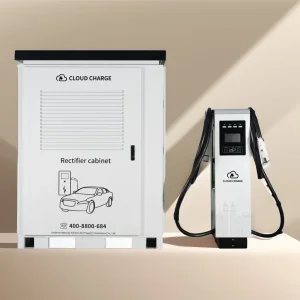
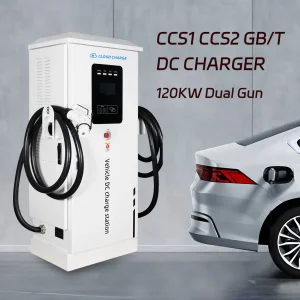
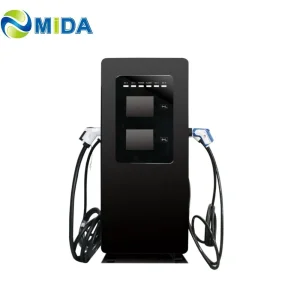
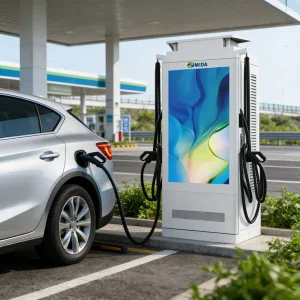
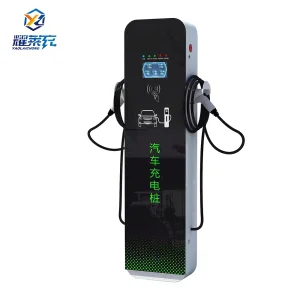
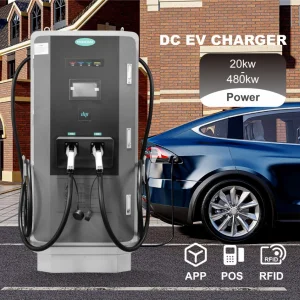
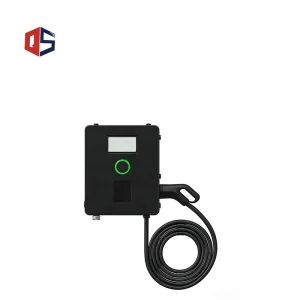

Shenzhen Orange Energy Co., Ltd. is a forward-thinking technology company specializing in electric vehicle charging infrastructure and smart energy solutions. Based in Shenzhen, the company focuses on the development, manufacturing, and deployment of advanced EV charging systems for global markets.
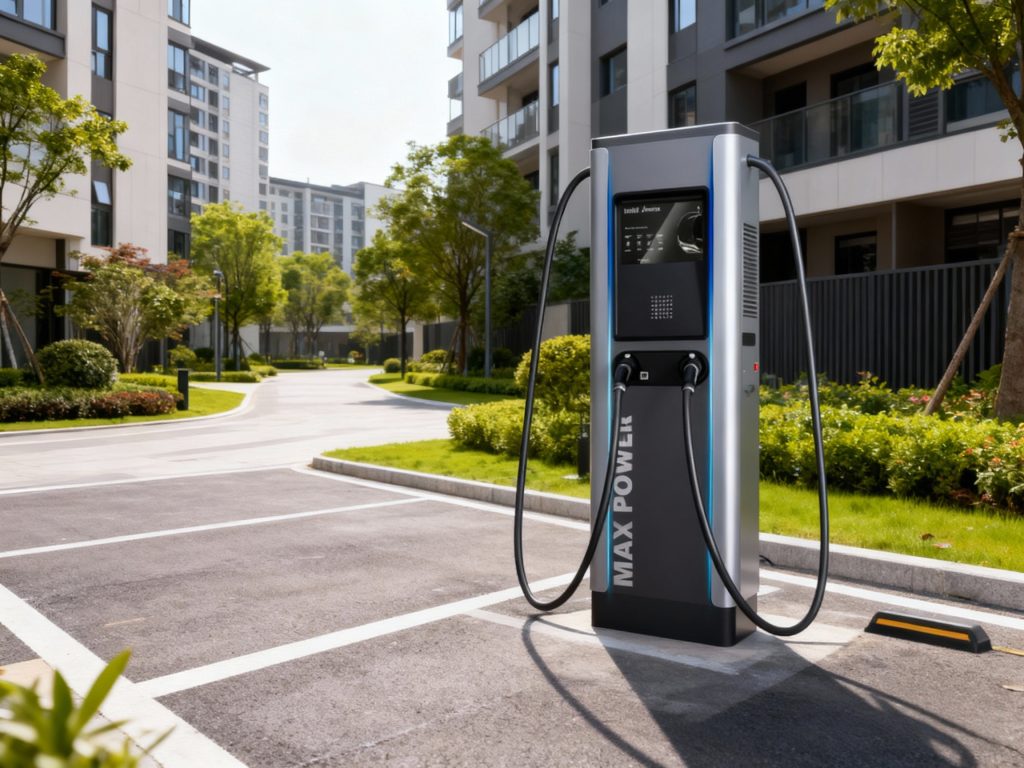
Orange Energy provides a comprehensive portfolio of charging solutions, including workplace EV charging, public charging infrastructure, residential charging solutions, and fleet charging systems. The company also develops fast-charging stations, urban charging networks, and highway charging stations to support the growing adoption of electric mobility.
In addition, Orange Energy delivers specialized applications such as retail parking charging, hotel destination charging, shopping mall and office building charging solutions, and multi-unit residential charging systems. Its innovative offerings also include advertising display charging stations, digital screen chargers, interactive charging displays, solar-powered EV charging systems, and networked charging management platforms.
With a strong focus on smart technology, reliability, and sustainability, Shenzhen Orange Energy Co., Ltd. aims to help cities, businesses, and communities build efficient EV charging ecosystems worldwide.
The transformation of charging piles from passive electrical outlets into grid-integrated edge computing devices follows a structured technical evolution. As smart charging technologies advance, three primary developmental stages have emerged:
Localized power balancing between chargers on a shared breaker. Utilizes Modbus and local controllers to prevent building service overloads.
Cloud-directed power modulation via OCPP 1.6J/2.0.1 and OpenADR 2.0b signals. Responds dynamically to regional grid stress and wholesale pricing fluctuations.
Utilizes ISO 15118 and bidirectional power modules to feed vehicle battery energy back to the grid, transforming EVs into decentralized backup power systems.
In the near future, demand response charging will be powered by machine learning algorithms operating at the edge. By analyzing historical charging habits, fleet schedules, localized grid forecasting, and solar generation arrays, chargers will automatically calculate optimal charging profiles. This minimizes operational expenditure while maximizing the battery health of the connected electric vehicles.
Integrating demand response charging into large-scale electrical infrastructure requires custom hardware configurations suited for specific commercial and industrial scenarios:
Workplace charging stations operate during long parking intervals. Under peak grid strain, office chargers can reduce active power draw by up to 50% without affecting the driver’s ability to charge during the workday. This ensures building load limits are not exceeded while maintaining driver comfort.
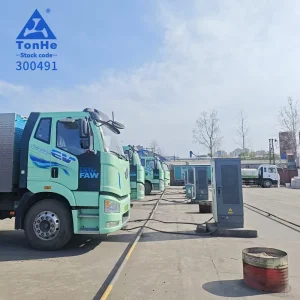
For logistics operations utilizing heavy-duty vehicles, charging schedules must align with strict delivery routes. High-power DC charging cabinets (up to 480kW) integrate with fleet management platforms, ensuring vehicle batteries are charged during low-tariff windows without disrupting operational readiness.
By pairing dynamic EVSE hardware with photovoltaic solar panels and battery storage systems, charging infrastructure can operate independently of the local utility grid. During peak hours, chargers draw power from storage batteries, reducing grid load and maximizing renewable energy use.
Shenzhen's advanced manufacturing ecosystem enables factories like Shenzhen Orange Energy to deliver premium technology with shorter lead times. This competitive edge relies on several key pillars:
By operating inside Shenzhen's industrial corridor, manufacturers maintain direct relationships with developers of high-grade components. This proximity ensures access to the latest power modules, smart meters, controller boards, and thermal management systems, speeding up production and product refinement cycles.
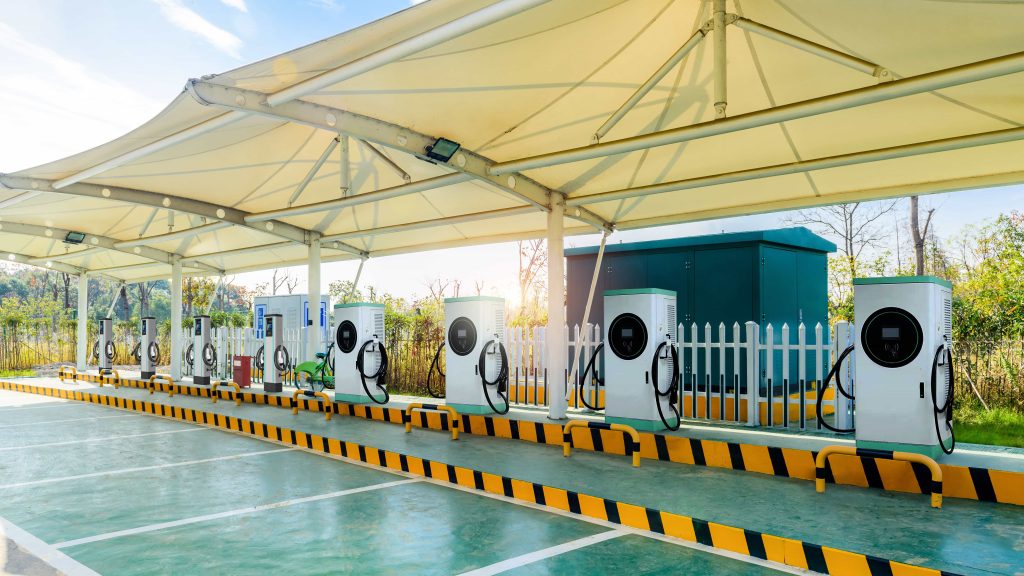
Deploying smart charging infrastructure globally requires strict compliance with varying electrical, electromagnetic, and regional grid codes. B2B buyers must prioritize manufacturers that offer localized firmware and hardware configurations:
| Target Region | Core Hardware Standards | Demand Response Protocols | Key Utility Compliance Features |
|---|---|---|---|
| North America | UL 2594, UL 2231, NEMA Type 3R/4, NACS (SAE J3400) | OpenADR 2.0b, CTEP, FCC Part 15 | IEEE 1547.1 grid connection, local utility load shedding integration |
| Europe & UK | CE, TUV, EN 61851, MID Metering, UK Smart Charger Regs | OCPP 2.0.1, EEBUS, OCPP 1.6J | Eichrecht-compliant billing, phase-unbalance protection |
| Global / APAC | IEC 61851-1, IEC 62196, GB/T, CHAdeMO | OCPP 1.6J, CAN bus proprietary | Dynamic grid limit controls, localized load management |
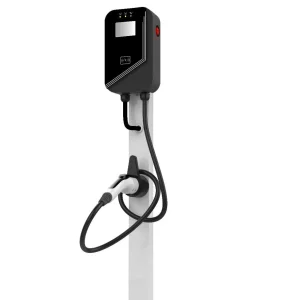
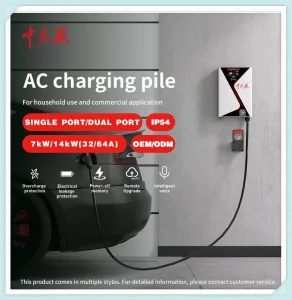
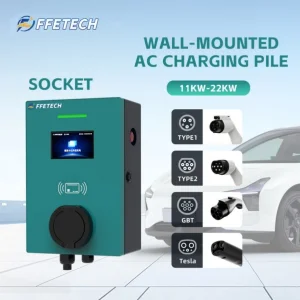
Discover our range of residential and commercial-grade AC/DC charging systems designed for global deployment.
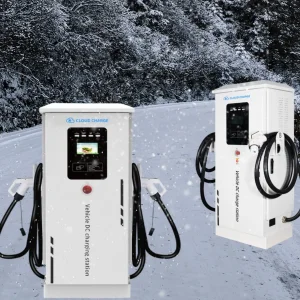
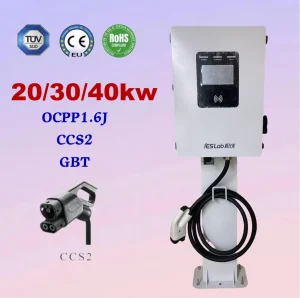
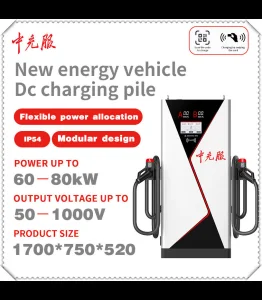
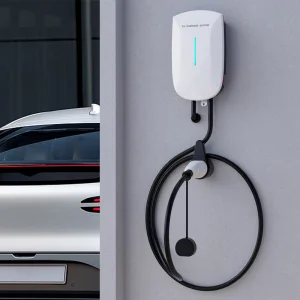
Procuring demand response charging hardware at volume requires evaluating critical factors beyond simple per-unit costs. To secure long-term infrastructure viability, B2B procurement managers should evaluate potential manufacturing partners against these criteria:
Ensure the hardware supports OCPP 1.6J or OCPP 2.0.1. Verify that OCPP features can be updated over-the-air (OTA) to support future grid integration standards without physical hardware changes.
The charging units must support dynamic phase control and fine-grained current throttling (e.g., in 1-ampere increments). These capabilities are essential for stable performance under peak load conditions.
Confirm the manufacturer holds valid certifications for your target markets (e.g., UL, CE, MID, FCC). Review third-party laboratory test reports to verify continuous operation under harsh climates.
Common questions regarding demand response implementation, V2G communication protocols, and hardware compatibility.
Smart charging is a general term for optimizing charging processes using local data (such as building energy usage and vehicle arrival schedules). Demand Response (DR) is a subset of smart charging, where the charging station adjusts its power draw in response to external signals from electric utilities or grid operators to help balance the regional electrical grid.
In standard configurations, a central Charge Point Management System (CPMS) acts as a virtual end node, receiving OpenADR 2.0b signals from grid operators. The CPMS then translates these signals into OCPP directives (such as SetChargingProfile) and transmits them to individual charging stations to adjust charging rates.
Bidirectional V2G charging requires hardware compatible with ISO 15118 (for AC/DC systems) or CHAdeMO (for DC systems). The charger must also feature bidirectional power modules, a compatible communication controller, and meet utility grid interconnection standards (such as IEEE 1547 / UL 1741 SB).
Yes, many modern charging stations can be upgraded via over-the-air firmware updates if they already support OCPP 1.6J and include built-in smart meters. However, older non-networked chargers usually require hardware controller upgrades or replacement to support demand response networks.
 Orange Energy