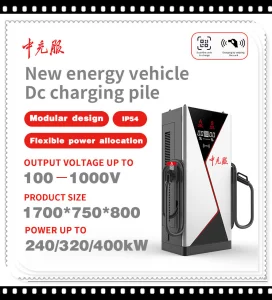
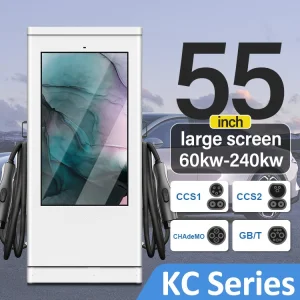
As the world pivots toward zero-emission mobility, hospitals and medical centers are becoming central hubs for Electric Vehicle (EV) infrastructure. Integrating Hospital EV Charging Stations is no longer just a luxury—it is a strategic necessity. According to recent market analysis, the global medical facility EV charger market is expected to grow by 25% annually as healthcare systems integrate "Green Hospital" initiatives into their operational standards.
In North America and Europe, healthcare providers are leveraging government grants to install ultra-fast DC chargers. In Asia, hospitals are leading the way by integrating solar-powered EV ports to ensure energy resilience during power outages.
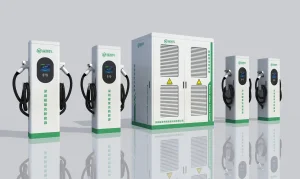
The industrial demand for high-duty, IP54-rated charging piles is surging. Manufacturers are now focusing on liquid-cooled technology and smart load management to handle the high electrical demand of medical campuses.
Hospitals require the highest standards of electromagnetic compatibility (EMC) to ensure EV chargers do not interfere with sensitive medical equipment like MRI machines or life-support systems.
Global Hospital Projects
Max DC Power Output
Reliability Rate
Years Tech Expertise
Modern healthcare procurement involves more than just medical supplies; it includes sustainable energy infrastructure. The deployment of EV charging stations at hospitals serves three primary user groups:
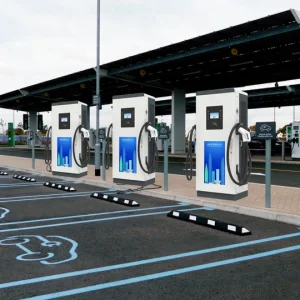
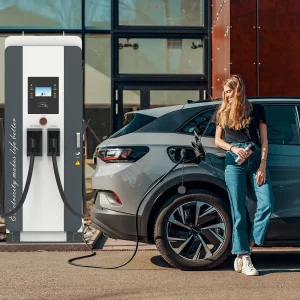
Lengthy hospital visits can cause "range anxiety" for EV owners. Providing Level 2 AC chargers or Rapid DC chargers allows visitors to replenish their vehicle's battery while attending appointments or visiting loved ones. This enhances the patient experience and positions the hospital as a premium, forward-thinking facility.
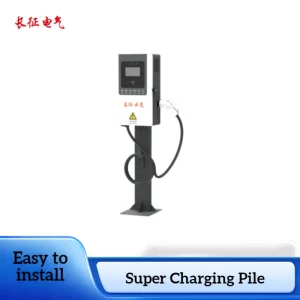
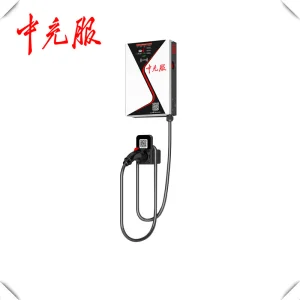
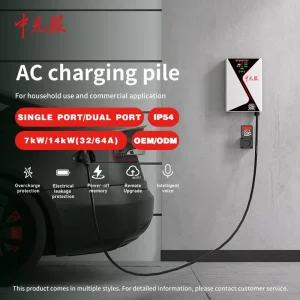
With more medical professionals switching to electric cars, workplace charging has become a significant perk. Providing smart-grid connected chargers with RFID or App-based access allows hospital staff to charge securely during long shifts.
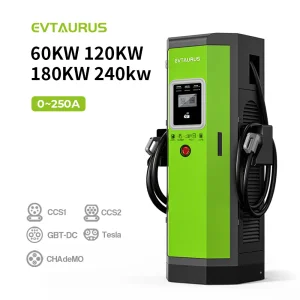
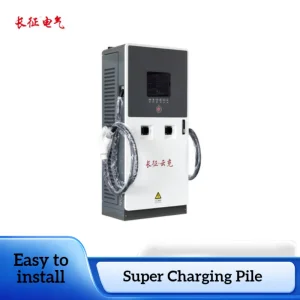
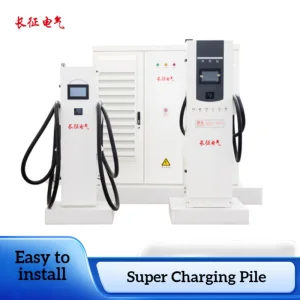
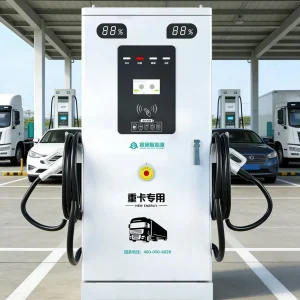
Hospital logistics and emergency fleets are increasingly moving toward electric models. High-power DC fast-charging stations (120kw-180kw) are essential for ensuring that electric ambulances and shuttle buses are always ready for duty with minimal downtime.
As a leading Hospital EV Charging Stations Factory, China offers unparalleled advantages in the global market. Manufacturers like Shenzhen Orange Energy Co., Ltd. combine rapid R&D cycles with massive economies of scale.
Shenzhen Orange Energy Co., Ltd. is a forward-thinking technology company specializing in electric vehicle charging infrastructure and smart energy solutions. Based in Shenzhen, the company focuses on the development, manufacturing, and deployment of advanced EV charging systems for global markets.
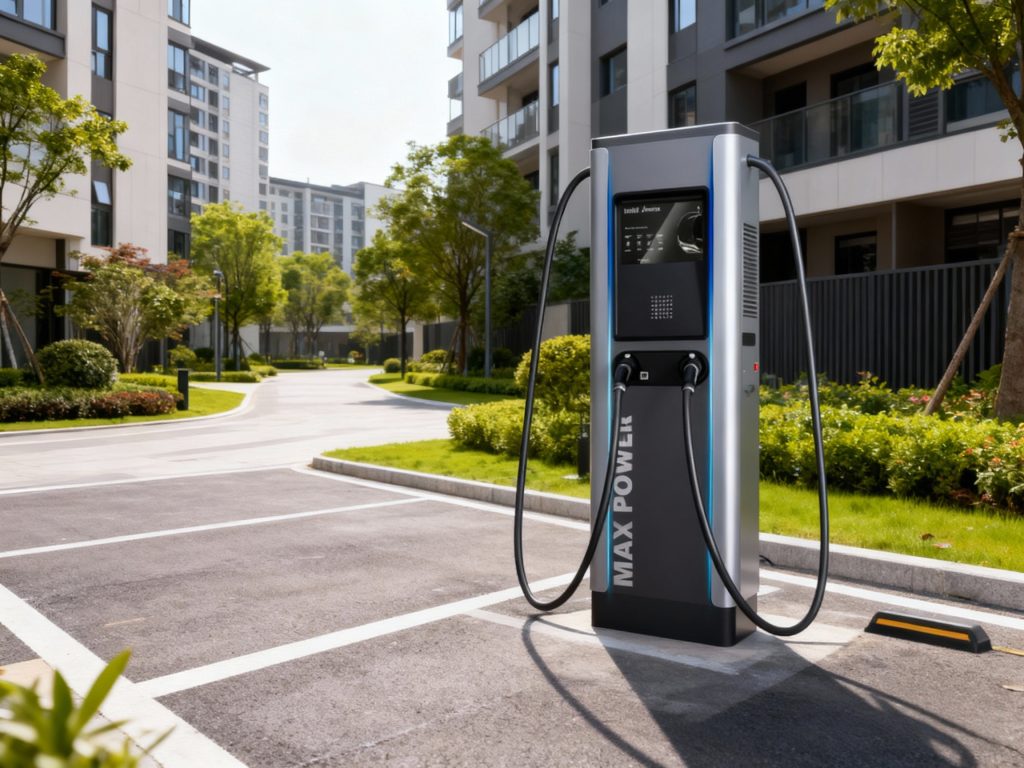
Orange Energy provides a comprehensive portfolio of charging solutions, including workplace EV charging, public charging infrastructure, residential charging solutions, and fleet charging systems. The company also develops fast-charging stations, urban charging networks, and highway charging stations to support the growing adoption of electric mobility.
In addition, Orange Energy delivers specialized applications such as retail parking charging, hotel destination charging, shopping mall and office building charging solutions, and multi-unit residential charging systems. Its innovative offerings also include advertising display charging stations, digital screen chargers, interactive charging displays, solar-powered EV charging systems, and networked charging management platforms.
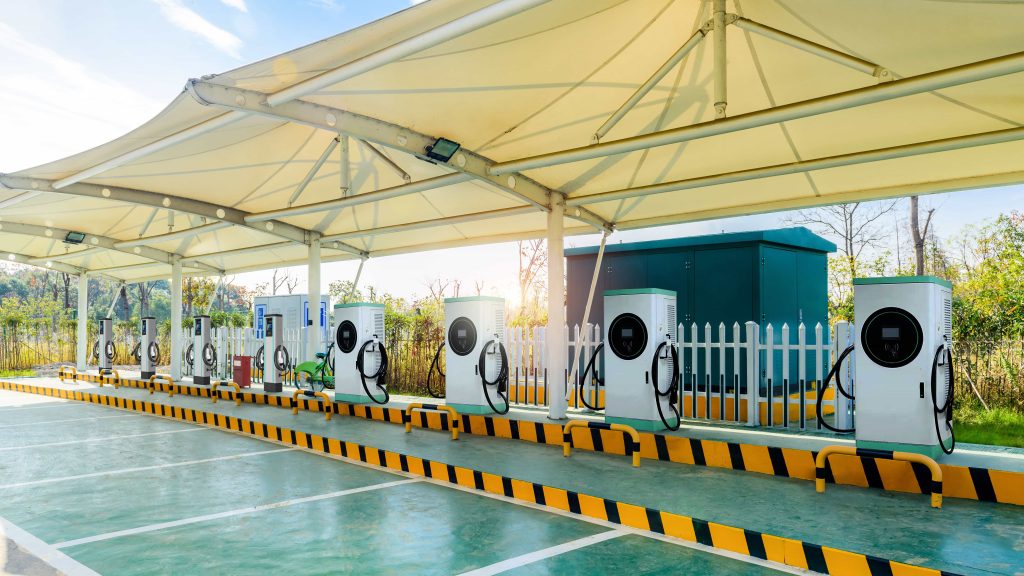
With a strong focus on smart technology, reliability, and sustainability, Shenzhen Orange Energy Co., Ltd. aims to help cities, businesses, and communities build efficient EV charging ecosystems worldwide.
Deployment of AC 7kw/22kw chargers for long-term visits, integrated with hospital loyalty apps for easy payment.
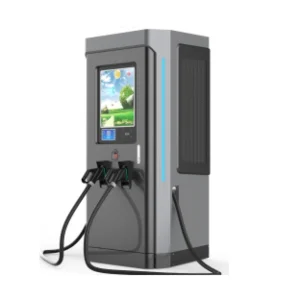
High-speed DC 120kw+ chargers for rapid turnaround of electric medical transport and emergency service vehicles.
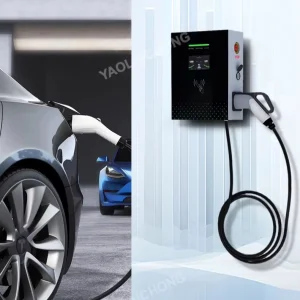
Low-consumption smart wallboxes for hospital staff, utilizing load balancing to protect the facility's main power grid.
 Orange Energy