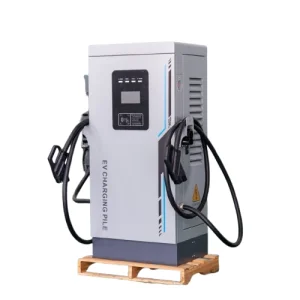
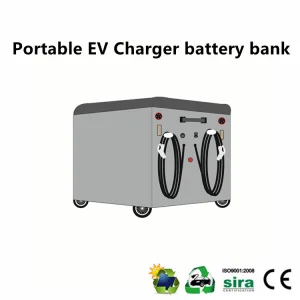
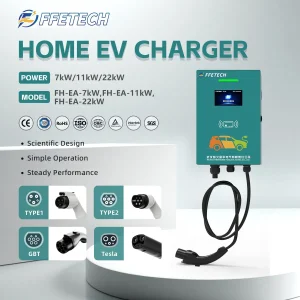
As the global transition to renewable energy accelerates, the demand for High-Power Charging (HPC) and Megawatt Charging Systems (MCS) has transitioned from a theoretical need to a critical infrastructure requirement. While standard passenger EVs utilize chargers in the 7kW to 350kW range, the logistics, maritime, and aviation sectors require power levels exceeding 1,000kW (1MW) to facilitate rapid turnaround times and operational efficiency.
Shenzhen Orange Energy Co., Ltd. stands at the forefront of this technological frontier. Based in the global tech hub of Shenzhen, we are a forward-thinking technology company specializing in electric vehicle charging infrastructure and smart energy solutions. Our focus encompasses the development, manufacturing, and global deployment of advanced EV charging systems designed to meet the rigorous demands of the next generation of e-mobility.
Max Potential Output
Conversion Efficiency
2.0.1 Compliance
Cooling Tech
For heavy-duty electric trucks (Class 8), MCS allows for a full recharge within a driver’s mandatory break (30-45 minutes), ensuring that long-haul logistics remain viable without the downtime associated with traditional DC fast chargers.
Coastal and short-sea shipping vessels require massive energy injections during docking. Our MW-scale solutions integrate with port power grids to provide stabilized, ultra-high current charging for electric ferries and cargo ships.
The emerging urban air mobility market relies on rapid energy replenishment. Megawatt charging is the only pathway to support the high energy density requirements of electric vertical take-off and landing aircraft.
Expanding megawatt-scale infrastructure requires more than just raw power; it requires deep expertise in local grid regulations and safety standards. Orange Energy provides comprehensive support to ensure our systems meet the world's most stringent certifications:
The future of MCS lies in the integration of AI-driven load balancing and Silicon Carbide (SiC) power modules. Shenzhen Orange Energy is currently developing:
Advanced thermal management that reduces cable weight by 40% while maintaining safe temperatures at 3,000A currents.
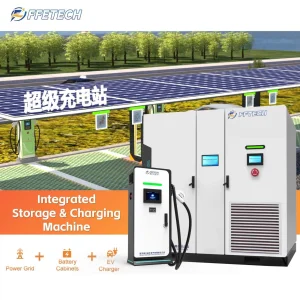
AI algorithms that predict peak demand and utilize integrated battery storage (BESS) to shave peaks and reduce operational costs.
Enabling heavy fleets to act as mobile energy storage units, feeding power back to the grid during emergencies or peak price periods.
Orange Energy provides a comprehensive portfolio of charging solutions, including workplace EV charging, public infrastructure, and fleet management. We aim to help cities, businesses, and communities build efficient EV charging ecosystems worldwide.
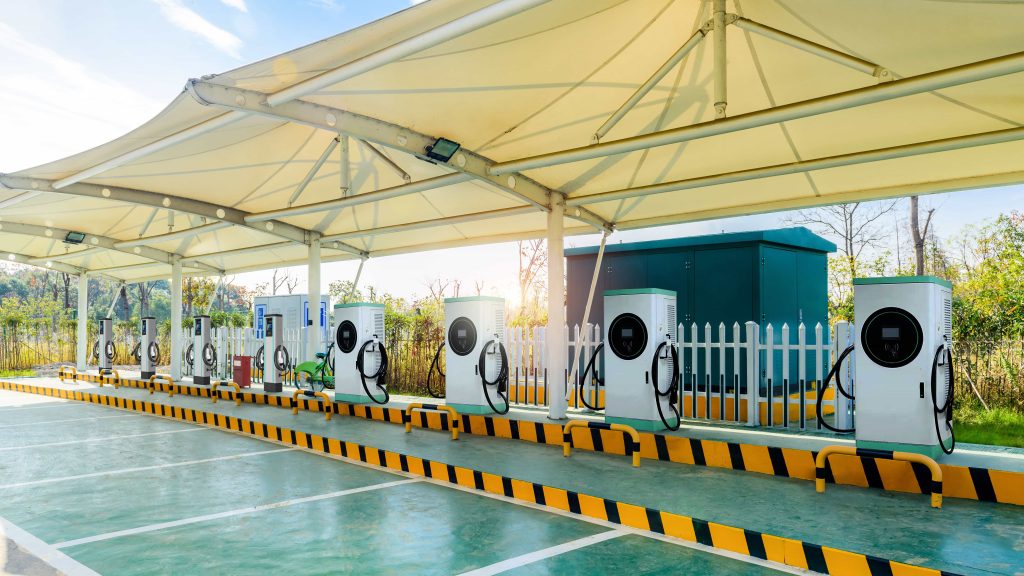
MCS (Megawatt Charging System) is specifically designed for heavy-duty vehicles, supporting up to 3.75MW of power, whereas standard DC fast charging (CCS/NACS) typically peaks at 350-400kW. MCS uses a different connector and liquid-cooling architecture to handle the significantly higher current.
We utilize redundant power module architecture. If one module fails, the system continues to operate at a slightly reduced capacity. Furthermore, our 24/7 cloud-based monitoring platform uses AI to detect thermal anomalies before they become critical failures.
Most existing local grids require upgrades or the integration of on-site Battery Energy Storage Systems (BESS). Orange Energy specializes in "Microgrid-Linked" charging, where solar and batteries buffer the grid to provide the necessary MW burst without causing local outages.
Yes. We offer modular scalability. A client can start with a 500kW installation and scale to 2MW+ as their electric fleet grows, simply by adding more power cabinets and upgrading the thermal management unit.
 Orange Energy