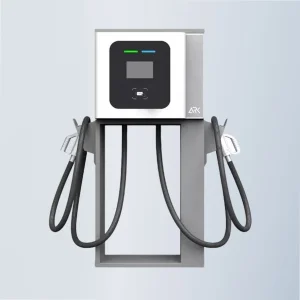
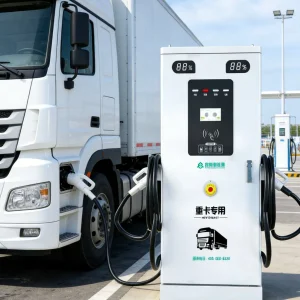
Explore our premium-grade EV charging communication controllers, multi-terminal split systems, and high-performance DC fast chargers engineered for seamless retail payment integration.
The global transition to electric mobility demands a complete redesign of the public fueling experience. For decades, drivers have relied on the convenience of gasoline station payments—insert, tap, fuel, and drive. As electric vehicles (EVs) replace internal combustion engine (ICE) vehicles, consumers expect the same seamless, ad-hoc payment experience. This has led to the rapid rise of "Pay-at-the-Pump" EV charging systems.
In the early stages of EV deployment, closed ecosystems requiring proprietary mobile applications, RFID membership cards, and complex online pre-registrations dominated the market. However, consumer friction points, network isolation, and regional regulatory pressures have accelerated the demand for open, ad-hoc payment integration. E-E-A-T focused operators recognize that implementing localized credit card terminal integration directly into high-power charging (HPC) dispensers reduces customer churn, minimizes site down-time, and complies with emerging global infrastructure regulations.
Selecting the right factory to manufacture custom Pay-at-the-Pump charging kiosks involves rigorous analysis of hardware capabilities, software interoperability, and transaction-security certifications. High-quality OEMs must ensure that payment terminal units (PTUs) can survive extreme weather conditions while meeting strict banking compliance requirements (PCI-PTS, EMV Level 1 & 2).
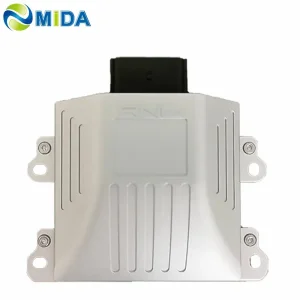
Crucially, elite manufacturers do not simply install off-the-shelf payment terminals on physical charger casings. True integration requires deep, low-level link communication between the charger’s core EVCC (Electric Vehicle Communication Controller), the point-of-sale (POS) terminal, and the cloud backend via standardized protocols such as OCPP (Open Charge Point Protocol) 1.6J and 2.0.1. This ensures that the billing system dynamically adjusts to actual energy delivered, avoiding discrepancies, charging faults, or unexpected pre-authorization holds.
Full support for Visa, Mastercard, American Express, Apple Pay, Google Pay, and localized bank cards without proprietary app dependency.
IP65 and IK10 vandal-proof, rain-resistant configurations keeping sensitive card readers and payment logic secure in extreme climates.
Coexistence of high-speed CCS1/CCS2 protocol engines with independent encrypted payment processor channels to isolate user data.
Architecting the future of public charging through integrated payment gateways, ISO 15118 compliance, and secure cloud networking.
As the electric mobility space matures, the convergence of payment systems and vehicle communication is moving toward decentralized authorization models. The roadmap for Pay-at-the-Pump charging revolves around three major pillars:
| Feature Parameter | Legacy Payment Stations (Pre-2022) | Next-Gen Pay-at-the-Pump (2024+) | Technical Impact on ROI |
|---|---|---|---|
| Hardware Integration | External side-mounted POS add-on | Fully integrated flush-mount module | Reduced vandalisim, improved weather protection |
| OCPP Version Alignment | OCPP 1.6 Only (basic billing) | OCPP 2.0.1 (native tariff & pricing structure) | Dynamic real-time pricing and tax transparency |
| Payment Encryption | Standard SSL / Software VPN | Hardware-based HSM (Hardware Security Module) | Zero-liability PCI compliance audits for CPOs |
| Eichrecht Conformity | Not supported on global lines | Built-in MID certified meters & display signatures | Enables legal public deployment in EU/DACH regions |
Deploying public charging infrastructure involves adapting hardware to distinct commercial environments. Leading manufacturers configure the billing interfaces depending on user dwell time and traffic flow:
Highway Corridor Charging Plazas: High-power charging hubs (350kW to 600kW) require high-speed transaction authorizations. Under this scenario, pay-at-the-pump terminals work with pre-authorization holds similar to traditional fuel pumps, releasing the transaction within seconds to allow drivers to top up and leave quickly.
Retail & Commercial Center Parking: For malls and retail parks, chargers double as advertising platforms. Pay-at-the-pump manufacturers integrate high-resolution LCD touchscreens that display promotional media or offer store discounts when customers pay for energy using partner store loyalty cards.
Fleet Depots & Mixed Logistics Hubs: For logistics operators, payment modules support private fleet authorization tokens (RFID or secure PINs) alongside public payment capabilities, turning private infrastructure into revenue-generating public assets during off-peak operational windows.
How Shenzhen Orange Energy leverages advanced automation, component testing, and local integration to deliver global solutions.
Shenzhen Orange Energy Co., Ltd. is a forward-thinking technology company specializing in electric vehicle charging infrastructure and smart energy solutions. Based in Shenzhen, the company focuses on the development, manufacturing, and deployment of advanced EV charging systems for global markets.
Orange Energy provides a comprehensive portfolio of charging solutions, including workplace EV charging, public charging infrastructure, residential charging solutions, and fleet charging systems. The company also develops fast-charging stations, urban charging networks, and highway charging stations to support the growing adoption of electric mobility.
With a strong focus on smart technology, reliability, and sustainability, Shenzhen Orange Energy Co., Ltd. aims to help cities, businesses, and communities build efficient EV charging ecosystems worldwide.
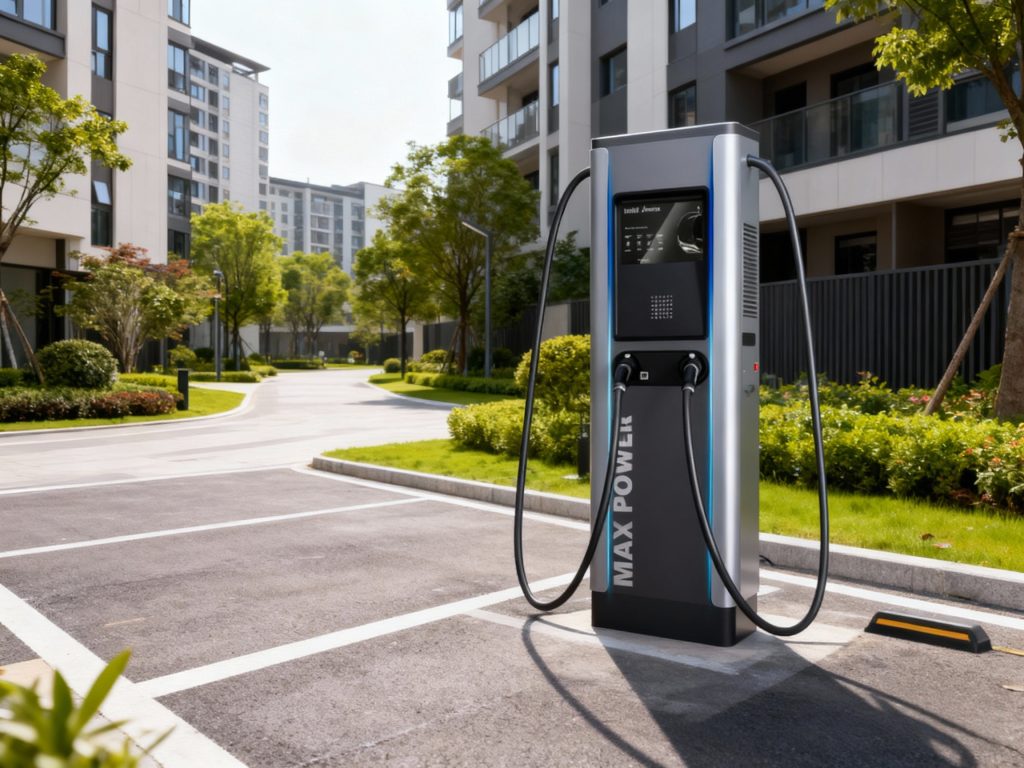
In addition, Orange Energy delivers specialized applications such as retail parking charging, hotel destination charging, shopping mall and office building charging solutions, and multi-unit residential charging systems. Its innovative offerings also include advertising display charging stations, digital screen chargers, interactive charging displays, solar-powered EV charging systems, and networked charging management platforms.
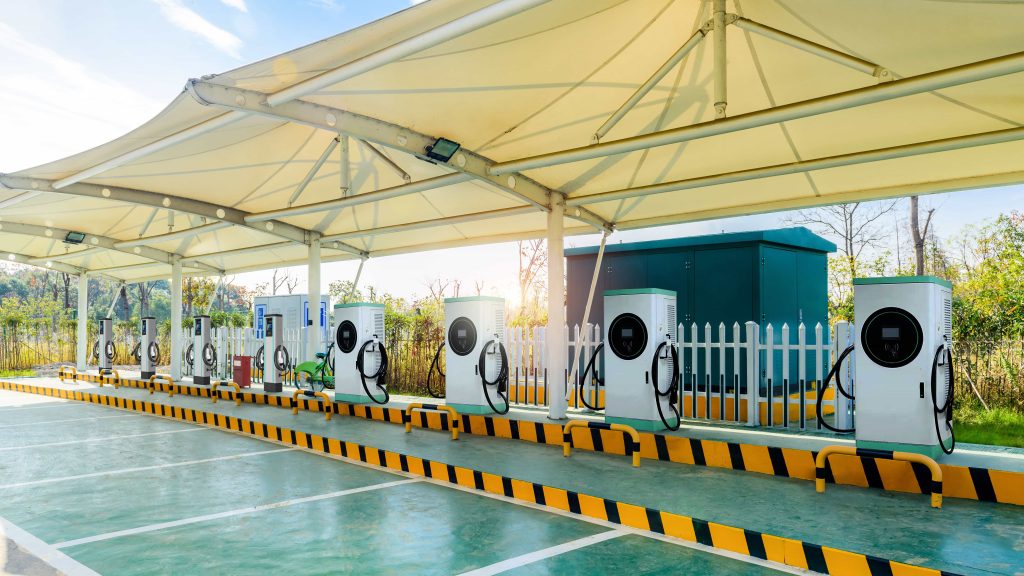
Operating from Shenzhen, the global hub of electronics and battery technology, our advanced Factory 4.0 production line features automatic optical inspection (AOI), high-temperature environmental burn-in chambers, and automated functional end-of-line (EOL) testing. Our manufacturing system ensures that payment terminal integration is tested under synthetic EMI (electromagnetic interference) conditions, guaranteeing that high-power charging current spikes do not disrupt card reading electronics.
By leveraging local raw component sourcing and direct access to state-of-the-art power module supply chains, Shenzhen Orange Energy reduces transit lead times and delivers cost-competitive solutions compared to traditional Western assemblers.
Navigating global compliance standards is critical for international charge point operators (CPOs). Charging hardware must satisfy electrical, fiscal, and data privacy regulations to be legally deployed:
When purchasing managers plan commercial EV network deployments, focusing only on the upfront purchase price of the hardware can lead to long-term issues. Successful procurement processes require analyzing the Total Cost of Ownership (TCO), long-term system reliability, and maintenance support:
1. Verify MTBF (Mean Time Between Failures): Request certified testing logs showing the lifetime durability of the payment assembly. Payment card reader mechanical mechanisms must endure over 100,000 insertion cycles and contactless reader panels must resist continuous solar UV degradation.
2. Software Protocol Customization: Confirm the manufacturer's ability to configure backend integration parameters. A truly flexible OEM should allow remote OTA firmware updates to change payment processors or update payment keys without replacing the physical station hardware.
3. Warranty & On-site Support SLAs: Ensure the vendor offers comprehensive replacement and support warranties. Shenzhen Orange Energy offers modular component swaps, allowing local electrical contractors to slide out old payment modules and replace them within minutes, keeping site downtime to a minimum.
Explore our additional, highly reliable AC wallboxes, high-efficiency workplace fast chargers, and smart grid compatible systems designed for continuous operation.
Find answers to complex technical questions about pay-at-the-pump integrations, electrical specifications, and compliance standards.
Public EV charging systems with physical credit card terminals must comply with PCI-PTS (Payment Card Industry Pin Transaction Security) standards, typically version 5.x or 6.x. The payment assembly must secure user inputs, encrypt card data at the physical point of contact (SRED - Secure Reading and Exchange of Data), and be tamper-responsive. This ensures that any unauthorized opening of the reader housing instantly deletes all decryption keys.
Yes. By utilizing OCPP 2.0.1 integrations, operators can configure dynamic pricing models that adjust based on specific metrics. The system can charge a base session connection fee, a per-minute idling fee, or different rates depending on time-of-use (TOU). The physical screen displays these pricing options transparently to the user before they tap their payment card, ensuring regulatory compliance.
Advanced manufacturers design payment terminals that can perform localized off-line transaction tokenization. The charger stores card data in an encrypted partition inside its secure storage. The system validates the chip structure using local authorization criteria, begins the charge cycle, and transmits the transaction queue to the payment gateway once network connectivity is restored.
MID (Measuring Instruments Directive) is a European Union standard that ensures the billing accuracy of active electrical meters. Eichrecht is a stricter German law built on top of MID. It requires that the billing data remains digitally signed, tamper-proof, and verifiable by the end-user. Drivers must be able to use a transparency software tool at a later date to verify that the energy recorded on their bill exactly matches the measurements recorded by the physical charging station during their session.
EMV Level 1 certification validates that the physical payment reader meets radio frequency and electrical signal specifications, ensuring it can read payment cards. EMV Level 2 certification validates the software application layer, verifying that the terminal can parse financial data and communicate securely with the credit card brand's systems. Without both certifications, card brands will not authorize transaction processing, and operators will be exposed to high fraud liability.
 Orange Energy