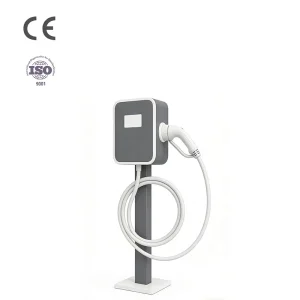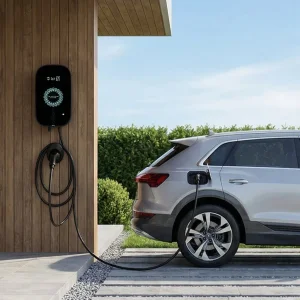
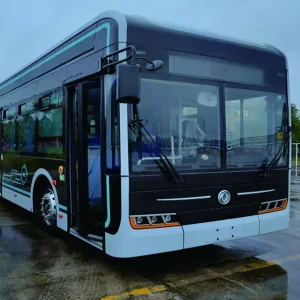
Analyzing the paradigm shift in global Commercial & Industrial (C&I) energy structures and the rising demand for grid-integrated EV infrastructure.
The global transition toward carbon neutrality has accelerated the demand for EV charging infrastructure from a luxury amenity to a key operational asset. According to the International Energy Agency (IEA), global EV sales reached historic heights in 2023, driving the demand for matching high-capacity charging architecture. For B2B procurement decision-makers, municipal planners, and fleet operators, navigating the ecosystem of Renewable Energy Charging Manufacturers & Exporters requires evaluating hardware resilience, software interoperability, and long-term grid integration.
In regions such as North America, Europe, and the Asia-Pacific, developers face challenges including grid congestion, regulatory compliance, and high capital expenditure (CAPEX). Forward-thinking companies are mitigating these challenges by pairing high-performance DC fast chargers with on-site solar photovoltaics (PV) and battery energy storage systems (BESS). This approach enables peak shaving and load shifting, helping operators minimize peak demand charges from local utilities while maintaining fast charging speeds for electric fleets and public users.
How leading organizations evaluate charging infrastructure across commercial, public, and fleet applications.
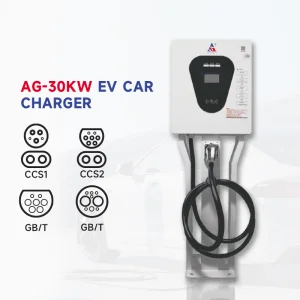
Commercial office properties, shopping malls, and mixed-use developments focus on dual-purpose charging systems. These installations demand smart load sharing, dual AC outlets, and customizable branding options to maximize dwell times while minimizing electrical infrastructure upgrades.
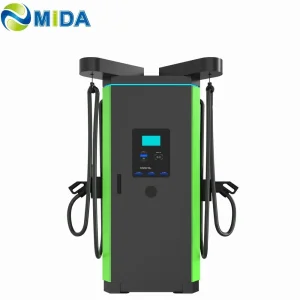
For logistics operations and public transport (including electric buses), reliability is a key metric. Procurement teams demand modular high-power DC systems ranging from 120kW to over 360kW, offering dynamic power allocation to charge multiple fleet vehicles efficiently overnight.
Public infrastructure demands rugged designs with IP55 protection or higher, vandalism-resistant enclosures, integrated POS terminal payment systems, and OCPP 1.6J/2.0.1 compliance. This ensures seamless connection to any third-party central management software (CSMS).
Shenzhen Orange Energy Co., Ltd. is a forward-thinking technology company specializing in electric vehicle charging infrastructure and smart energy solutions. Based in Shenzhen, the company focuses on the development, manufacturing, and deployment of advanced EV charging systems for global markets.
Orange Energy provides a comprehensive portfolio of charging solutions, including workplace EV charging, public charging infrastructure, residential charging solutions, and fleet charging systems. The company also develops fast-charging stations, urban charging networks, and highway charging stations to support the growing adoption of electric mobility.
In addition, Orange Energy delivers specialized applications such as retail parking charging, hotel destination charging, shopping mall and office building charging solutions, and multi-unit residential charging systems. Its innovative offerings also include advertising display charging stations, digital screen chargers, interactive charging displays, solar-powered EV charging systems, and networked charging management platforms.
With a strong focus on smart technology, reliability, and sustainability, Shenzhen Orange Energy Co., Ltd. aims to help cities, businesses, and communities build efficient EV charging ecosystems worldwide.
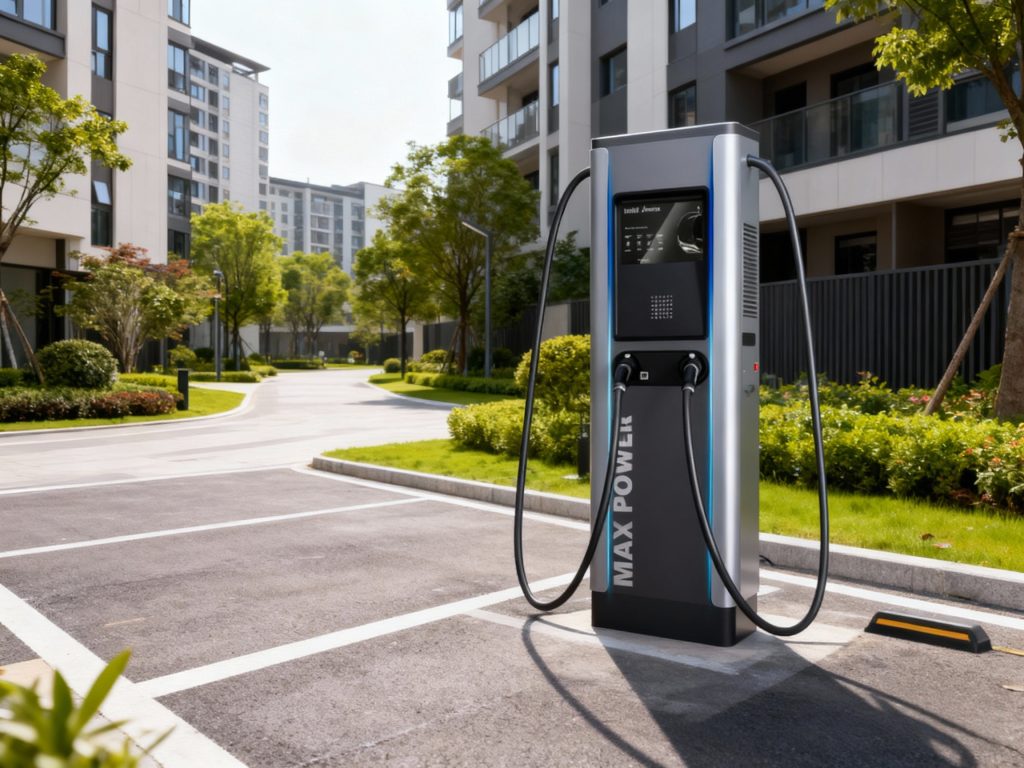
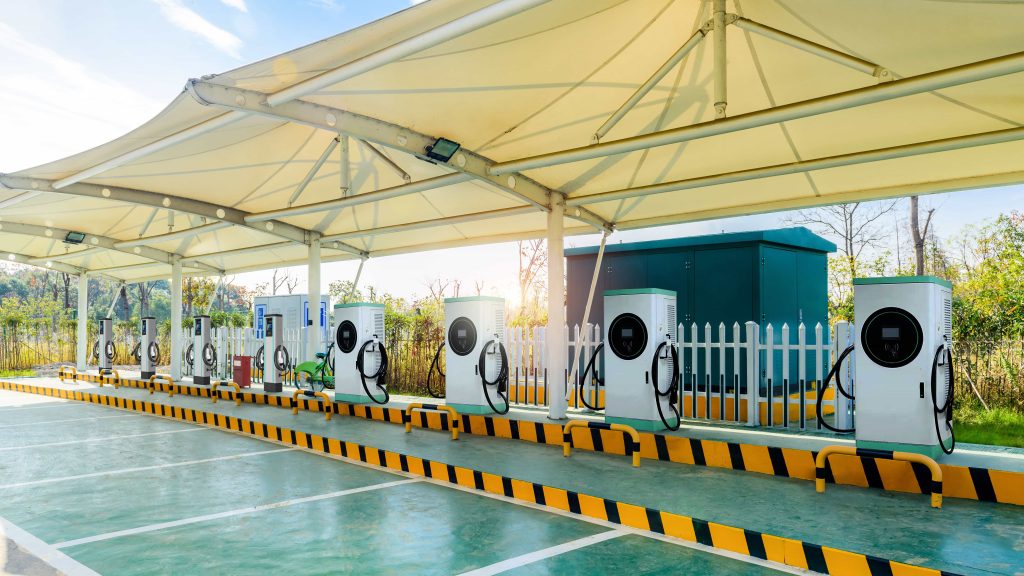
To scale fleet and public charging infrastructure, developers must address site grid limitations. Installing multiple high-power DC fast chargers can stress local distribution networks, leading to costly utility upgrades and demand charges.
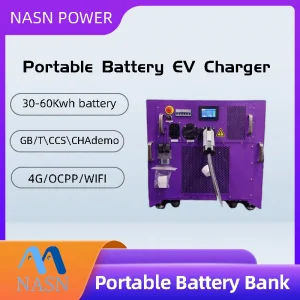
The industry is addressing this through smart, decentralized microgrid systems. Integrating local solar generation (such as PV solar carports) and stationary battery energy storage systems (BESS) allows charging hubs to buffer power. These stations charge the battery storage during low-demand periods and discharge it to support vehicles during high-demand peaks, decoupling the charging demand from the grid.
Furthermore, bidirectional charging technology, including Vehicle-to-Grid (V2G) and Vehicle-to-Building (V2B) frameworks, is transitioning from pilot programs to commercial rollouts. Using ISO 15118 protocols, electric vehicle fleets can act as mobile energy storage systems, feeding power back to the facility or the local grid during shortages, creating new revenue streams for operators.
Milestones in power electronics, thermal management, and software automation leading to next-generation charging infrastructure.
Deploying liquid-cooled connector cables and charging modules enables safe, continuous output up to 500A. This reduces cable weight and improves ease of handling for end users.
Commercialization of Megawatt Charging Systems (MCS) designed specifically for heavy-duty trucking, logistics fleets, and maritime applications, enabling up to 3.75 MW of power delivery per connector.
Integrating machine learning algorithms for real-time price forecasting, automatic grid dispatching, and software adaptation for solid-state battery vehicles, which require higher voltage profiles.
Ensuring safety, interoperability, and long-term ROI across international regulatory jurisdictions.
Conformity certification for health, safety, and environmental protection standards within the European Economic Area (EEA).
Compliance with rigorous safety requirements set by Underwriters Laboratories for North American commercial deployment.
Implementing the international standard for vehicle-to-grid (V2G) communication and automated Plug & Charge systems.
Ensuring enclosure resistance against dust, high-pressure water ingress, and mechanical impacts in harsh public areas.
Answering key operational, financial, and engineering questions from B2B buyers and project planners.
OCPP (Open Charge Point Protocol) 1.6J is the current industry standard, supporting web sockets, remote diagnostics, basic smart charging, and transaction authorization. OCPP 2.0.1 adds improved device management, security updates (TLS certificates), support for ISO 15118 (Plug & Charge), and detailed diagnostic reporting. For long-term projects, we recommend specifying hardware that natively supports OCPP 1.6J with a clear upgrade path to OCPP 2.0.1 via over-the-air (OTA) firmware updates.
Dynamic Load Balancing (DLB) monitors the building's total real-time energy usage and allocates the remaining capacity to active EV chargers. If building demand spikes (e.g., HVAC systems turning on), the chargers automatically decrease their output. This prevents tripping the main circuit breaker and avoids exceeding the contracted capacity limits with the utility provider, eliminating the need for expensive grid service upgrades.
Most industrial manufacturers offer a 2-year standard warranty on hardware components, with options to extend to 5 or 8 years. Leading exporters work with local Certified Service Partners (CSPs) to offer Service Level Agreements (SLAs) that guarantee 24/48-hour response times, local spare parts depots, and remote technical support via cloud-connected management platforms.
Yes. Premium hardware is engineered with integrated climate control systems, including internal heaters and forced air cooling. Industrial chargers typically specify operating temperatures from -30°C to +55°C. For extreme environments, specify liquid-cooled power cabinets and IP55/IK10 rated enclosures to protect the electronics from dust, moisture, and temperature fluctuations.
V2G protocols (standardized under ISO 15118) utilize smart algorithms to manage charging and discharging. Modern systems avoid rapid cycling and operate within the battery's optimal state of charge (SoC) window, typically between 20% and 80%. When managed by an automated cloud platform, V2G participation helps generate revenue or lower building peak demands while maintaining battery health within warranty limits.

 Orange Energy