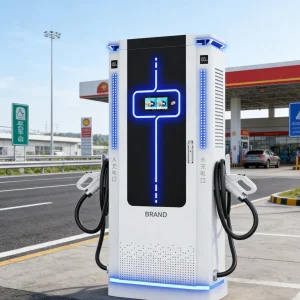
The global energy landscape is undergoing a seismic shift. Traditional gas stations, once the exclusive domain of internal combustion engines, are rapidly evolving into Multi-Energy Hubs. As governments worldwide mandate the phase-out of petrol and diesel vehicles, the demand for high-speed, reliable Gas Station EV Chargers has skyrocketed. This is not just a trend; it is a fundamental restructuring of the global transport infrastructure.
The global EV charging station market is projected to grow at a CAGR of over 30% through 2030. Gas stations are prime locations due to their strategic placement along highways and urban centers.
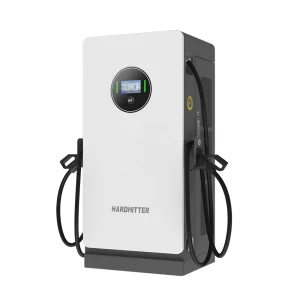
The industry is moving from 50kW to 350kW+ ultra-fast charging. Drivers expect a "refueling experience" that takes less than 15 minutes, making high-power DC chargers the gold standard.
Major oil companies like Shell, BP, and TotalEnergies are investing billions to install thousands of EV points, aiming for net-zero emissions by 2050.
Modern gas stations are no longer just drawing power from the grid. To manage peak loads and reduce costs, leading manufacturers are integrating Battery Energy Storage Systems (BESS) and solar canopies. This allows stations to provide ultra-fast charging even in areas with limited grid capacity.
Vehicle-to-Grid (V2G) and smart load management are becoming standard. Chargers can now communicate with the grid to balance demand, ensuring that gas stations can operate multiple high-power dispensers simultaneously without causing local outages.
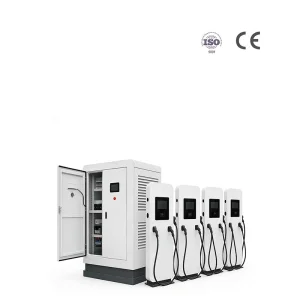
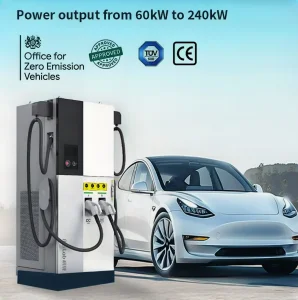
Exporters are focusing on modular designs. A station might start with 60kW and easily scale to 120kW or 180kW by simply adding power modules. This "pay-as-you-grow" model is highly attractive to global gas station operators.
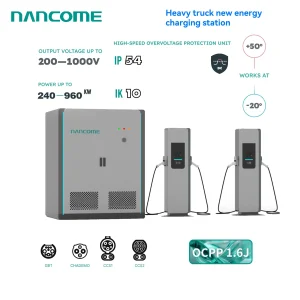
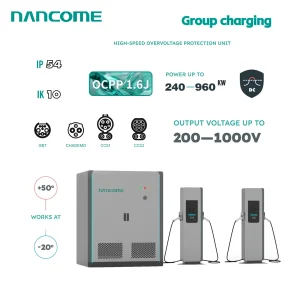
Buyers in Europe require CE and LVD, while North American markets demand UL and Energy Star. Our products meet global standards including CCS1, CCS2, CHAdeMO, and GBT.
Open Charge Point Protocol (OCPP 1.6J / 2.0.1) is non-negotiable. It allows gas station owners to choose their own management software and payment gateways.
Gas station chargers face harsh environments. IP54/IP55 ratings, IK10 impact resistance, and advanced cooling systems are essential for 24/7 outdoor operation.
The application of EV chargers in gas stations varies significantly by location. Understanding these nuances is key to a successful deployment:
Shenzhen Orange Energy Co., Ltd. is a forward-thinking technology company specializing in electric vehicle charging infrastructure and smart energy solutions. Based in Shenzhen, the company focuses on the development, manufacturing, and deployment of advanced EV charging systems for global markets.
Orange Energy provides a comprehensive portfolio of charging solutions, including workplace EV charging, public charging infrastructure, residential charging solutions, and fleet charging systems. The company also develops fast-charging stations, urban charging networks, and highway charging stations to support the growing adoption of electric mobility.
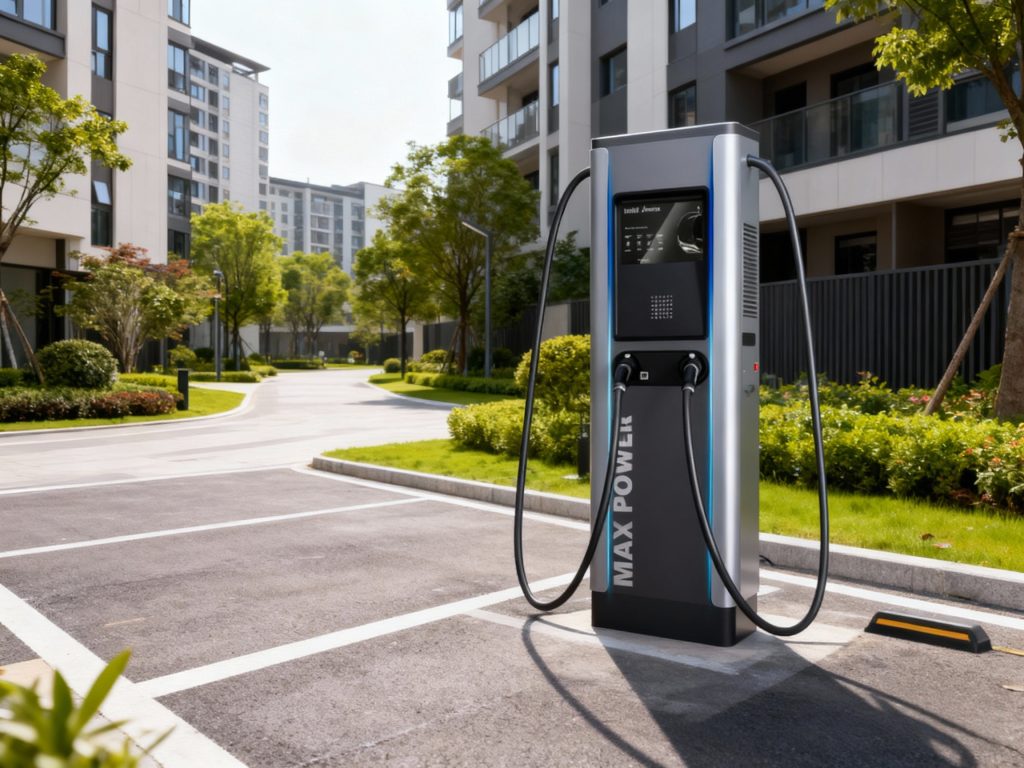
In addition, Orange Energy delivers specialized applications such as retail parking charging, hotel destination charging, shopping mall and office building charging solutions, and multi-unit residential charging systems. Its innovative offerings also include advertising display charging stations, digital screen chargers, interactive charging displays, solar-powered EV charging systems, and networked charging management platforms.
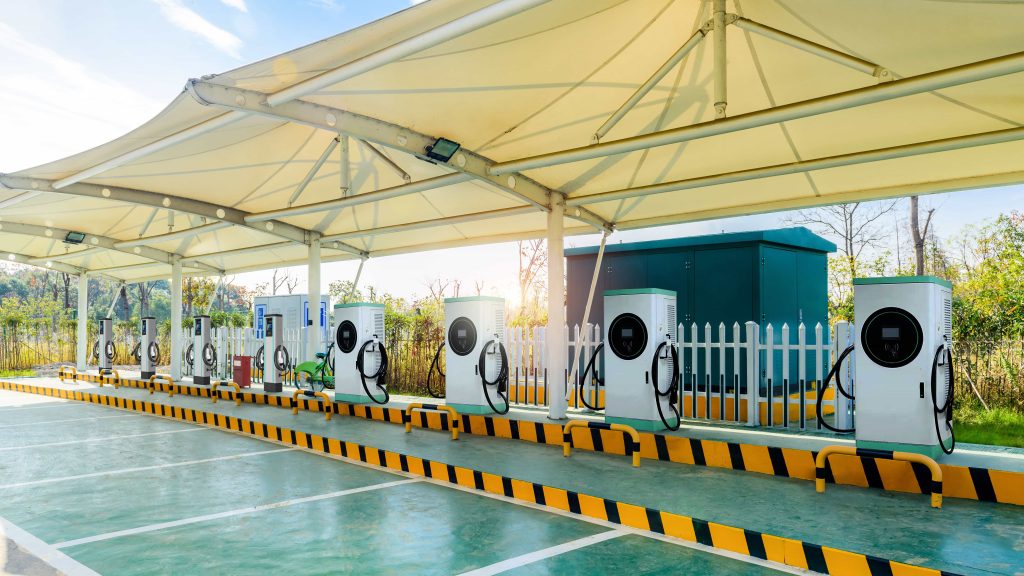
With a strong focus on smart technology, reliability, and sustainability, Shenzhen Orange Energy Co., Ltd. aims to help cities, businesses, and communities build efficient EV charging ecosystems worldwide.
Leveraging Shenzhen's world-class electronics supply chain, we offer the latest technology at highly competitive price points without compromising on quality.
We provide full customization—from branding and color schemes to specific technical configurations and software integrations for global exporters.
Our engineers are at the forefront of power electronics, constantly iterating on efficiency, heat dissipation, and smart connectivity features.
 Orange Energy