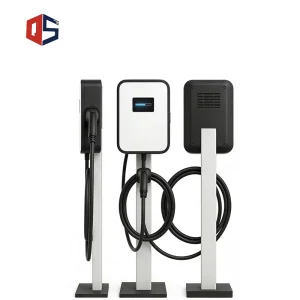
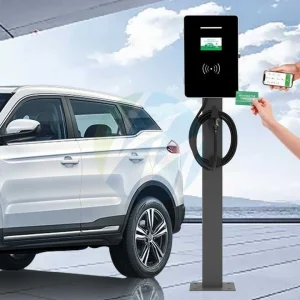
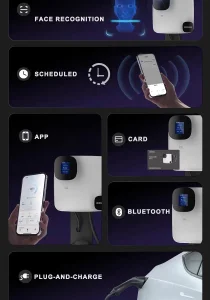
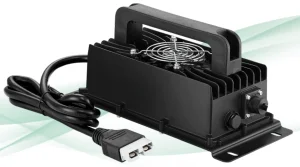
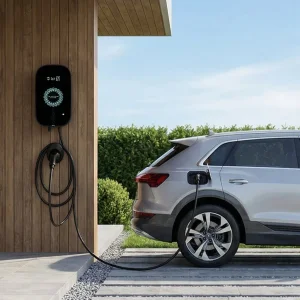
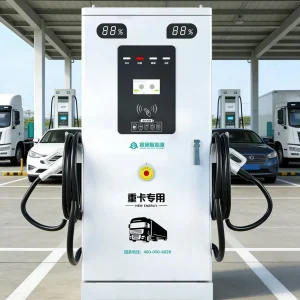
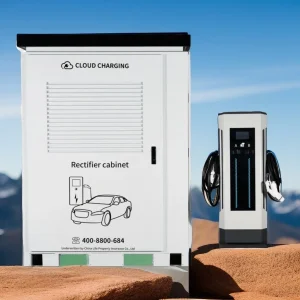
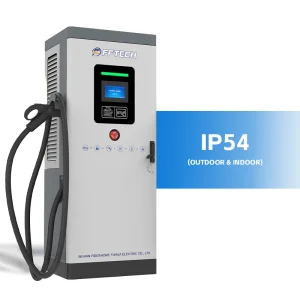
Shenzhen Orange Energy Co., Ltd. is a forward-thinking technology company specializing in electric vehicle charging infrastructure and smart energy solutions. Based in Shenzhen, the company focuses on the development, manufacturing, and deployment of advanced EV charging systems for global markets.
By leveraging cutting-edge dynamic load balancing algorithms, Orange Energy provides a comprehensive portfolio of charging solutions, including workplace EV charging, public charging infrastructure, residential charging solutions, and fleet charging systems. The company also develops fast-charging stations, urban charging networks, and highway charging stations to support the growing adoption of electric mobility.
Orange Energy delivers specialized applications such as retail parking charging, hotel destination charging, shopping mall and office building charging solutions, and multi-unit residential charging systems. Its innovative offerings also include advertising display charging stations, digital screen chargers, interactive charging displays, solar-powered EV charging systems, and networked charging management platforms.
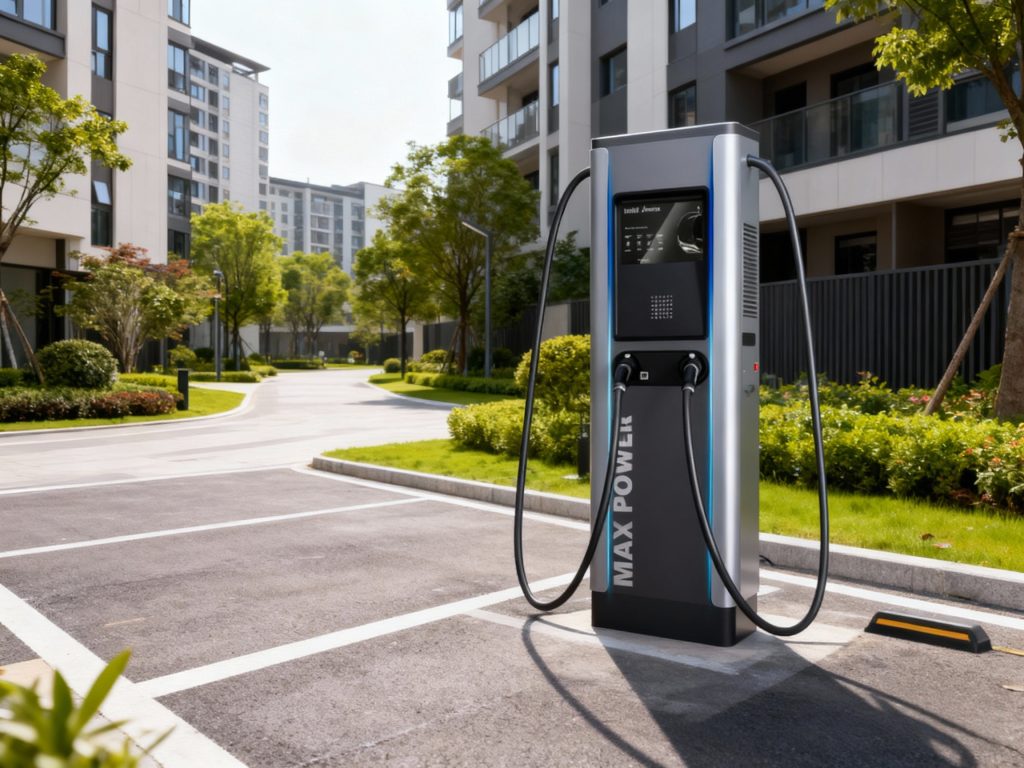
As the electrification of transport accelerates globally, the demand on electrical grids has reached unprecedented levels. Large-scale EV charger deployment at residential complexes, workplace hubs, and commercial depots poses a significant threat to local power distribution grids. If multiple vehicles charge simultaneously at high capacities (e.g., 22kW AC or 120kW+ DC), they can easily exceed the physical power limits of a facility, resulting in tripped breakers, grid instability, or exorbitant peak demand charges.
This is where Dynamic Load Balancing (DLB) Solutions become vital. Instead of costly, slow grid capacity upgrades, a dynamic load balancer acts as an intelligent controller that constantly monitors the building's total energy consumption in real time. It recalculates the available residual capacity and allocates it safely and proportionally among active EV chargers. By implementing advanced DLB, charge point operators (CPOs) can scale their EV networks infinitely while maintaining peak grid security.
Prevents electrical overloads by automatically capping charging currents during peak household or facility demand periods, avoiding localized blackouts.
Analyzes asymmetrical three-phase power use to redirect capacity, mitigating unbalanced phase loads and preventing transformer degradation.
Synchronizes EV chargers directly with local photovoltaic panels and energy storage systems to use 100% green, free surplus power.
Deploying electric vehicle charging stations across international regions requires compliance with a complicated web of local grid codes, safety directives, and billing standards. Standard hardware without localized adaptation often fails to gain municipal authorization. Understanding these regional intricacies is crucial for hardware purchasers:
Shenzhen Orange Energy Co., Ltd. designs and manufactures charging systems with these global specifications built directly into the hardware and software layers. By offering pre-certified platforms and modular field-replaceable units, Orange Energy ensures that deployments in any jurisdiction pass local utility inspections smoothly, reducing field installation time by up to 35%.
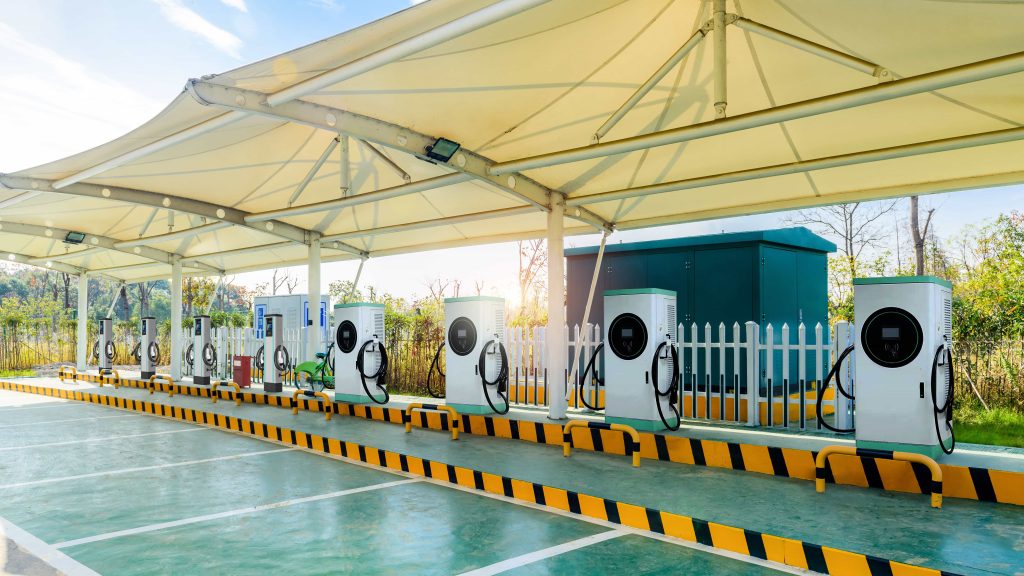
Shenzhen is globally recognized as the silicon capital of power electronics, hosting the world's most advanced supply chain ecosystem for new energy products. Shenzhen Orange Energy leverages this strategic position to deliver high-quality, cost-efficient, and rapidly customized load balancing solutions to international buyers.
Our localized supply chain integration guarantees:
Dynamic Load Balancing is not a one-size-fits-all solution; it adapts to the unique operational profiles of different commercial and industrial settings. Here are the core environments where Orange Energy's solutions excel:
In apartments and condos, electrical grids were never designed for multi-vehicle charging. Residential DLB distributes current based on overnight cycles, giving all tenants fully charged vehicles by morning without upgrading the main breaker panel.
Allows office parks and hospitality venues to provide complimentary or paid charging to dozens of employees and guests. The system shifts power from non-operational zones (such as HVAC reduction during off-hours) to vehicles.
Logistics hubs require rapid DC fast charging at specific delivery intervals. Cloud-based load management ensures that delivery vans charging overnight are prioritized according to dispatch schedules, reducing operational downtime.
Static load balancing divides a fixed amount of pre-allocated power equally among all chargers, regardless of whether other appliances in the facility are running. Dynamic Load Balancing (DLB) continuously monitors the actual, real-time power draw of the building, instantly allocating the remaining capacity to the EV chargers. This maximizes charging speeds and ensures facility safety.
Yes, our complete product lineup is designed and tested to integrate with standard Open Charge Point Protocols (OCPP 1.6J and the newer OCPP 2.0.1). This enables seamless connection with third-party software platforms for billing, load management, and remote diagnostics.
All our EV charging stations undergo rigorous testing to secure essential global certifications, including CE (LVD/EMC), RoHS, REACH, and specific localized requirements such as Type B RCD equivalents. We offer customized production lines to meet country-specific electrical grid codes and physical billing standards.
Absolutely. Our smart charging systems include solar matching modes. By tracking photovoltaic production through CT clamps or smart meters, the charger can adjust its output to match solar generation in real time, enabling carbon-neutral charging.
We provide hardware customization, OEM branding options, white-label app integrations, and comprehensive diagnostic tools. Our technical support team works with local installation partners to ensure smooth commissioning and long-term reliability.



 Orange Energy