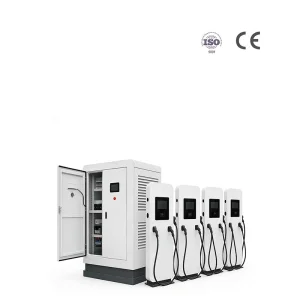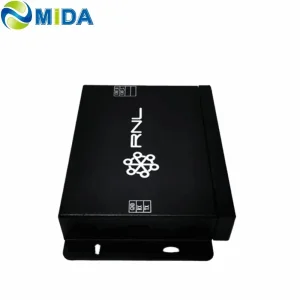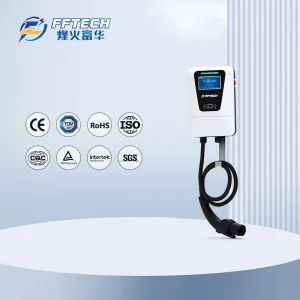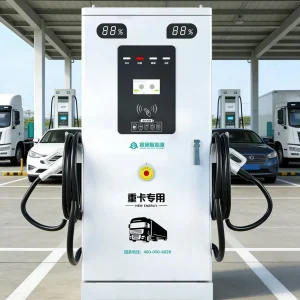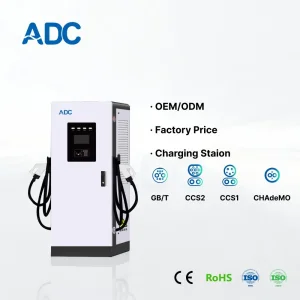
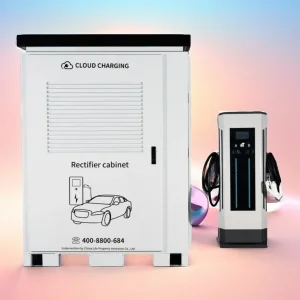
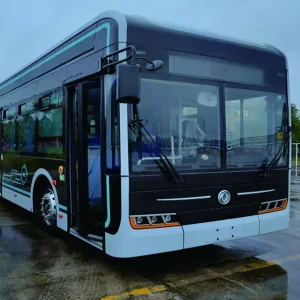
Transitioning from reactive maintenance cycles to intelligent, sensor-driven predictive topologies.
The exponential growth of global electromobility has shifted the baseline requirements for Electric Vehicle Supply Equipment (EVSE). In the early phases of infrastructure expansion, utility operators focused almost exclusively on geographical coverage. Today, as commercial fleets, public transit agencies, and highway networks transition fully to high-power DC fast charging, the critical focus has pivoted to uptime optimization and prognostic health management (PHM). Traditional corrective or scheduled maintenance regimens are no longer economically viable. When a 600kW liquid-cooled charging station fails unexpectedly, the consequence is not merely a transient inconvenience; it results in severe operational bottlenecks for logistics fleets, lost revenue for charge point operators (CPOs), and accelerated degradation of grid-tie power systems.
Predictive maintenance (PdM) represents the frontier of EVSE engineering. By integrating real-time telemetry, advanced insulation monitors, thermal signature analytics, and localized machine learning inference, modern charging installations can forecast sub-component wear before catastrophic dielectric breakdown or thermal runaway occurs. The goal of this technical whitepaper is to explore how leading global factories, particularly those anchoring Shenzhen's advanced industrial supply chains, design, program, and manufacture these self-diagnosing power systems.
To fully appreciate the design paradigm of a predictive maintenance charging system, we must examine the specific stress vectors acting on high-power power converters. Modern fast chargers employ high-frequency switching Topologies, primarily Phase-Shift Full-Bridge (PSFB) or LLC resonant converters utilizing Silicon Carbide (SiC) MOSFETs. These power modules operate under high thermal gradients and significant electrical stress. Over time, these conditions trigger aging mechanisms within the gate drivers, DC-link bus capacitors, and high-frequency transformer windings. A predictive charging unit actively tracks the equivalent series resistance (ESR) of these capacitors and identifies micro-shifts in switching harmonics to mitigate downstream failures.
Unveiling the multi-layered sensor matrix, edge computing architectures, and semantic diagnostic protocols.
Continuous sampling of high-voltage isolation status, temperature gradients of contacts via IR sensors, and coolant pump vibration telemetry to establish structural health baselines.
Localized micro-controllers run light-weight inference engines analyzing current waveforms at the sub-millisecond level, alerting systems of harmonic distortion or contact bounce.
Aggregating localized telemetry via OCPP 2.0.1 extensions to create Digital Twins in the cloud, calculating Remaining Useful Life (RUL) through advanced neural networks.
At the core of the technical roadmap for predictive maintenance EVSE is the integration of ISO 15118 (Plug & Charge) and bidirectional charging protocols (V2G). As vehicles communicate directly with chargers, the system can cross-reference vehicle battery management system (BMS) data with the station's electrical output curves. Any discrepancy—such as transient current spikes, communication latencies, or micro-voltage drops across the connector interface—points immediately to a localized hardware concern.
Furthermore, the advancement of liquid-cooled cable technology (essential for current rates exceeding 350A) introduces a complex fluid-dynamics vector. Traditional cables rely on physical inspections to locate coolant blockages or micro-leaks. The predictive maintenance charging framework utilizes differential pressure sensors and dynamic thermal profiling. If the temperature gradient between the coolant inlet and outlet departs from the expected curve relative to current delivery, the system triggers a localized diagnostic warning, restricting maximum current output to safe operational margins rather than shutting down completely.
The commercialization of heavy duty and public charging assets requires highly resilient physical topologies. Across the European Union and North America, strict regulatory structures mandate minimum operational uptime thresholds, often backed by severe financial penalties for infrastructure concessionaires. This commercial reality has catalyzed a demand shift toward suppliers that integrate native telemetry modules directly into the power matrix.
Enterprise buyers are increasingly focusing on the total cost of ownership (TCO). A charging network deployed with predictive diagnostic capability mitigates unplanned field engineer dispatches, which frequently cost hundreds of dollars per call-out. By identifying components nearing their wear limits (e.g., cooling fans, DC contactors, insulation barriers), operators can execute consolidated preventive servicing runs during off-peak hours, thereby ensuring maximum revenue capture.
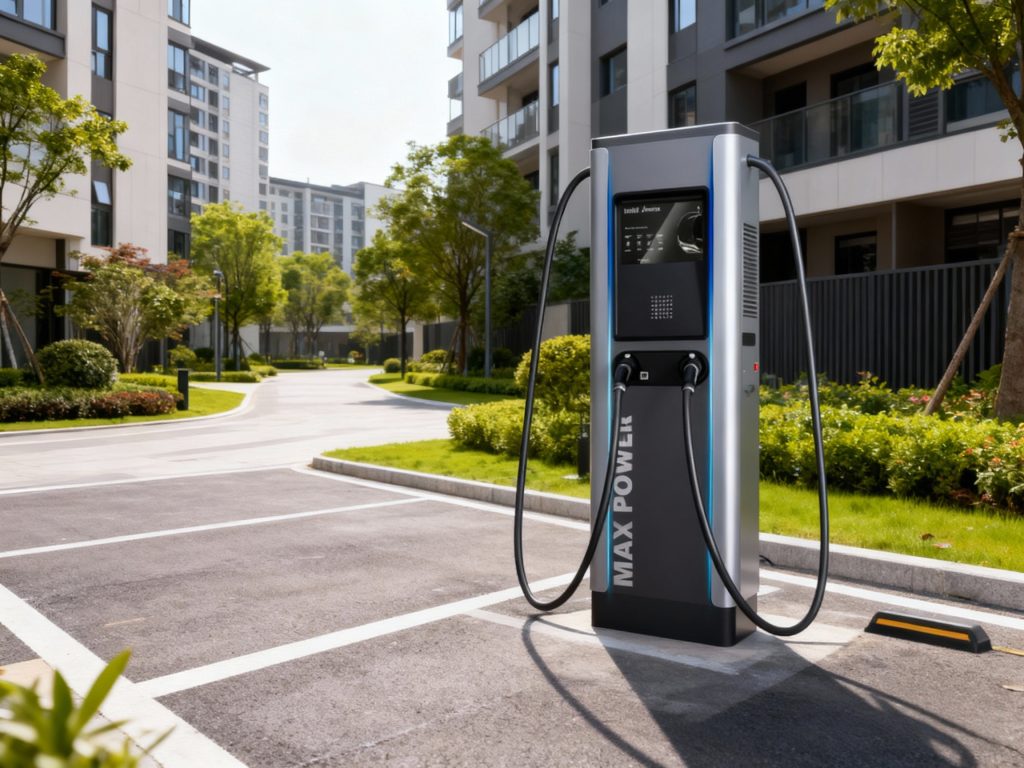
Analysing the raw material control, component-level integration, and execution speed of the Pearl River Delta EVSE cluster.
China’s preeminence in the global EVSE manufacturing sector is not merely a factor of assembly scale; it is defined by profound vertical integration, structural R&D concentration, and unparalleled logistical agility. The Pearl River Delta, specifically the Shenzhen industrial cluster, serves as the global epicentre for high-power semiconductor packaging, magnetic components fabrication, and digital power control design. This local ecosystem allows factories to rapidly prototype, iterate, and validate advanced topologies under one consolidated supply chain umbrella.
Shenzhen Orange Energy Co., Ltd. stands at the vanguard of this industrial development. As a forward-thinking technology enterprise specializing in electric vehicle charging infrastructure and smart energy solutions, the company operates at the intersection of high-capacity hardware and deep-tech diagnostics. By focusing on the development, manufacturing, and global deployment of advanced EV charging systems, Shenzhen Orange Energy bridges the gap between traditional power systems engineering and modern digital orchestration.
Orange Energy's diverse portfolio addresses every core facet of modern electromobility:
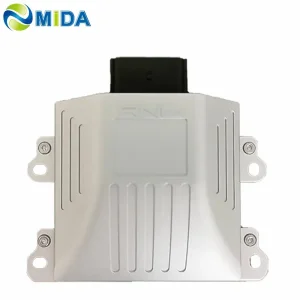
By maintaining complete engineering control over both the physical power topology (such as liquid-cooled power modules) and the communication controller interfaces (EVCC and SECC boards supporting CCS, CHAdeMO, and GB/T standards), Shenzhen Orange Energy delivers an integrated diagnostic layer that provides authentic predictive insights directly to fleet managers and network operators worldwide.
Analyzing real-world deployment challenges and how predictive algorithms perform in varied geographical and structural settings.
High-voltage highway networks encounter massive thermal loading cycles. PdM systems monitor coolant viscosity, fluid pressure differentials, and thermal rebound profiles to prevent liquid-cooled cable failure during peak holiday travel seasons.
For municipal transit systems operating heavy duty EV buses, unplanned downtime compromises community transit grids. PdM algorithms track current profile anomalies to alert fleet supervisors of connector wear and relay contact welding before the bus departs.
Deployments in harsh mining regions or maritime ports subject equipment to particulate dust and corrosive saline humidity. Automated insulation resistance monitoring (IMD) continuously verifies dielectric insulation levels to prevent ground faults.
In high-volume municipal logistics depots, chargers run back-to-back charging schedules for heavy delivery vans. The constant plug-in, plug-out mechanics subject the physical connectors to extensive wear. Inside the connector handle, PT100 temperature sensors monitor the contact pin interface. Through historical telemetry analysis, the system identifies when the contact resistance has risen due to micro-corrosion or pin deformation. The charging station's onboard computer alerts the central depot management dashboard, requesting a connector replacement before the temperature spikes high enough to trigger a thermal cutout mid-charge. This degree of localized precision represents a significant step forward from scheduled monthly inspections.
Navigating the complex landscape of international certifications and safety-critical diagnostic layers.
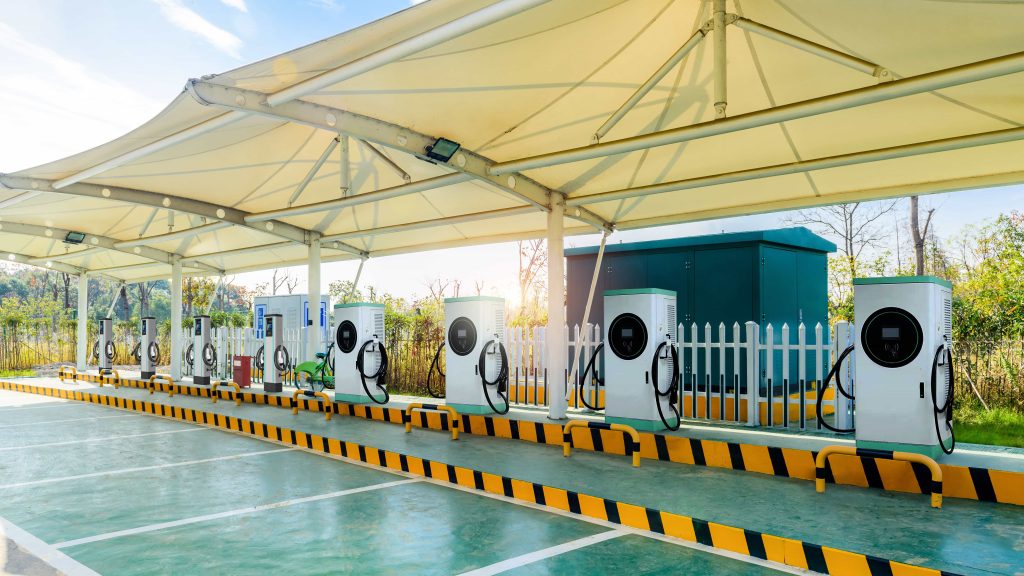
Deploying high-power electrical infrastructure globally requires absolute alignment with safety standards and regional operational grid codes. Chargers must comply with strict criteria including CE, FCC, UL, and GB/T certifications. These standards dictate rigorous parameters for electromagnetic compatibility, leakage current detection, voltage tolerance margins, and insulation barriers.
From a predictive maintenance perspective, compliance goes beyond initial hardware testing. It involves maintaining those safety standards over years of field deployment. For example, UL 2202 and IEC 61851 require robust electrical insulation monitoring. Advanced PdM chargers utilize self-testing insulation monitoring devices (IMD) that periodically inject test signals into the high-voltage DC bus to verify galvanic isolation without disrupting operation, ensuring ongoing safety compliance.
Deep technical insights into predictive maintenance charging hardware, software, and supply integration.
Preventive maintenance is scheduled based on time intervals or usage counts (e.g., servicing a charger every 6 months regardless of its actual performance). Predictive maintenance leverages real-time sensor telemetry and anomaly detection algorithms to monitor the actual health of individual components, initiating maintenance actions only when degradation signatures are detected.
We integrate digital temperature sensors directly onto the silicon carbide (SiC) module substrates and high-current busbars. The system monitors raw temperatures alongside real-time charging currents, comparing these values against a dynamic thermal resistance model. This enables the detection of thermal degradation, such as aging thermal interface material (TIM), before it triggers a thermal overload fault.
Modern systems utilize OCPP 2.0.1 (Open Charge Point Protocol), which provides enhanced diagnostics, device management features, and real-time security events. This protocol allows chargers to transmit granular sensor logs, sub-component diagnostic warnings, and performance telemetry directly to back-office monitoring platforms.
No, the predictive maintenance diagnostic systems are fully integrated into the charger's internal hardware and firmware. The physical installation process remains identical to standard DC chargers, requiring typical grid-connection and safety protocols, while the advanced diagnostic analytics operate automatically in the background.
The insulation monitoring device (IMD) continually measures the resistance between the active high-voltage conductors and the protective earth ground. If isolation levels fall below standard compliance thresholds (such as 100 ohms/volt), the charger initiates a controlled shut down sequence and sends an alert log via the network to prevent shock hazards.

 Orange Energy