Engineered for commercial accessibility, fleet authorization, and robust outdoor environments.
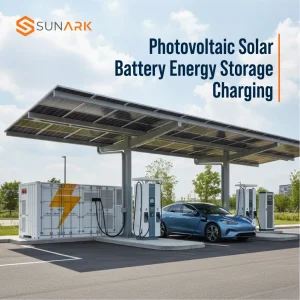
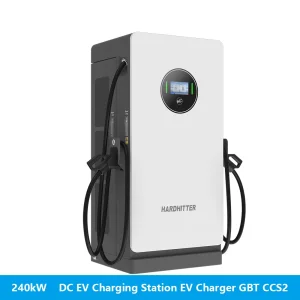
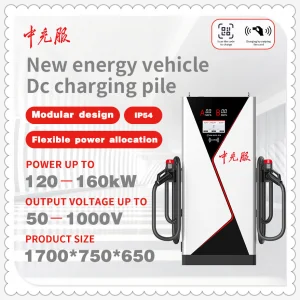
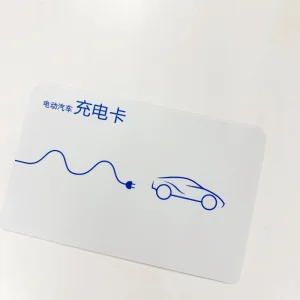
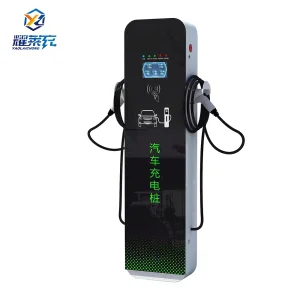
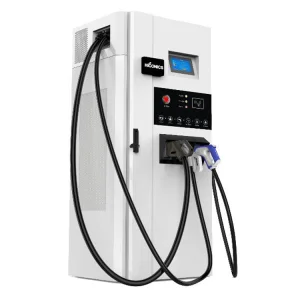
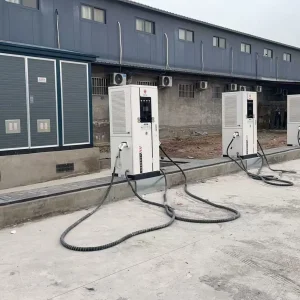
The global transition to electric mobility has transformed EV charging stations from secondary amenities into critical infrastructure assets. Multi-tenant commercial complexes, national logistics fleets, and urban smart grids require secure, standardized, and load-intelligent charging topologies. Radio Frequency Identification (RFID) stands at the forefront of this evolution, offering local offline validation, simplified user authorization, and encrypted transaction protection. With regulatory mandates (such as the European Alternative Fuels Infrastructure Regulation - AFIR, and the United States NEVI program) driving standardized access and payment options, high-speed commercial DC chargers integrated with dual RFID/POS systems are now the primary standard for multi-tenant and public spaces.
Traditional app-reliant architectures often suffer from latency issues, network dead zones, and fragmented mobile applications, resulting in high user drop-off rates. Conversely, RFID systems provide near-instantaneous validation (typically under 100 milliseconds) and are not reliant on persistent internet connectivity. This makes them ideal for underground garages, high-density fleet depots, and locations with unstable cellular networks. Sourcing from a verified manufacturer ensures that hardware meets international grid codes while utilizing open communication standards to avoid vendor lock-in.
Optimized configurations built to address localized structural, environmental, and business models.
RFID allows employers to issue access cards to staff and white-listed guests. Human Resources can tie energy utilization to corporate sustainability reports, while offering structured billing (free for employees, standard rates for visitors).
In apartments and condominiums, limited electricity capacity requires dynamic load distribution. RFID badges allocate consumption per household, integrating with property management software to simplify monthly utility billing.
Integrating 7kW to 44kW smart AC chargers or dual CCS2 DC stations allows shoppers to charge while they dine or shop. Loyalty programs can issue RFID cards, linking charging credits with retail purchases to drive foot traffic.
Commercial fleet logistics require highly reliable authentication to track vehicle charging and route efficiency. Ultra-high frequency (UHF) RFID windshield tags can trigger hands-free automatic charging validation for heavy-duty electric trucks.
A Forward-Thinking Pioneer in Global Smart Energy Infrastructure
Shenzhen Orange Energy Co., Ltd. is a forward-thinking technology company specializing in electric vehicle charging infrastructure and smart energy solutions. Based in Shenzhen, the company focuses on the development, manufacturing, and deployment of advanced EV charging systems for global markets.
Orange Energy provides a comprehensive portfolio of charging solutions, including workplace EV charging, public charging infrastructure, residential charging solutions, and fleet charging systems. The company also develops fast-charging stations, urban charging networks, and highway charging stations to support the growing adoption of electric mobility.
In addition, Orange Energy delivers specialized applications such as retail parking charging, hotel destination charging, shopping mall and office building charging solutions, and multi-unit residential charging systems. Its innovative offerings also include advertising display charging stations, digital screen chargers, interactive charging displays, solar-powered EV charging systems, and networked charging management platforms.
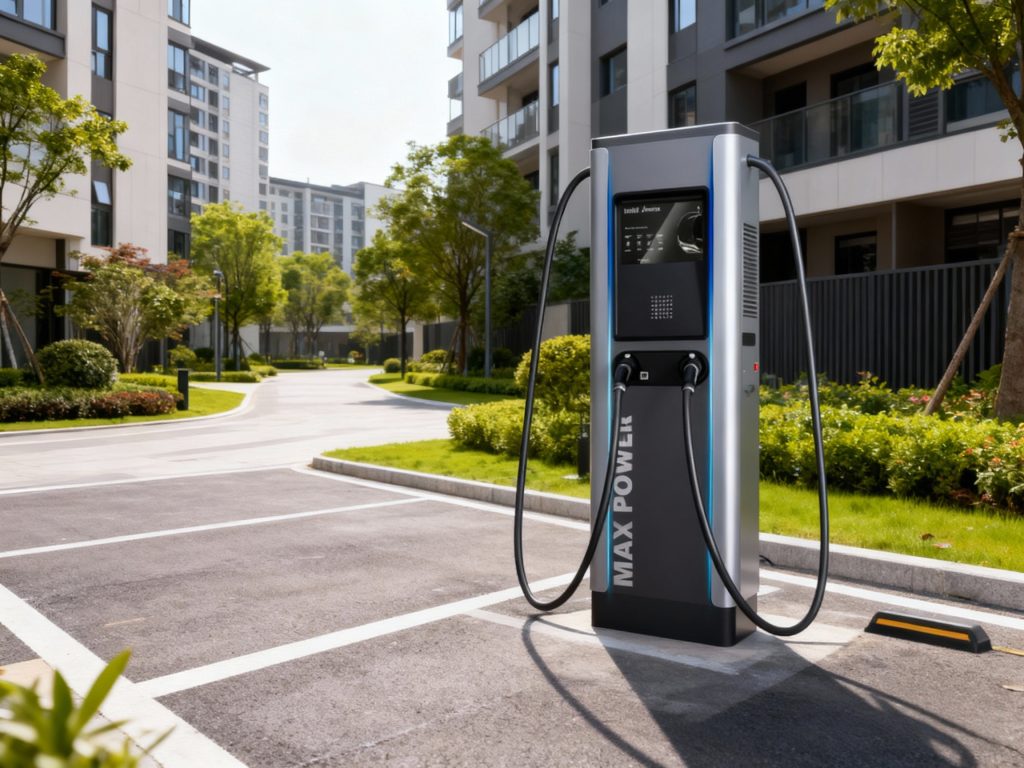
With a strong focus on smart technology, reliability, and sustainability, Shenzhen Orange Energy Co., Ltd. aims to help cities, businesses, and communities build efficient EV charging ecosystems worldwide. By utilizing open communications interfaces and integrating next-generation hardware designs, Orange Energy equipment interfaces smoothly with third-party software, commercial management suites, and regional power grid operators.
Every piece of hardware manufactured in their Shenzhen facilities undergoes rigorous verification testing, including thermal stress profiling, electrical insulation protection, and network latency optimization, to ensure stable performance under varied weather and grid conditions.
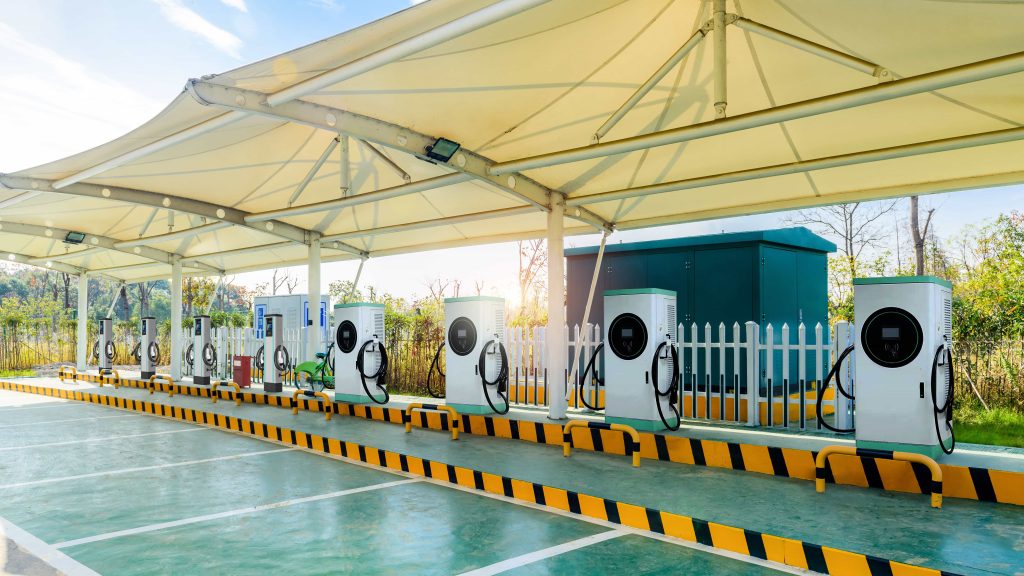
Shenzhen represents the global epicentre of electric vehicle power electronics. Sourcing EV charging stations from Orange Energy's Shenzhen hub provides significant supply chain and technology development advantages:
Why Sourcing and Supply Chain Design Matters:
A secure supply chain ensures ready access to replacement components, long-term technical support, and firmware updates. By utilizing standardized industrial components, Orange Energy protects commercial buyers from prolonged downtime and costly proprietary system upgrades.
The technology behind EV chargers is evolving rapidly. We are focused on three core engineering vectors to ensure our charging systems remain compatible with future innovations:
While OCPP 1.6J remains widely used today, our smart controller architectures are ready to transition to OCPP 2.0.1. This upgrade brings improved device monitoring, customizable display integrations, and enhanced security via TLS client certificates—protecting public EV charging networks from potential communication exploits.
As power grid capacity becomes increasingly valuable, charging stations must adapt to real-world grid demands. Our dynamic load balancing controllers monitor building power draw in real time, automatically reducing charging speeds during peak hours and scaling them up when electricity usage drops. This helps prevent costly grid upgrades and peak-demand utility charges.
The charging industry is moving toward seamless vehicle authorization. By integrating the ISO 15118 communication protocol alongside RFID options, we allow compatible vehicles to authenticate automatically upon plugging in, without requiring a card swipe. This provides a user experience comparable to Tesla's Supercharger network.
| Feature Category | Current Generation (OCPP 1.6J) | Next-Gen Standards (OCPP 2.0.1 & ISO 15118) | Business Impact |
|---|---|---|---|
| User Authentication | RFID Card (13.56MHz Mifare) & QR Codes | UHF RFID / Plug & Charge (ISO 15118) | Frictionless user access and high security |
| Load Management | Static / Localized Load Allocation | Dynamic Load Balancing & V2G Capability | Minimizes peak demand grid charges |
| Cybersecurity | Standard HTTP/JSON over WebSockets | TLS Encryption with Device Certificates | Protects transaction and client data |
| Diagnostic Monitoring | Basic Error Codes & Heartbeat Logs | Rich Telemetry & Predictive System Warnings | Helps plan preventative maintenance |
To successfully deploy commercial EV charging systems globally, adherence to local grid safety standards and communication protocols is essential. Sourcing high-quality hardware is only part of the equation; compliance with regional regulatory mandates is critical for grid connection approval and public funding eligibility.
Additionally, Orange Energy offers firmware localization support, enabling integration with local billing platforms, dynamic tax compliance structures, and regional languages on interactive screen displays.
Explore our expanded catalog, from mobile apps and turnkey engineering packages to customized home and venue charging stations.



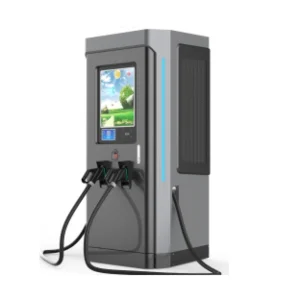


Technical and logistical insights from our EV infrastructure engineering department.
 Orange Energy