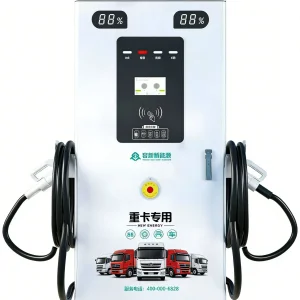
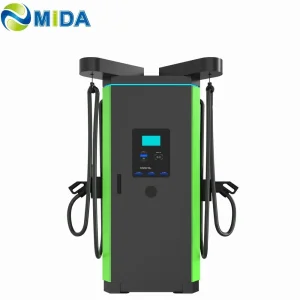
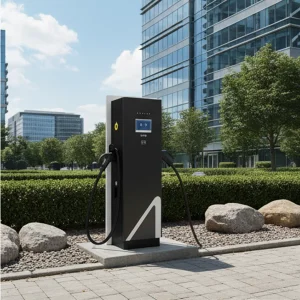
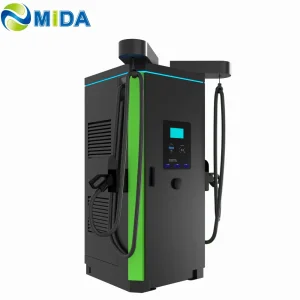
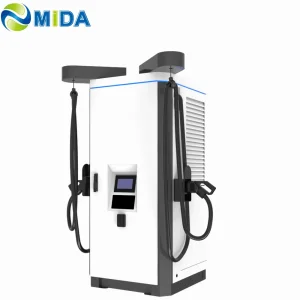
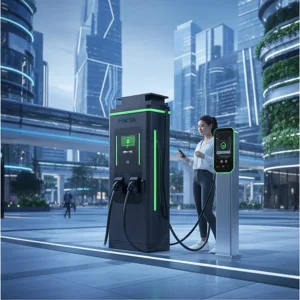
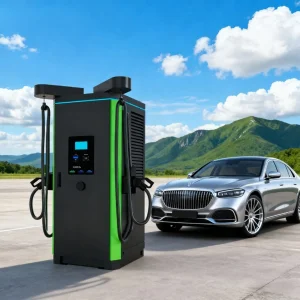
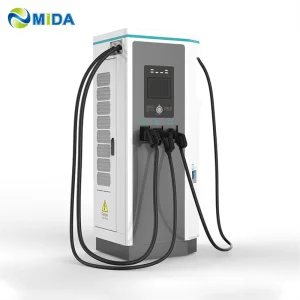
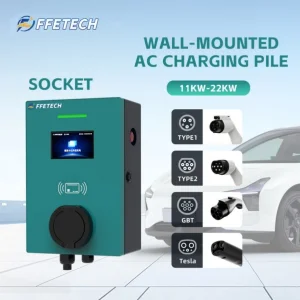
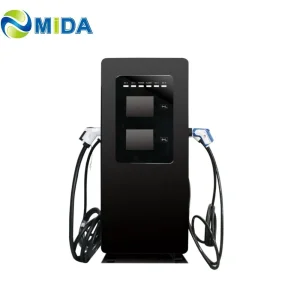
High-demand configurations designed for maximum uptime and grid compatibility with Western Power's SWIS network.
As the primary urban center of Western Australia, Perth is experiencing an unprecedented structural shift toward electric mobility. Spurred by state-backed policies such as the Western Australian EV Network, commercial property developers, fleet operators, and retail facility managers are rapidly auditing their power assets. Perth's energy profile is highly unique—it is powered by the isolated South West Interconnected System (SWIS) and features one of the highest densities of household rooftop solar PV in the world.
This dynamic creates both opportunities and technical barriers. For instance, in retail hotspots like Joondalup, Cannington, Fremantle, and the Perth CBD, shopping centers suffer from severe transformer capacity bottlenecks during peak demand periods. Deploying multi-terminal DC fast chargers requires sophisticated Dynamic Load Management (DLM) algorithms to prevent grid overloads and avoid high demand tariffs from Western Power. Integrating smart fast-charging terminals with local on-site battery storage (BESS) and commercial solar arrays represents the frontier of localized power distribution optimization.
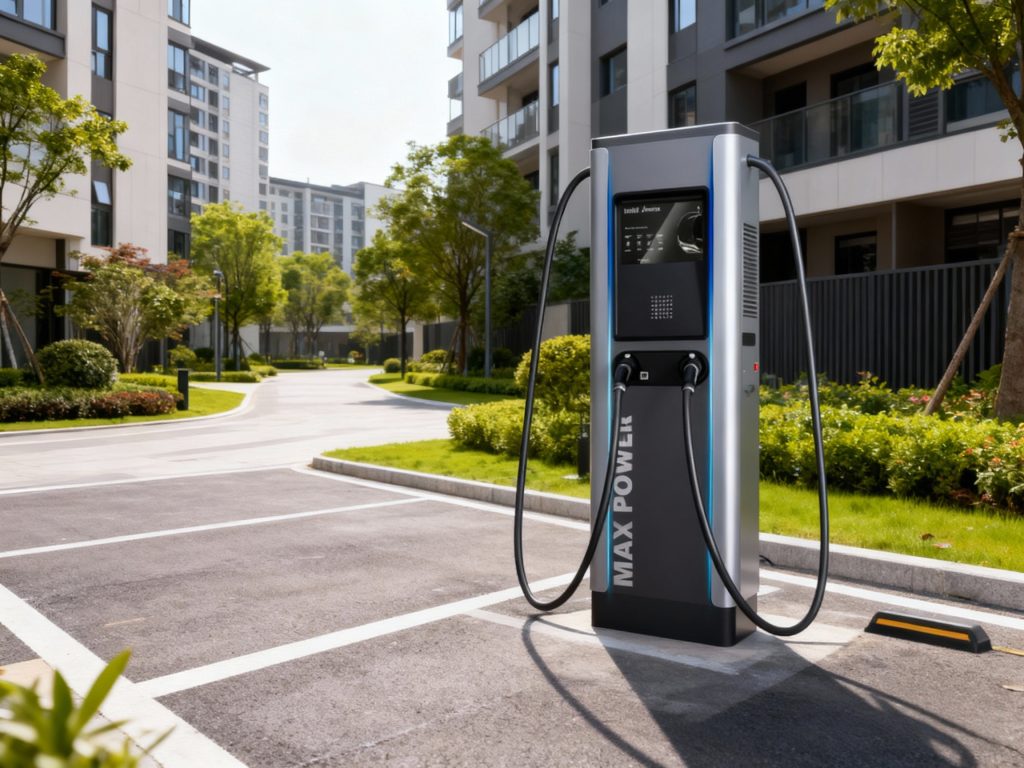
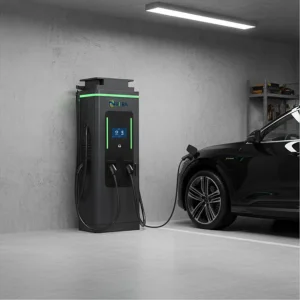
Within Perth’s retail landscape, EV charging stations have evolved from a novelty amenity into a crucial driver of asset valuation. Properties that offer high-speed, reliable DC charging (ranging from 60kW to 180kW) experience significant gains in dwell-time metrics. Consumers prefer to complete shopping trips or dine while adding 150km+ of range to their vehicle.
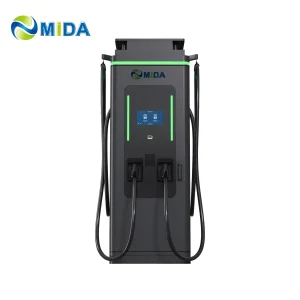
By leveraging chargers equipped with integrated advertising display screens, operators can transition charging stations from cost centers into high-margin media platforms, yielding additional visual impressions and digital out-of-home (DOOH) revenue.
Globally, the EV charging infrastructure market has moved beyond slow AC charging toward ultra-fast DC hubs. Fleet operators and interstate logistics corridors are actively planning transitions to Megawatt Charging Systems (MCS) to service heavy heavy-duty haulage. Simultaneously, the integration of ISO 15118 (Plug & Charge) and OCPP 2.0.1 is standardizing payment systems and cyber-security architectures, ensuring that the charging interaction is seamless and protected.
Furthermore, localized storage and Vehicle-to-Grid (V2G) capabilities are transforming EVs from static consumers of electricity into decentralized mobile grid-storage assets. This global framework serves as a critical blueprint for developers in Perth. Exporters must provide highly customizable, robust, and software-agnostic hardware that handles both the harsh Australian summer temperatures (surpassing 40°C) and the integration of varying global standards (CCS2, NACS, GB/T, Chademo).
Configured for heavy industrial fleets, mining support networks, and dealership operations in Western Australia.
Developing public charging infrastructure demands a cohesive architecture bridging physical hardware with cloud-based management systems. Orange Energy proposes a structured ecosystem model:
Designed for mid-to-high dwell scenarios. These solutions balance energy between office cooling, lighting loads, and EV charging demands using smart OCPP 1.6J/2.0 cloud communication networks.
Ultra-fast DC hubs (180kW to 400kW) featuring multi-standard compatibility (CCS2, NACS) configured to deliver rapid power replenishment on major logistics corridors across WA.
Dual-function kiosks optimized for retail settings. Combines DC fast charging with dynamic IP65 outdoor display panels for local retail marketing, branding, and municipal notifications.
As grid dynamics evolve, hardware robustness is paramount. Shenzhen Orange Energy’s engineering roadmap is designed around three primary pillars:
Shenzhen Orange Energy Co., Ltd. is a forward-thinking technology company specializing in electric vehicle charging infrastructure and smart energy solutions. Based in Shenzhen, the company focuses on the development, manufacturing, and deployment of advanced EV charging systems for global markets.
Orange Energy provides a comprehensive portfolio of charging solutions, including workplace EV charging, public charging infrastructure, residential charging solutions, and fleet charging systems. The company also develops fast-charging stations, urban charging networks, and highway charging stations to support the growing adoption of electric mobility.
In addition, Orange Energy delivers specialized applications such as retail parking charging, hotel destination charging, shopping mall and office building charging solutions, and multi-unit residential charging systems. Its innovative offerings also include advertising display charging stations, digital screen chargers, interactive charging displays, solar-powered EV charging systems, and networked charging management platforms.
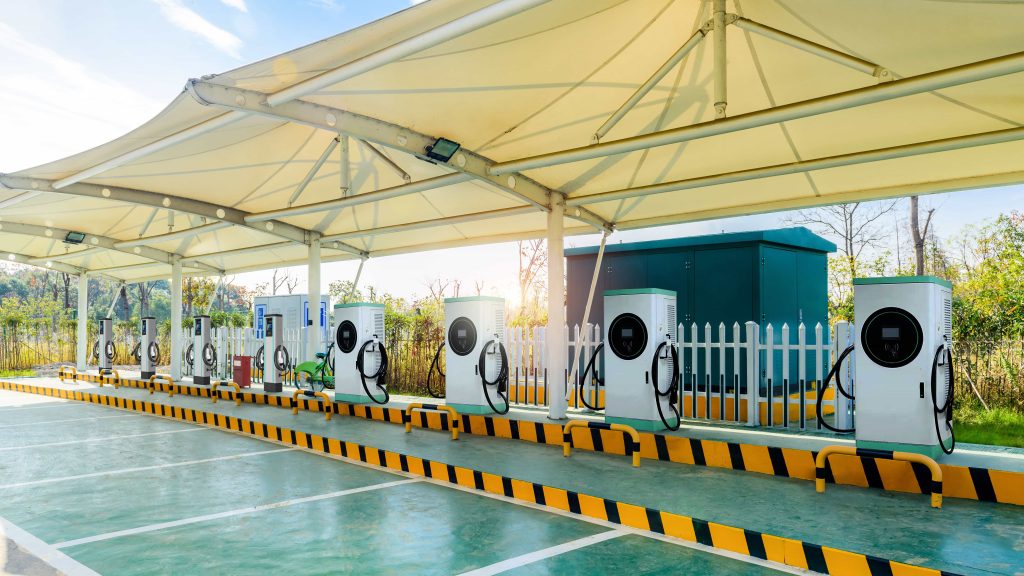
With a strong focus on smart technology, reliability, and sustainability, Shenzhen Orange Energy Co., Ltd. aims to help cities, businesses, and communities build efficient EV charging ecosystems worldwide.
Premium export products fully certifiable and customizable for operators in Western Australia.
Expert insights on planning, structural compliance, grid limitations, and hardware exports in Western Australia.
 Orange Energy