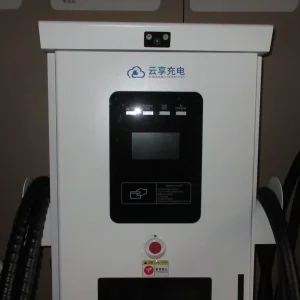
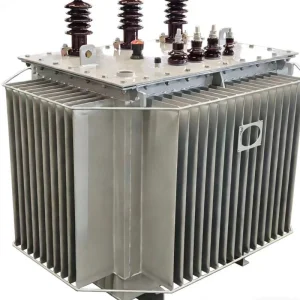
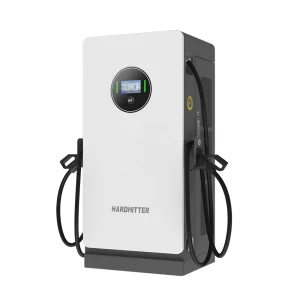
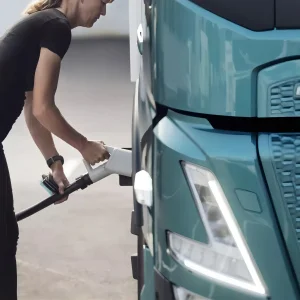
South Korea stands as a global titan in the electric vehicle ecosystem. With the presence of automotive giants like Hyundai and Kia, and battery leaders LG Energy Solution, Samsung SDI, and SK On, the demand for sophisticated Public EV Charging Infrastructure has skyrocketed. The Korean government's "Green New Deal" aims to deploy hundreds of thousands of fast chargers by 2030, making it one of the most densely packed charging markets in the world.
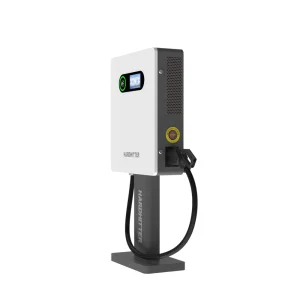
Factories in Korea and those supplying the Korean market must adhere to rigorous KC certification and KATS standards. The industry is shifting from standard 50kW chargers to ultra-fast 350kW+ units, capable of providing 400km of range in just 15 minutes. This technological prowess ensures that public charging hubs are efficient, safe, and future-proof.
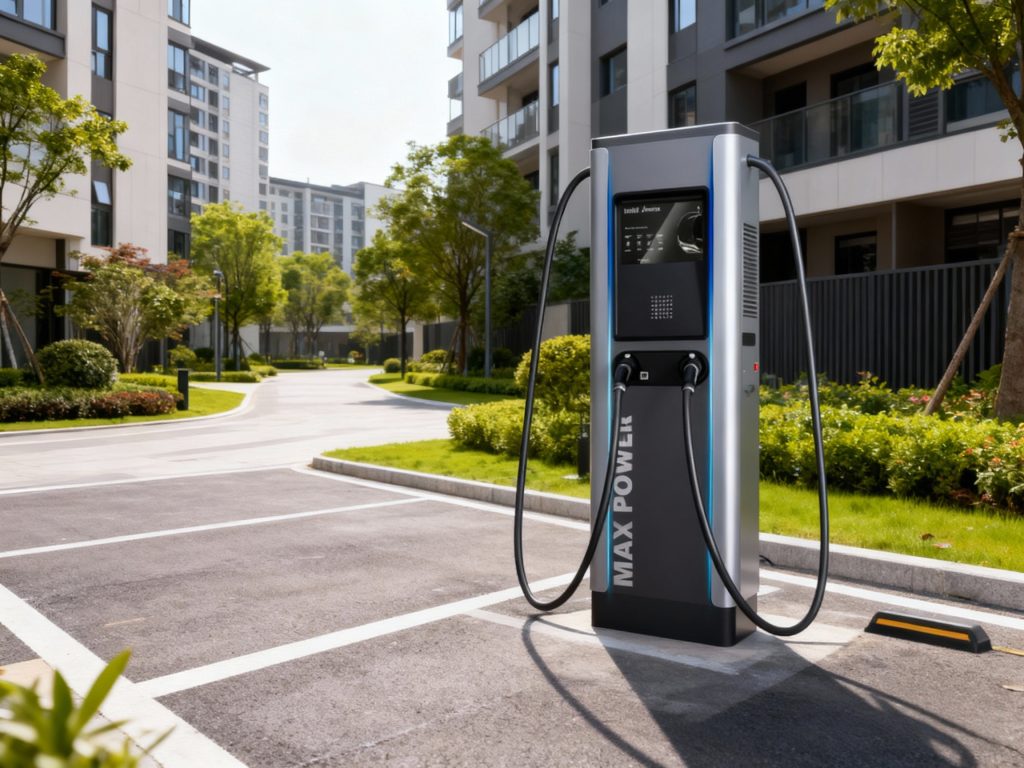
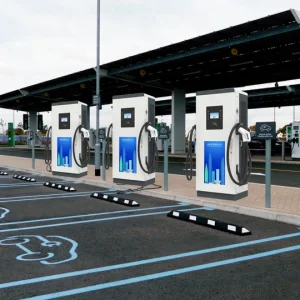
The Public EV Charging Infrastructure in Korea is characterized by high integration and smart technology. As one of the world's leading smart cities, Seoul serves as a living laboratory for urban charging deployment. Unlike many Western countries where residential charging dominates, the high-density apartment living in Korea necessitates a robust public and semi-public charging network. Manufacturers are now focusing on "Super-Fast" charging hubs located at highway rest areas (known locally as hyugeso) and urban "Charging Stations" that resemble traditional petrol stations but offer AI-integrated lounge experiences.
Current trends show a massive push towards V2G (Vehicle-to-Grid) technology. Korean manufacturers are testing systems where EVs can return power to the grid during peak demand in cities like Jeju and Incheon. Furthermore, the integration of AI diagnostics in chargers allows operators to predict maintenance needs before a failure occurs, ensuring that the public infrastructure maintains an uptime of over 99%—a critical metric for public trust.
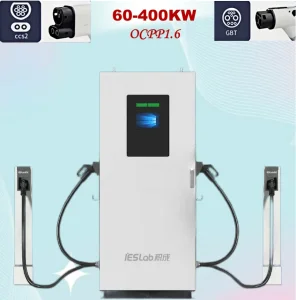
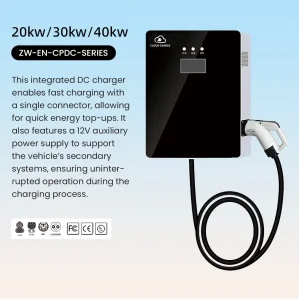
Factories specializing in DC Fast Chargers are increasingly adopting modular power stack designs. This allows for easy scalability; a station can start at 120kW and be upgraded to 240kW or 360kW simply by adding modules. This flexibility is vital for the Korean market, where vehicle battery capacities and charging speeds are evolving rapidly with each new model release from local automakers.
Over 60% of Koreans live in apartments. Our chargers are designed for basement deployment with advanced fire suppression and load balancing to prevent grid overload in high-density residential areas.
Korea's expressways are the arteries of the nation. High-power DC stations (up to 360kW) provide rapid top-ups for long-distance travelers, integrated with local payment apps and T-money systems.
From Lotte World Mall to Hyundai Department Stores, our chargers with advertising displays provide a secondary revenue stream for property owners while serving premium EV owners.
The manufacturing ecosystem in Korea is not just about the hardware; it's about the software-defined charging experience. Modern Public EV Charging Infrastructure factories are incorporating AI algorithms that analyze local grid capacity in real-time. In cities like Daegu and Gwangju, chargers are being integrated with solar canopies and ESS (Energy Storage Systems), allowing them to operate independently of the main grid during emergencies.
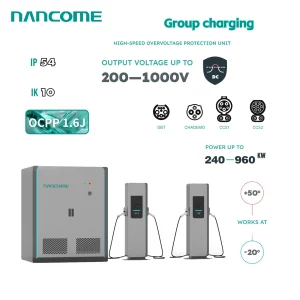
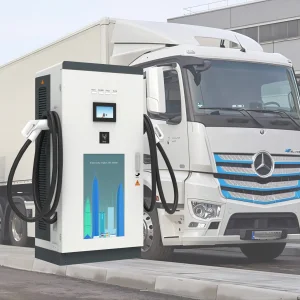
Furthermore, the "K-EV100" initiative, which encourages corporations to convert their fleets to 100% electric by 2030, has created a massive demand for heavy-duty charging solutions. This includes Megawatt Charging Systems (MCS) for electric buses and trucks, a sector where Korean and partner manufacturers are leading the global charge. By focusing on liquid-cooled cables and high-efficiency SiC (Silicon Carbide) semiconductors, the newest generation of Korean-spec chargers reduces energy loss by 30%, contributing directly to national carbon neutrality goals.
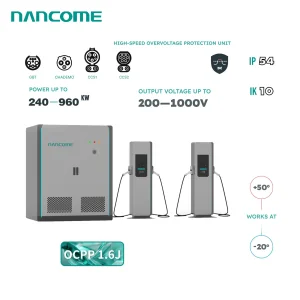
Pro Tip for Investors: When selecting a manufacturer for the Korean market, ensure they provide OCPP 1.6J or 2.0.1 compatibility. This open-source protocol is mandatory for integration with the various roaming networks and government subsidy tracking systems prevalent in South Korea.
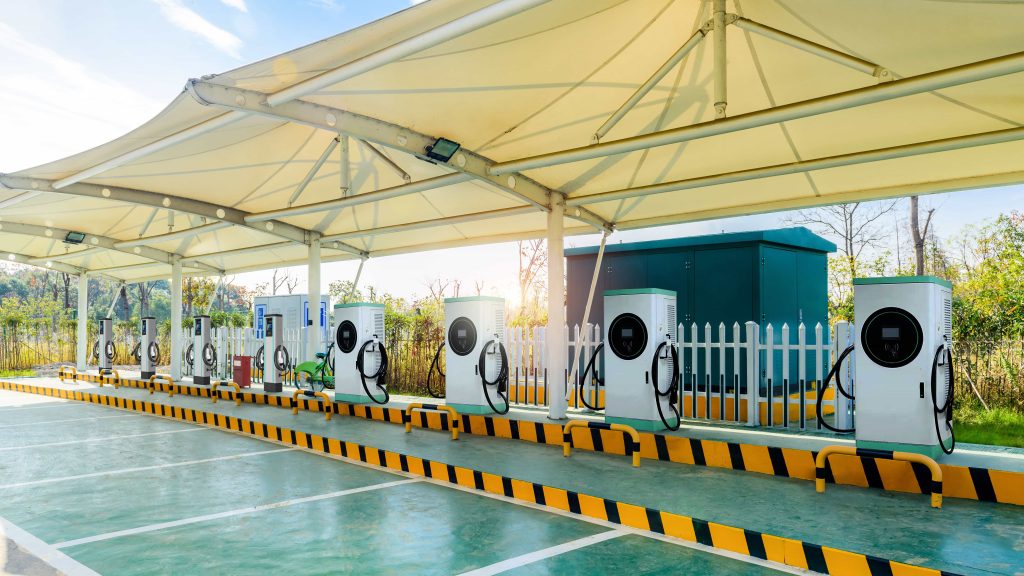
Shenzhen Orange Energy Co., Ltd. is a forward-thinking technology company specializing in electric vehicle charging infrastructure and smart energy solutions. Based in Shenzhen, the company focuses on the development, manufacturing, and deployment of advanced EV charging systems for global markets.
Orange Energy provides a comprehensive portfolio of charging solutions, including workplace EV charging, public charging infrastructure, residential charging solutions, and fleet charging systems. The company also develops fast-charging stations, urban charging networks, and highway charging stations to support the growing adoption of electric mobility.
In addition, Orange Energy delivers specialized applications such as retail parking charging, hotel destination charging, shopping mall and office building charging solutions, and multi-unit residential charging systems. Its innovative offerings also include advertising display charging stations, digital screen chargers, interactive charging displays, solar-powered EV charging systems, and networked charging management platforms.
With a strong focus on smart technology, reliability, and sustainability, Shenzhen Orange Energy Co., Ltd. aims to help cities, businesses, and communities build efficient EV charging ecosystems worldwide.
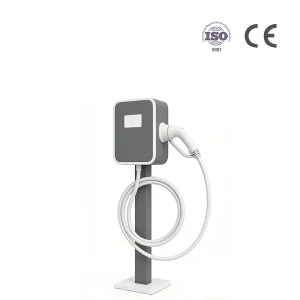
Looking for more specialized products? We offer a wide range of additional charging systems, including floor-mounted AC chargers and high-traffic public stations with up to 250A high-speed capability. All units are OCPP compliant and support global standards.
Request Full Catalog & Quotation Orange Energy