Integrated Electric Vehicle Management platforms and diagnostic tools engineered for real-time grid optimization in Bata, Malabo, and growing commercial corridors.

Equatorial Guinea, positioned strategically within the Central African Economic and Monetary Community (CEMAC), is embarking on a comprehensive energy diversification program. Historically reliant on hydrocarbon exports, the government’s "Horizonte 2035" developmental agenda emphasizes economic resilience, urban modernism, and environmental conservation. As key cities like Malabo on Bioko Island and Bata on the mainland undergo rapid urbanization, the introduction of smarter transport options becomes imperative.
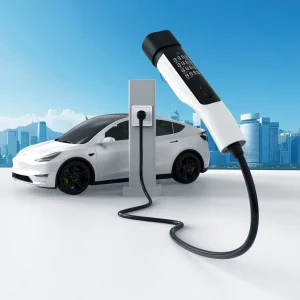
By shifting focus toward electric vehicle adoption, Equatorial Guinea leverages its significant hydroelectric generation capacity—specifically through assets like the Djibloho Dam. However, translating this power generation into functional EV mobility requires robust infrastructure. Our smart energy management systems optimize local load balancing, preventing grid congestion and enabling microgrid compatibility across private and public sectors.
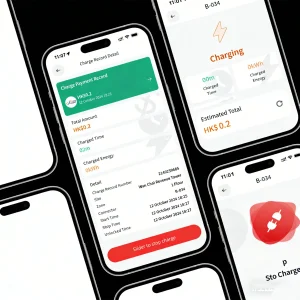
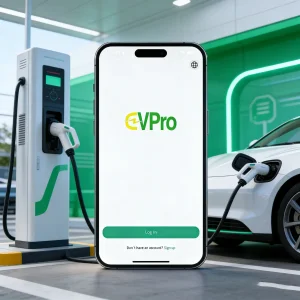
Standalone EV chargers create massive power spikes, threatening the stability of localized distribution networks. For Equatorial Guinea's commercial developers, implementing Smart EV Charging Management Platforms is not a luxury—it is a technical necessity. Our OCPP 1.6J/2.0.1 compliant software regulates output automatically, utilizing algorithmic forecasting to allocate electricity to connected vehicles without exceeding building or municipal capacities.
Furthermore, remote diagnostics play a vital role. In environments where technical maintenance pipelines are longer, an EV charging network that can self-heal, reset automatically via cloud commands, and alert operators to component-level issues mitigates operational risk. Orange Energy's app ecosystem supports multi-user management, enabling local hotels, ports, and corporations to commercialize charging easily.
Across the West-Central African coastline, energy architecture is changing. The integration of regional power pools highlights the transition towards decentralized energy resources (DERs). In Equatorial Guinea, heavy industries, port facilities in Bata, and commercial centers in Malabo are seeking ways to decouple operational overheads from fuel price volatility. By coupling large-scale industrial activities with smart solar-and-storage assets, businesses can establish autonomous energy nodes.
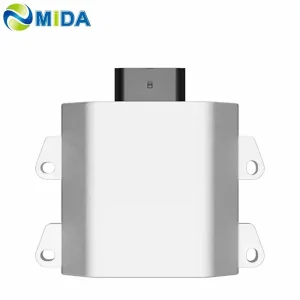
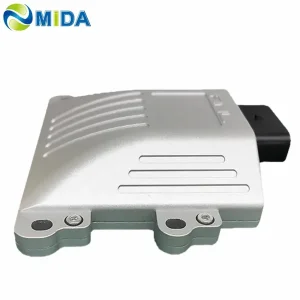
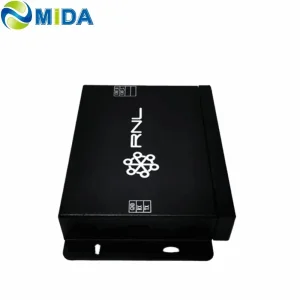
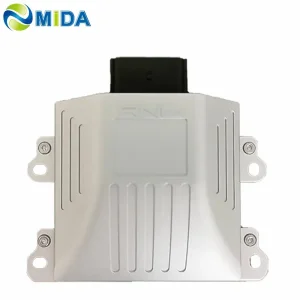
To support this transition, Shenzhen Orange Energy Co., Ltd. has developed specialized sub-modules and high-speed communication controllers. Our SECC and EVCC protocols facilitate high-speed CCS2 and NACS vehicle-to-grid (V2G) handshakes, meaning fleet managers can use parked EVs as battery reserves, feeding electricity back into the industrial complexes during peak tariffs.
Our solutions adapt to fluctuations in input voltage—a common challenge in equatorial power grids. Integrated over-voltage, under-voltage, and short-circuit protections preserve the lifespan of both vehicle batteries and charging hubs.
Direct integration with solar PV plants and lithium iron phosphate (LiFePO4) storage systems. This enables zero-emission charging even in remote offshore platforms or inland developmental zones.
Whether configuring billing for public stations or managing corporate access control, our backend architecture scales dynamically to support multiple payment platforms and RFID systems.
For international procurement directors, importing machinery and infrastructure equipment into Equatorial Guinea requires absolute assurance of compatibility and compliance. Hardware must strictly adhere to International Electrotechnical Commission (IEC) standards, such as IEC 61851-1, and satisfy local customs regulations. Standardized CCS2 and Type 2 charging profiles are the default configuration for European-spec vehicles entering the CEMAC region.
Shenzhen Orange Energy guarantees that all shipped systems feature tropicalized components (conformal coatings on internal PCBs) designed to prevent damage from persistent relative humidity, salinity, and ambient temperatures exceeding 35°C. Our comprehensive quality checks assure continuous functionality at busy coastal freight hubs and offshore industrial terminals.
Procurement Checklist for Industrial Charging Hubs:
At Shenzhen Orange Energy Co., Ltd., we combine the dynamic technological ecosystem of China’s leading hardware valley with Factory 4.0 automation. By digitizing our manufacturing pipeline, we monitor components from raw silicon wafers to the final assembly of our EV charging communication solutions. This deep integration allows us to keep lead times predictably short, even amidst global shipping disruptions.
Every charging station and communication controller undergoes automated diagnostic routines. These include high-voltage stress tests, simulated environmental cycling, and protocol verification via specialized PLC/CAN test rigs. For custom ODM projects bound for Equatorial Guinea, we can customize firmware, integrate localized billing gateways, and redesign hardware enclosures to match corporate branding guidelines.
Our strategic proximity to Shenzhen’s primary shipping ports means we can consolidate cargo quickly, optimize container space, and expedite custom clearances to deliver systems securely to Bata and Malabo ports.
High-end resorts along the coast of Bioko Island can attract international travelers and premium business delegates by offering destination smart charging stations. Fully integrated with membership reward apps to seamlessly link charging costs to guest bills.
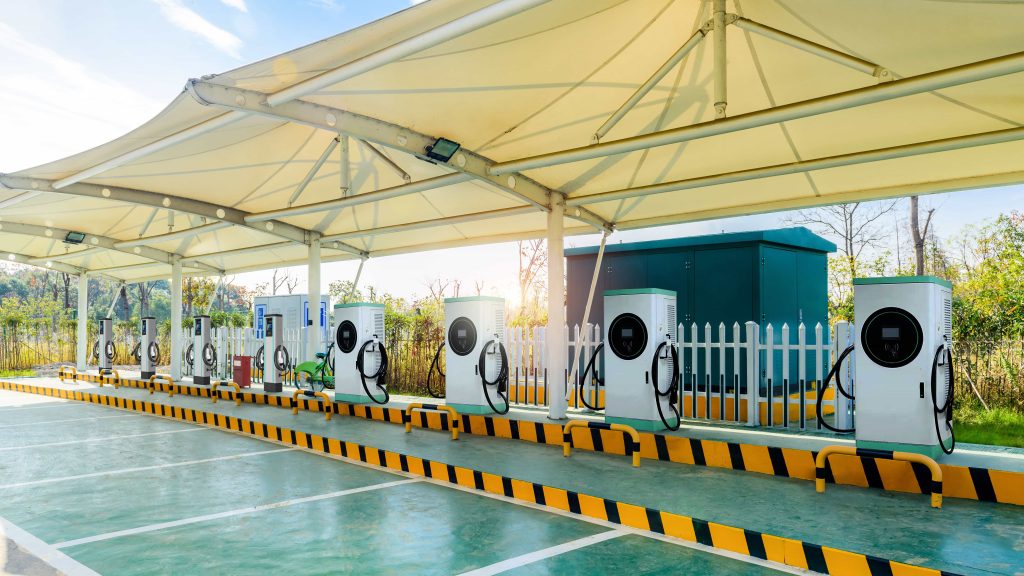
Heavy duty freight transport fleets require reliable high-power DC charging stations (up to 240kW). Our systems communicate with onboard EVCC modules to schedule rapid charge sessions, preventing vehicles from remaining offline.
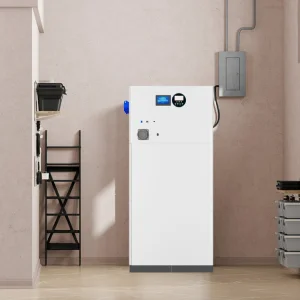
By pairing our 20kWh Solar Storage All-in-One charging systems with decentralized micro-hydros or PV arrays, developers can deploy reliable chargers to inland communities far removed from the primary high-tension grid.
Our catalog of high-durability fast chargers, smart energy storage units, and specialized communication controllers optimized for Equatorial Guinea's infrastructure developments.
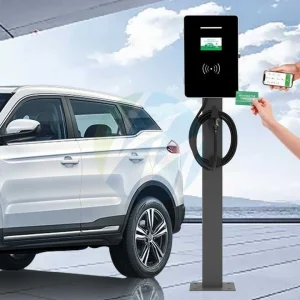
Shenzhen Orange Energy Co., Ltd. is a forward-thinking technology company specializing in electric vehicle charging infrastructure and smart energy solutions. Based in Shenzhen, the company focuses on the development, manufacturing, and deployment of advanced EV charging systems for global markets.
Orange Energy provides a comprehensive portfolio of charging solutions, including workplace EV charging, public charging infrastructure, residential charging solutions, and fleet charging systems. The company also develops fast-charging stations, urban charging networks, and highway charging stations to support the growing adoption of electric mobility.
In addition, Orange Energy delivers specialized applications such as retail parking charging, hotel destination charging, shopping mall and office building charging solutions, and multi-unit residential charging systems. Its innovative offerings also include advertising display charging stations, digital screen chargers, interactive charging displays, solar-powered EV charging systems, and networked charging management platforms.
With a strong focus on smart technology, reliability, and sustainability, Shenzhen Orange Energy Co., Ltd. aims to help cities, businesses, and communities build efficient EV charging ecosystems worldwide.
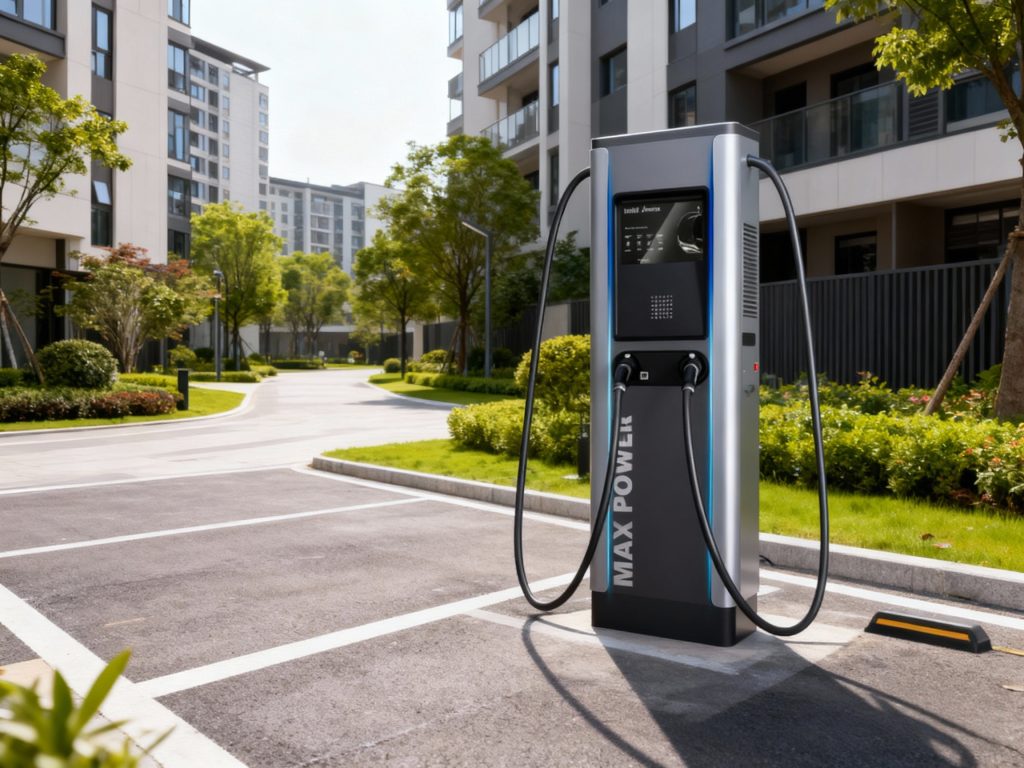
Contact our engineering and procurement team for bespoke OEM/ODM hardware and software integration options tailored to the Central African grid.
Send Inquiry Now Orange Energy