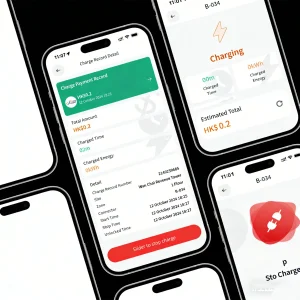
Enterprise-level, cross-platform applications optimized for local charging operators in Paraguay. Our software facilitates real-time grid feedback, localized payment integrations, and dynamic user membership control.

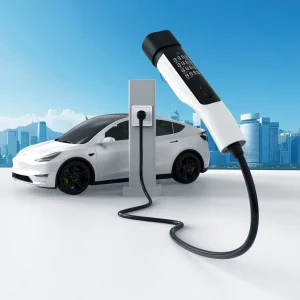
Paraguay possesses a highly distinct advantage within the global electromobility framework. Thanks to massive hydroelectric generation plants like the Itaipu Binational Dam and the Yacyretá Dam, Paraguay generates 100% of its domestic electricity from clean, renewable resources. This positioning makes the transition to electric vehicles (EVs) not just a carbon-reduction mechanism, but a strategic tool for absolute energy independence.
Historically, Paraguay has imported all of its petroleum products, creating vulnerability to fluctuating global oil markets. Transitioning to local electric mobility turns domestic hydroelectric surplus into physical transport power. Recognizing this potential, the Paraguayan government has ratified policies such as the National Electromobility Strategy (TEM), designed to build a solid charging grid along main urban arteries like Gran Asunción, Ciudad del Este, and Encarnación.
However, scaling up EV fast-charging stations across municipal networks creates substantial challenges for ANDE (Administración Nacional de Electricidad), Paraguay's state electricity operator. Rapid grid peak loads, rural-urban transmission constraints, and the diversity of imported vehicle standards (ranging from European CCS2 to Chinese GB/T and American NACS) demand highly intelligent local energy management.
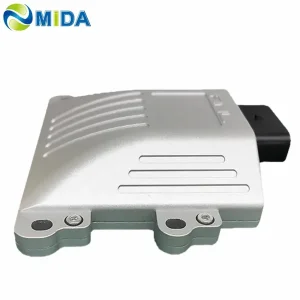
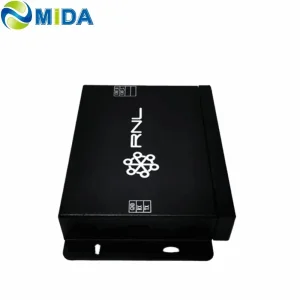
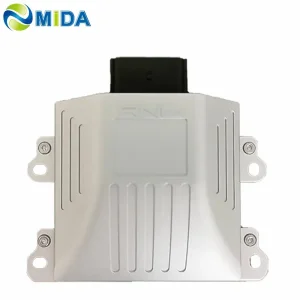
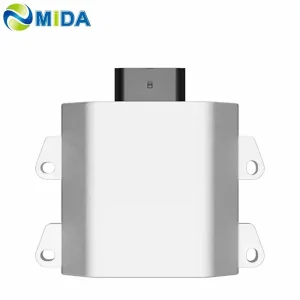
To address the diverse vehicle models entering the Paraguayan market—including Chinese-imported SUVs, European premium sedans, and American models—charging stations must feature flexible communication interfaces. At the core of this system are the SECC (Supply Equipment Communication Controller) and EVCC (Electric Vehicle Communication Controller).
Our controllers bridge the gap between vehicles and the grid by translating complex protocols. They convert Power Line Communication (PLC) signals from the vehicle (ISO 15118 or DIN 70121) into CAN bus or Modbus instructions, allowing the charger to adjust power delivery instantly.
By supporting both CCS1/CCS2 and NACS/GB-T protocols natively on a single control board, our EVCC and SECC solutions reduce configuration complexity for charging operators. This ensures that a single station in Ciudad del Este can serve a Nissan Leaf, a BYD Song Plus, or a Tesla Model Y without communication failures or system trips.
Furthermore, the integration of bidirectional charging protocols (V2G) allows local grid planners to design vehicle-to-home and vehicle-to-grid systems. During peak demand periods in Asunción, fleet operators can tap into the aggregated capacity of idle vehicles to relieve local distribution lines, improving reliability and lowering energy costs.
Tailored configurations designed to meet the electrical, environmental, and regulatory conditions of Paraguay.
Maintains municipal grid stability by regulating charger output in real time based on local facility demand, preventing expensive peak-demand penalties.
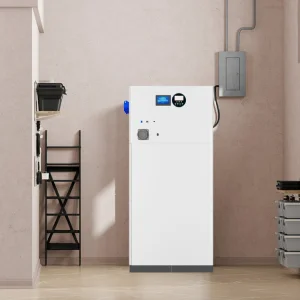
Designed for remote regions like El Chaco, combining solar arrays, 20kWh battery storage, and smart DC charging in off-grid configuration.
Advanced remote management that supports real-time diagnostics, over-the-air firmware updates, and complex billing structures tailored for ANDE tariffs.
For regional project developers, municipal authorities, and private companies sourcing EV charging hardware, compliance and reliability are critical. Equipment must meet strict regional electrical safety standards while performing reliably under Paraguay's humid subtropical climate conditions.
All systems designed for Paraguay must comply with international standard certifications, such as CE (IEC 61851 / IEC 62196), and align with the guidelines set by INTN (Instituto Nacional de Tecnología, Normalización y Metrología). These certifications guarantee that chargers can withstand frequent voltage variations and tropical lightning surges typical of South American rainy seasons.
From a software perspective, integration with local electronic invoice portals and payment gateways is essential for seamless commercial operation. Our Evpro App solutions feature customizable API packages, allowing operators to connect billing systems directly with regional banking partners in Paraguay.
Furthermore, our systems support Dynamic Load Balancing (DLB). This feature automatically optimizes charging rates based on building power demand, preventing overload trips on municipal lines while allowing business sites to install multiple chargers without expensive transformer upgrades.
Shenzhen Orange Energy Co., Ltd. is a forward-thinking technology company specializing in electric vehicle charging infrastructure and smart energy solutions. Based in Shenzhen, the company focuses on the development, manufacturing, and deployment of advanced EV charging systems for global markets, with specialized configurations tailored for South American municipal grids.
Orange Energy provides a comprehensive portfolio of charging solutions, including workplace EV charging, public charging infrastructure, residential charging solutions, and fleet charging systems. The company also develops fast-charging stations, urban charging networks, and highway charging stations to support the growing adoption of electric mobility.
In addition, Orange Energy delivers specialized applications such as retail parking charging, hotel destination charging, shopping mall and office building charging solutions, and multi-unit residential charging systems. Its innovative offerings also include advertising display charging stations, digital screen chargers, interactive charging displays, solar-powered EV charging systems, and networked charging management platforms.
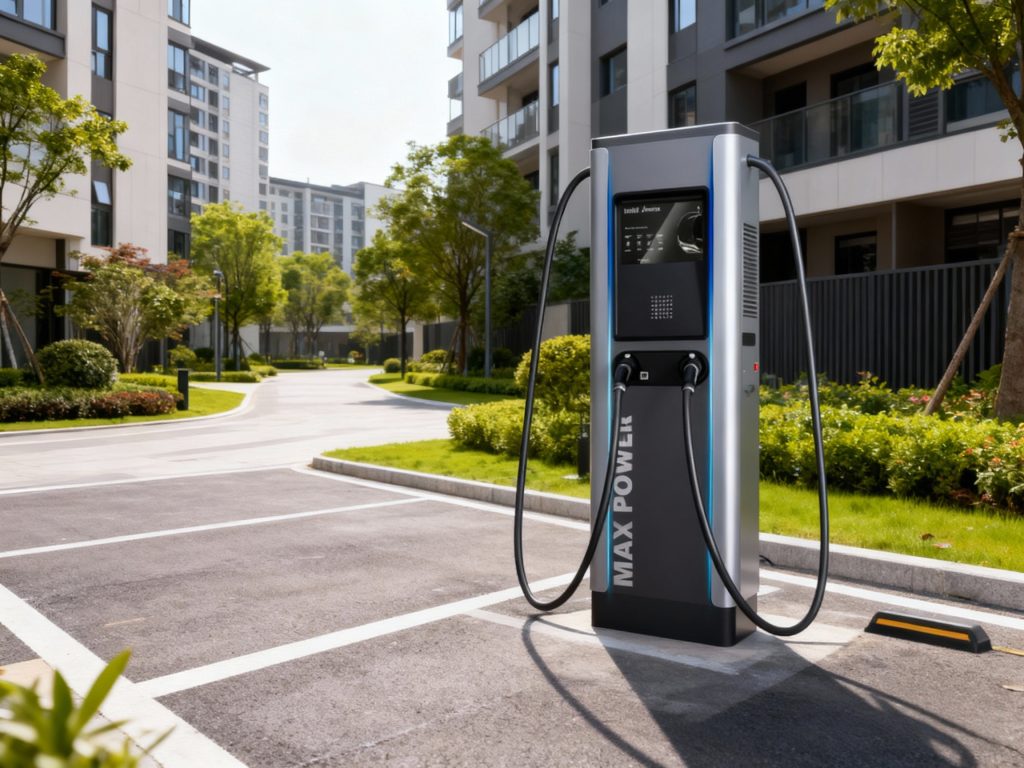
Our advanced manufacturing facility utilizes state-of-the-art testing equipment to ensure long-term product reliability.
Explore our high-performance hardware options. We supply intelligent charging piles, off-grid energy storage units, and core SECC and EVCC communications boards to manufacturers and infrastructure developers across Paraguay.
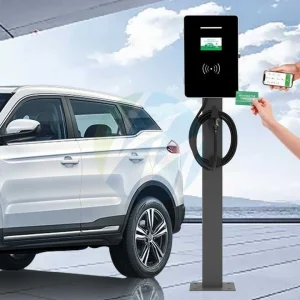
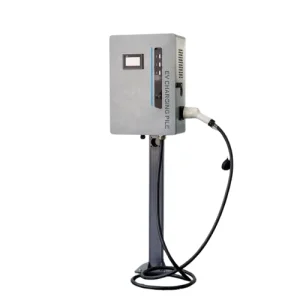
Optimized for urban parking plazas and retail stores.
To supply reliable charging products for South American infrastructure, quality control must start at the manufacturing phase. At Shenzhen Orange Energy Co., Ltd., we combine decades of micro-grid control expertise with high-volume, automated production lines.
Our validation process includes automated environmental testing chambers, where our charging piles and SECC/EVCC components are exposed to temperature extremes from -30°C to +85°C. This ensures our hardware performs reliably in Paraguay’s high ambient heat during the summer months.
Our facility is equipped with dedicated testing equipment for the CCS1, CCS2, CHAdeMO, GB/T, and NACS standards, simulating charging cycles on a wide variety of passenger vehicles. By keeping communication control firmware up to date, we ensure our hardware remains compatible with new EV models coming onto the market.
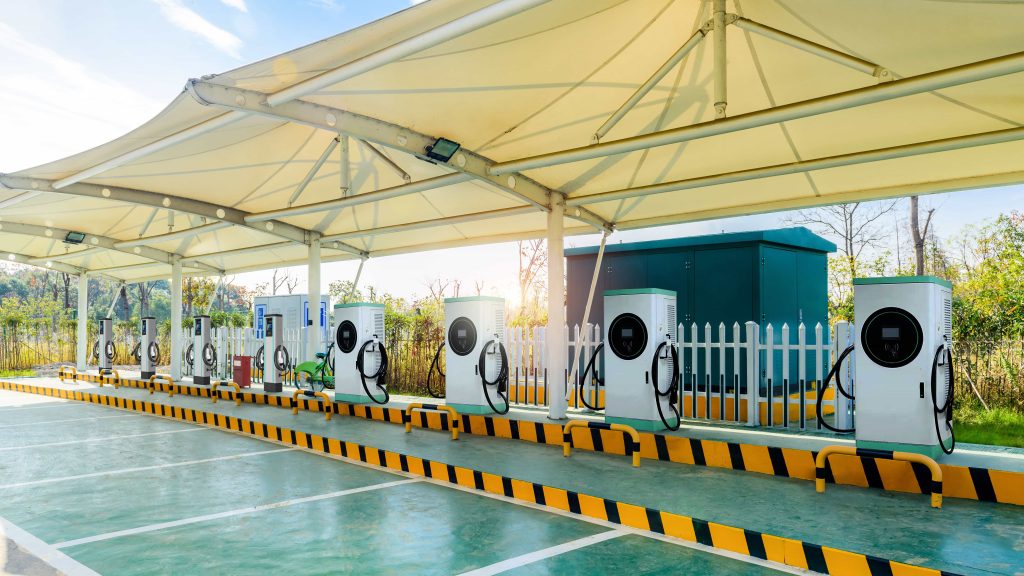
Our clean-room assembly line for SECC and EVCC control board manufacturing.
Orange Energy delivers specialized applications such as retail parking charging, hotel destination charging, shopping mall and office building charging solutions, and multi-unit residential charging systems. Our production system is structured to support large-scale rollouts as well as customized configurations for private developers.
Our range includes advertising display charging stations, digital screen chargers, interactive charging displays, solar-powered EV charging systems, and networked charging management platforms. By keeping core manufacturing in-house, we control lead times and maintain consistent quality across all product lines.
Technical, regulatory, and commercial insights for operators and procurement professionals in South America.
Get in touch with our team to discuss project requirements, hardware compatibility, and customized system integration for the Paraguayan market.
 Orange Energy