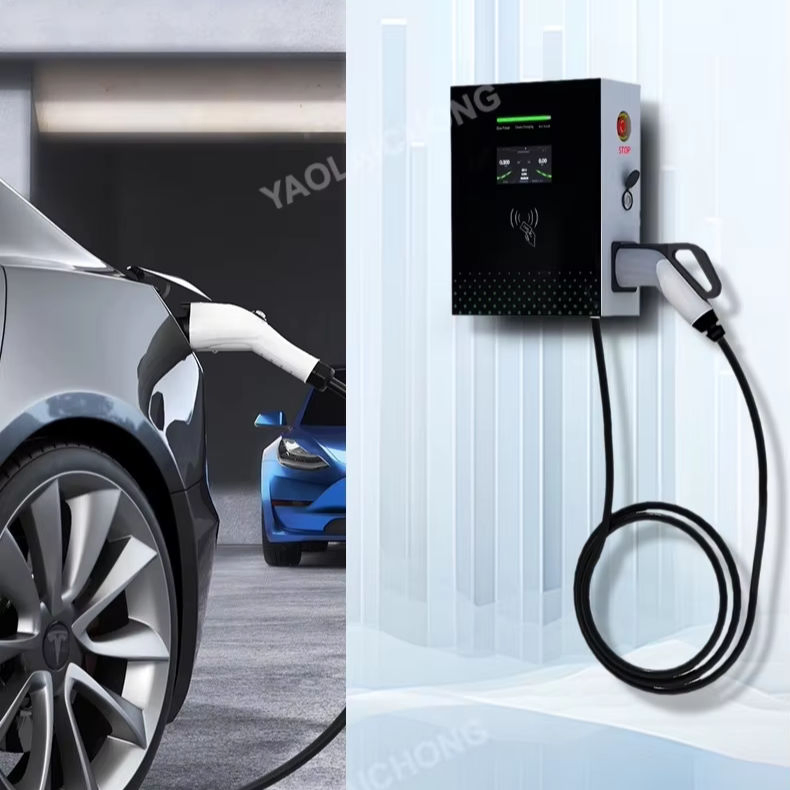
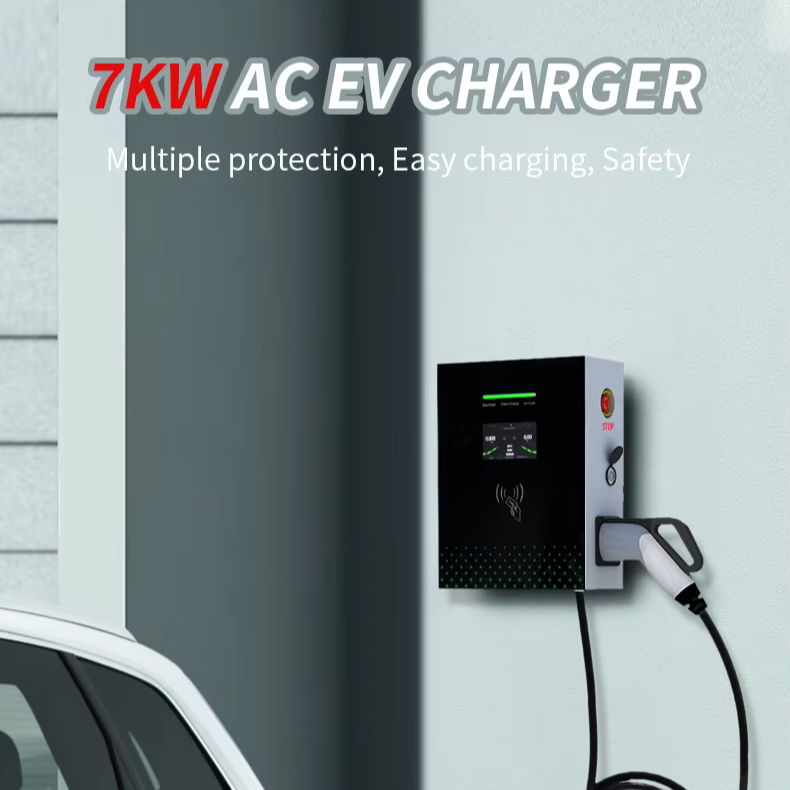
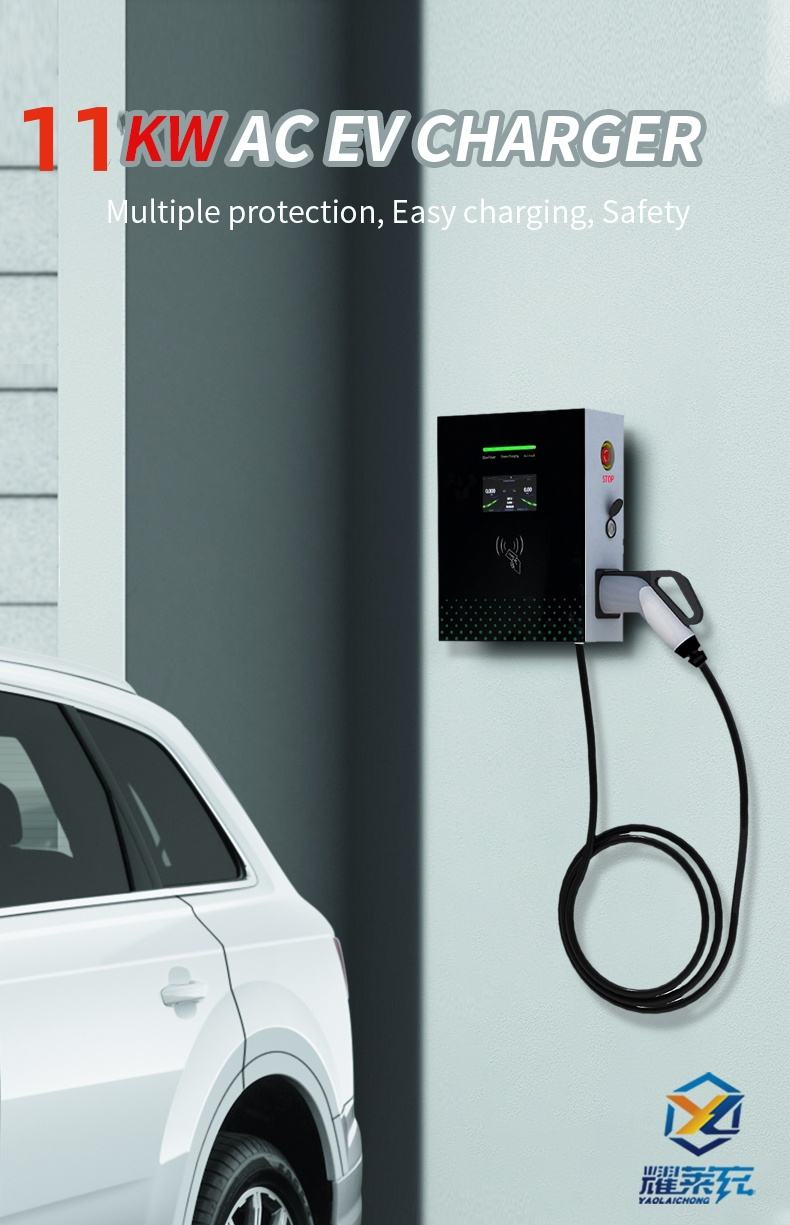
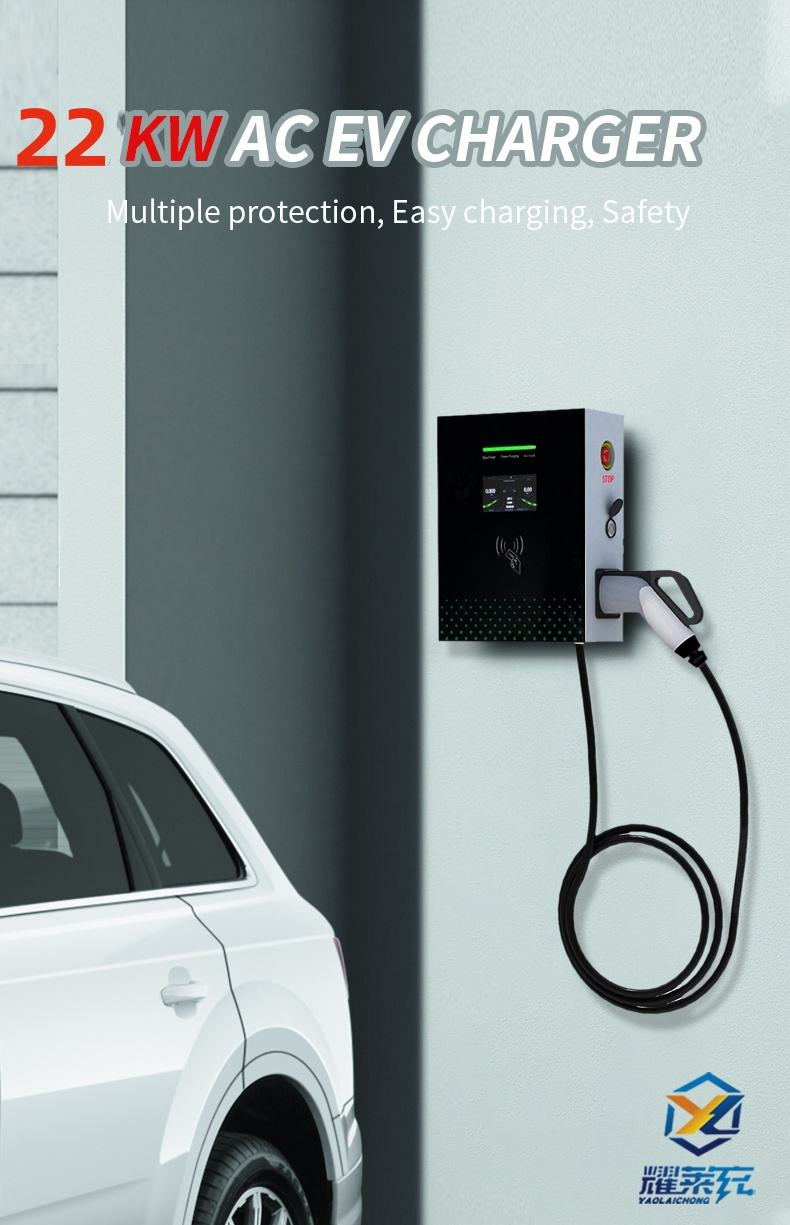
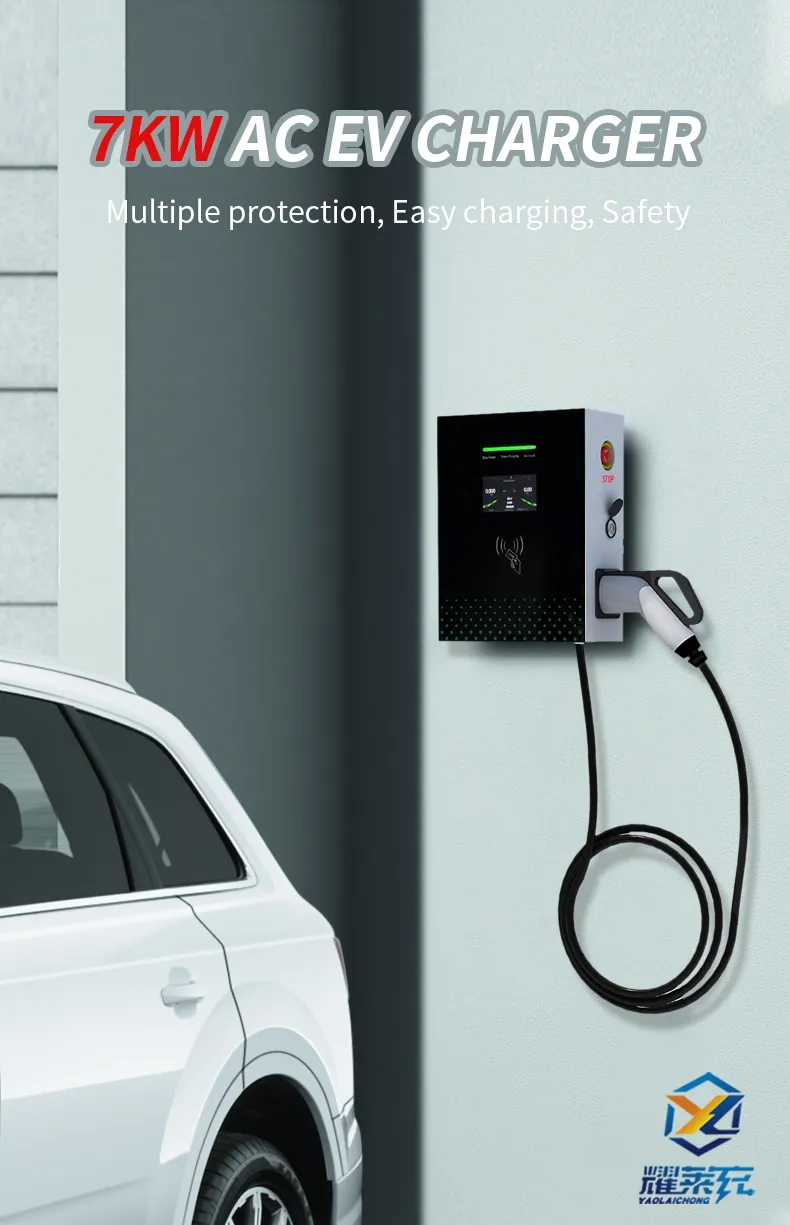
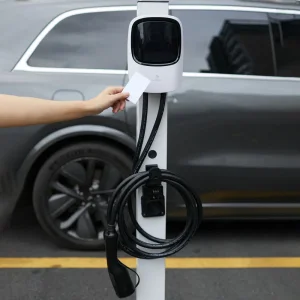
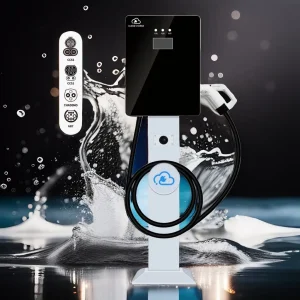
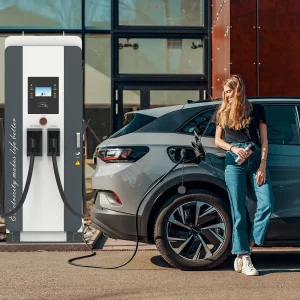
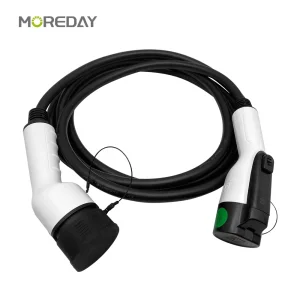
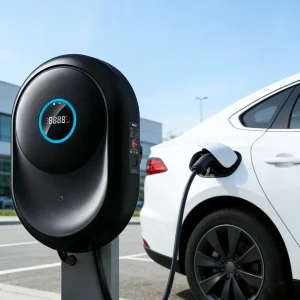
Ylc Factory Sales 7/11/22kw AC Wallbox Electric Vehicle EV Charger Charging Stations

Customization: Available
Connector Type: GB/T
Number of Charging Interfaces: One Pile with One Charge

Product Description

📊

Basic Information

Model NO. YLC-MC-A
Location Private Use
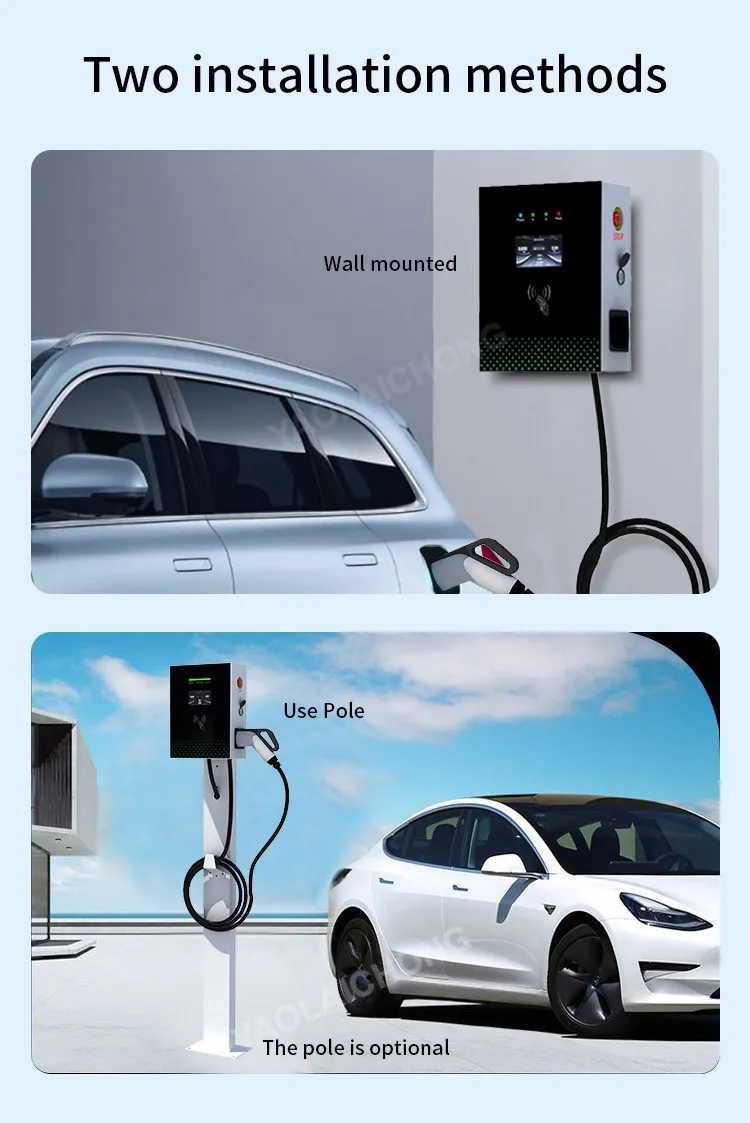
Installation Wall Mounted
Charge Method Normal Charge
Payment RFID/POS/Ocpp (QR Code, Credit Card)
Charging Time 7-9h
Standard Gbt/Type 2/Type 1
Input Voltage 220V/230V
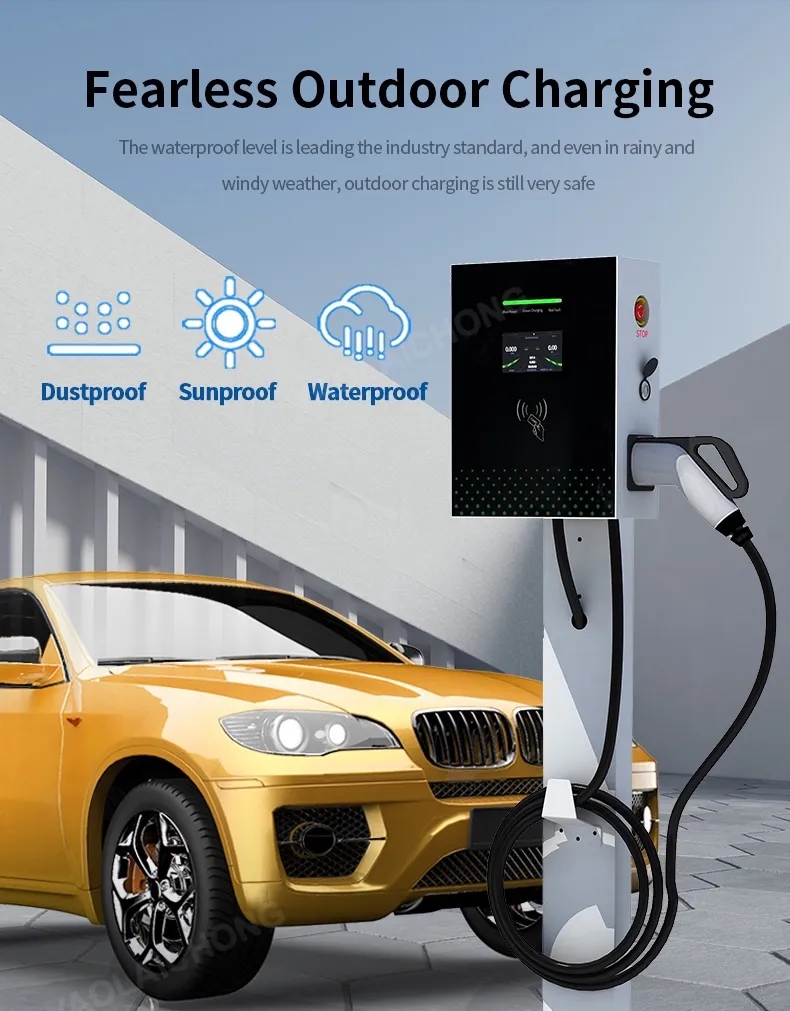
Protection IP54

Customer Feedback & Application

EV Charger Application

Why Choose Our Solutions

Quality Features
Feature 1
Feature 2
🛠️

Product Specifications

Electrical & Mechanical Specifications
Maximum Power 7 KW / 11 KW / 22 KW Optional
Output Current 32A
Input Frequency 50±1Hz
Standby Power < 2W
Operating Temp -25ºC ~ +50ºC
Altitude < 2000m
Cooling Natural Cooling
Safety Design Overvoltage, Undervoltage, Overload, Leakage, Grounding, Overtemperature protection
Product Layout
Details 1
Details 2
Details 3
Full Product View
📜

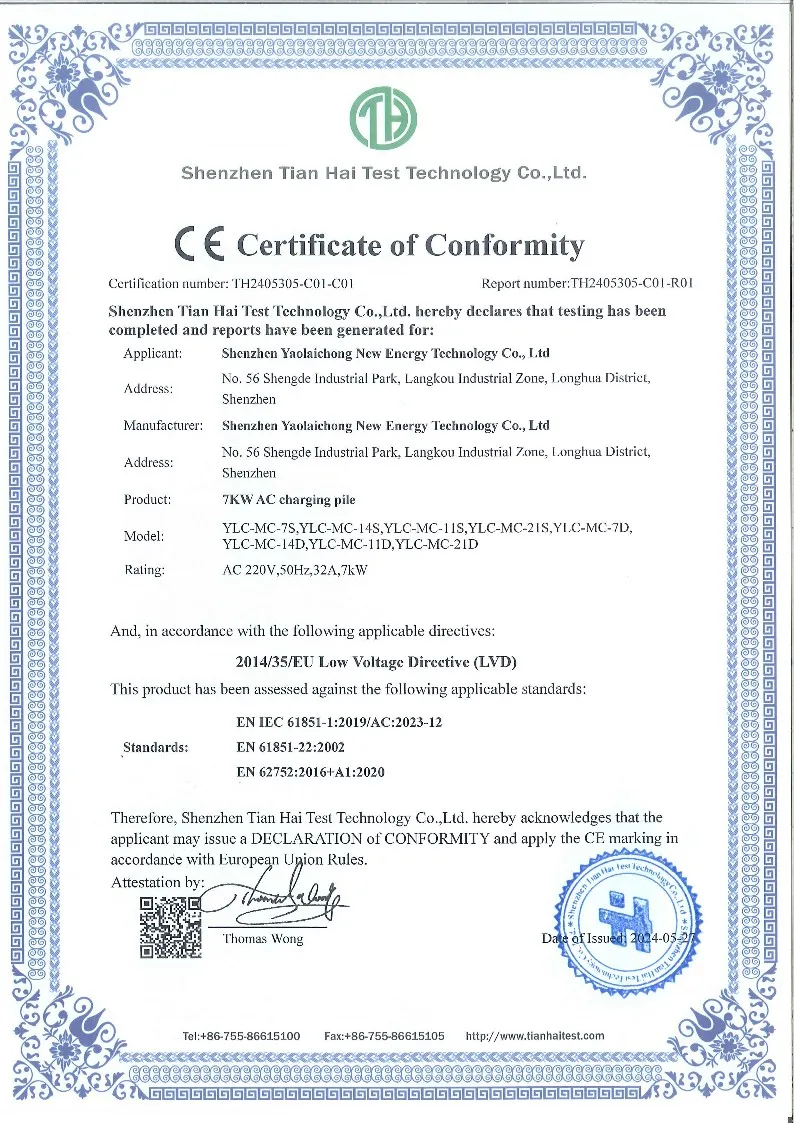
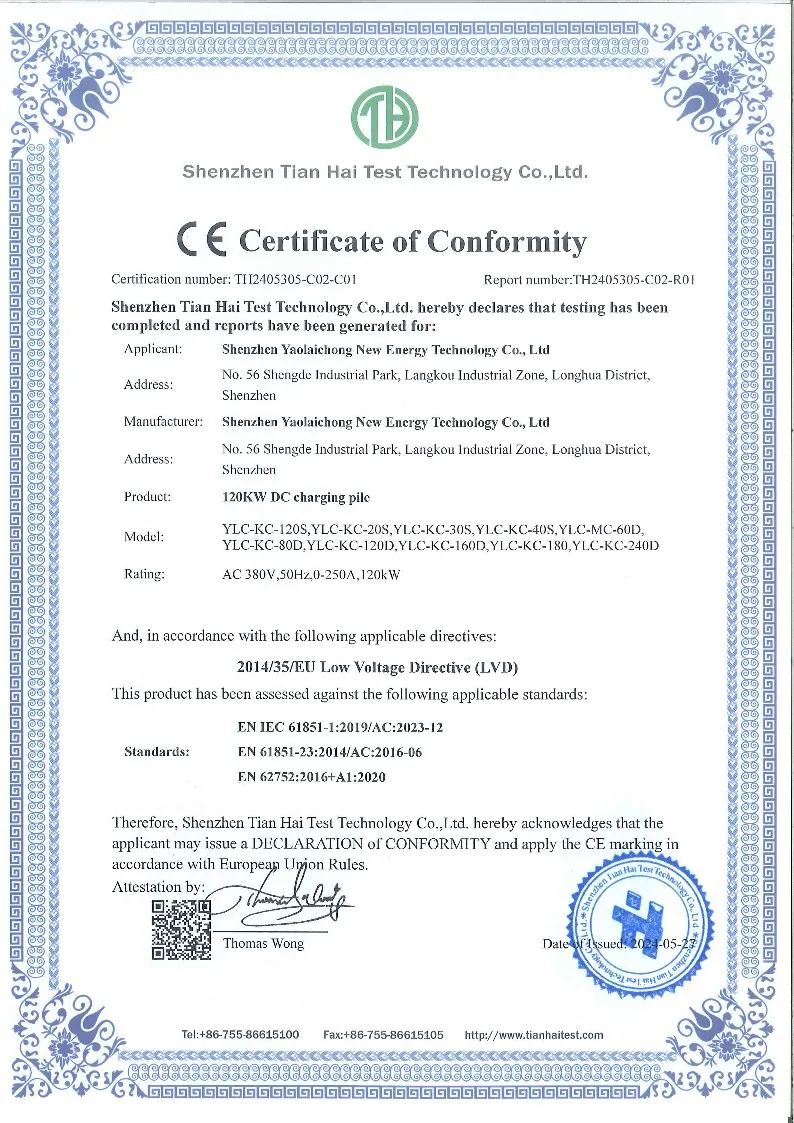
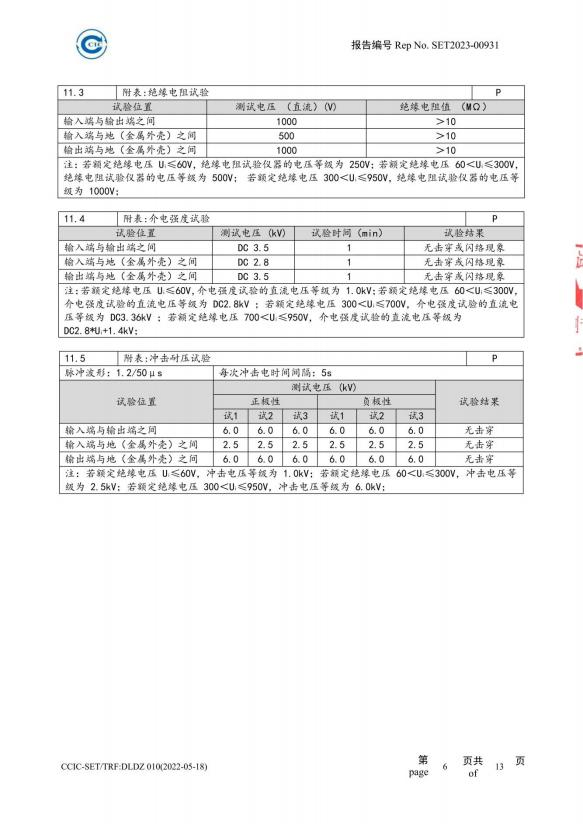
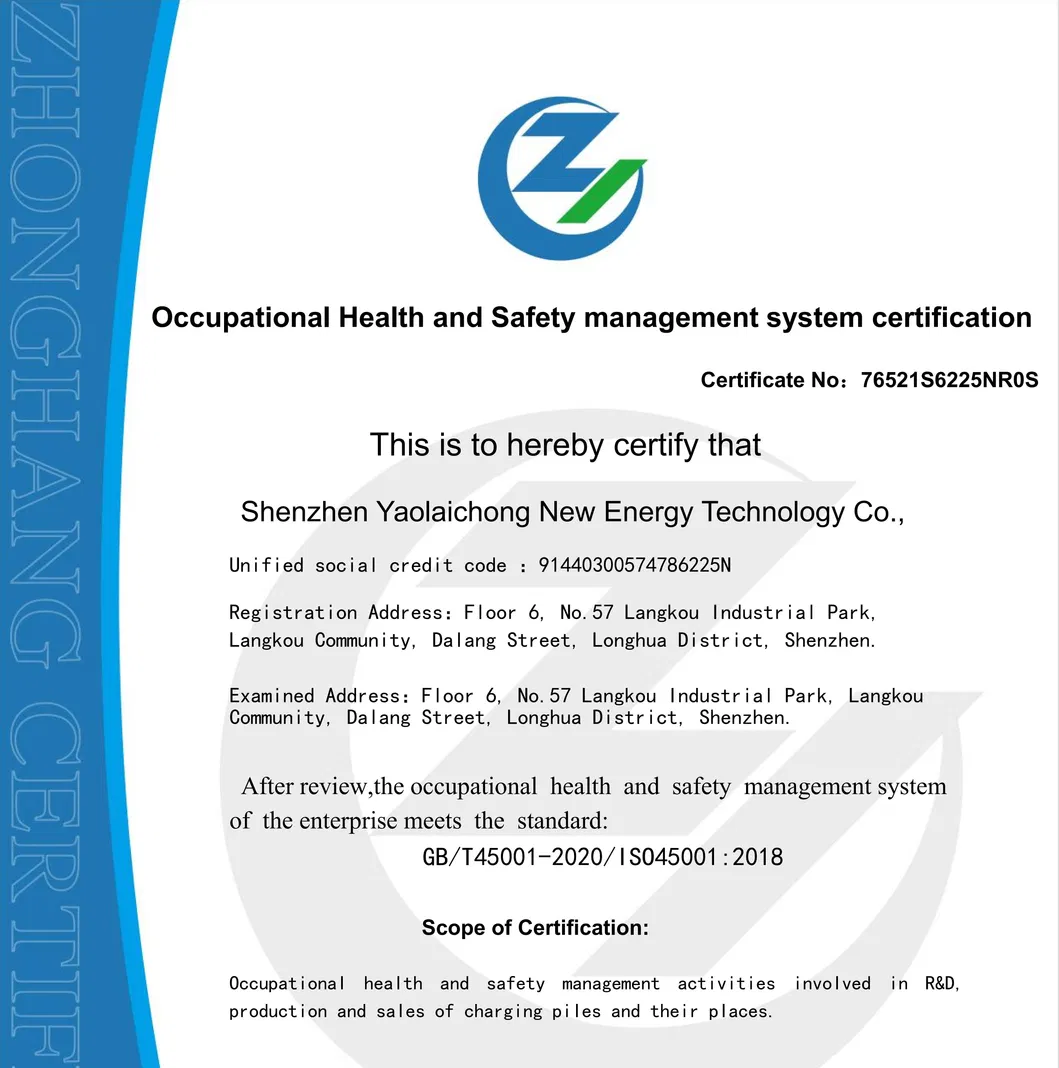
Certifications & Standards

Cert 1
Cert 2
Cert 3
Production 1
Production 2
Production 3
📦

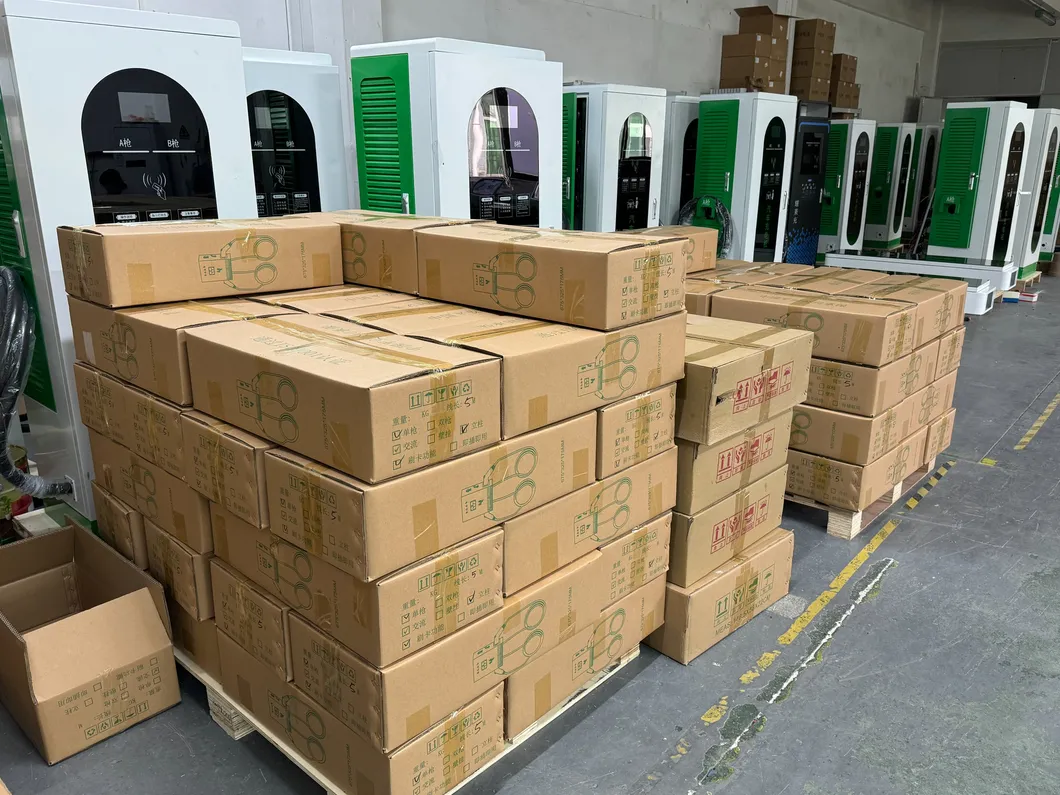
Product Packaging

Safe Packaging
🏭

Manufacturing Excellence

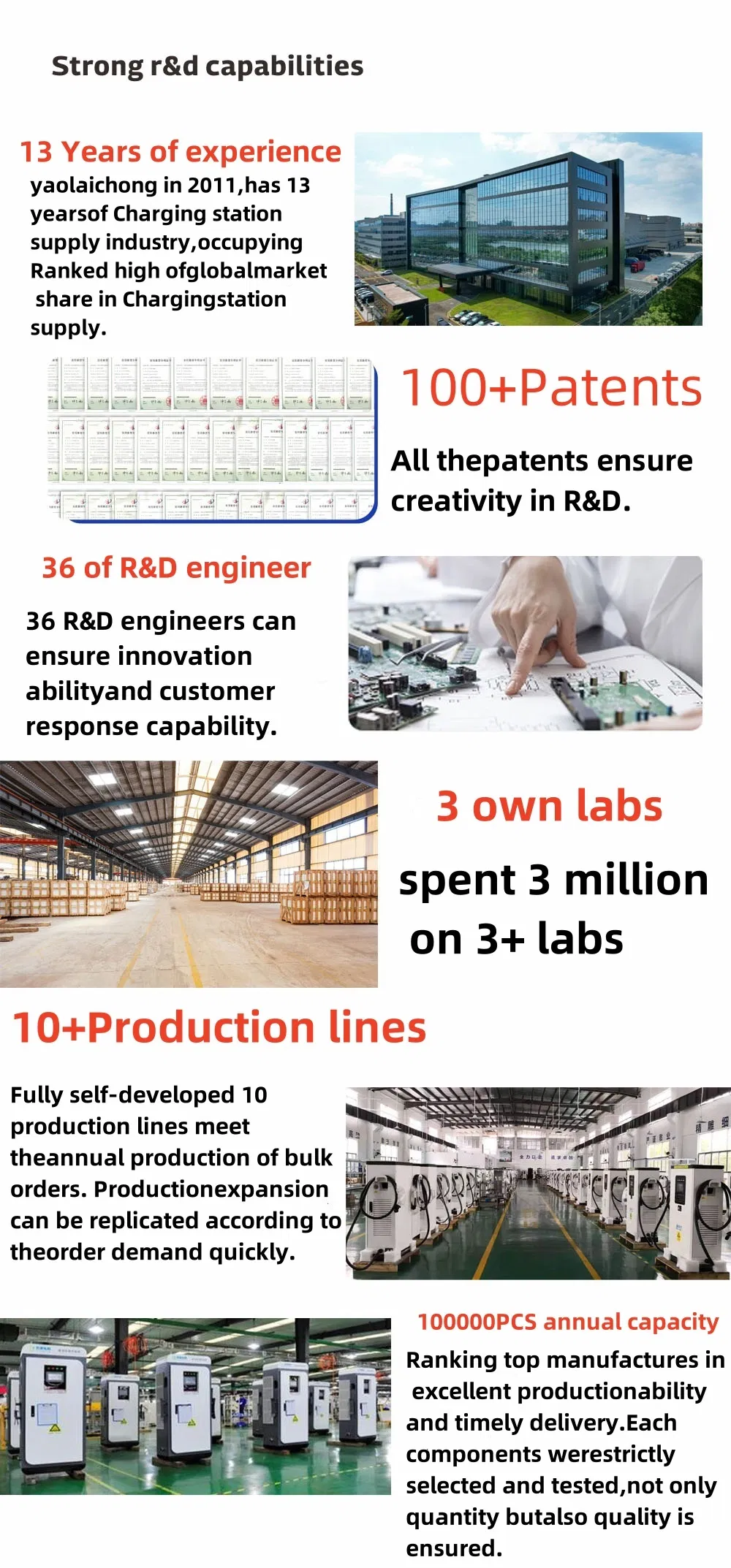
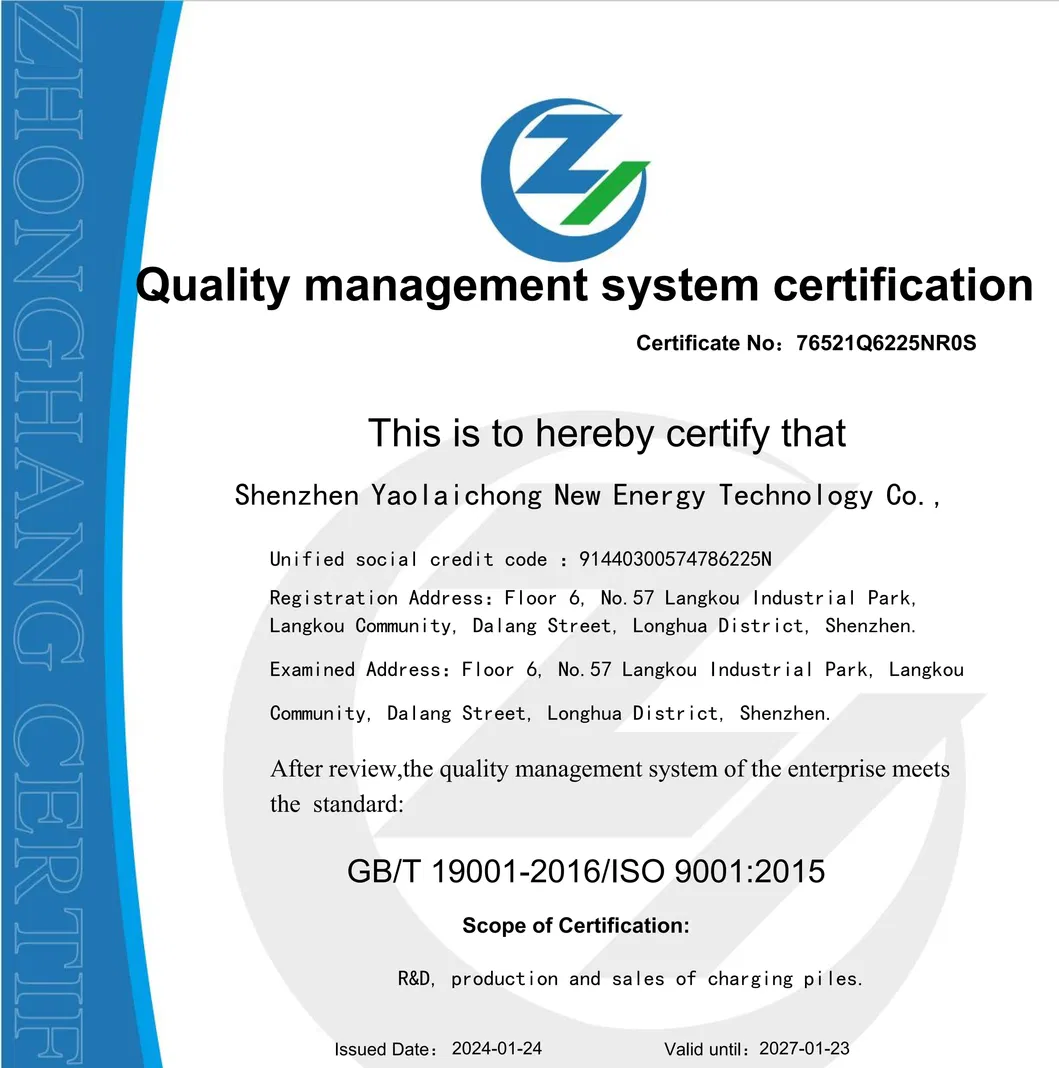
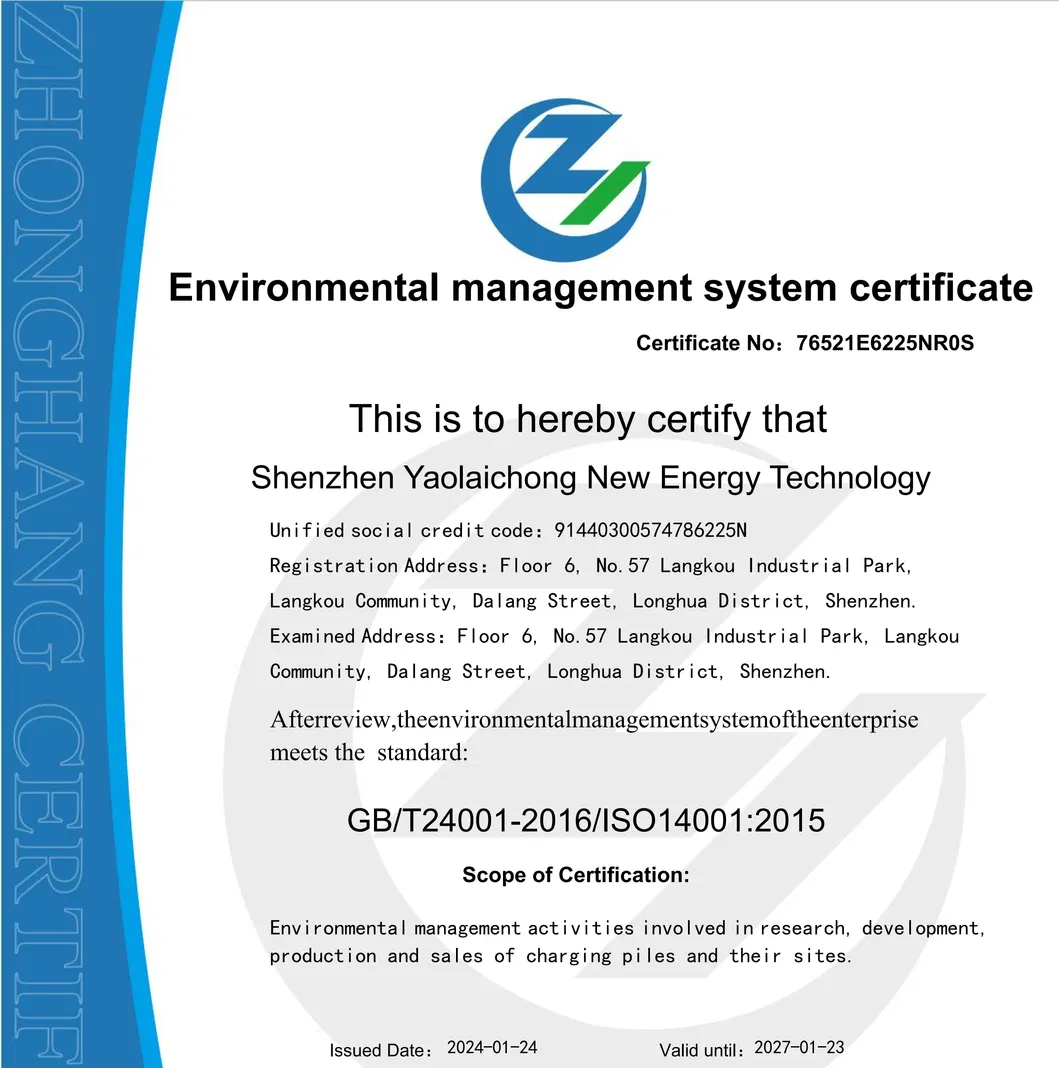
Established since 2011, with a construction area of more than 10,000 square meters, featuring modern workshops and advanced production and testing equipment. We operate under ISO9001 and hold certifications including 3C, CE, UL, UKCA, and TR 25.

Our facility houses over 100 professional workers across R&D, production, and service departments. The product range includes AC EV chargers, fast DC EV chargers, and liquid-cooled super-fast chargers, providing comprehensive solutions for global charging systems.
Frequently Asked Questions

Are you a manufacturer or trading company?
We are a professional EV charging station manufacturer with over 15 years of experience in the industry.
What is the main difference between AC and DC Chargers?
The difference lies in where the AC power is converted. In DC chargers, the converter is inside the station, feeding power directly to the vehicle battery, bypassing the on-board converter.
Does higher output power always mean faster charging?
Not necessarily. Charging speed is limited by the vehicle's battery capacity. However, high-power chargers are beneficial for dual-connector output and future-proofing as battery technology improves.
What factors affect charging speed?
Key factors include the charger type (kW), the vehicle's on-board charger capacity, the battery's current state of charge (it slows down after 80%), and environmental temperatures.
What kind of after-sales support do you provide?
We offer installation guidance, technical support, and a two-year hardware warranty. Lifetime software support is also available depending on the specific terms.
Are your chargers compatible with different international standards?
Yes, we support various standards including CCS-1 (North America), CCS-2 (Europe), CHAdeMO (Japan), and GB/T (China).

Related Products