
The global transition to electric mobility has transformed charging hardware from mere electrical appliances into data-rich network nodes. Historically, EV charging hardware acted as closed, stand-alone boxes using simple local credit systems or basic RFID tokens. Today, modern deployment demands real-time edge processing, flexible rate structures, dynamic load distribution, and multi-tenant billing protocols. Finding the "Best Billing Systems" from a Chinese manufacturer requires understanding how firmware directly interfaces with SaaS architectures, transaction pathways, and international energy standards.
For modern Charge Point Operators (CPOs) and EVSE manufacturers, billing software is no longer a secondary add-on. It has become the core architecture that ensures commercial viability. It establishes how revenue flows from the electric grid to vehicle batteries and, ultimately, into financial accounting systems. By utilizing open transmission protocols, operators can dynamically adjust prices based on real-time grid load, local solar generation, and custom driver loyalty tier variables.
When purchasing EV charging infrastructure at scale, procurement managers focus on a primary challenge: interoperability. Hardware must seamlessly run whatever management software is deployed. This is critical for preventing vendor lock-in and avoiding hardware obsolescence as local energy grids evolve.
Full support for OCPP 1.6-J and OCPP 2.0.1 JSON formats is required. This allows charging stations to exchange complex diagnostic data, authorization details, and billing commands with third-party networks.
Financial transactions require secure, end-to-end communication channels. Hardware must support TLS 1.3 encryption, secure boot capabilities, and dedicated hardware security modules (HSM) for local key storage.
Modern billing systems must adjust in real time. They process utility demand charges, variable time-of-use (TOU) pricing structures, customer membership discounts, and carbon offset calculations.
Global businesses must also ensure compliance with localized legal and metrology requirements. For example, in Germany and other European markets, the *Eichrecht* framework requires EV chargers to show drivers the precise kilowatt-hours consumed. This must be done via a legally verifiable, secure local display so that third-party cloud servers cannot alter transaction values. Partnering with a manufacturer that builds compliant smart meters directly into the hardware is essential for global rollouts.
China's dominance in EV charging hardware is driven by more than just assembly cost advantages. Over the past decade, manufacturing hubs like Shenzhen have developed highly integrated vertical ecosystems. This concentration of raw components, specialized engineering talent, and automated assembly enables rapid innovation cycles.
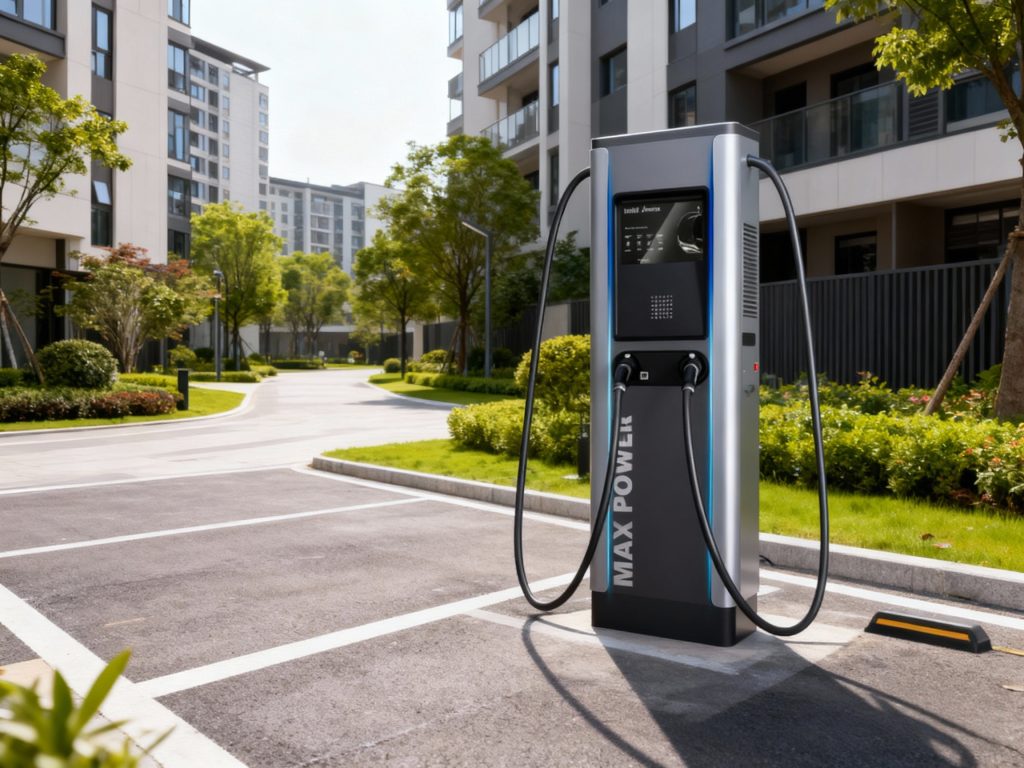
Inside a modern EVSE Factory 4.0, every assembly stage is monitored by automated testing systems. During production, power conversion modules, primary controller boards, and billing communication sub-systems undergo simulation and testing. This ensures that the hardware can consistently communicate with international payment and backend billing networks. Because components are sourced and developed in close proximity, factories can customize billing controllers, integrate custom RFID/NFC readers, and adapt user interface layouts much faster than fragmented assembly networks elsewhere.
Additionally, vertical integration improves raw materials quality control and helps insulate production schedules from global supply chain shocks. From the copper winding inside high-power DC transformers to the secure, tamper-proof security chips built into dynamic billing systems, the local supply chain supports both high-volume production runs and customized product variations.
Different commercial settings require custom billing configurations. A system that works well for a residential apartment complex might not fit the demands of a high-turnover highway charging stop or a corporate fleet depot. High-performance B2B hardware must adapt to these distinct usage cases:
In retail environments, EV charging acts as a customer acquisition channel. Billing platforms are designed to link with merchant loyalty programs. This allows retail managers to offer free or discounted charging hours based on store purchases, loyalty card check-ins, or targeted ad interactions shown on integrated displays.
For highway charging, speed and reliability are critical. Billing systems must process rapid authorizations via credit card terminals, Apple Pay, Google Pay, or roaming cards (like Hubject or Gireve). Local network caching ensures transactions complete successfully even during intermittent cloud server outages.
In residential and corporate spaces, systems must split electricity costs accurately across departments or tenants. Users authenticate via work ID badges or personal smart cards. This allows the backend software to generate monthly invoices, track energy budgets, and balance electrical load across parking structures.
Shenzhen Orange Energy Co., Ltd. is a forward-thinking technology company specializing in electric vehicle charging infrastructure and smart energy solutions. Based in Shenzhen, the company focuses on the development, manufacturing, and deployment of advanced EV charging systems for global markets.
Orange Energy provides a comprehensive portfolio of charging solutions, including workplace EV charging, public charging infrastructure, residential charging solutions, and fleet charging systems. The company also develops fast-charging stations, urban charging networks, and highway charging stations to support the growing adoption of electric mobility.
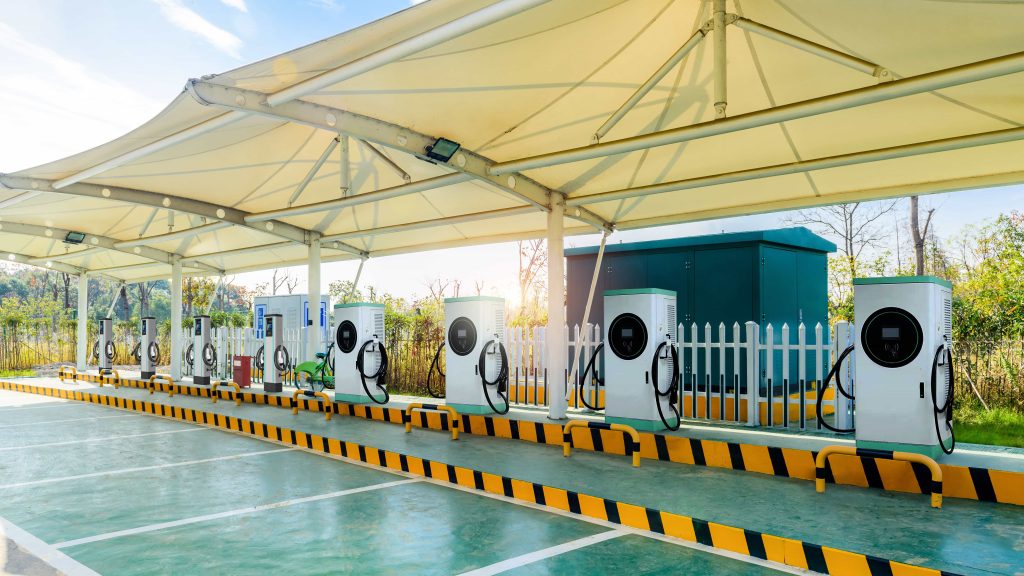
In addition, Orange Energy delivers specialized applications such as retail parking charging, hotel destination charging, shopping mall and office building charging solutions, and multi-unit residential charging systems. Its innovative offerings also include advertising display charging stations, digital screen chargers, interactive charging displays, solar-powered EV charging systems, and networked charging management platforms.
With a strong focus on smart technology, reliability, and sustainability, Shenzhen Orange Energy Co., Ltd. aims to help cities, businesses, and communities build efficient EV charging ecosystems worldwide. By combining local hardware manufacturing with global-ready firmware and dynamic billing configurations, the company delivers reliable, future-proof charging infrastructure.

 Orange Energy