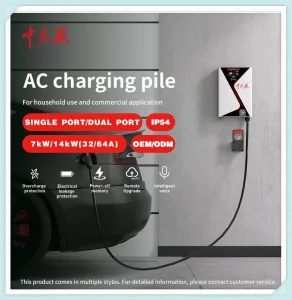
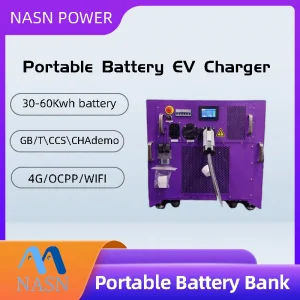
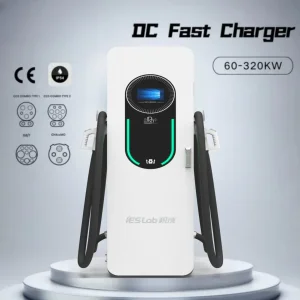
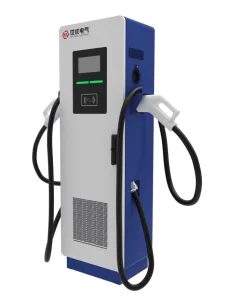
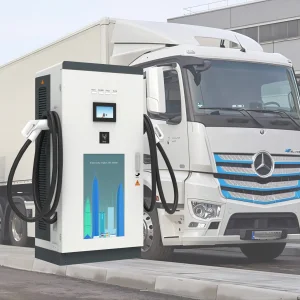
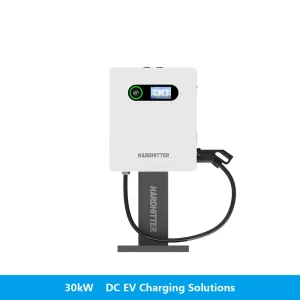
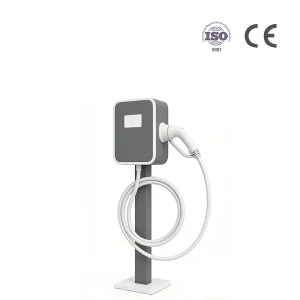
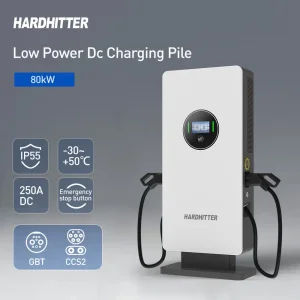
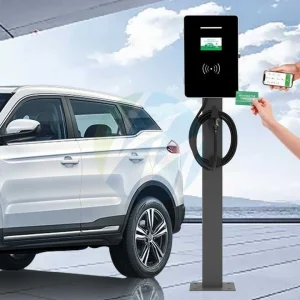
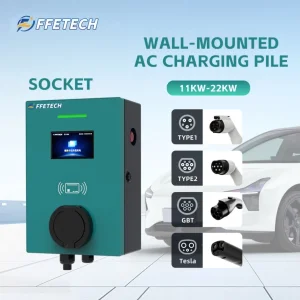
As the world transitions rapidly towards electric mobility, the demand for more intelligent, efficient, and autonomous charging solutions has surged. Robotic EV chargers represent the next frontier in infrastructure technology. By integrating AI-driven cable management, automated alignment, and vehicle-to-grid (V2G) connectivity, these systems remove the human error and physical inconvenience from the charging process. From automated parking garages to smart city hubs, robotic solutions are setting new benchmarks for convenience and efficiency.
China has firmly established itself as the center of gravity for the global EV charging industry. Leveraging the "Greater Bay Area" industrial ecosystem, Chinese manufacturers—like Shenzhen Orange Energy Co., Ltd.—have mastered the end-to-end supply chain. Our competitive advantage lies in:
The global EV charging market is shifting from "simple power delivery" to "integrated energy management." Key trends defining 2024 and beyond include:
Integrating renewable sources like solar with massive energy storage systems (BESS) to reduce peak load.
Reducing human interaction through automated arms and inductive wireless platforms.
Deploying 360kW+ DC charging piles for heavy-duty commercial fleets and long-haul transportation.
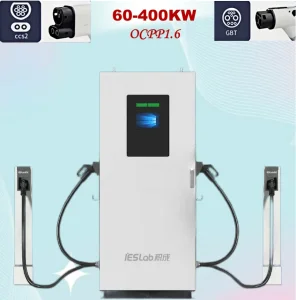
Universal support for CCS1, CCS2, CHAdeMO, and GB/T standards in a single, modular charger.
Understanding where the charger is deployed is as crucial as the hardware itself. We categorize our deployment strategy based on specific user needs:
Shenzhen Orange Energy Co., Ltd. is a forward-thinking technology company specializing in electric vehicle charging infrastructure and smart energy solutions. Based in Shenzhen, we are committed to the development, manufacturing, and deployment of advanced EV charging systems for global markets.
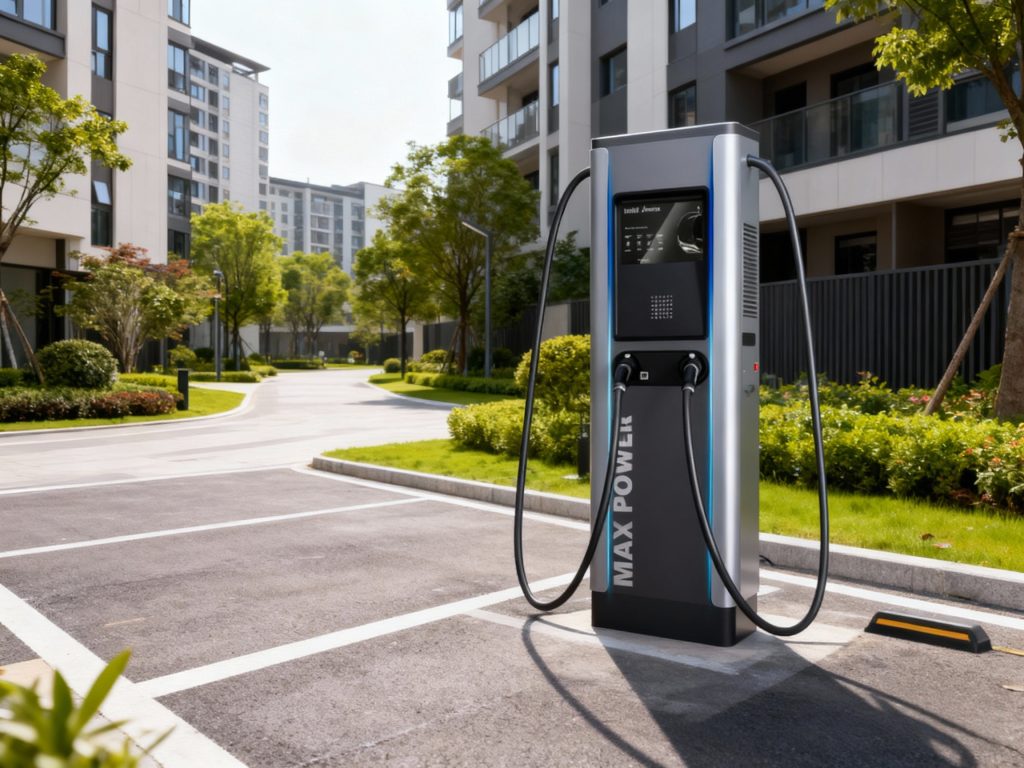
We provide a comprehensive portfolio, including workplace EV charging, public charging infrastructure, and fleet charging systems. Our innovative offerings include advertising display charging stations, solar-powered EV charging systems, and networked management platforms. With a strong focus on smart technology, reliability, and sustainability, we aim to help cities and businesses worldwide build efficient EV charging ecosystems.
A: Chinese manufacturers adhere to international standards such as CE, IEC, and UL. Leading companies like Shenzhen Orange Energy focus on rigorous testing, including thermal management, IP-rating validation, and software stability via OCPP, ensuring high reliability for global deployment.
A: AC chargers are ideal for home, workplace, or hotel settings where vehicles are parked for long durations. DC chargers (fast chargers) are necessary for commercial fleet depots, highway rest stops, and locations where rapid "refueling" is critical.
A: Yes, all our professional-grade chargers support OCPP 1.6J or higher, allowing for remote monitoring, billing, load balancing, and user management via mobile apps and centralized cloud platforms.
 Orange Energy