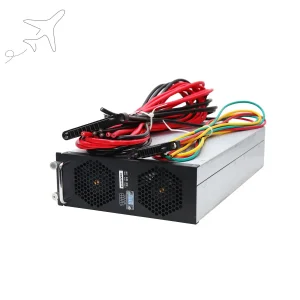
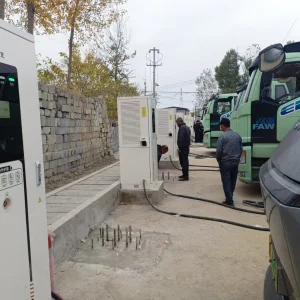
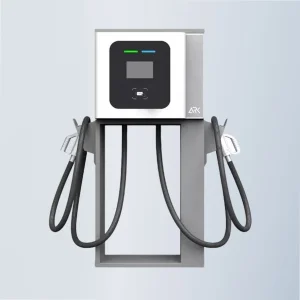
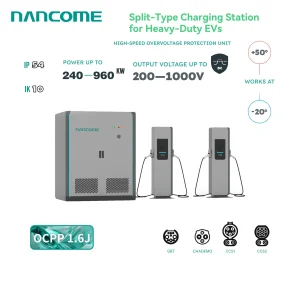
Explore our top-tier grid-tied charging modules, heavy-duty DC piles, and integrated smart solar microgrid hubs.
As the electrification of transportation moves rapidly past light-duty passenger vehicles and shifts into heavy-duty transit fleets, containerized cargo, heavy mining machinery, and long-haul logistics corridors, standard grid-dependent charging infrastructure hits a severe scalability barrier. The massive surge in energy demand from multiple 240kW, 360kW, or megawatt-level chargers operating concurrently poses massive thermal and structural risks to the municipal power grid.
This is where the Containerized EV Charging Station acts as a critical technological transition. Rather than installing scattered charger pillars that demand extensive civil construction, individual transformer permit filings, and custom local cooling lines, global infrastructure developers are deploying pre-engineered container modules. By housing dynamic distribution switchgear, liquid-cooled battery storage, active fire suppression, and bidirectional modular power converters within a standardized ISO container structure (typically 20ft or 40ft form factors), fleet operators unlock immediate plug-and-play operations.
One of the most valuable aspects of containerized stations is the structural capacity to integrate high-density Lithium Iron Phosphate (LFP) Battery Energy Storage Systems (BESS). In areas where grid utility supply is limited to a few hundred kilowatts, a containerized system can dynamically charge its internal energy storage cells during off-peak windows at low tariffs. When an EV fleet arrives requiring multi-megawatt rapid charging, the containerized controller intelligently cascades discharge cycles from the BESS and the grid simultaneously, a strategy known as peak shaving. This process prevents peak demand surcharges and guarantees consistent high-power fast charging without causing grid frequency dropouts.
Advanced containerized systems designed by Shenzhen Orange Energy utilize active power factor correction (PFC) modules and integrated active harmonic filters (AHF) to keep Total Harmonic Distortion (THD) below 3%. This strict adherence to IEEE 519 standards prevents resonance issues with neighboring telemetry and distribution infrastructure, which is crucial for approval in European and North American industrial zones.
Building high-power containerized infrastructure demands advanced thermal engineering. Liquid cooling systems must work continuously alongside the high-power density electronics. In extreme environments—such as high-desert solar fields or sub-zero northern logistics depots—air cooling alone fails to manage the heat generated during rapid DC-to-DC charging phases.
Utilizes ethylene-glycol circulation systems to manage core temperature variants within ±2°C across all power electronics, significantly extending the lifespan of modular rectifiers.
Integrated gas sensors, aerosol fire suppression systems, and Novec 1230 flooding agents protect the container, ensuring rapid isolate-and-extinguish actions in case of cell failure.
Fully configured with AFE (Active Front End) rectifiers to enable grid injection from integrated battery arrays, maximizing return on investment through energy arbitrage.
Industrial containerized charging solutions must maintain operations in temperatures ranging from -35°C to +55°C. To achieve this, containers are built with polyurethane insulated wall panels (with a minimum fire rating of Class A), industrial HVAC units, and motor-driven intake dampers. If temperatures drop, internal heating blankets pre-condition the battery storage pack to maintain peak performance. Conversely, in hot conditions, dual HVAC units work in parallel to prevent high-voltage derating, keeping operations smooth and consistent.
Deploying heavy-duty electrical infrastructure globally requires strict compliance with international safety codes and utility protocols. Shenzhen Orange Energy aligns all development and assembly processes with these standards to simplify local permitting for B2B operators. Our systems meet key certification rules:
By using pre-certified, factory-tested sub-assemblies inside our containerized packages, on-site inspectors only need to verify external connection points, saving weeks of local engineering audits.
Shenzhen Orange Energy Co., Ltd. is a forward-thinking technology company specializing in electric vehicle charging infrastructure and smart energy solutions. Based in Shenzhen, the company focuses on the development, manufacturing, and deployment of advanced EV charging systems for global markets.
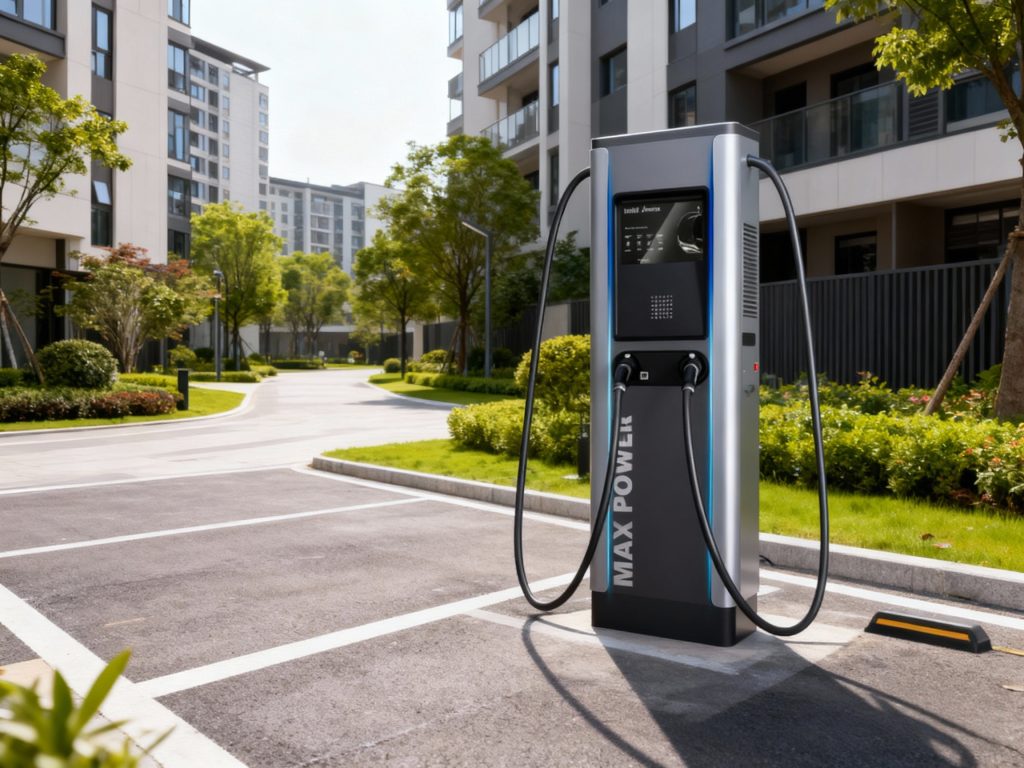
Orange Energy provides a comprehensive portfolio of charging solutions, including workplace EV charging, public charging infrastructure, residential charging solutions, and fleet charging systems. The company also develops fast-charging stations, urban charging networks, and highway charging stations to support the growing adoption of electric mobility.
In addition, Orange Energy delivers specialized applications such as retail parking charging, hotel destination charging, shopping mall and office building charging solutions, and multi-unit residential charging systems. Its innovative offerings also include advertising display charging stations, digital screen chargers, interactive charging displays, solar-powered EV charging systems, and networked charging management platforms.
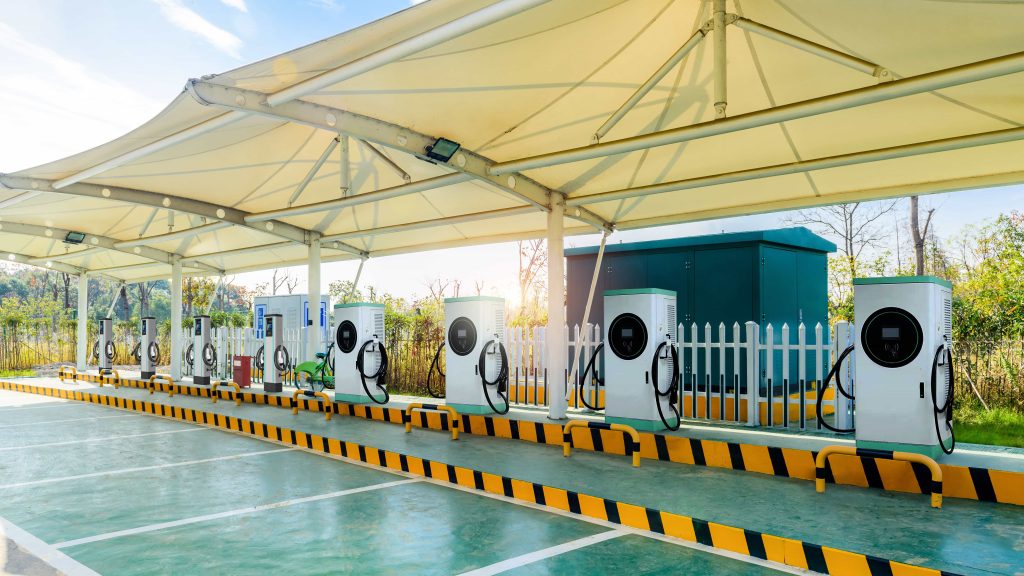
With a strong focus on smart technology, reliability, and sustainability, Shenzhen Orange Energy Co., Ltd. aims to help cities, businesses, and communities build efficient EV charging ecosystems worldwide.
Industrial containerized stations are designed to work in a variety of complex settings, delivering reliable charging power where traditional grid systems cannot.
Mining companies replacing heavy diesel dump trucks with electric drivetrains face challenging charging demands. These remote open-pit mines are often miles away from high-voltage grid corridors. Deploying ruggedized 20ft containerized stations with built-in battery storage allows operators to use local solar arrays to charge the batteries during the day, providing heavy-duty DC fast charging to heavy machinery whenever needed.
As EV passenger vehicle numbers rise, highway rest stops frequently experience power shortages during holidays. Containerized charging hubs provide a quick, scalable solution. Station operators can deploy dynamic load-sharing containers equipped with up to 16 dual-standard charging dispensers, distributing power where it is needed most without having to rebuild the local sub-transmission station.
For city delivery fleets operating on strict delivery schedules, downtime is costly. Our containerized setups feature intelligent fleet charging priority schedules, coordinating power dispatch based on real-time vehicle telemetry, remaining battery life (SoC), and route schedules to ensure every truck is ready for its shift.
Explore our range of heavy-duty, smart grid charging systems engineered for global deployment.
As the EV market matures, charging infrastructure must evolve to handle higher demands. Shenzhen Orange Energy works at the forefront of this evolution, investing heavily in research and development to prepare our containerized charging platforms for future requirements.
The transition from CCS2 (limited to 500A) to the Megawatt Charging System (MCS) is key for long-haul electric transit. Designed to deliver up to 3,000A at 1,250V, MCS requires customized, liquid-cooled cabling and high-speed communications interfaces. Our upcoming container platforms are designed with MCS-ready power distribution systems, allowing operators to upgrade dispenser units as new vehicles enter the market.
Modern charging containers do more than route power. Integrated AI controllers analyze charging speed patterns, grid pricing, and temperature metrics to optimize charging schedules. Machine learning algorithms can detect cell resistance irregularities in battery modules, alerting maintenance teams before failures happen to keep downtime to a minimum.
Next-generation designs will integrate solid-state battery technology, providing higher energy density and improved safety profiles. By combining advanced storage with solar arrays, hydrogen fuel cells, and grid connections, our containerized hubs function as self-contained microgrids that can support vehicles and feedback power to the grid during peak demand periods.
Detailed technical insights on deploying, operating, and scaling our containerized EV charging stations.
 Orange Energy