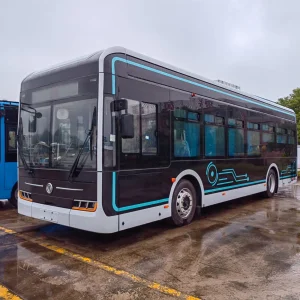
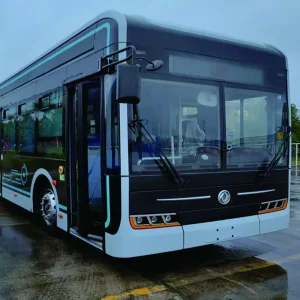
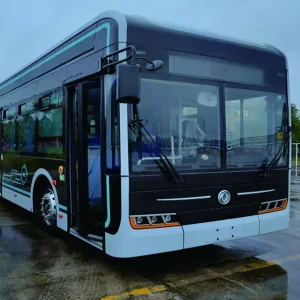
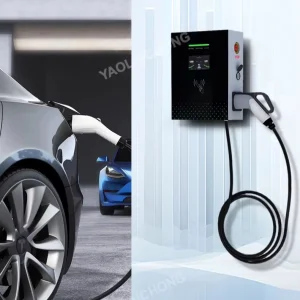
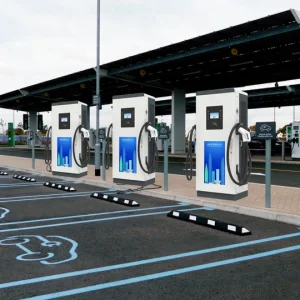
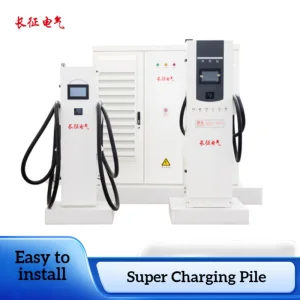
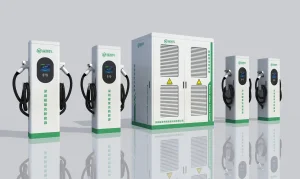
As the world pivots toward a net-zero carbon future, the electrification of public transportation has become a top priority for governments and municipal authorities globally. Electric Bus Charging Stations are no longer just peripheral utilities; they are the backbone of modern urban mobility. From the bustling streets of Shenzhen to the transit hubs of London and Santiago, high-power DC charging infrastructure is facilitating a transition that reduces urban noise and eliminates tailpipe emissions.
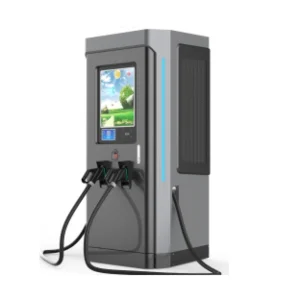
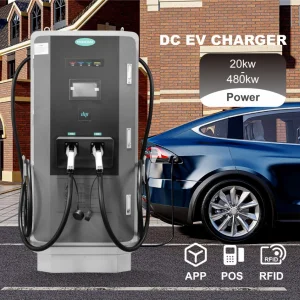
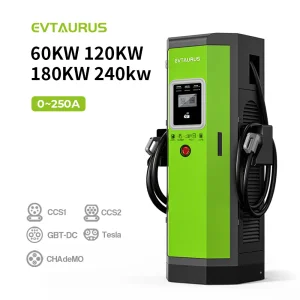
The global electric bus market is witnessing unprecedented growth, driven by aggressive decarbonization mandates. In Europe, the Clean Vehicles Directive requires member states to ensure that a significant percentage of new buses are emission-free. In North America, federal funding via the "Low or No Emission Vehicle Program" is accelerating fleet transitions. Consequently, the demand for Heavy Duty DC Charging Systems (150kW-480kW) has skyrocketed, as fleet operators require ultra-fast charging to maintain high vehicle availability and minimize downtime during terminal layovers.
National mandates in over 50 countries are forcing the transition from diesel to electric buses, creating a massive vacuum for reliable charging infrastructure.
Modern fleets require power outputs exceeding 300kW to support 10-minute "opportunity charging" at route terminals, maximizing operational efficiency.
Transitioning from 5 to 500 buses requires scalable grid management and modular hardware that can grow alongside the fleet.
The electric bus charging industry is undergoing a technological renaissance. We are moving beyond simple "plug-and-charge" models to Intelligent Energy Management Ecosystems. Key trends include:
Vehicle-to-Grid (V2G) technology allows electric bus fleets to act as massive mobile batteries, feeding energy back into the grid during peak demand periods, effectively turning a cost center into a revenue stream.
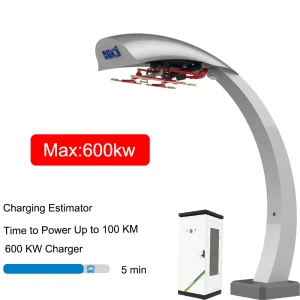
With the advent of MCS, charging times for heavy-duty buses will drop significantly, rivaling the refueling speed of traditional combustion engines while providing higher power density.
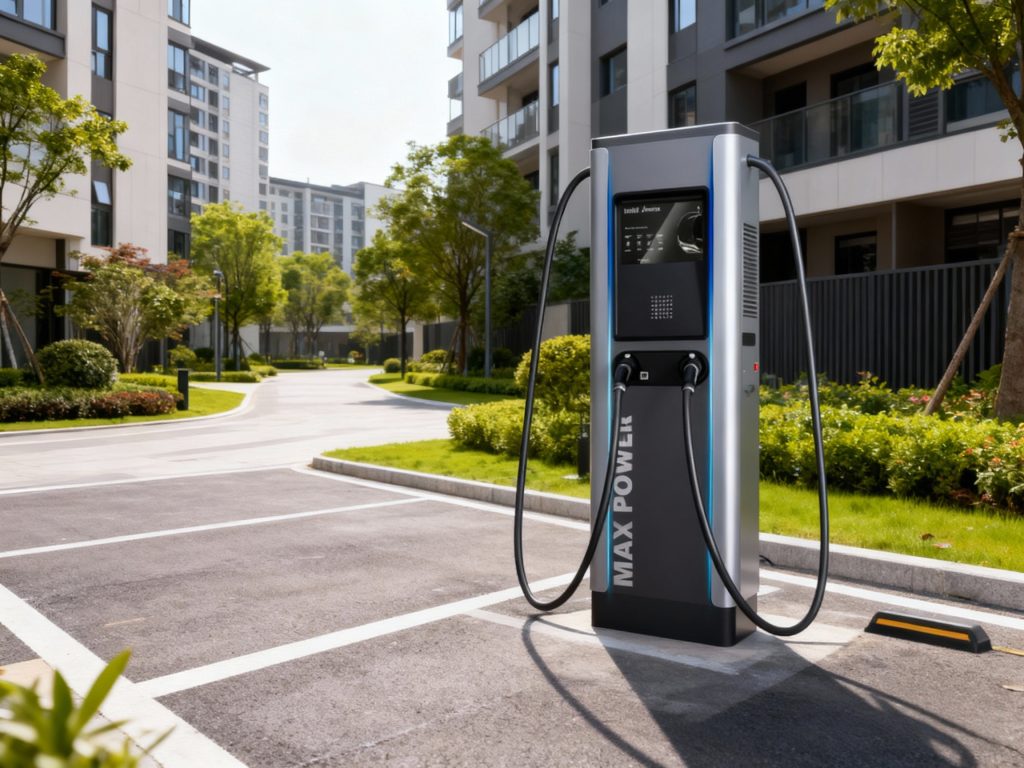
For international corporate buyers and municipal procurement officers, the selection of an Electric Bus Charging Station Supplier hinges on several critical factors: reliability, Total Cost of Ownership (TCO), and local regulatory compliance (such as CE, UL, or GBT standards). Modern procurement focuses on "Future-Proofing"—ensuring that the chargers purchased today can support the higher battery capacities of tomorrow.
Designed for overnight sequential charging where dozens of buses are charged simultaneously using smart load balancing to avoid grid overloads.
Equipped with Liquid-Cooled Superchargers to facilitate rapid top-ups for long-distance electric coaches during 15-minute rest breaks.
Heavy-duty systems tailored for electric delivery trucks and logistics fleets that require high uptime and integration with warehouse management systems.
China currently leads the world in electric bus deployment, with over 90% of the world's electric buses operating on Chinese roads. This massive domestic market has allowed Chinese manufacturers like us to refine our technology under the most rigorous conditions. Partnering with a leading China supplier offers distinct advantages:
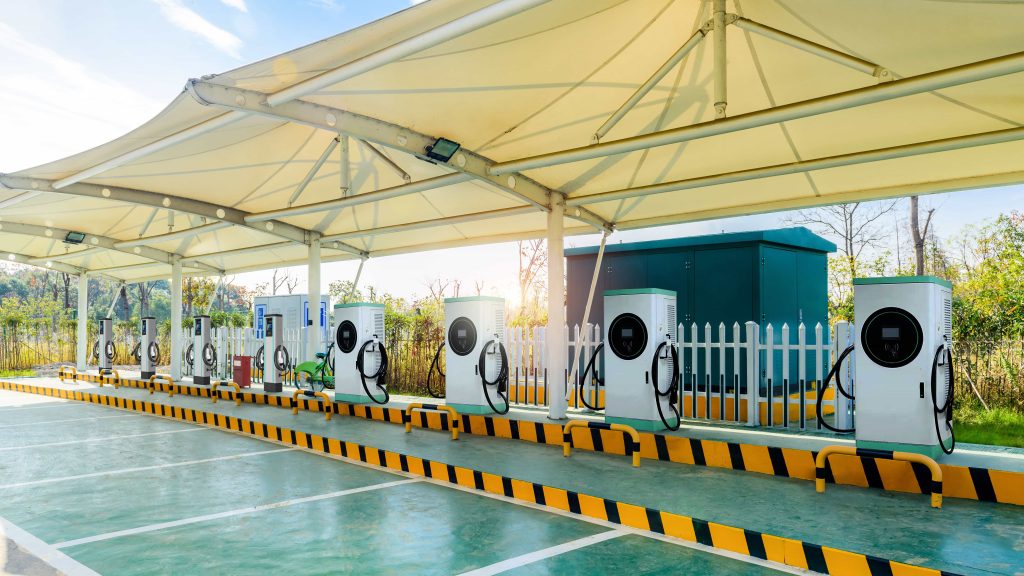
Shenzhen Orange Energy Co., Ltd. is a forward-thinking technology company specializing in electric vehicle charging infrastructure and smart energy solutions. Based in Shenzhen, the company focuses on the development, manufacturing, and deployment of advanced EV charging systems for global markets.
Orange Energy provides a comprehensive portfolio of charging solutions, including workplace EV charging, public charging infrastructure, residential charging solutions, and fleet charging systems. The company also develops fast-charging stations, urban charging networks, and highway charging stations to support the growing adoption of electric mobility.
In addition, Orange Energy delivers specialized applications such as retail parking charging, hotel destination charging, shopping mall and office building charging solutions, and multi-unit residential charging systems. Its innovative offerings also include advertising display charging stations, digital screen chargers, interactive charging displays, solar-powered EV charging systems, and networked charging management platforms.
With a strong focus on smart technology, reliability, and sustainability, Shenzhen Orange Energy Co., Ltd. aims to help cities, businesses, and communities build efficient EV charging ecosystems worldwide.
 Orange Energy