
Understanding the Critical Role of Liquid Cooled Technology in Modern Mobility
As the global electric vehicle (EV) market transitions from early adoption to mass-market integration, the demand for Ultra-Fast Charging (UFC) has never been higher. Standard air-cooled charging cables, while effective for AC and lower-power DC charging, face a physical "thermal ceiling" at around 200A-250A. To achieve charging speeds that rival traditional refueling (under 15 minutes), the industry is pivoting toward 400kW to 600kW systems. This necessitates Liquid Cooled Charging Cables.
In regions like the European Union and North America, the implementation of "charging corridors" requires stations to deliver high amperage without overheating. Liquid-cooled cables utilize a specialized coolant (often a water-glycol mix or synthetic oil) circulating through internal channels to dissipate heat directly from the copper conductors. This allows for smaller cable diameters, lighter weight for users, and significantly higher current densities (up to 600A+ continuous).
The market for HPC infrastructure is expected to grow at a CAGR of 25% through 2030, driven by heavy-duty electric trucking and long-range passenger EVs.
Liquid cooling reduces cable weight by 40% compared to equivalent air-cooled versions, directly improving ADA compliance and user accessibility.
Advanced sensors monitor temperature in real-time, ensuring that if a cooling leak or blockage occurs, the system safely derates power immediately.
Current Capability
Operational Temp
Mating Cycles
Protection Grade
Shenzhen, often referred to as the "Silicon Valley of Hardware," provides an unparalleled ecosystem for EV charging innovation. As a premier Liquid Cooled Charging Cables Supplier, companies like Shenzhen Orange Energy Co., Ltd. leverage a complete vertical supply chain—from high-grade copper drawing to precision polymer extrusion for coolant tubes.
Efficiency and Scale: Chinese factories can transition from prototype to mass production 3x faster than Western counterparts. This speed is critical for adapting to evolving standards like MCS (Megawatt Charging System) or the rapid adoption of NACS (Tesla North American Charging Standard).
Cost Optimization: By integrating the cooling pump system and the cable assembly in-house, we reduce "Information Gain" barriers and provide a lower Total Cost of Ownership (TCO) for global CPOs (Charge Point Operators).
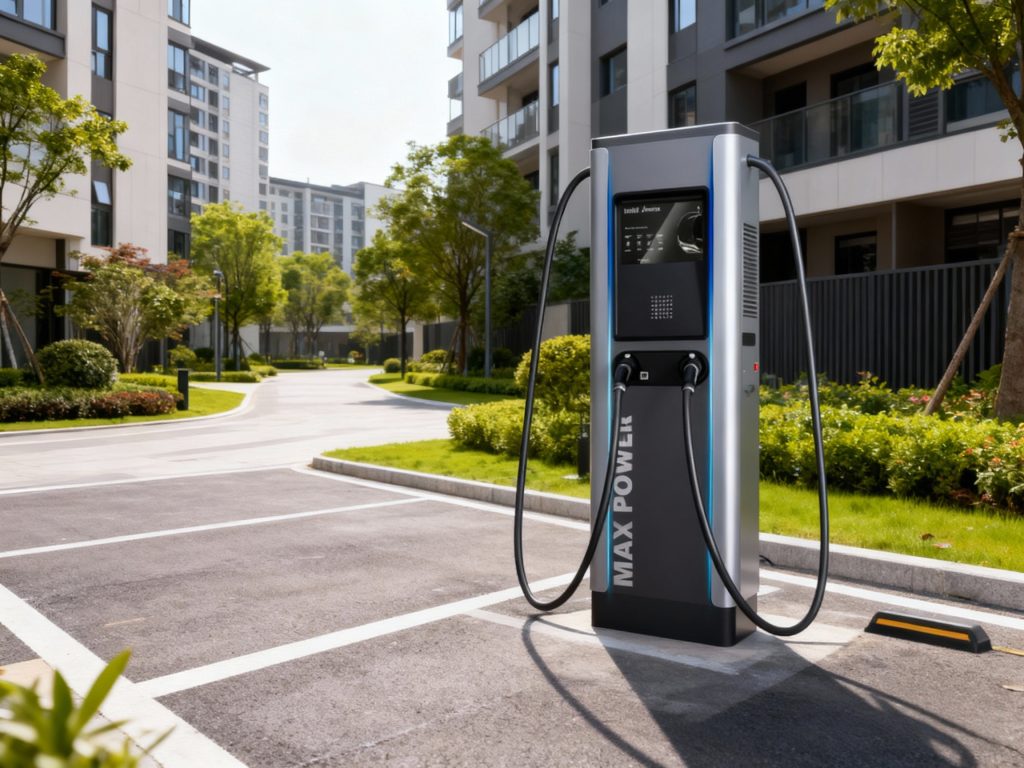
Deploying liquid-cooled technology where it matters most
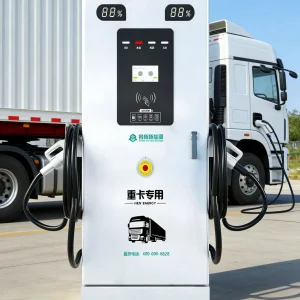
Logistics hubs in Europe and North America utilize liquid-cooled cables to charge Class 8 electric trucks during 30-minute driver breaks.
In cities like Singapore or Tokyo, where space is a premium, compact liquid-cooled stations provide high turnover without bulky air-cooling vents.
Providing a "Petrol-like" experience for travelers. Liquid cooling ensures consistent 350kW+ delivery even during mid-summer peak heat.
For global enterprises, the procurement of Liquid Cooled Charging Cables is no longer just a technical choice; it is a strategic investment. Buyers must prioritize CE, UL, and TUV certifications to ensure cross-border compliance. Furthermore, the trend is moving toward Smart Thermal Management, where the cable communicates its internal temperature directly to the station's AI cloud to optimize the cooling flow rate, saving energy.
The Rise of V2G (Vehicle-to-Grid): As cables handle bidirectional energy flow, thermal management becomes even more complex. Liquid cooling provides the stable environment needed for extended discharge/charge cycles, protecting the cable's longevity over 10 years of service.
Shenzhen Orange Energy Co., Ltd. is a forward-thinking technology company specializing in electric vehicle charging infrastructure and smart energy solutions. Based in Shenzhen, the company focuses on the development, manufacturing, and deployment of advanced EV charging systems for global markets.
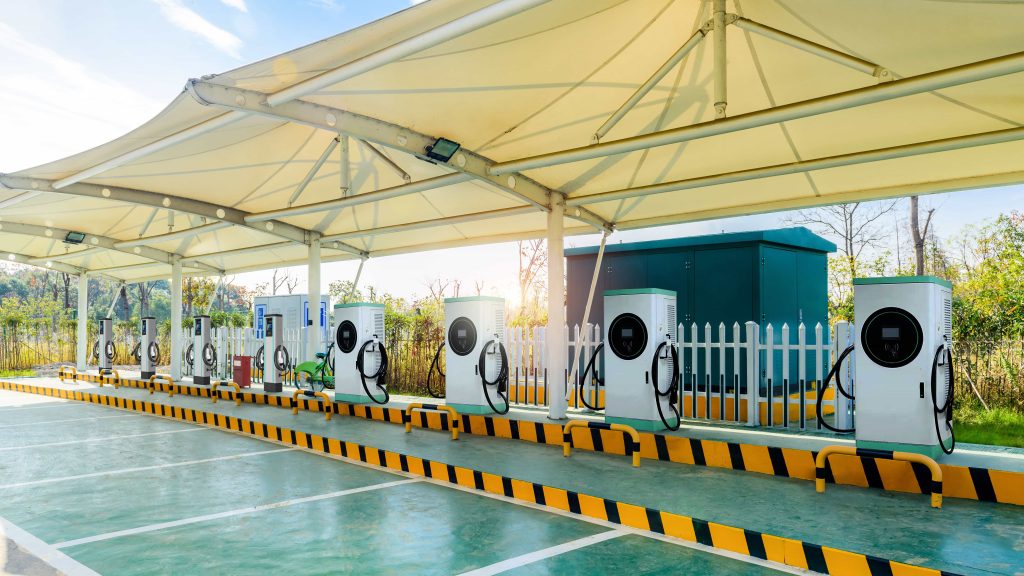
Orange Energy provides a comprehensive portfolio of charging solutions, including workplace EV charging, public charging infrastructure, residential charging solutions, and fleet charging systems. The company also develops fast-charging stations, urban charging networks, and highway charging stations to support the growing adoption of electric mobility.
In addition, Orange Energy delivers specialized applications such as retail parking charging, hotel destination charging, shopping mall and office building charging solutions, and multi-unit residential charging systems. Its innovative offerings also include advertising display charging stations, digital screen chargers, interactive charging displays, solar-powered EV charging systems, and networked charging management platforms.
With a strong focus on smart technology, reliability, and sustainability, Shenzhen Orange Energy Co., Ltd. aims to help cities, businesses, and communities build efficient EV charging ecosystems worldwide.

 Orange Energy