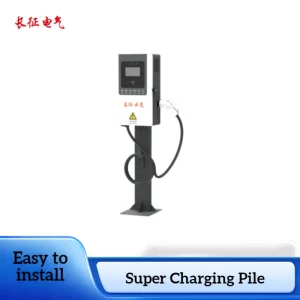
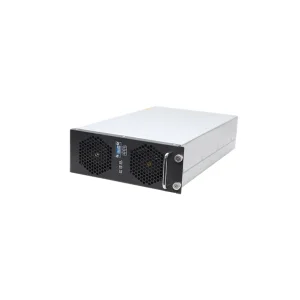
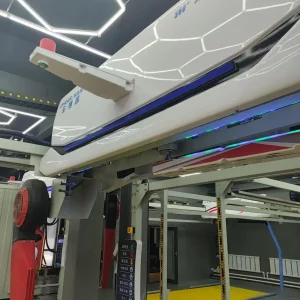
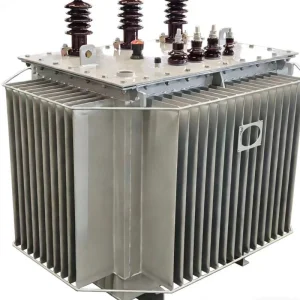
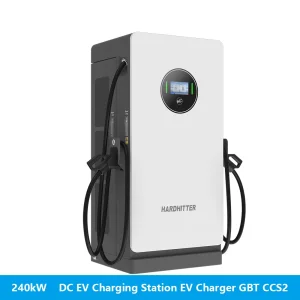
Explore our industrial-grade EV chargers and dynamic transaction sub-systems, engineered to support multi-layered network management protocols.
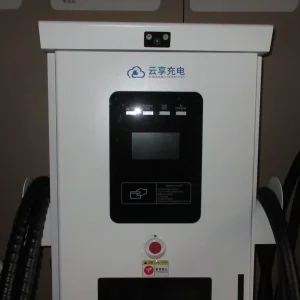

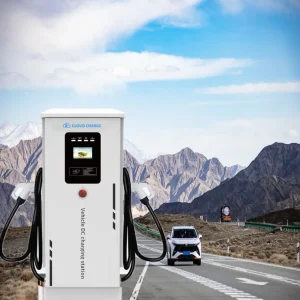
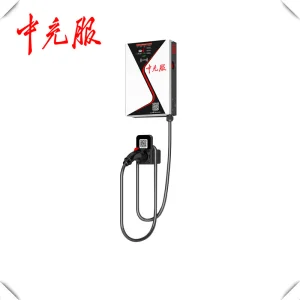
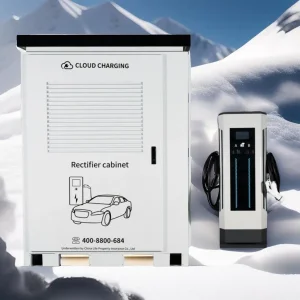
The global electrification of transit systems has elevated EV charging stations from secondary infrastructure assets to high-frequency retail transactional nodes. As Charge Point Operators (CPOs) and e-Mobility Service Providers (eMSPs) aggressively scale up networks, one critical component shapes the commercial viability of their systems: the payment processing gateway. Closed-loop, single-operator RFID solutions are giving way to regulatory-mandated, open-loop ad-hoc transactional configurations that mirror legacy point-of-sale systems but operate under severe outdoor environmental conditions, custom data networks, and complex firmware communication protocols like OCPP (Open Charge Point Protocol) 2.0.1 and ISO 15118.
From an operational standpoint, a "Custom Payment Gateway EV Charger" is not merely an off-the-shelf credit card terminal retrofitted onto an EV charger chassis. It represents a highly engineered, cross-disciplinary integration of power electronics, hardware security modules (HSM), cellular/ethernet fail-safe telemetry, and cloud-to-cloud banking API architectures. This setup allows hardware factories to supply highly adaptable equipment that can handle instant authorizations, dynamic pre-authorizations, variable billing rules, local currency compliance, and secure remote firmware maintenance across divergent geographic markets.
Standardizing payment capabilities lowers friction, scales transaction volumes, and guarantees uninterrupted network service.
A breakdown of the technical configurations implemented by customized payment gateway EV charging factories.
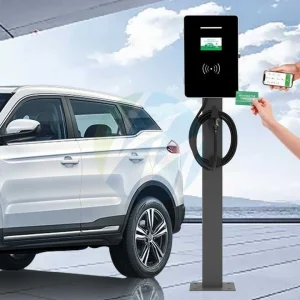
Integration of IK10 physical impact-resistant, IP65-rated credit/debit card terminals directly into the charger cabinet. Communicating with main controller boards via serial interfaces (RS232/USB) and protocols like MDB (Multi-Drop Bus).
Local displays dynamically render highly secure, single-use QR codes encoded with session identifiers. User completes payment via Apple Pay, Google Pay, or localized digital wallets (Pix, WeChat, Bancontact) via encrypted cloud redirection.
The ultimate automation milestone. Dynamic public-key infrastructures (PKI) allow secure, automated asymmetric handshakes. Once the plug connects, the vehicle's unique digital certificate securely authorizes billing directly to the owner's billing account.
Shenzhen Orange Energy Co., Ltd. is a forward-thinking technology company specializing in electric vehicle charging infrastructure and smart energy solutions. Based in Shenzhen, the company focuses on the development, manufacturing, and deployment of advanced EV charging systems for global markets.
Orange Energy provides a comprehensive portfolio of charging solutions, including workplace EV charging, public charging infrastructure, residential charging solutions, and fleet charging systems. The company also develops fast-charging stations, urban charging networks, and highway charging stations to support the growing adoption of electric mobility.
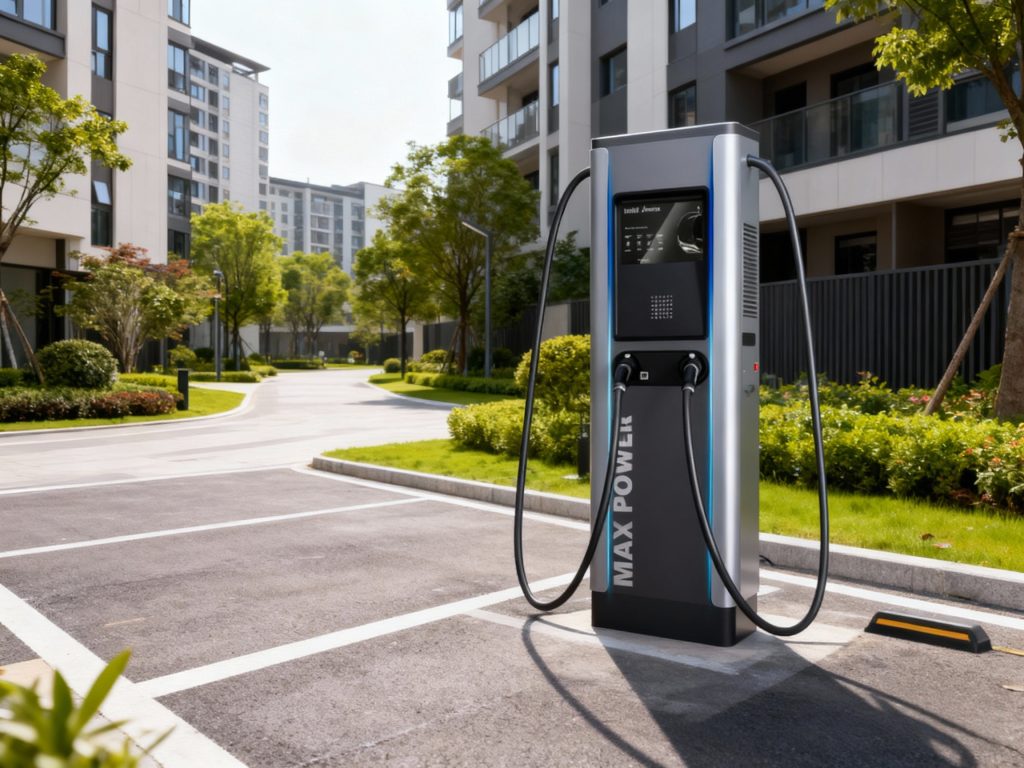
In addition, Orange Energy delivers specialized applications such as retail parking charging, hotel destination charging, shopping mall and office building charging solutions, and multi-unit residential charging systems. Its innovative offerings also include advertising display charging stations, digital screen chargers, interactive charging displays, solar-powered EV charging systems, and networked charging management platforms.
With a strong focus on smart technology, reliability, and sustainability, Shenzhen Orange Energy Co., Ltd. aims to help cities, businesses, and communities build efficient EV charging ecosystems worldwide. Our factories are fully set up to integrate custom payment gateways, satisfying specific regional compliance requirements, commercial business models, and secure transactional frameworks.
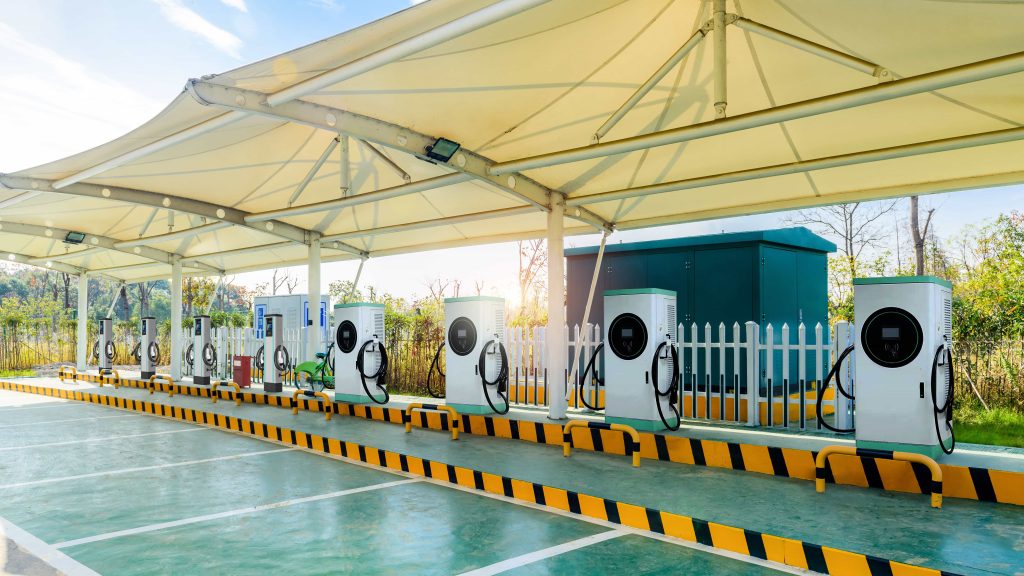
The global EV industry is subject to rapid policy changes. Governments are actively implementing regulations to protect consumer rights and guarantee transparent pricing models. Our factories engineer physical assemblies and firmware stacks with localized compliance layers built directly into the codebase:
A robust payment gateway system must adapt to shifting technological developments. The following visual roadmap indicates how hardware factories are evolving architectures to remain competitive over long deployment lifecycles:
Establishing native OCPP 1.6J and OCPP 2.0.1 compliance. Transactions triggered via credit cards are localized instantly, converted into standard authorization requests, and verified via remote central CSMS (Charging Station Management Systems) networks.
Allowing multiple independent tenants (e.g., shopping mall owners, fleet lease partners, sub-leasing restaurant operations) to deploy terminal configurations routed to their unique banking merchant accounts on a single physical charging station.
Transitioning from one-way consumer billing to dynamic bidirectional micro-payout mechanisms. As vehicles feed power back to the grid (Vehicle-to-Grid), payment gateways dynamically deposit funds back to the user's connected wallet or digital card.
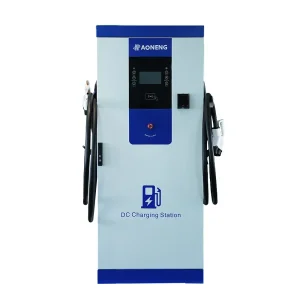
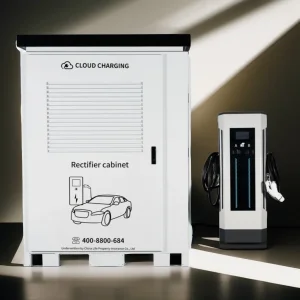
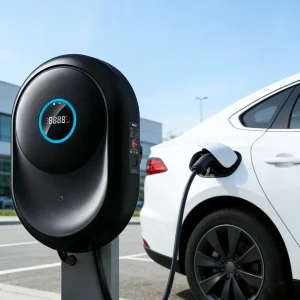
A comprehensive line of high-power hardware configurations, split DC chargers, and smart transport hub solutions.
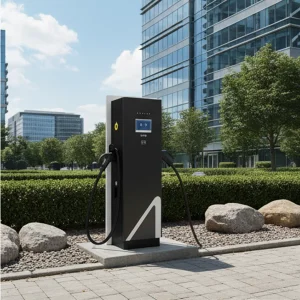
Get professional clarification on technical, regulatory, and infrastructural challenges in EV charging payment systems.
 Orange Energy