High-performance charging adapters, OCPP systems, smart solar integration technology, and mobile charging piles essential for localized commercial fleets.
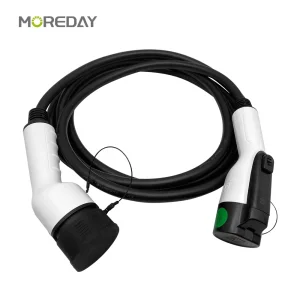

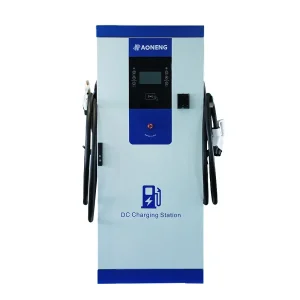
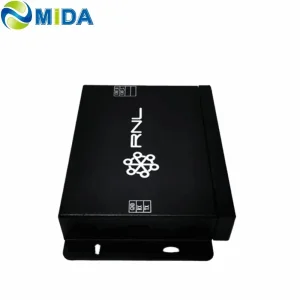
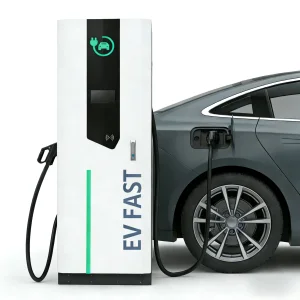
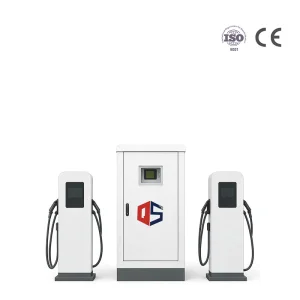
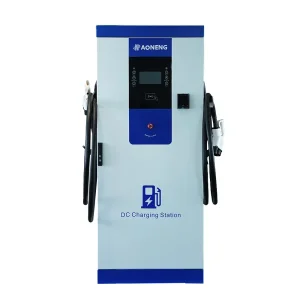
As logistics ecosystems, utility operations, and commercial transport fleets transition toward complete electrification, the concept of Fleet Telematics Integration has evolved far beyond basic GPS tracking. Modern fleet management demands the convergence of multi-tier hardware architectures, real-time energy analytics, and automated communication bridges between fleet assets (EVs, heavy machinery, unmanned mapping aerial vehicles) and the charging infrastructure that sustains them.
Historically, telematics solutions operated as siloed vehicle diagnostic units. However, under the Industry 4.0 paradigm, hardware components such as SECC (Supply Equipment Communication Controller) systems, dual CCS2 and GB/T DC fast chargers, and smart energy storage structures are natively integrated into unified telemetry control platforms. Sourcing from tier-one factories that possess complete hardware design and protocol control mechanisms (such as OCPP 1.6/2.0.1 and ISO 15118) has become a primary bottleneck for enterprise procurement managers globally.
Shenzhen Orange Energy Co., Ltd. is a forward-thinking technology company specializing in electric vehicle charging infrastructure and smart energy solutions. Based in Shenzhen, the company focuses on the development, manufacturing, and deployment of advanced EV charging systems for global markets.
Orange Energy provides a comprehensive portfolio of charging solutions, including workplace EV charging, public charging infrastructure, residential charging solutions, and fleet charging systems. The company also develops fast-charging stations, urban charging networks, and highway charging stations to support the growing adoption of electric mobility.
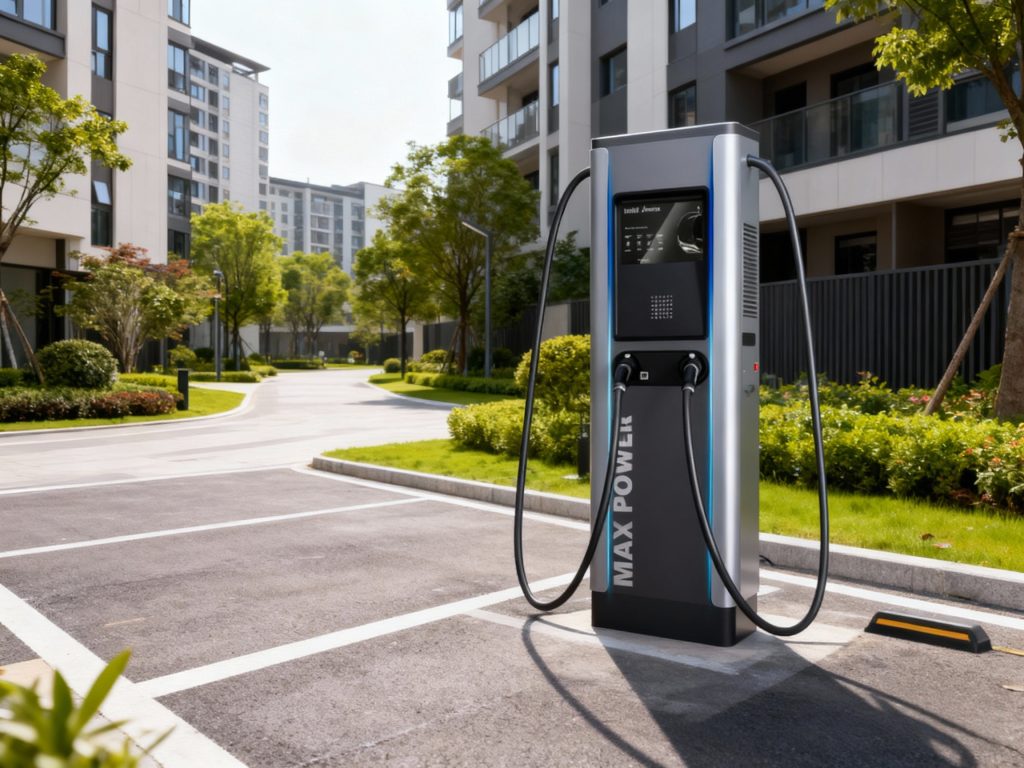
In addition, Orange Energy delivers specialized applications such as retail parking charging, hotel destination charging, shopping mall and office building charging solutions, and multi-unit residential charging systems. Its innovative offerings also include advertising display charging stations, digital screen chargers, interactive charging displays, solar-powered EV charging systems, and networked charging management platforms. With a strong focus on smart technology, reliability, and sustainability, Shenzhen Orange Energy Co., Ltd. aims to help cities, businesses, and communities build efficient EV charging ecosystems worldwide.
The technological trajectory of telematics integration, moving from isolated data monitoring to intelligent, self-healing grid ecosystems.
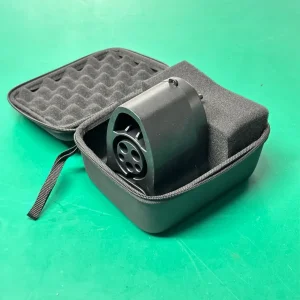
The current phase focuses on standardizing vehicle-to-charger protocols. Systems like the SECC CCS ChAdeMO PLC solution allow multi-protocol support (GB/T, Type 2, CCS1, CCS2) across a single interface. Telematics units now track state-of-health (SoH), temperature, cell voltages, and thermal throttling in real time during the charging cycle, reducing downtime by up to 34%.
Integrating local renewable generation (such as Solar Carports and Photovoltaic Energy Storage Systems - ESS) directly into the telemetry loops. Fleets will dynamically schedule charging windows based on forecasted solar output, state of grid demand, and individual vehicle routes. This phase will feature automated mobile fast chargers acting as localized dispatchable energy reserves.
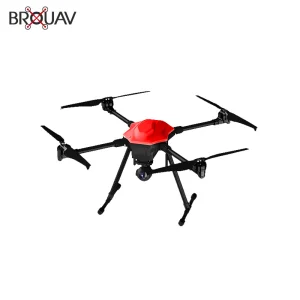
Deployment of autonomous surveying FPV drones for utility-scale infrastructure inspections. When connected to the centralized fleet telemetry platform, these autonomous systems check power line health, highway charging hubs, and high-voltage grid corridors. Using generative AI models at the edge, systems will auto-adjust charging power outputs and schedule preventive maintenance routes autonomously.
Tailoring telematics integration to specific industrial profiles optimizes fleet efficiency and secures a rapid return on investment.
By leveraging dynamic routing and real-time SoC (State of Charge) monitoring, logistics operators deploy custom J1772/Type 2 adapters and 30kW–60kW DC piles at distribution nodes. Advanced OCPP telemetry allows automated dispatching, matching vehicles with optimized charging queues to reduce empty runs and wait times.
For municipal transit systems operating high-capacity electric buses, high-power DC fast-charging systems (up to 360kW) are linked with local grid-tied energy storage units (ESS). Charging cycles are timed with off-peak electricity rates, utilizing local solar canopy arrays to achieve carbon-neutral urban mobility.
Combining heavy-duty industrial vehicles with FPV drones for topographic mapping and road inspections. Telematics units track payload demands and field battery health. Mobile solar charge points are deployed along highways to ensure off-grid machinery remains powered in remote regions.
Why leading global fleets source high-technology telematics and charging hardware directly from advanced Chinese factories.
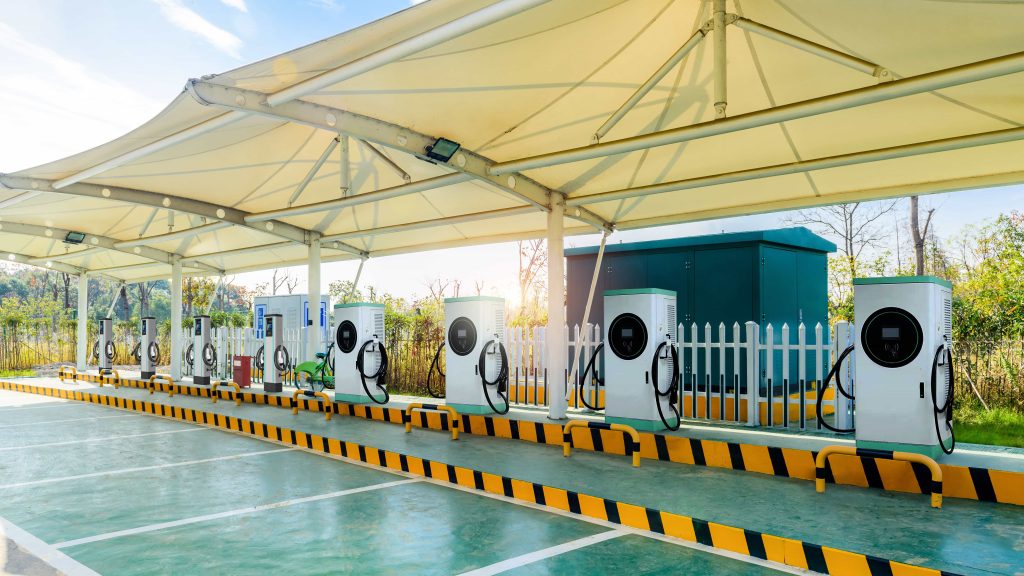
Global logistics and fleet managers face volatile raw material costs and tight delivery timelines. Modern manufacturing hubs in Shenzhen have evolved into Factory 4.0 centers. This shift integrates automation, end-to-end component traceability, and deep vertical integration under one roof.
Meeting stringent local certifications and data protection laws is critical for deployment in international markets.
Deploying charging stations globally requires compliance with safety certifications like CE, RoHS, UL, and FCC. Industrial-grade suppliers design and test components to meet these strict requirements. High IP ratings (IP55/IP65) ensure reliable operation under extreme weather conditions, including rain, snow, and desert heat.
With modern telematics systems sending vehicle, location, and battery metrics to remote servers, data security is paramount. Systems comply with local privacy regulations like GDPR in Europe and CCPA in California. Standardized communication is secured through TLS-encrypted channels via OCPP, protecting systems from external manipulation.
Enterprise procurement teams must consider long-term operating costs (TCO) and installation complexity when sourcing fleet telematics integration and EV charging stations. Sourcing from a reliable supplier ensures simplified field serviceability and reduced project risk.
Premium connector accessories, solar carports, fast-charging piles, low-speed utility vehicles, and highway charging configurations.


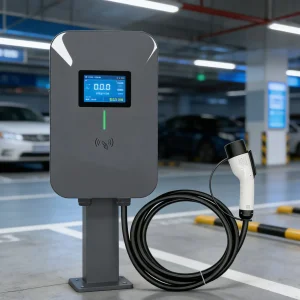

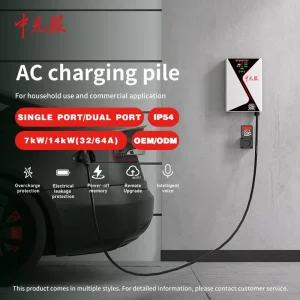
Answers to key technical questions from fleet operators regarding telematics integration, hardware compatibility, and deployment.
The SECC acts as the brain of the charging station's communication system. It bridges the vehicle's onboard communication protocols (such as ISO 15118 or DIN 70121 via Power Line Communication) with the station's controller. This connection allows real-time telemetry sharing, battery diagnostic mapping, authorization checks, and dynamic power adjustment commands.
OCPP (Open Charge Point Protocol) is an open-source communication protocol connecting charging stations to central management backends. Sourcing OCPP-compliant hardware ensures you can switch software vendors or combine multiple charger manufacturers under a single, unified management dashboard without replacing your physical charging infrastructure.
Dynamic load management monitoring systems track total facility energy draw in real-time. If consumption approaches limit thresholds, the controller instructs connected chargers to reduce their power output, protecting the localized grid without requiring costly utility infrastructure upgrades.
Integrating localized generation with fleet analytics helps operators match high-load charging windows with peak solar production hours. Storing excess energy in site batteries reduces dependence on the grid during peak pricing windows, significantly lowering the total cost of ownership (TCO) for commercial EV fleets.
 Orange Energy