Tailored for the unique demands of the Jakarta metropolitan area and Indonesian industrial zones.
As the world's largest nickel producer, Indonesia is positioning itself as a global hub for the electric vehicle supply chain. The Indonesian government, under Presidential Regulation No. 55 of 2019, has accelerated the battery electric vehicle program for road transportation. This has led to a massive surge in demand for Fast Charging Infrastructure Manufacturers & Factories in Indonesia.
From the bustling streets of Jakarta to the sustainable development of the new capital, Nusantara (IKN), the need for robust, high-speed DC charging stations is paramount. We understand that the tropical climate and high humidity of Indonesia require specialized engineering for EV chargers to ensure long-term durability and safety.
Planned Charging Points by 2030
Standardized Protocol Support
Tropical Weather Protection
Smart Network Monitoring
The landscape is shifting from slow AC home charging to high-power DC infrastructure.
With the rise of long-range EVs, Indonesian highway operators (Jasa Marga) are prioritizing 120kW to 360kW ultra-fast chargers at rest areas to reduce "range anxiety" during mudik seasons.
Manufacturers are increasingly focusing on local assembly in Indonesia to meet TKDN (Tingkat Komponen Dalam Negeri) standards, fostering a local industrial ecosystem.
Mixed-use developments in BSD City, Sudirman Central Business District (SCBD), and Surabaya are integrating networked charging stations with building management systems.
Leveraging Indonesia's solar potential, hybrid EV charging stations that combine PV panels with battery energy storage (BESS) are becoming a trend in remote resort areas like Bali and Lombok.
As the market matures, the transition to OCPP 2.0.1 ensures better security and more complex communication between the EV, the charger, and the grid (V2G).
Mining companies in Sulawesi are exploring electric truck fleets, requiring specialized megawatt-level charging infrastructure to maintain 24/7 operations.
We provide versatile charging solutions for various Indonesian environments.
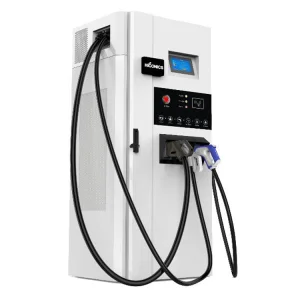
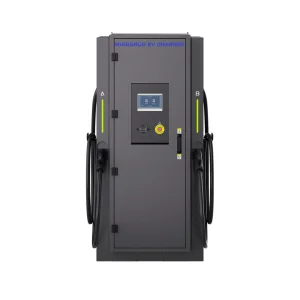
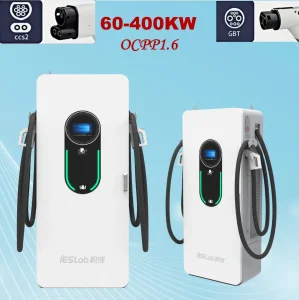
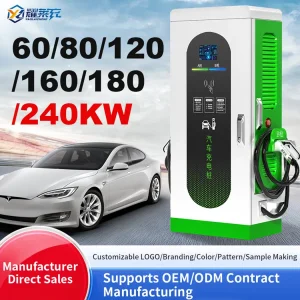
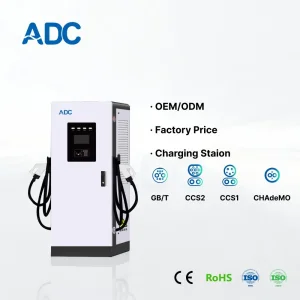
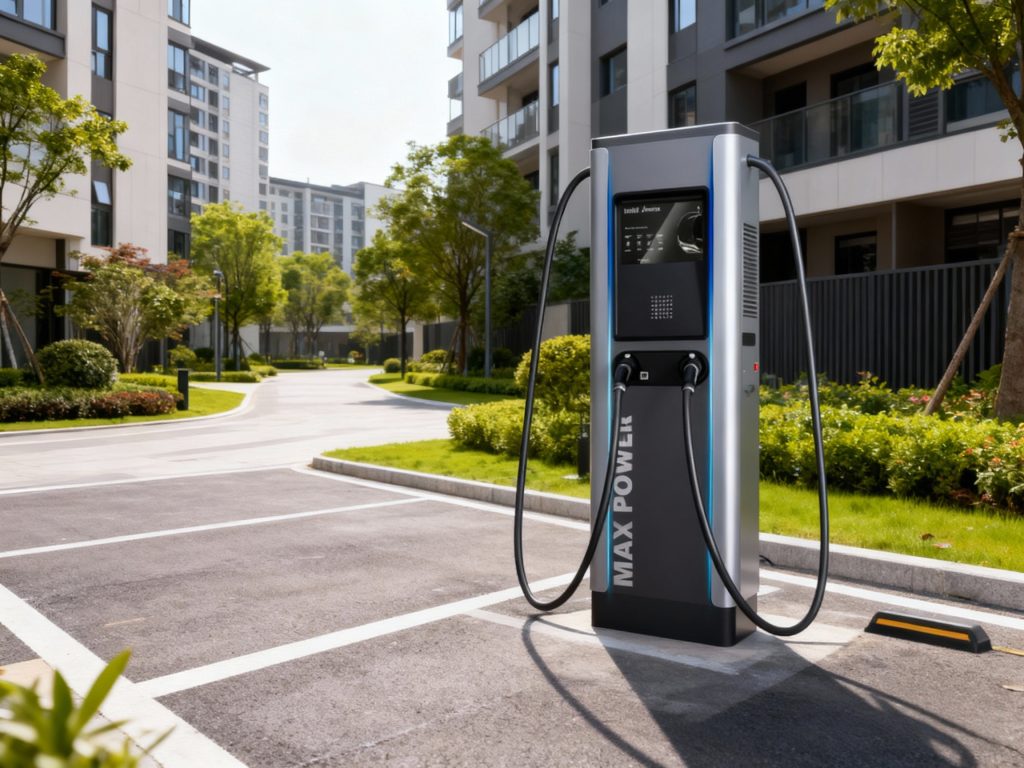
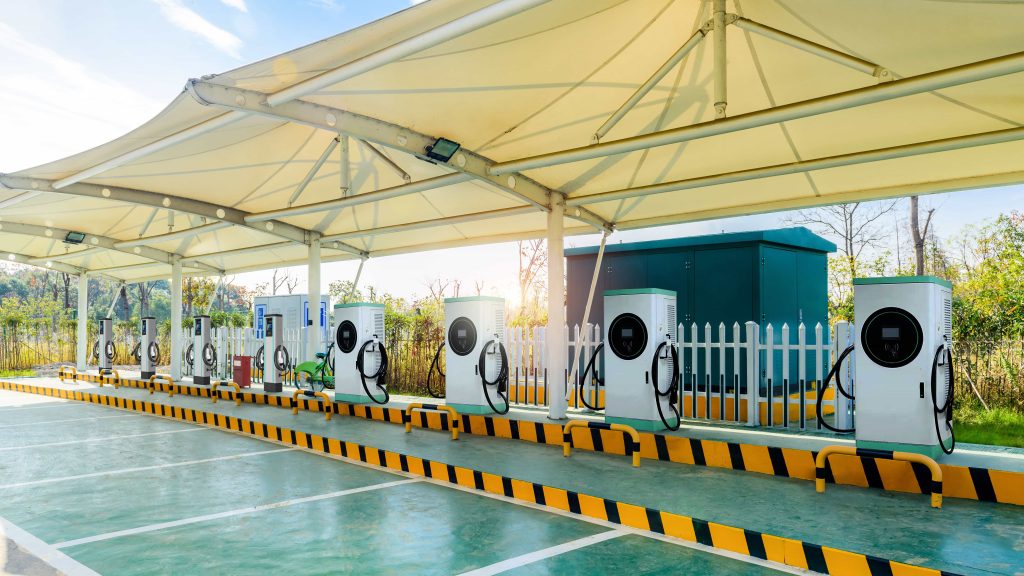
To support the massive traffic across Java and Sumatra, our high-power DC stations (up to 360kW) are designed for quick turnaround times. These units feature dual-connector support (CCS2 and GBT) to accommodate both European and Chinese EV models popular in Indonesia.
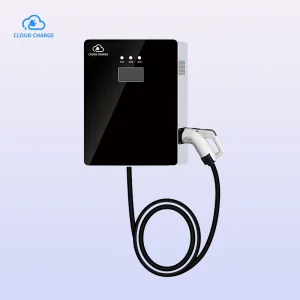
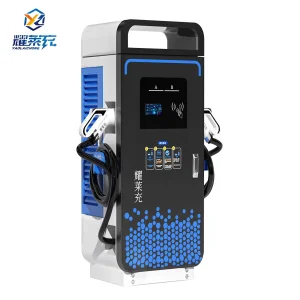
Shopping malls in Jakarta like Grand Indonesia or Senayan City benefit from our LED Screen EV Chargers, which allow for high-impact advertising while customers charge their vehicles, creating a new revenue stream for property owners.
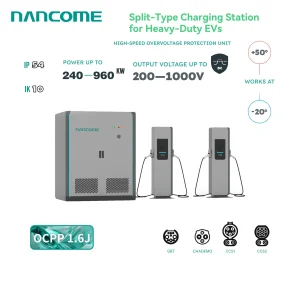
For the nickel mining industry in Morowali or Halmahera, we provide ruggedized, high-voltage megawatt-level chargers. These are built to withstand dusty, harsh industrial environments while powering heavy-duty electric logistics vehicles.
Shenzhen Orange Energy Co., Ltd. is a forward-thinking technology leader specializing in electric vehicle charging infrastructure and smart energy solutions. Recognizing the strategic importance of the Southeast Asian market, we have established a robust supply chain to support Fast Charging Infrastructure Manufacturers & Factories in Indonesia.
Based in the technology hub of Shenzhen, our company focuses on the development, manufacturing, and global deployment of advanced EV charging systems. We provide a comprehensive portfolio including workplace charging, public infrastructure, and fleet management systems. Our mission is to empower Indonesian businesses to build efficient EV ecosystems that are both sustainable and profitable.
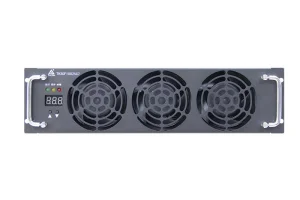
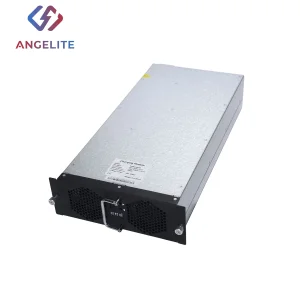
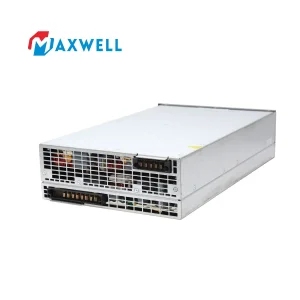
Our localized approach for the Indonesian market involves close collaboration with local contractors and utility providers like PT PLN (Persero). By providing high-quality modules and complete charging piles that are CE and TUV certified, we ensure that the Indonesian transition to e-mobility is backed by world-class technology.
In addition to hardware, Orange Energy delivers specialized digital offerings such as interactive charging displays and networked management platforms, allowing operators to monitor their stations in real-time across the archipelago.
Scalable and reliable hardware for the next generation of Indonesian mobility.
Indonesia's massive nickel reserves are the backbone of its "Downstream" industrial policy. By banning the export of raw nickel ore, the government has forced global players to build refineries and battery factories locally. This domestic battery production will significantly lower the cost of EVs in Indonesia, creating an immediate need for Fast Charging Infrastructure Factories to keep pace with vehicle sales.
Deploying infrastructure across 17,000 islands presents unique logistical challenges. However, it also opens opportunities for decentralized energy solutions. Our Off-grid DC Fast Chargers are designed for remote tourist destinations where grid stability might be an issue, allowing for high-speed charging via integrated energy storage systems.
The Indonesian government has introduced various tax holidays and import duty exemptions for manufacturers involved in the EV ecosystem. This makes it the perfect time for businesses to invest in localized charging networks. By choosing Orange Energy as your technology partner, you gain access to hardware that is already compliant with international standards while being adaptable to local Indonesian grid requirements.
Unlike chargers designed for temperate climates, infrastructure in cities like Jakarta or Surabaya must handle average temperatures of 30°C+ and high humidity. Our factory uses advanced thermal management systems and anti-corrosion coatings to ensure that internal components like power modules and PCBs remain functional for over 10 years in tropical conditions.
The SPKLU network, spearheaded by PT PLN, is the primary public charging platform in Indonesia. Our chargers are fully compatible with the PLN 'Charge.IN' app via OCPP integration, ensuring that users can easily locate, use, and pay for charging sessions through their mobile devices.
 Orange Energy