High-capacity vehicle chargers tailored for heavy duty transport, municipal integration, and automated fleet systems in the Genoa transit corridor.
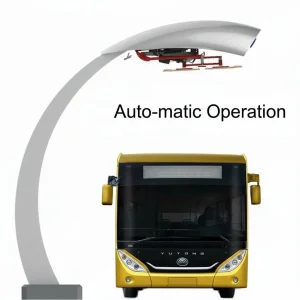
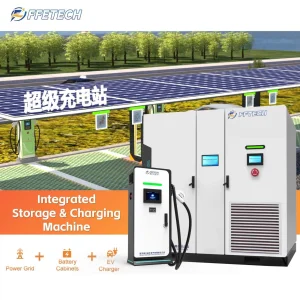
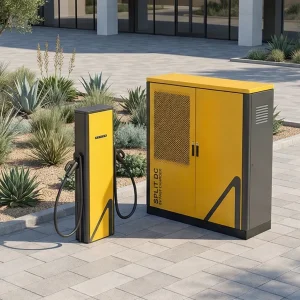
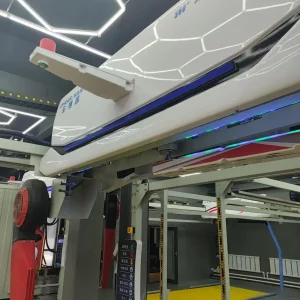
Under the European Union's Green Deal and Italy's PNRR (National Recovery and Resilience Plan), Genoa is transitioning into a premier zero-emission logistics node.
As Italy's largest seaport by cargo volume and a critical node in the Rhine-Alpine Corridor, Genoa presents unique geographic and structural challenges for fleet electrification. The rugged Ligurian landscape, coupled with historic urban arterial routes, demands heavy-duty charging architecture that delivers maximum power density within highly constrained physical footprints.
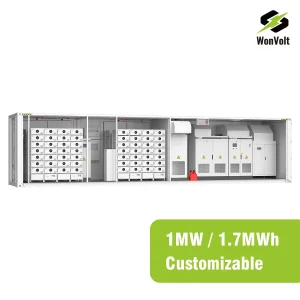
The electrification of AMT Genova's urban bus fleet and the integration of battery-electric heavy trucks at the Port of Genoa (Vado Gateway and Pra' Terminals) represent a massive shift in grid demand. Modern operators require dynamic load management, MW-scale charging configurations, and integration with local Battery Energy Storage Systems (BESS) to bypass local substation capacity bottlenecks.
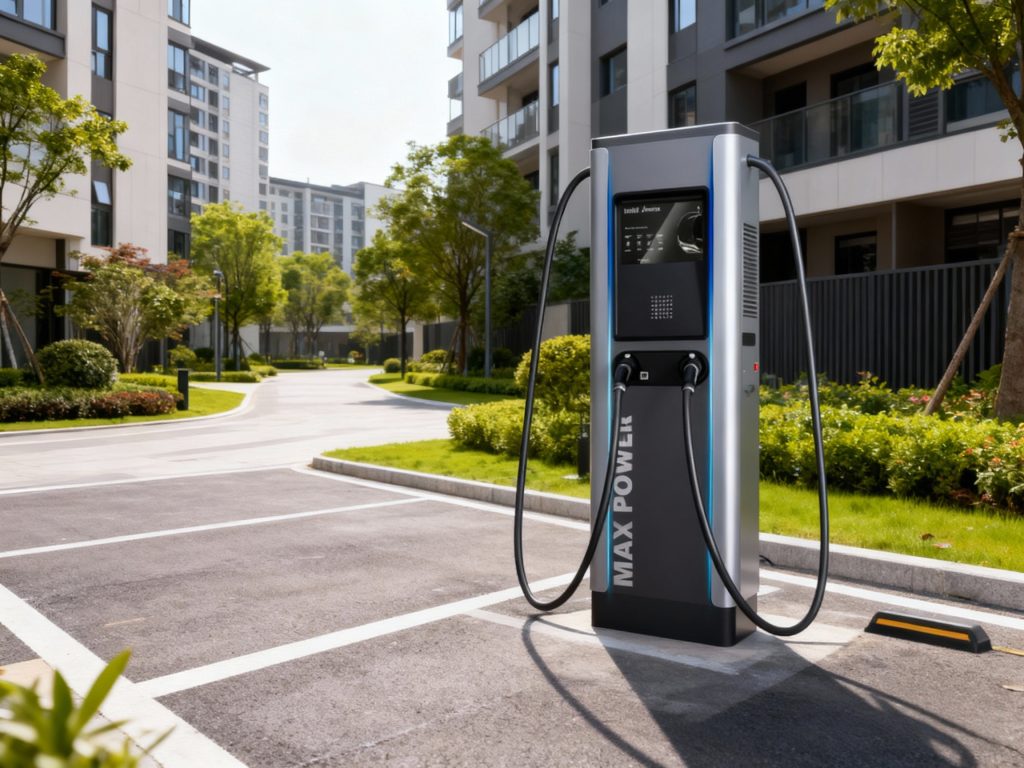
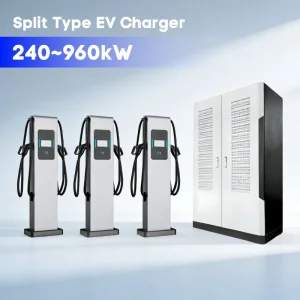
Liquid-cooled split-type DC charging architecture delivering up to 720kW to support fast turnaround times for logistics hubs.
Native integration with smart city management platforms and dynamic billing systems for seamless depot orchestrations.
IP55 and IP65 ruggedized enclosures designed to withstand highly corrosive saline environments typical of Ligurian coastal ports.
A forward-thinking technology company specializing in electric vehicle charging infrastructure and smart energy solutions.
Based in Shenzhen—the global capital of hardware engineering and battery supply chains—Shenzhen Orange Energy Co., Ltd. focuses on the design, development, manufacturing, and international deployment of advanced EV charging systems. Leveraging the deep vertical integration of Shenzhen's tech ecosystem, we deliver highly reliable EVSE components that meet and exceed CE, TUV, and IEC compliance standards.
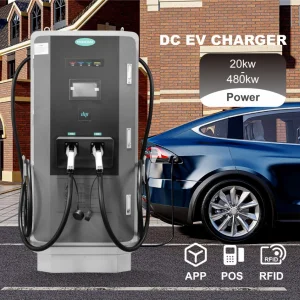
Our solutions cater to workplace EV charging, public charging infrastructure, residential networks, and municipal fleet operations. We specialize in high-capacity fast-charging stations, urban destination charging nodes, and robust highway corridor networks designed to accelerate global e-mobility adoption.
Beyond standard chargers, Orange Energy delivers customized turn-key packages including digital display interactive advertising chargers, integrated commercial solar-powered EV platforms, and comprehensive cloud-based network management software.
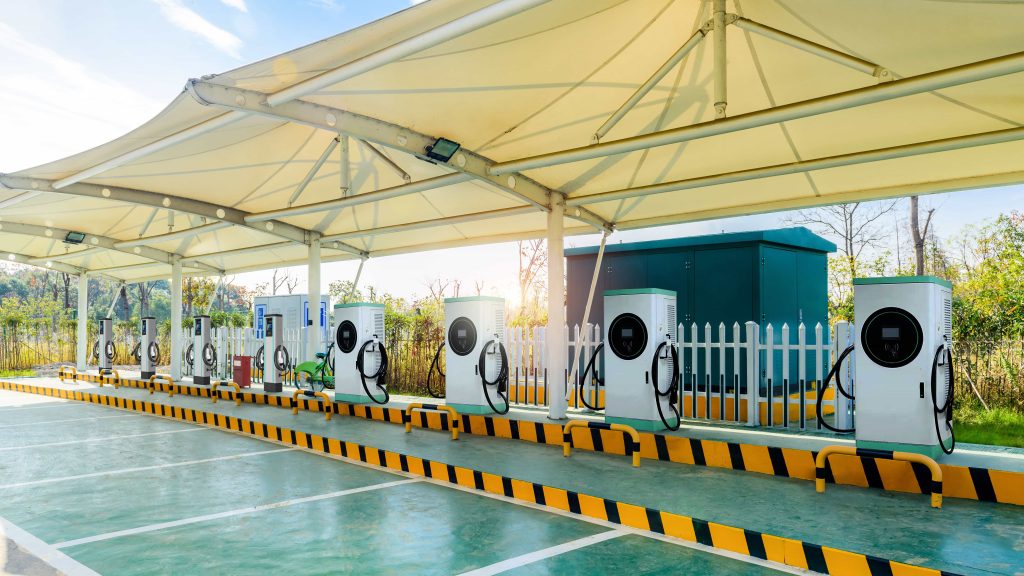
Specialized backup microgrids and ultra-fast off-grid charging systems for critical transport corridors and maritime logistical support.
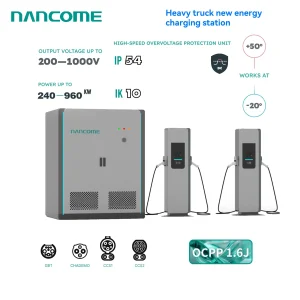
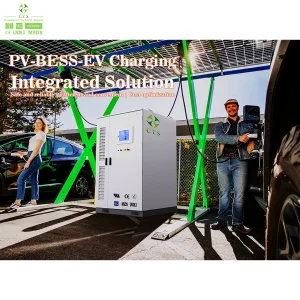
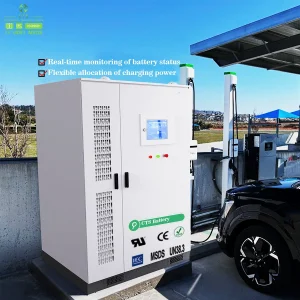
Managing electric vehicle transitions requires deep integration between vehicle telematics, charging stations, and regional electrical grids.
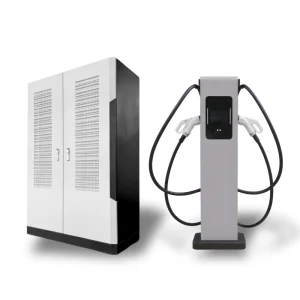
Traditional charging configurations demand a one-to-one mapping of rectifier cabinets to dispensaries. In massive port logistics yards like Genoa, this configuration results in severe hardware underutilization. Shenzhen Orange Energy utilizes split-type power sharing systems where a centralized cabinet dynamic distributes charging blocks dynamically based on the state of charge (SoC) of connected vehicles.
By routing power through smart software control matrices, a single modular 720kW cabinet can feed up to 8 delivery terminals. As vehicles approach 80% charge and input currents decrease, the system dynamically reroutes spare capacity to newly arriving vehicles with lower battery levels.
Deploying electric vehicle supply equipment (EVSE) in saline marine environments such as Genoa's harbor requires rigorous ingress protection. Orange Energy's modular charging systems feature anti-corrosion marine-grade coatings, hermetically sealed electrical chambers, and advanced dual-circuit liquid cooling modules to completely isolate sensitive power electronics from salty sea air, sand, and humidity.
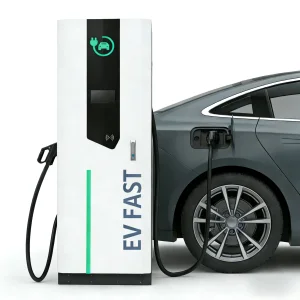
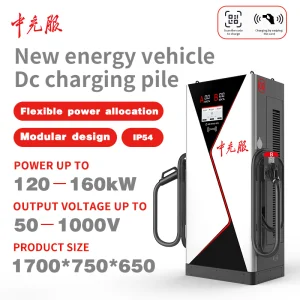
Heavy-duty modular split chargers, IP55 fast charging units, and smart energy solutions designed for scalable commercial operations.

Answers to critical engineering and logistical questions for procurement directors, grid managers, and municipal planners.
Split-type architectures separate the power transformer cabinets from the user-facing dispensers. This allows the heavy rectifier cabinets to be situated in indoor, climate-controlled environments or sheltered zones away from corrosive saline coastal air, while saving crucial yard space on busy maritime berths.
Our chargers run open communication protocols up to OCPP 2.0.1. This supports integration with local grid management software via API, allowing Enel or municipal operators to adjust maximum power limits dynamically (Active Load Balancing) to avoid peak demand surcharges.
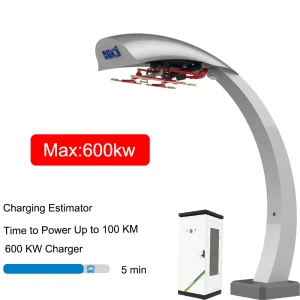
For megawatt-level transfers (e.g., Pantograph systems or Megawatt MCS charging terminals), we implement active liquid-cooling inside the charging cables and connector pins. This allows continuous high currents without overheating, maintaining safety and extending the lifecycle of the charging head.
All products shipped to the EU market, including Italy, are fully certified with CE mark, TUV, and IEC 61851 / IEC 62196 compliance standards, ensuring compliance with strict continental electrical safety regulations.
 Orange Energy